
The landscape of legal gambling in the United States has undergone a radical transformation over the last three decades. Once confined almost exclusively to the desert oasis of Las Vegas and the boardwalks of Atlantic City, casino gaming is now a cornerstone of many state economies. For investors, policymakers, and personal finance enthusiasts, understanding which states allow casinos—and the specific financial frameworks they employ—is essential for grasping the broader economic impact of this multi-billion dollar industry.
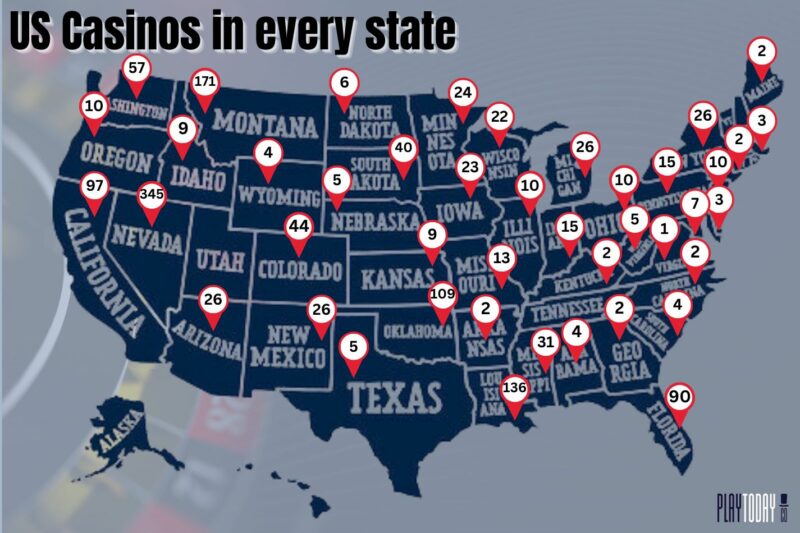
Today, the vast majority of states have some form of legalized casino gaming, whether through commercial enterprises, tribal-state compacts, or “racinos” (race tracks with slot machines). As of the current fiscal year, only a small handful of states maintain a total prohibition on casino-style gambling. The shift toward legalization is largely driven by the pursuit of tax revenue, job creation, and the desire to capture consumer spending that would otherwise flow across state lines.
The Economic Engine: How State-Sanctioned Gambling Impacts Public Finance
From a business and fiscal perspective, casinos are more than just entertainment venues; they are significant revenue generators for state treasuries. The financial allure of the gaming industry lies in its ability to provide a consistent stream of non-taxpayer-funded capital for public projects.
Tax Revenue and Infrastructure Funding
States that allow commercial casinos impose significant gaming taxes on gross gaming revenue (GGR). These tax rates vary wildly, from as low as 6.75% in Nevada to upwards of 50% for certain types of electronic gaming in states like Pennsylvania and New York. This revenue is often earmarked for specific public benefits. For instance, in many jurisdictions, gaming taxes are a primary source of funding for public K-12 education, senior citizen programs, and local infrastructure repair. For a state’s financial health, this creates a diversified revenue portfolio that can help buffer against downturns in traditional income or sales tax collections.
Job Creation and Local Economic Stimulus
Beyond direct tax receipts, the casino industry acts as a major employer. A single integrated resort can employ thousands of workers, from hospitality and service staff to high-level corporate executives and security professionals. The “multiplier effect” is a critical financial concept here: the wages paid to casino employees are spent in the local economy, supporting small businesses and driving further sales tax revenue. Additionally, the construction of these massive facilities represents hundreds of millions—sometimes billions—of dollars in capital expenditure (CAPEX), providing a temporary but intense boost to the local construction industry and related vendors.
Commercial vs. Tribal Gaming: Understanding the Business Models
When discussing which states allow casinos, it is vital to distinguish between the two primary business models: commercial casinos and tribal gaming operations. Each has a distinct financial relationship with the state and federal government.
The Rise of Commercial Powerhouses
Commercial casinos are private-sector businesses regulated by state gaming commissions. Publicly traded companies like MGM Resorts International, Caesars Entertainment, and Wynn Resorts dominate this space. From an investment perspective, these entities are subject to market volatility and strict regulatory compliance. States like Nevada, New Jersey, Pennsylvania, and Maryland host robust commercial markets where the primary financial goal is maximizing shareholder value while meeting state tax obligations. The financial reporting for these entities is transparent, providing deep insights into consumer discretionary spending trends.
Tribal Sovereignty and the Indian Gaming Regulatory Act (IGRA)
Tribal gaming operates under a different financial and legal framework. Established by the federal Indian Gaming Regulatory Act of 1988, tribal casinos are owned and operated by sovereign Native American nations. While they do not pay state taxes in the traditional sense, they enter into “compacts” with the states in which they operate. These compacts often involve “revenue-sharing” agreements, where the tribe pays a percentage of its earnings to the state in exchange for exclusivity rights or other regulatory considerations. Tribal gaming is a massive financial force, often revitalizing rural economies and providing the funding necessary for tribal healthcare, education, and social services. States like Connecticut, California, and Oklahoma are major hubs for tribal gaming wealth.
State-by-State Breakdown: Where the Money Moves
As it stands, approximately 44 states allow some form of casino gaming. However, the depth and scale of these markets vary significantly.
The Traditional Strongholds: Nevada and New Jersey
Nevada remains the gold standard of the gaming industry. Las Vegas is not just a gambling destination but a global leader in the “integrated resort” model, where non-gaming revenue (rooms, dining, entertainment) often exceeds gaming revenue. Financially, Nevada relies heavily on this industry to keep state taxes low for residents. New Jersey, through Atlantic City, remains a critical Northeast hub, though it has faced increased competition as neighboring states have legalized their own facilities.
The Emerging Markets: Midwest and Northeast
Over the last decade, Pennsylvania has risen to become the second-largest commercial gaming market in the U.S. by tax revenue. The state’s high tax rate on slot machines has turned its gaming industry into a fiscal powerhouse. Similarly, Ohio, Maryland, and Massachusetts have recently introduced full-scale casino gaming, seeing it as a way to modernize their economies and keep consumer dollars within state borders. In the Midwest, Illinois and Michigan have long-established markets that have recently expanded to include mobile sports betting and iGaming, further increasing the “wallet share” these states capture from the entertainment sector.
Limited Gaming and Future Projections
States like Florida and Texas present unique financial case studies. Florida has an expansive tribal gaming market (dominated by the Seminole Tribe) and pari-mutuel facilities, but it remains a battleground for commercial expansion. Texas, despite its massive economy, currently has very limited gaming, representing what many analysts consider the “final frontier” for domestic gaming expansion. The potential ROI for a Texas-based integrated resort is estimated in the billions, making it a focal point for industry lobbying and financial speculation.
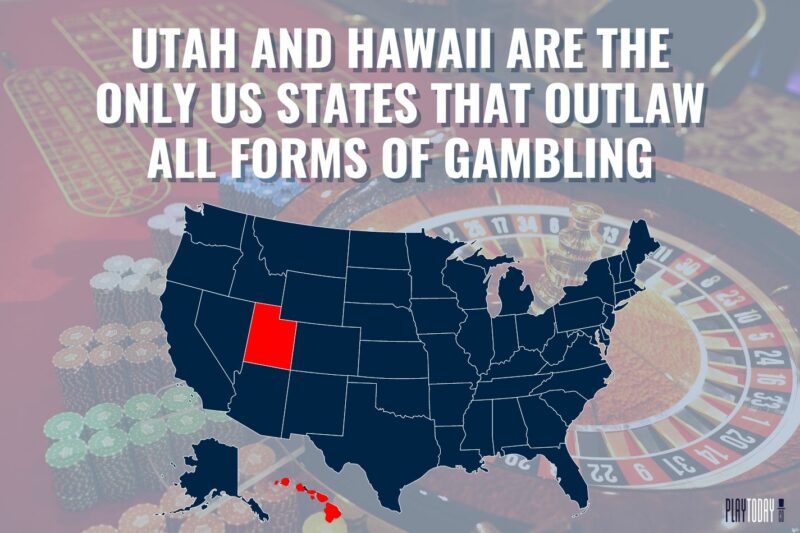
Only a few states, such as Utah and Hawaii, maintain strict prohibitions against all forms of gambling. For these states, the decision is often rooted in social or cultural policy, even if it means forgoing the potential tax windfall seen by their neighbors.
The Financial Risks and Rewards of the Gaming Industry
While the expansion of casinos offers clear fiscal benefits, it also introduces specific financial risks that states and investors must manage.
Market Saturation and Revenue Stability
One of the primary concerns for states today is market saturation. As more states allow casinos, the “novelty” factor wears off, and the competition for the consumer’s discretionary dollar intensifies. For example, the proliferation of casinos in the Northeast has led to a “cannibalization” effect, where new casinos in New York or Massachusetts draw customers away from established venues in Connecticut or New Jersey. From a business finance perspective, this means that margin management and customer loyalty programs (like rewards points and tiered memberships) become essential for survival.
Regulatory Costs and Compliance
The cost of doing business in the gaming industry is exceptionally high due to the rigorous regulatory environment. Companies must invest heavily in anti-money laundering (AML) protocols, cybersecurity to protect player data, and responsible gaming initiatives. These compliance costs are a significant line item on any casino’s balance sheet. However, a strong regulatory framework is also what gives the industry its financial legitimacy, allowing it to access traditional banking services and capital markets that were once off-limits to “vice” industries.
Personal Finance and the Responsible Consumption of Gaming Services
From the perspective of personal finance, the presence of casinos in a state requires a high degree of individual financial literacy. The gaming industry is built on “mathematical edges,” meaning that, over the long term, the house always has a financial advantage.
Budgeting for Entertainment
For the individual, casino gaming should be categorized within a household budget as “discretionary entertainment spending,” similar to a concert ticket or a high-end dinner. The financial danger arises when gaming is viewed as a source of income rather than a cost of entertainment. Professional financial advisors typically suggest that individuals only gamble with “extra” money—capital that is not required for housing, savings, or retirement contributions.
The High Cost of Problem Gambling on the Economy
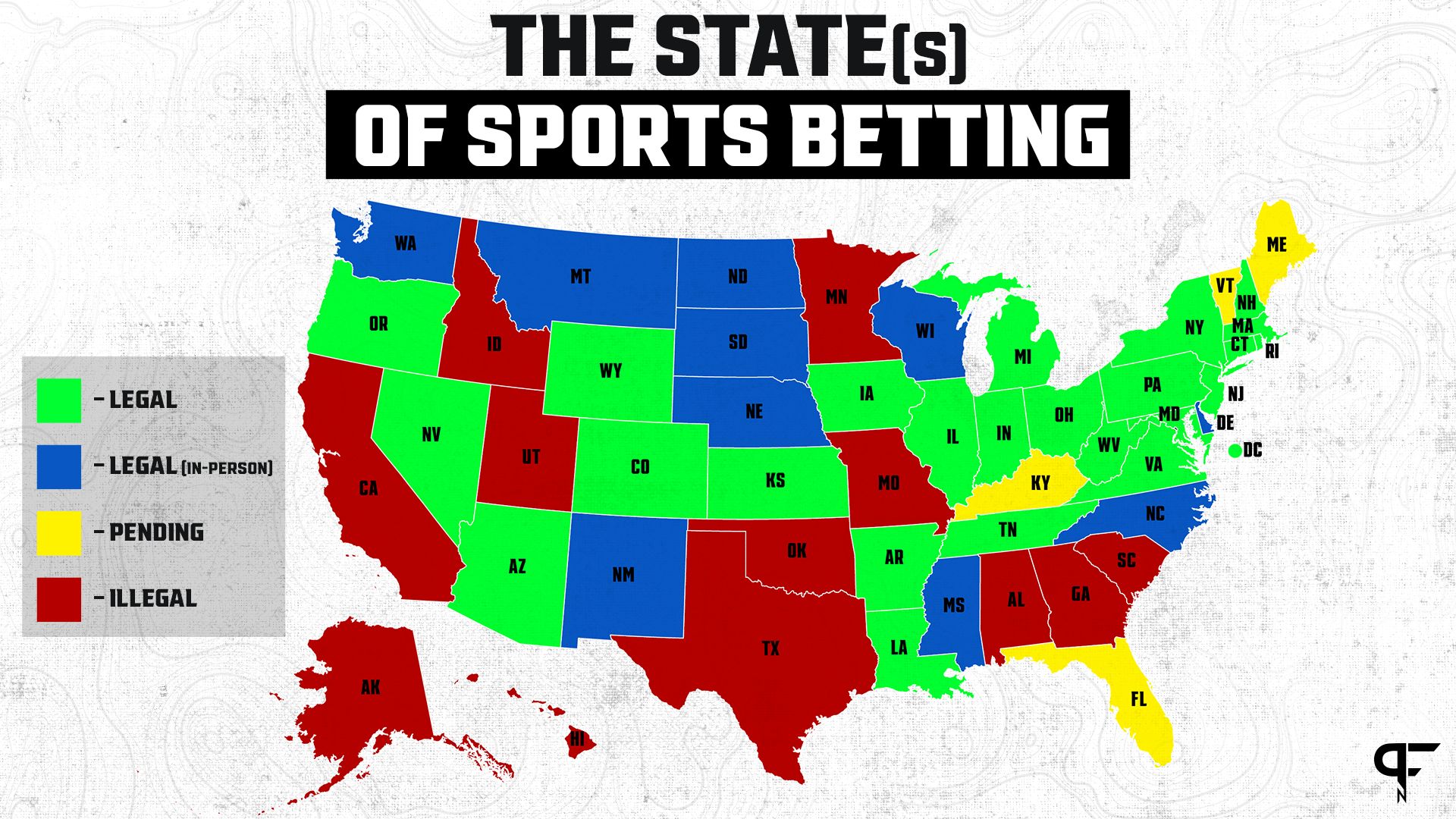
It is also important to acknowledge the negative economic externalities associated with widespread gambling. Problem gambling can lead to personal bankruptcy, loss of productivity, and increased social service costs. States that allow casinos are increasingly reinvesting a portion of their gaming tax revenue into “Responsible Gaming” funds. From a macro-economic standpoint, these programs are a necessary hedge against the social costs that could otherwise diminish the net financial gain of legalized gambling.
In conclusion, the question of “what states allow casinos” is no longer a simple list but a complex map of the American financial landscape. The expansion of gaming reflects a broader trend of states seeking innovative ways to fund public services and stimulate private investment. As the industry evolves—integrating digital platforms and new technologies—the financial interplay between the consumer, the corporation, and the state will continue to be a primary driver of economic policy across the United States.
aViewFromTheCave is a participant in the Amazon Services LLC Associates Program, an affiliate advertising program designed to provide a means for sites to earn advertising fees by advertising and linking to Amazon.com. Amazon, the Amazon logo, AmazonSupply, and the AmazonSupply logo are trademarks of Amazon.com, Inc. or its affiliates. As an Amazon Associate we earn affiliate commissions from qualifying purchases.