
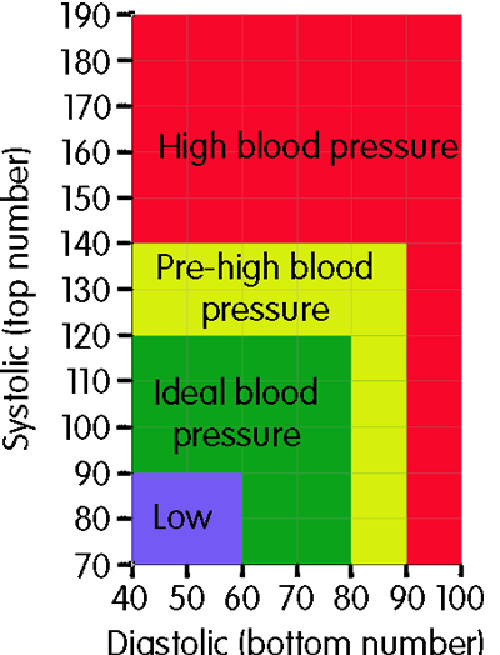
For decades, the definition of “normal” blood pressure was a static set of numbers—120/80 mmHg—scrawled on a chart during an annual physical. However, the integration of advanced technology into the medical field has fundamentally transformed this perspective. In the modern era, “normal” is no longer a universal constant but a dynamic data point monitored in real-time through sophisticated software, wearable sensors, and artificial intelligence. The question of what blood pressure should be is now inextricably linked to the technology we use to measure, interpret, and manage it.
From Manual Cuffs to Wearable Precision: The Evolution of Monitoring Tech
The shift from the traditional sphygmomanometer used in clinical settings to consumer-grade digital devices has democratized health data. This evolution is driven by significant breakthroughs in sensor technology and miniaturization, allowing for a more granular understanding of cardiovascular health.
The Rise of PPG and Oscillometric Sensors
Most modern consumers are familiar with optical heart rate sensors found in smartwatches, which use Photoplethysmography (PPG). While PPG was initially limited to heart rate and blood oxygen levels, recent software iterations have begun to estimate blood pressure through pulse wave analysis. By measuring the time it takes for a blood volume pulse to travel from the heart to the peripheral limbs—known as Pulse Transit Time (PTT)—algorithms can now provide a directional view of a user’s blood pressure without the need for an inflatable cuff.
Simultaneously, we are seeing the miniaturization of traditional oscillometric tech. Devices like the Omron HeartGuide have managed to pack an entire inflatable bladder into a wrist-worn form factor. This allows for clinical-grade accuracy in a gadget that looks like a standard smartwatch, bridging the gap between medical reliability and everyday convenience.
Integration with AI for Predictive Analytics
The hardware is only half the story. The true innovation lies in the software layers that process this raw biometric data. Artificial Intelligence (AI) models are now trained on millions of data points to identify what “normal” looks like for a specific individual based on their activity levels, sleep patterns, and stress markers. Instead of comparing a user against a global average, AI-driven platforms create a personalized baseline. When a reading deviates from this algorithmic norm, the system can flag potential issues long before they manifest as symptomatic hypertension.
The Role of Big Data in Redefining “Normal”
The concept of “normal” is being redefined by the sheer volume of data generated by connected devices. When blood pressure is measured once a year at a doctor’s office, the results are susceptible to “white coat hypertension”—a spike in pressure due to the stress of the clinical environment. Technology solves this through continuous or frequent monitoring, providing a much more accurate longitudinal view of cardiovascular health.
How Algorithms Are Personalizing Baselines
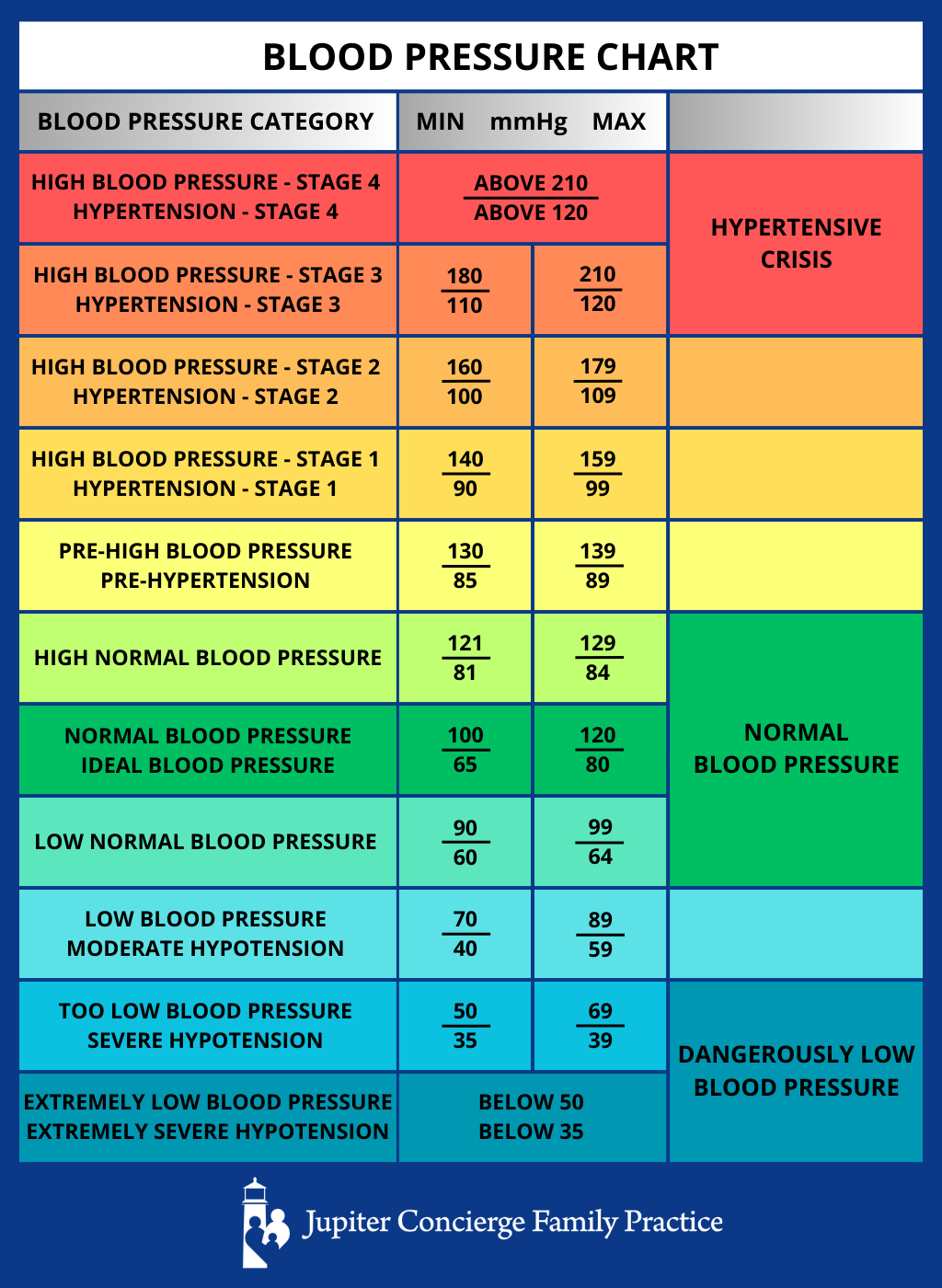
Modern health suites, such as those developed by Apple, Google, and Samsung, utilize machine learning to account for the “noise” in health data. For instance, a blood pressure reading of 135/85 might be considered “pre-hypertensive” by traditional standards. However, if an AI analyzes a user’s digital footprint and sees that the reading was taken immediately after a high-intensity workout or during a high-stakes video conference, it can categorize the spike as a normal physiological response rather than a chronic health risk.
By utilizing “context-aware” computing, technology is shifting the goalposts. Normalcy is now defined by the stability of a trend line rather than an isolated snapshot. This shift reduces false positives and allows for more targeted interventions.
Remote Patient Monitoring (RPM) and Real-Time Data Streams
In the enterprise and clinical tech space, Remote Patient Monitoring (RPM) platforms are revolutionizing chronic disease management. These software ecosystems allow patients to sync their home-measured vitals directly with their healthcare provider’s dashboard. Through secure cloud infrastructure, data is transmitted in real-time, allowing for “exception-based reporting.” If a patient’s software detects a trend toward hypertension over a period of 48 hours, an automated alert is triggered for the clinician. This proactive approach ensures that the definition of “normal” is constantly guarded by an invisible, digital safety net.
The Intersection of Digital Health Apps and Preventive Care
The software on our smartphones has become the primary interface for managing blood pressure. These apps do more than just store numbers; they act as behavioral engines that drive users toward healthier cardiovascular outcomes through sophisticated UI/UX and data visualization.
Gamification and Behavioral Software
One of the most effective trends in health tech is the gamification of vital monitoring. Apps like Welltory or MyFitnessPal integrate blood pressure data with lifestyle tracking to show users the direct impact of their habits. When a user sees a digital correlation between a high-sodium meal and a subsequent rise in their blood pressure readings, the feedback loop is immediate.
Software developers are using psychological triggers—such as “streaks,” badges, and social sharing—to encourage users to maintain their monitoring routines. This tech-driven engagement ensures that users remain within their “normal” range by making the maintenance of health a more interactive and rewarding experience.
Interoperability: Syncing Stats Across Ecosystems
A significant hurdle in digital health has been “data silos,” where information from a smart scale doesn’t talk to the blood pressure cuff or the fitness tracker. However, the rise of unified frameworks like Matter and improved APIs (Application Programming Interfaces) is fostering an era of total interoperability.
When a user’s blood pressure data is allowed to flow freely (with consent) between their nutrition app, their sleep tracker, and their medical records, a holistic picture of health emerges. This ecosystem-wide view allows the software to identify complex correlations—such as how poor sleep quality (tracked by a smart ring) leads to elevated morning blood pressure (measured by a connected cuff).
Cybersecurity and Privacy in the Age of Connected Vitals
As our blood pressure data migrates from paper charts to the cloud, the technological focus must shift toward the security of this highly sensitive biometric information. Defining “normal” blood pressure is a moot point if the data used to determine it is compromised or manipulated.
Protecting Sensitive Biometric Data
Medical identity theft and biometric hacking are burgeoning threats. Technology firms are responding by implementing end-to-end encryption for all health data transmissions. Advanced gadgets now utilize “on-device processing,” where the AI analysis happens locally on the smartphone’s secure enclave rather than on a remote server. This minimizes the attack surface for hackers.
Furthermore, the implementation of Multi-Factor Authentication (MFA) and biometric locks (FaceID or fingerprint scanning) on health apps ensures that only the authorized user can access their cardiovascular history. As we move toward more integrated tech, the robustness of a platform’s security architecture becomes a key metric in its effectiveness as a health tool.
The Future of Decentralized Health Records
Blockchain technology is being explored as a method for managing health data. By using a decentralized ledger, patients can maintain “sovereignty” over their blood pressure readings. Instead of a hospital owning the data, the user grants temporary, encrypted access to their records. This ensures that the history of what is “normal” for that individual remains untampered and portable across different technological ecosystems and geographical borders.
The Future of Hypertension Management: AI-Powered Interventions
Looking forward, the technology surrounding blood pressure will move beyond monitoring and into the realm of autonomous intervention and hyper-personalized health optimization.
Non-Invasive Continuous Monitoring
The “holy grail” of health tech is continuous, non-invasive blood pressure monitoring. Current research into “transdermal optical imaging” uses smartphone cameras to detect minute changes in blood flow on the face to estimate blood pressure. As these sensors become more refined, we will reach a point where “monitoring” happens passively in the background of our lives. Your smart mirror or laptop camera could potentially analyze your vitals as you start your day, providing a frictionless way to ensure you are within your healthy “normal” range.

The Roadmap to Autonomous Health Optimization
We are entering the era of the “Digital Twin.” This tech concept involves creating a virtual model of a person’s cardiovascular system based on their real-time data. By running simulations on this digital twin, AI can predict how specific changes—such as a new exercise software program or a change in diet—will affect the user’s blood pressure weeks in advance.
This predictive power transforms “normal” from a reactive goal into a proactive management strategy. The future of blood pressure isn’t about hitting a specific number on a scale once; it’s about leveraging a sophisticated stack of hardware, software, and AI to maintain an optimized cardiovascular state through constant, invisible technological oversight. In this context, what blood pressure should be is ultimately a question of how effectively we can harness the technology at our fingertips to personalize our health.
aViewFromTheCave is a participant in the Amazon Services LLC Associates Program, an affiliate advertising program designed to provide a means for sites to earn advertising fees by advertising and linking to Amazon.com. Amazon, the Amazon logo, AmazonSupply, and the AmazonSupply logo are trademarks of Amazon.com, Inc. or its affiliates. As an Amazon Associate we earn affiliate commissions from qualifying purchases.