
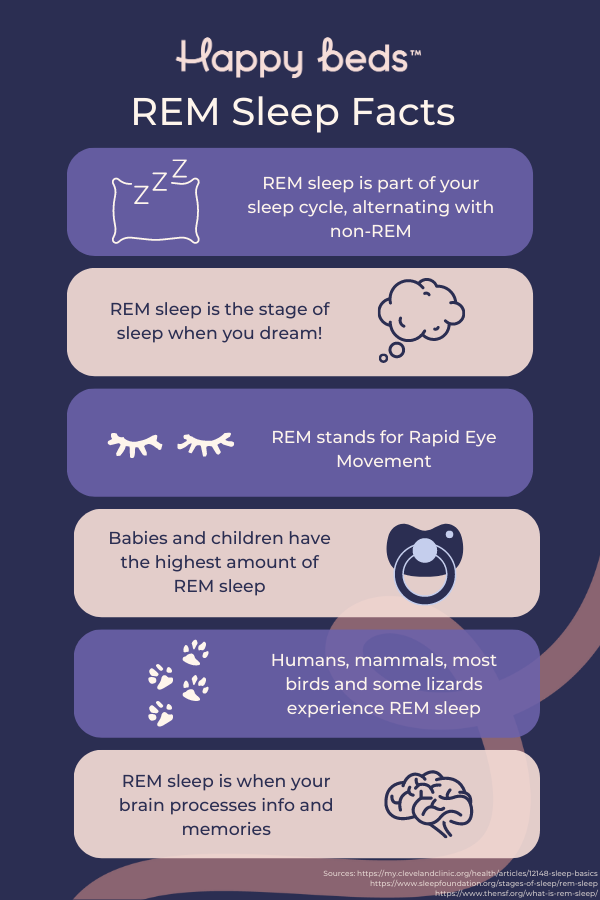
For decades, the third of our lives spent in slumber was a “black box”—a period of biological downtime that remained largely inaccessible to the average person. Among the various stages of sleep, Rapid Eye Movement (REM) has always been the most enigmatic. Often referred to as “active sleep” or “paradoxical sleep,” REM is the stage where the brain is nearly as active as it is during wakefulness, yet the body remains in a state of temporary paralysis.
In the modern era, the mystery of REM sleep is being unraveled not just by neurologists in clinical labs, but by engineers and software developers. Through the lens of wearable technology, artificial intelligence, and ambient sensing, we can now quantify, analyze, and optimize this critical cognitive recovery phase. Understanding what REM sleep is today requires a deep dive into the hardware and software that make our nocturnal biometrics visible.
The Mechanics of REM: A Biometric Perspective
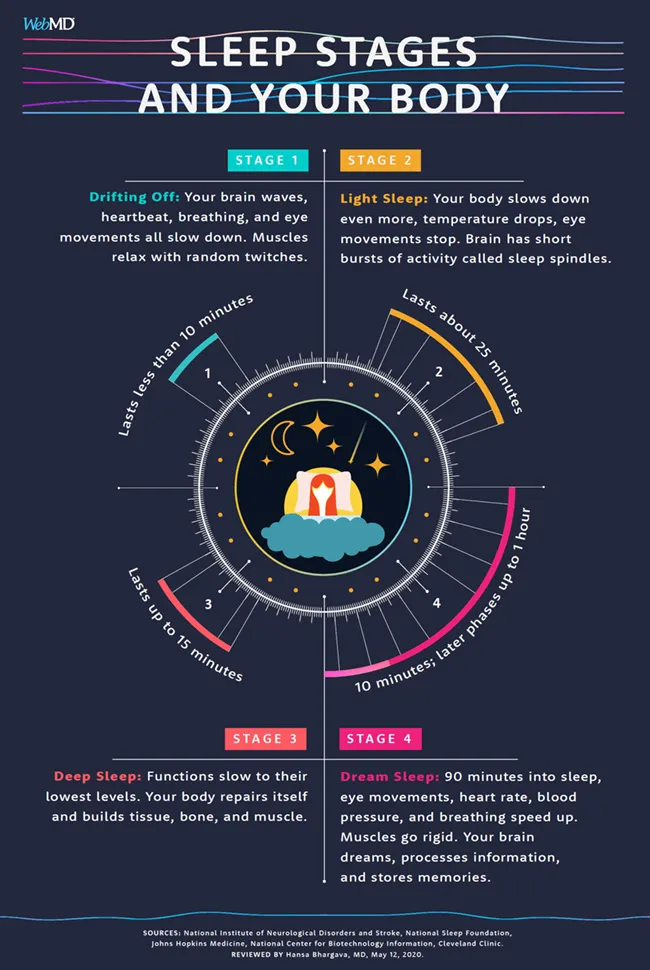
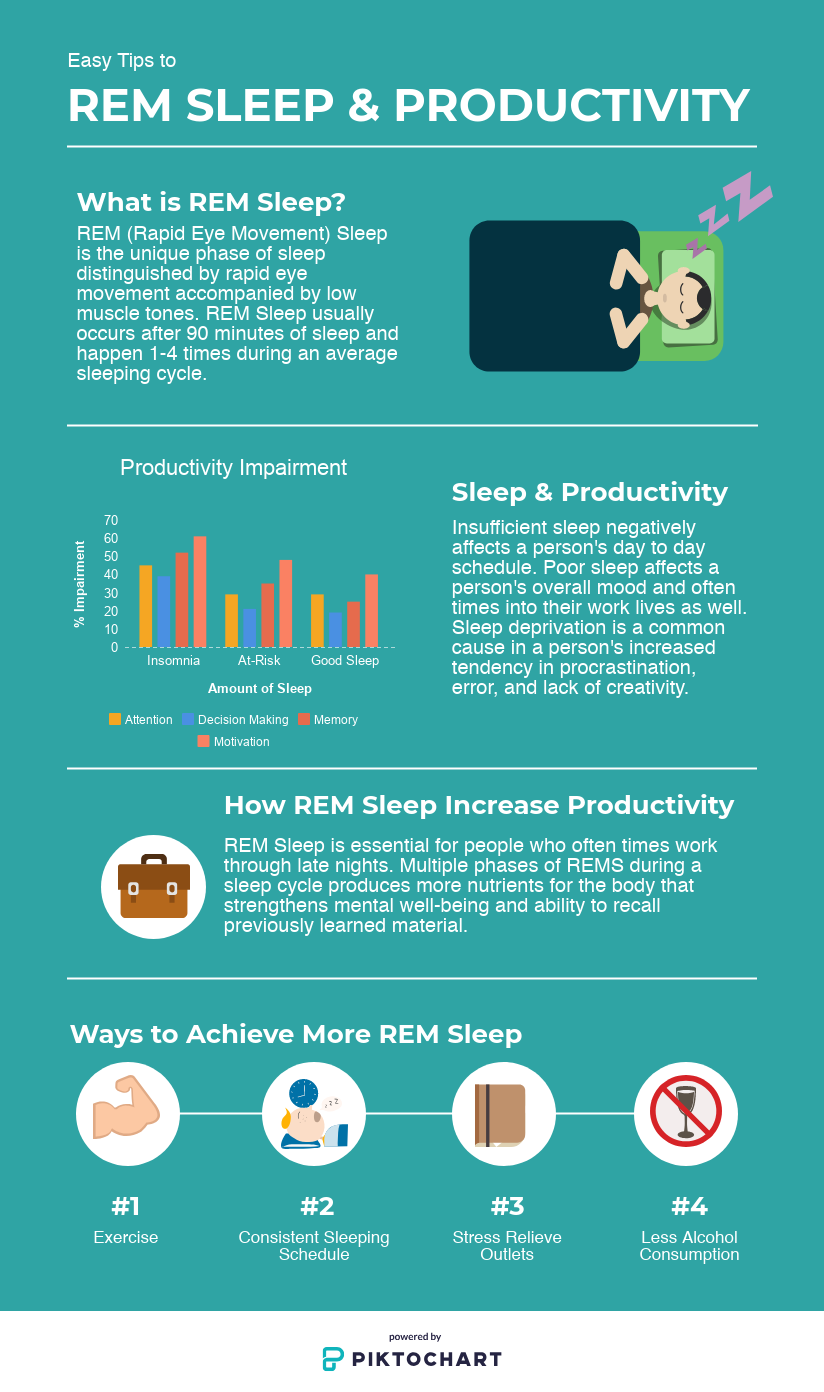
REM sleep typically occurs about 90 minutes after you fall asleep. It is characterized by rapid side-to-side movement of the eyes, increased heart rate, and brain wave activity that mimics a waking state. From a technological standpoint, detecting REM requires monitoring a specific suite of physiological signals that differentiate it from light sleep (Stage 1 and 2) and deep sleep (Slow Wave Sleep).
The Physiology of the “Active” Brain
During REM, the brain processes emotions, consolidates memories, and stimulates the regions responsible for learning. While the brain is hyperactive, the body enters a state of atonia—a strategic paralysis of the voluntary muscles. This prevents us from “acting out” our dreams. Tech-driven sleep trackers utilize this physiological dichotomy to identify the stage. They look for the intersection of high heart rate variability (HRV) and a total lack of physical movement detected by sensitive accelerometers.
Why REM Accuracy Matters in Tech
For software developers building health platforms, accurately identifying REM is the “holy grail” of sleep tracking. Unlike deep sleep, which is largely about physical restoration and tissue repair, REM is about cognitive maintenance. If a wearable device can accurately pinpoint a lack of REM, it can provide actionable data regarding a user’s mental health, creative capacity, and stress levels. This data is the foundation of the “Sleep Score” features found in flagship devices from companies like Apple, Oura, and Whoop.
The Hardware Revolution: From Medical Labs to Consumer Wearables
Historically, the only way to accurately measure REM sleep was through Polysomnography (PSG) in a clinical setting. This involves a complex array of EEG (brain waves), EOG (eye movements), and EMG (muscle activity) sensors. However, the tech industry has successfully miniaturized these capabilities, moving from bulky hospital equipment to sleek, consumer-grade gadgets.
Photoplethysmography (PPG) and Optical Sensors
The primary tool in modern wearables is the PPG sensor. By shining green or infrared light into the skin and measuring the light refraction, devices can track blood flow. Sophisticated algorithms translate these pulses into heart rate and heart rate variability (HRV) data. During REM sleep, the autonomic nervous system becomes more erratic, causing fluctuations in heart rate that the PPG sensor picks up as a signature of the REM state.
Actigraphy and 3-Axis Accelerometers
While PPG monitors the heart, accelerometers monitor movement. High-end wearables use 3-axis gyroscopes and accelerometers to detect even the slightest micro-movements. Because REM is defined by muscle atonia, the hardware looks for a specific “flatline” in movement data combined with the aforementioned cardiac activity. The synergy between these two hardware components allows consumer devices to reach up to 70-80% accuracy compared to clinical PSG gold standards.
The Rise of Near-Field Sensing
Beyond wearables, a new generation of “contactless” sleep tech is emerging. Companies like Withings and Google (with the Nest Hub) utilize low-power radar (Soli tech) or under-mattress pressure sensors. These devices use radio frequency to detect the rise and fall of the chest (respiration) and movement without the user needing to wear a device. For many, this represents the future of sleep tech: invisible, frictionless, and data-rich.
AI and Machine Learning: Interpreting the REM Signal
Raw data from a sensor is just noise until it is processed by an algorithm. The “what” of REM sleep is increasingly defined by machine learning models that have been trained on millions of hours of sleep data.
Signal-to-Noise Ratio and Data Cleaning
The human body is “noisy.” A user might roll over, have a brief spike in heart rate due to a dream, or experience a temporary sensor misalignment. Modern sleep software uses neural networks to filter out this noise. By comparing a user’s current biometric baseline against historical data, the AI can make an educated “guess” on when the user transitioned from Light Sleep into REM.
Predictive Analytics and Sleep Coaching
The most advanced software doesn’t just tell you how much REM sleep you had; it predicts how you will function the next day. AI models now correlate REM duration with cognitive load. If the software detects a 20% drop in REM sleep, it may trigger an automated suggestion to avoid complex tasks or increase caffeine intake strategically. This shift from descriptive analytics (what happened) to prescriptive analytics (what to do) is where the technology is currently focused.
The “Black Box” of Proprietary Algorithms
It is important to note that every tech company uses a different algorithmic “recipe.” Apple’s Sleep Stages, Garmin’s Firstbeat Analytics, and Oura’s proprietary sleep staging algorithm will often produce slightly different results from the same night of sleep. This is because each software interprets the hierarchy of biometrics—prioritizing HRV, respiratory rate, or movement—differently.
The Smart Bedroom Ecosystem: Optimizing Deep Recovery
The tech industry isn’t just focused on measuring REM; it’s focused on engineering the environment to maximize it. The “Smart Bedroom” is an integrated ecosystem of IoT (Internet of Things) devices designed to protect the REM cycle from interruption.
Thermal Regulation and Smart Mattresses
One of the primary disruptors of REM sleep is body temperature. As the body enters REM, its ability to thermoregulate decreases. Smart mattresses and cooling pads, such as those from Eight Sleep or Sleep Number, use liquid cooling and thermal sensors to dynamically adjust the bed’s temperature. By keeping the body at an optimal cool temperature, these devices help “anchor” the user in REM sleep for longer periods, preventing premature wake-ups.
Circadian Lighting and Blue Light Filters
Software-level integrations like “Night Shift” on iOS or “Night Light” on Android are designed to protect the onset of the sleep cycle. By shifting the color temperature of screens to the warmer end of the spectrum, these tools reduce the suppression of melatonin. Furthermore, smart lighting systems like Philips Hue can be programmed to simulate a sunset, triggering the biological cues necessary to transition into the deep and REM stages effectively.
Soundscapes and Active Noise Cancellation
Ambient tech, such as “Sleep Buds” or white noise machines with AI-driven sound masking, plays a vital role in REM preservation. Since the brain is highly active during REM, it is more susceptible to being woken up by external noises. Modern sound-masking software analyzes the ambient noise in a room and generates counter-frequencies to neutralize disruptions, effectively shielding the REM cycle.
The Future of Sleep Tech: Brain-Computer Interfaces and Beyond
As we look toward the next decade, the technology surrounding REM sleep is moving toward direct brain interaction. We are moving away from inferring sleep stages through the wrist and toward measuring them—and influencing them—at the source.
Non-Invasive Brain Stimulation
Startups are currently experimenting with wearable headbands that use transcranial Alternating Current Stimulation (tACS) or bone-conduction audio to “deepen” sleep stages. By emitting specific frequencies that resonate with the brain’s natural rhythms during REM, these devices aim to enhance memory consolidation and even trigger lucid dreaming—a state where the user becomes aware they are dreaming.
The Ethics of Sleep Surveillance
With the advent of highly accurate REM tracking comes the question of data privacy. Sleep data is some of the most intimate information a human can generate. It reveals patterns of stress, alcohol consumption, pregnancy, and potential neurological disorders like Parkinson’s (which often manifests first through REM behavior disorders). As the tech matures, the industry must grapple with how this data is stored, encrypted, and potentially shared with health insurers or employers.
Closing the Loop: The Fully Autonomous Sleep Environment
The ultimate goal of sleep technology is a “closed-loop” system. Imagine a bedroom where the wearable detects a drop in REM quality in real-time, signals the HVAC system to drop the temperature by two degrees, adjusts the firmness of the mattress, and initiates a subtle haptic vibration to reposition the sleeper—all without the user ever waking up.
REM sleep is no longer a passive state we simply hope to get enough of. Through the integration of advanced sensors, machine learning, and IoT ecosystems, it has become a manageable, optimizable metric. As technology continues to bridge the gap between the medical lab and the bedroom, our understanding of “what” REM sleep is will only become more precise, turning the “black box” of the night into a blueprint for better health.
aViewFromTheCave is a participant in the Amazon Services LLC Associates Program, an affiliate advertising program designed to provide a means for sites to earn advertising fees by advertising and linking to Amazon.com. Amazon, the Amazon logo, AmazonSupply, and the AmazonSupply logo are trademarks of Amazon.com, Inc. or its affiliates. As an Amazon Associate we earn affiliate commissions from qualifying purchases.