
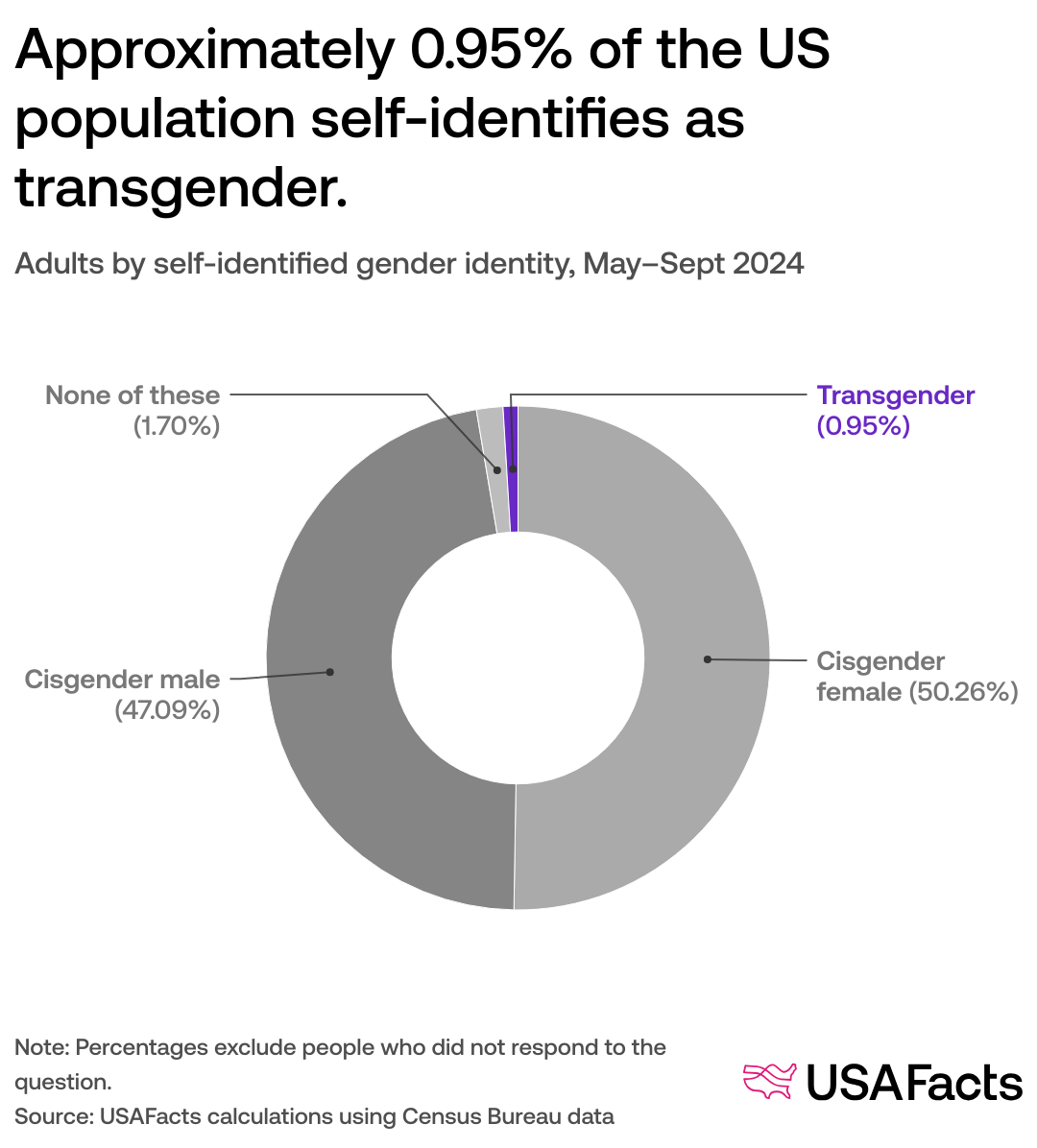
In the realm of modern brand strategy, data is more than just a collection of numbers; it is a roadmap for cultural relevance. When business leaders and marketing executives ask, “what percentage of the U.S. population is transgender,” they are rarely looking for a simple demographic tally. Instead, they are seeking to understand the evolving landscape of identity in America and how that shift impacts brand loyalty, corporate identity, and market segmentation. According to recent data from the Williams Institute and Pew Research Center, approximately 0.6% to 1.6% of U.S. adults identify as transgender or non-binary. While this may seem like a small segment of the total population, the strategic implications for brands are disproportionately large, particularly when looking at younger consumer cohorts.
Understanding the Demographic Shift in Brand Strategy
For a brand to remain relevant, its strategy must align with the lived realities of its audience. The data surrounding the transgender population in the U.S. reveals a significant generational divide. While the overall percentage of the population is around 1.6% when including all adults, that number jumps significantly among Gen Z and Millennials. Reports indicate that as many as 5% of adults under the age of 30 identify as transgender or non-binary. For brand strategists, this is a critical indicator of future market trends.
The Power of the Gen Z Demographic
Gen Z is currently the most influential consumer group, not just because of their direct spending power, but because of their ability to dictate social trends and brand sentiment. When a brand looks at the percentage of the population that is transgender, it is looking at a key component of Gen Z’s internal community and social circle. For this generation, inclusivity is not an “add-on” feature; it is a baseline expectation. A brand strategy that fails to acknowledge gender diversity risks alienating not just the 5% of young adults who identify as gender-diverse, but the vast majority of their peers who view inclusivity as a non-negotiable value.
Data-Driven Market Segmentation
Successful brand strategy relies on precise market segmentation. In the past, gender was treated as a binary variable in CRM (Customer Relationship Management) systems and marketing personas. However, the rising percentage of the population identifying outside the traditional binary has forced a pivot toward more nuanced segmentation. Strategists are moving away from “Male/Female” targeting toward “Identity-Based” or “Values-Based” targeting. This shift allows brands to create more personalized experiences that resonate with a consumer’s sense of self, fostering a deeper emotional connection than traditional demographic targeting ever could.
Corporate Identity and the Authenticity Gap
As the visibility of the transgender community increases, many corporations have attempted to integrate inclusive messaging into their brand identity. However, there is a stark difference between performative marketing and a core corporate identity that values diversity. The “Authenticity Gap” occurs when a brand’s external messaging does not align with its internal policies or its historical actions.
Moving Beyond “Rainbow Washing”
The term “rainbow washing” has become a cautionary tale in brand strategy. It refers to the practice of using LGBTQ+ imagery during Pride Month without making substantive changes to corporate culture or supporting the community throughout the rest of the year. For brands looking to engage with the 1.6 million transgender adults in the U.S., authenticity is the only currency that matters. This means moving beyond aesthetic changes to a logo and instead focusing on internal policy, such as providing gender-affirming healthcare benefits for employees or ensuring that supply chains are ethically managed.
Case Studies in Representative Marketing
Several brands have successfully navigated this landscape by making inclusivity a central pillar of their corporate identity. For example, Mastercard’s “True Name” initiative allowed transgender and non-binary individuals to use their chosen names on their credit cards without requiring a legal name change. This was not just a marketing campaign; it was a structural change to the product that solved a real-world pain point for a specific demographic. By addressing the needs of a small percentage of the population, Mastercard signaled to the entire market that it is an innovative, empathetic, and forward-thinking brand. This is the essence of high-level brand strategy: solving for the few to win the respect of the many.
The Economic Impact of the “Inclusion Premium”

In business finance and brand management, the “Inclusion Premium” refers to the increased brand equity and market share gained by companies that lead in diversity and inclusion. While the transgender population represents a specific demographic, the economic impact of inclusive branding extends to “allies”—the friends, family, and colleagues who prioritize spending their money with brands that share their social values.
Brand Equity and Consumer Loyalty
Brand equity is built on trust and recognition. In a hyper-competitive market, consumers are increasingly using their purchasing power as a form of social activism. When a brand demonstrates a deep understanding of the transgender community’s unique challenges and triumphs, it builds a level of loyalty that is difficult for competitors to disrupt. This loyalty translates into a lower churn rate and a higher lifetime value (LTV) per customer. For a brand, the cost of acquiring a new customer is significantly higher than retaining an existing one; therefore, building a brand identity that fosters a sense of belonging is a sound financial strategy.
Navigating the Risk of Backlash
It would be a strategic oversight not to mention the complexities of navigating today’s polarized social climate. Some brands have faced significant backlash from conservative consumer segments when highlighting transgender individuals in their marketing. However, a robust brand strategy involves calculating these risks against long-term growth. Brands that “flip-flop” or apologize for their inclusive messaging often suffer more damage than those that stand firm. Retracting a campaign signals a lack of conviction, which erodes trust across all demographics. A well-defined brand identity should be resilient enough to withstand temporary cultural friction in favor of long-term alignment with emerging demographic realities.
Inclusive Design and User Experience (UX)
Brand strategy is not limited to advertising; it extends to the very products and digital interfaces a company provides. As the percentage of the population identifying as transgender grows, the demand for gender-neutral and inclusive design has followed suit.
Product Development for Diverse Identities
From fashion to personal care, brands are rethinking product development. We are seeing a rise in “gender-neutral” apparel lines and skincare products that focus on skin type rather than gendered marketing. This is a strategic move to de-clutter the brand portfolio and appeal to a broader audience. By removing gendered barriers to entry, brands can streamline their operations while appearing more inclusive. This is an example of where operational efficiency meets brand positioning.
Digital Inclusivity and User Interface
In the digital space, the user experience is a direct reflection of the brand’s values. When a website or app requires a user to select a gender from a binary list, it immediately creates a friction point for transgender and non-binary users. Brands that are leading in digital security and UX are implementing more flexible data collection methods. This includes offering “prefer not to say” options, open text fields, or simply removing gender as a required field when it is not essential to the service. These small design choices are powerful touchpoints that reinforce the brand’s commitment to inclusivity at every stage of the customer journey.
Future-Proofing the Brand Through Data-Driven Insights
The question of what percentage of the U.S. population is transgender is ultimately a question about the future. All signs point to a continued increase in visibility and self-identification as younger generations age into the primary consumer demographic. For a brand, future-proofing means staying ahead of these shifts rather than reacting to them.
Long-Term Strategic Planning
Brand strategists must look at demographic data through a 10-to-20-year lens. If 5% of Gen Z identifies as transgender or non-binary today, that group will eventually hold significant leadership roles and purchasing power in the decades to come. Companies that fail to adapt their brand strategy now will find themselves struggling to gain a foothold with the decision-makers of the future. The brands that will dominate the market in 2040 are those that are currently doing the work to understand, respect, and integrate diverse identities into their core DNA.

The Role of Leadership in Branding
Finally, brand strategy is a top-down endeavor. For a brand to successfully navigate the nuances of gender diversity, its leadership must be educated on the data and the human stories behind the percentages. This involves fostering a corporate culture where diversity is viewed not as a compliance requirement, but as a strategic advantage. When a brand’s leadership is committed to these values, it permeates every marketing campaign, every product launch, and every customer interaction.
In conclusion, while the percentage of the U.S. population that identifies as transgender is a specific metric, its influence on brand strategy is expansive. It serves as a litmus test for a brand’s ability to adapt to a changing world. By moving beyond the numbers and focusing on the values of authenticity, inclusive design, and long-term equity, brands can build a legacy that resonates across all demographics, creating a sense of belonging that transcends simple market transactions. The most successful brands of the future will not just be those that know the data, but those that understand how to use that data to build a more inclusive and empathetic world.
aViewFromTheCave is a participant in the Amazon Services LLC Associates Program, an affiliate advertising program designed to provide a means for sites to earn advertising fees by advertising and linking to Amazon.com. Amazon, the Amazon logo, AmazonSupply, and the AmazonSupply logo are trademarks of Amazon.com, Inc. or its affiliates. As an Amazon Associate we earn affiliate commissions from qualifying purchases.