
In the high-stakes world of global entertainment, the question of “what movies are funny” is rarely left to chance. While an audience member might view a comedy as a spontaneous burst of joy or a relatable sequence of mishaps, industry professionals view humor as a meticulously crafted brand asset. From the writing room to the marketing suite, “funny” is a strategic positioning tool used to differentiate a product in a saturated market, build long-term brand equity, and foster an emotional connection with a target demographic that transcends simple transactional consumption.
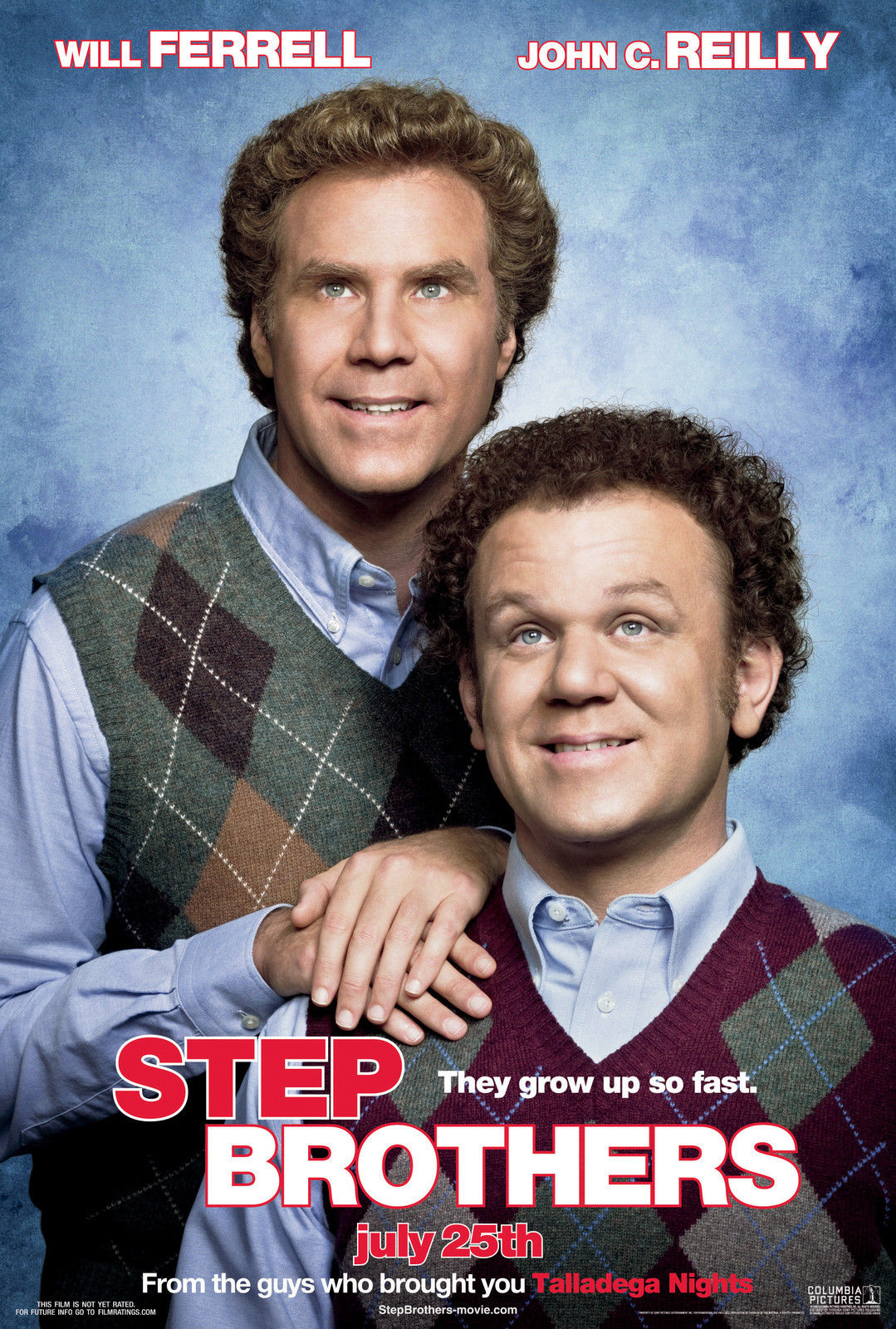
The success of a comedic film is often a testament to the strength of its brand identity. Whether it is the subversive, meta-commentary of a Ryan Reynolds vehicle or the heart-warming, family-centric humor of a Pixar release, the “funny” is the brand promise. Understanding the mechanics of this branding is essential for anyone looking to master the art of corporate identity, marketing, and strategic storytelling.
The Brand Identity of the “Funny” Movie
At its core, a comedy film functions as a brand. For a brand to be successful, it must possess a clear identity that signals to the consumer exactly what kind of experience they are going to have. In the context of cinema, “what movies are funny” is answered by the brand archetypes the films embody.
The Jester Archetype in Modern Cinema
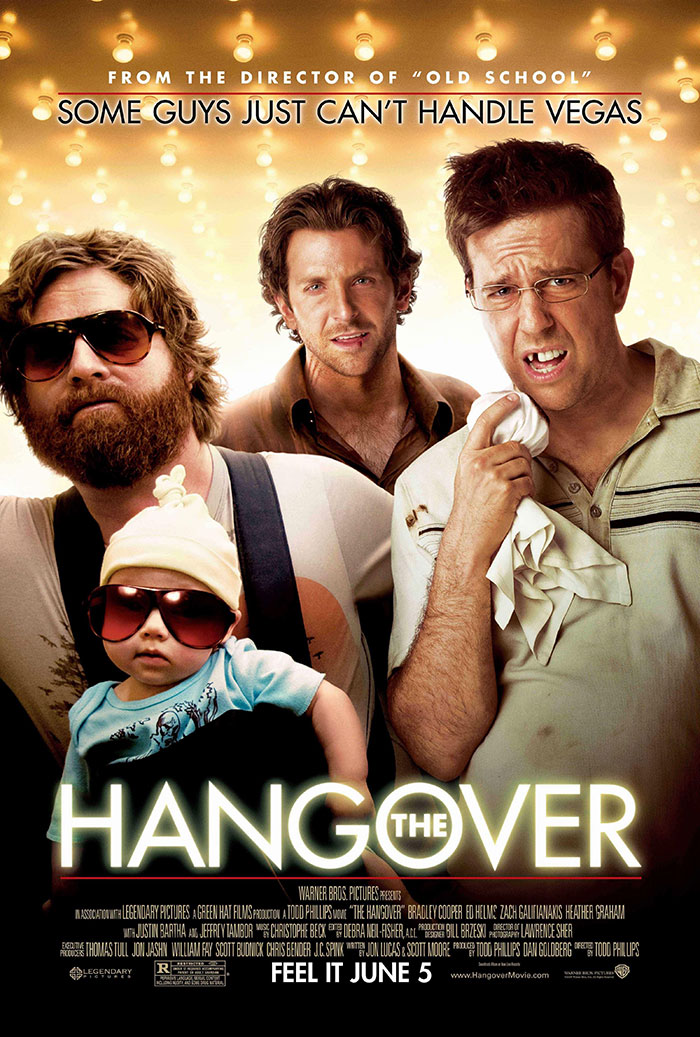
In branding theory, the “Jester” archetype is defined by a desire to live in the moment with full enjoyment. This is the primary archetype for most comedy films. However, how a movie brands its “Jester” persona determines its market position. For instance, a film like The Hangover established a brand of “controlled chaos” and “fraternal loyalty.” Its marketing strategy leaned heavily into the “what happened last night” mystery, creating a brand identity that was edgy, unpredictable, and aimed squarely at a demographic seeking escapism from the mundane.
Consistency and Brand Trust
For a movie brand to be perceived as “funny,” it must maintain internal consistency. If a film’s marketing promises a slapstick comedy but delivers a dark, cynical satire, the brand trust is broken. This is why successful comedy franchises—such as the Jump Street series—are so valuable. They establish a brand voice that the audience trusts. When viewers ask “what movies are funny,” they aren’t just looking for jokes; they are looking for a reliable brand experience. The consistency of the “funny” becomes a hallmark of the brand’s reliability, similar to how a consumer trusts a specific tech brand for its user interface or a luxury brand for its craftsmanship.
Case Studies in Comedic Brand Positioning
The landscape of modern cinema provides several masterclasses in how humor can be used to pivot, define, or save a brand. By analyzing specific films, we can see how the “funny” is engineered as a strategic marketing maneuver.
The Marvel Cinematic Universe: Humor as a Brand Differentiator
Perhaps the most successful example of humor as a brand strategy is the Marvel Cinematic Universe (MCU). Before the release of Iron Man in 2008, the superhero genre was largely defined by the dark, brooding tone of the X-Men or Batman films. Marvel made a strategic decision to infuse their films with a specific type of quippy, self-aware humor.
This was not just an artistic choice; it was a brand positioning move. By making their heroes funny, Marvel made them relatable and “human,” contrasting with the god-like, distant figures of their competitors. The “funny” became a key component of the Marvel brand DNA. When audiences ask what movies are funny within the action genre, Marvel’s brand immediately comes to mind because they have successfully associated “superhero” with “entertainment and levity.”
A24 and the “Prestige Comedy” Brand
On the opposite end of the spectrum is the independent studio A24. Their approach to “funny” movies, such as Lady Bird or The Disaster Artist, focuses on a brand identity of authenticity and quirkiness. A24 has built a corporate identity that serves as a “seal of approval” for a specific type of sophisticated humor. Their brand strategy targets a “tastemaker” demographic—young, urban, and digitally savvy viewers who find humor in realism and awkwardness. For A24, the “funny” is a tool for brand exclusivity.
The Marketing of Laughter: Viral Campaigns and Audience Engagement
A movie’s humor is only as effective as its reach. In the digital age, the marketing strategy for funny movies has shifted from traditional trailers to high-engagement, viral content. The goal is to prove the movie is funny before the audience ever steps into the theater.

The Deadpool Case Study: Radical Brand Reimagining
The marketing campaign for Deadpool is perhaps the gold standard for using humor in brand strategy. The film faced the challenge of being an R-rated superhero movie—a difficult sell for a genre typically aimed at younger audiences. The solution was a radical, humor-first brand campaign.
Deadpool didn’t just market a movie; he marketed a personality. From Tinder profiles to “12 Days of Deadpool” video content, the brand broke the fourth wall and engaged in self-deprecating humor. This strategy created an intense emotional bond with the audience. By the time the film was released, the question wasn’t if the movie was funny; the brand had already proven its comedic credentials through months of strategic, character-driven marketing. This is a prime example of “Brand Voice” being used to disrupt an entire industry.
Social Media and the “Meme-ability” Factor
In today’s market, “what movies are funny” is often decided on TikTok and X (formerly Twitter). Modern film marketing strategies now include the intentional creation of “meme-able” moments. Brands recognize that if a comedic beat can be repurposed into a five-second clip or a reaction GIF, the film’s brand reach expands exponentially. This is “organic” marketing facilitated by “strategic” content creation. The humor acts as the vehicle for the brand’s virality.
Strategic Humor: How Corporate Brands Learn from Cinema
The lessons learned from what makes movies funny can be directly applied to corporate brand strategy and personal branding. Humor, when used correctly, is one of the most effective ways to humanize a brand and lower consumer defenses.
Authenticity vs. Forced Humor
The biggest risk in using humor for a brand—whether it’s a movie or a software company—is the “uncanny valley” of forced humor. When a brand tries too hard to be funny without understanding its core identity, it comes across as “cringe.” Cinema teaches us that the funniest movies are those where the humor arises naturally from the characters and the situation.
For a corporate brand, this means that humor must be aligned with the brand’s values. A financial tool brand might use dry, observational humor about the complexities of taxes, while a lifestyle app might use high-energy, slapstick humor. The “funny” must be an extension of the brand’s authentic voice, not a mask worn to hide a lack of identity.
Risk Management and the “Pivot”
Comedy is subjective and inherently risky. A movie that tries to be funny and fails can damage the director’s or the studio’s brand for years. However, the entertainment industry also shows us how to manage this risk. Studios often use test screenings and data analytics to “tune” the humor of a film.
In the same way, brands should use A/B testing for humorous marketing campaigns. If a joke doesn’t land with a small segment of the audience, it can be adjusted before a global rollout. The strategic application of humor requires a balance of creative intuition and rigorous data analysis.
The Economics and Future of Funny Brands
The question of “what movies are funny” is also an economic one. Comedy is one of the most cost-effective genres in cinema. Unlike high-budget sci-fi or action films, comedies often rely on writing and performance rather than expensive CGI. This leads to a high Return on Investment (ROI), making the “Comedy Brand” a favorite for investors and studio executives.
The Rise of Data-Driven Comedy
As we move further into the age of AI and big data, the branding of humor is becoming increasingly scientific. Streaming platforms like Netflix use vast amounts of data to determine what movies are funny to specific audience segments. They analyze “re-watch” rates, “stop” points, and search queries to build a profile of what their users find humorous.
This data allows them to greenlight projects that have a high probability of success, effectively “engineering” a funny brand. For brand strategists outside of Hollywood, the lesson is clear: understanding your audience’s preferences and sense of humor is the key to creating content that resonates and sticks.
The Longevity of the Comedy Brand
Finally, the most successful funny movies are those that build long-term brand equity. Films like Mean Girls or The Big Lebowski have moved beyond being mere movies; they have become cultural brands with their own merchandise, fan conventions, and enduring social relevance. They achieved this by creating a unique “world” and a distinct “voice” that audiences want to return to again and again.
When a brand achieves this level of “funny,” it becomes a permanent part of the consumer’s lifestyle. In any industry—whether it’s tech, finance, or retail—the goal is the same: to create a brand that is not just used, but loved. Humor, as demonstrated by the world of cinema, is the most powerful tool we have to bridge that gap.
aViewFromTheCave is a participant in the Amazon Services LLC Associates Program, an affiliate advertising program designed to provide a means for sites to earn advertising fees by advertising and linking to Amazon.com. Amazon, the Amazon logo, AmazonSupply, and the AmazonSupply logo are trademarks of Amazon.com, Inc. or its affiliates. As an Amazon Associate we earn affiliate commissions from qualifying purchases.