
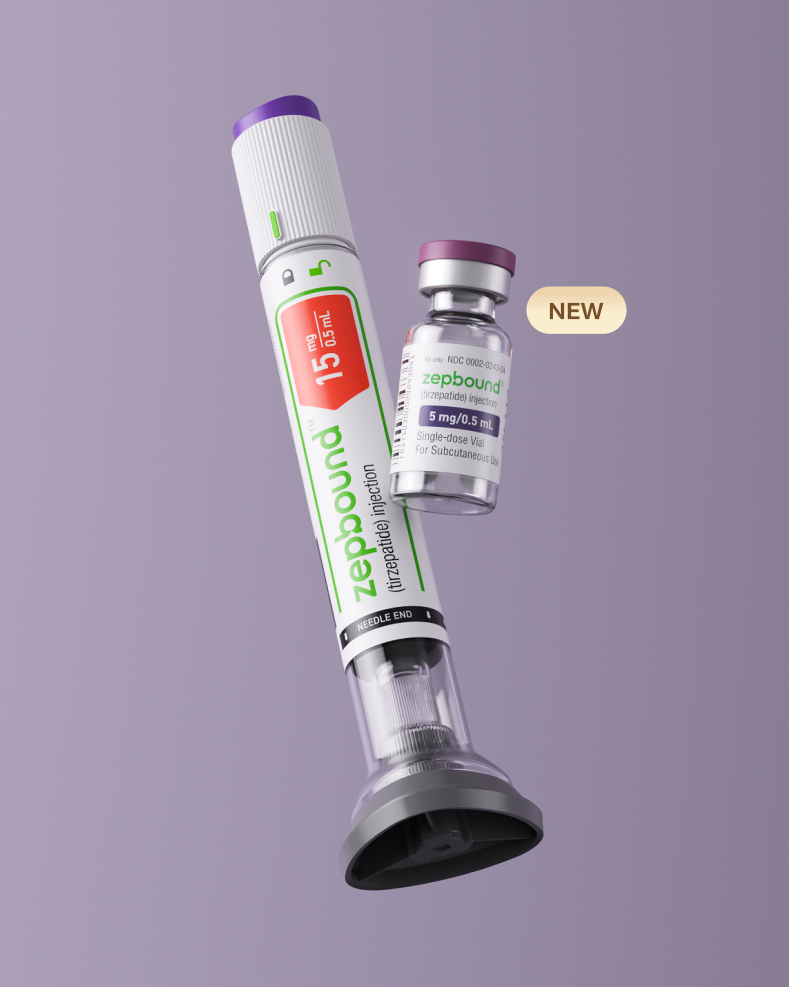
The pharmaceutical landscape is currently undergoing a seismic shift, driven by a new class of metabolic medications that are redefining both healthcare and personal finance. At the center of this revolution is Zepbound, a brand-name medication manufactured by Eli Lilly. While the medical community views it as a breakthrough for chronic weight management, the financial world views it as a significant market disruptor. Understanding what Zepbound is prescribed for is no longer just a matter of clinical necessity; it is a critical component of modern personal budgeting, insurance navigation, and institutional investment strategy.
The Economic Profile of Zepbound
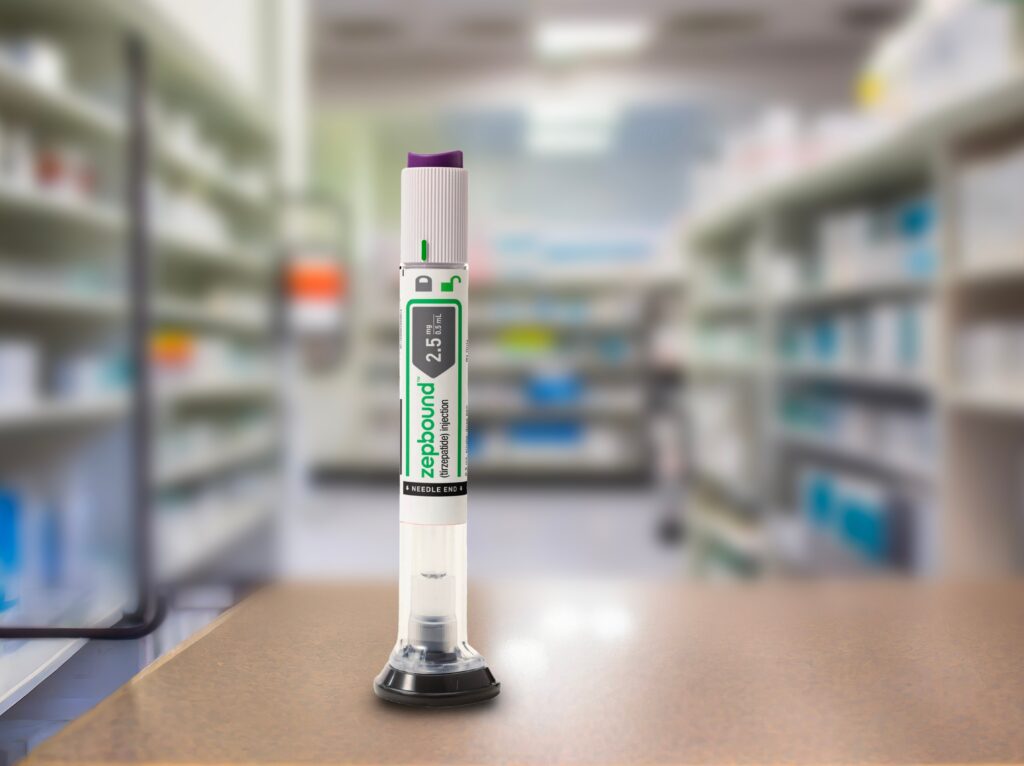
To understand the financial weight of Zepbound, one must first understand its pharmaceutical identity. Zepbound (tirzepatide) is a dual glucose-dependent insulinotropic polypeptide (GIP) and glucagon-like peptide-1 (GLP-1) receptor agonist. It is FDA-approved and prescribed for chronic weight management in adults with obesity (a BMI of 30 or greater) or those who are overweight (a BMI of 27 or greater) and have at least one weight-related medical condition, such as hypertension, type 2 diabetes, or high cholesterol.
The Business of Tirzepatide
From a corporate finance perspective, Zepbound represents the commercialization of tirzepatide for the weight-loss market, distinguishing it from Mounjaro, which is the same molecule marketed for type 2 diabetes. This branding strategy allows Eli Lilly to tap into two distinct payer markets. For investors, this dual-track approach has been a masterclass in market penetration, propelling Eli Lilly’s valuation to heights previously unseen in the pharmaceutical sector. The prescription of Zepbound isn’t just a clinical event; it is a data point in a multi-billion dollar industry growth chart.
Market Demand and Supply Chain Logistics
The demand for Zepbound has consistently outpaced supply, creating a unique economic environment where the product’s scarcity influences its price and the financial health of the company. For the consumer, this translates to “pharmacy hopping” and potential gaps in treatment, which can have cascading financial effects regarding wasted co-pays or the need to restart titration schedules at additional cost.
Personal Finance and the Cost of Access
For the individual, a Zepbound prescription is a significant line item in a monthly budget. With a list price hovering around $1,060 per month, the medication requires a sophisticated financial plan for the average household. The “out-of-pocket” reality for many Americans is a complex web of insurance coverage, manufacturer discounts, and tax-advantaged accounts.
Navigating Insurance and Prior Authorizations
The primary hurdle in the financial journey of a Zepbound user is insurance coverage. Many private insurers still categorize weight-loss medications as “lifestyle drugs,” a designation that often results in a flat denial of coverage. This forces patients to navigate the “prior authorization” process, which requires physicians to prove medical necessity. From a financial planning perspective, knowing whether Zepbound is covered under a specific Tier 2 or Tier 3 formulary can mean the difference between a $25 co-pay and a $1,000 monthly bill.
Leveraging Manufacturer Savings Cards
To bridge the gap between high list prices and consumer affordability, Eli Lilly offers a savings card program. For those with commercial insurance that covers Zepbound, the card can bring the price down significantly. Even for those whose insurance does not cover the drug, the savings card can often reduce the price by about 50%. However, these programs are temporary and subject to change, introducing a level of “benefit volatility” that requires users to maintain a financial buffer.
HSA and FSA Eligibility
One of the silver linings for Zepbound users is its eligibility for Health Savings Accounts (HSA) and Flexible Spending Accounts (FSA). Because Zepbound is prescribed for the treatment of a specific medical condition (obesity or overweight with comorbidities), the costs are considered a qualified medical expense. Utilizing pre-tax dollars to pay for Zepbound provides an immediate effective discount of 20% to 35%, depending on the individual’s tax bracket. This is a critical tool for anyone managing the long-term financial commitment of this medication.
Investing in the Future of Weight Management

The rise of Zepbound has not only affected personal wallets but has also reshaped the portfolios of retail and institutional investors. The “GLP-1 trade” has become a dominant theme on Wall Street, with Eli Lilly (LLY) and its main competitor Novo Nordisk (NVO) seeing unprecedented growth.
Stock Market Impact: The LLY Phenomenon
Since the approval and launch of tirzepatide-based products, Eli Lilly has seen its market capitalization surge, making it one of the most valuable healthcare companies in the world. Investors are betting on the long-term “stickiness” of Zepbound prescriptions. Because obesity is a chronic condition, Zepbound is often prescribed as a long-term or even lifetime medication. This creates a “subscription-like” revenue model that is highly attractive to analysts valuing the company’s future cash flows.
The Macroeconomic Ripple Effect
The financial impact of Zepbound extends beyond the pharmaceutical sector. Analysts are now looking at how a leaner population might impact other industries. For example, some retail analysts suggest that the “skinny economy” could lead to lower revenues for snack food companies and fast-food chains, while boosting sales for apparel brands and fitness-related businesses. When Zepbound is prescribed on a mass scale, it shifts consumer spending patterns, creating new winners and losers in the broader stock market.
Competitive Analysis and Pipeline Value
Investors must also consider the “moat” around Zepbound. While it currently enjoys a strong market position, the influx of capital into biotech research means that oral versions of these drugs and other next-generation molecules are in the pipeline. The financial longevity of Zepbound depends on its ability to maintain its “gold standard” status in the face of cheaper generics or more convenient delivery methods in the decade to come.
The Long-Term ROI of Obesity Treatment
When analyzing the prescription of Zepbound through a financial lens, one must consider the Return on Investment (ROI). While the upfront costs are high, the long-term economic benefits—both for the individual and the healthcare system—are substantial.
Reducing Secondary Medical Expenses
Obesity is a precursor to a variety of expensive chronic conditions. By treating the root cause with Zepbound, patients may see a reduction in the need for other medications, such as those for blood pressure, sleep apnea, or glucose management. In the long run, this can lead to a lower “total cost of care.” For a self-insured employer or a budget-conscious individual, the $12,000 annual spend on Zepbound might prevent a $100,000 heart surgery or the lifelong costs associated with uncontrolled diabetes.
Labor Market Participation and Productivity
From a business finance perspective, weight management has implications for workforce productivity. Healthier employees typically have fewer sick days and higher engagement levels. Some forward-thinking companies are beginning to view the coverage of Zepbound not as a cost center, but as an investment in human capital. If an employee’s condition is managed effectively, the company sees a return through reduced absenteeism and lower long-term disability claims.
The “Cost of Inaction”
Finally, there is the financial concept of the “cost of inaction.” For an individual, delaying treatment for obesity can lead to escalating medical bills and a potential decrease in earning power due to health-related limitations. When Zepbound is prescribed, it represents a proactive financial decision to allocate capital today to mitigate much larger, unpredictable financial risks in the future.
Budgeting for a New Era of Health
As Zepbound becomes a staple in modern medicine, it requires a new approach to financial literacy. Individuals must move beyond viewing health as a separate entity from their finances and begin to integrate medical management into their long-term wealth strategies.
Whether you are a patient navigating the complexities of insurance copays, a taxpayer considering the impact on Medicare budgets, or an investor looking for the next big growth engine, Zepbound is a primary factor in the equation. It is a prescription for health, certainly, but it is also a prescription for a new kind of economic reality—one where the price of wellness is a significant, yet potentially high-yielding, investment. Understanding the financial infrastructure surrounding Zepbound is the only way to truly capitalize on the benefits of this medical breakthrough while protecting one’s financial future.
aViewFromTheCave is a participant in the Amazon Services LLC Associates Program, an affiliate advertising program designed to provide a means for sites to earn advertising fees by advertising and linking to Amazon.com. Amazon, the Amazon logo, AmazonSupply, and the AmazonSupply logo are trademarks of Amazon.com, Inc. or its affiliates. As an Amazon Associate we earn affiliate commissions from qualifying purchases.