
In the fast-paced world of global commerce, brand strategy is often viewed through a lens of relentless forward motion—constant growth, louder messaging, and more aggressive market penetration. However, the most enduring brands are not built on aggression alone. They are built on a profound balance of opposing forces. This is the concept of Yin and Yang applied to brand building: the understanding that a brand is a living ecosystem requiring both internal stability and external dynamism to thrive.
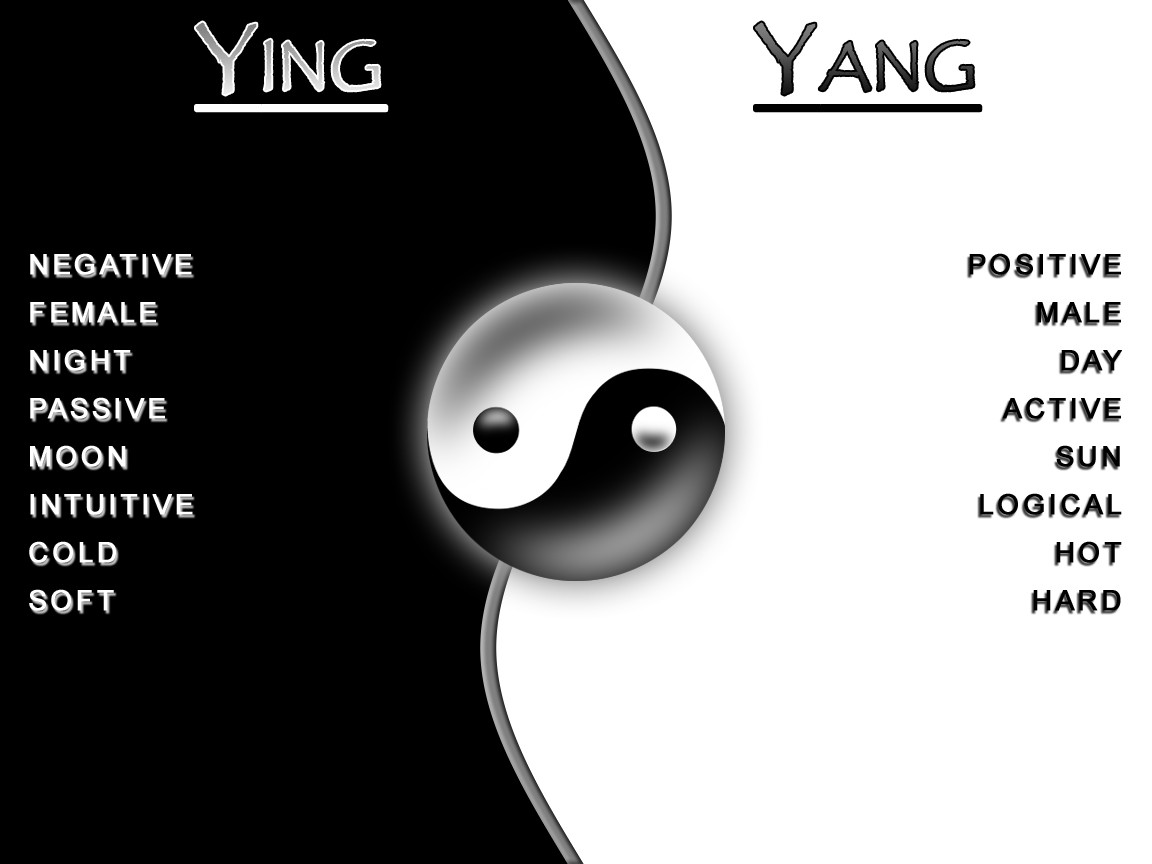
The ancient philosophy of Yin and Yang suggests that seemingly opposite forces are actually complementary, interconnected, and interdependent. In the context of branding, Yin represents the foundational, internal, and reflective elements of an organization—the “soul” of the company. Yang represents the active, visible, and expressive elements—the “voice” and “action” of the company. To understand what is Yin and what is Yang in branding is to understand the secret to sustainable competitive advantage.

The Core Philosophy: Internal Identity vs. External Perception
At the heart of every brand lies a duality between how a company views itself and how the world views it. This is the primary manifestation of Yin and Yang in the corporate world. Without a strong internal Yin, the external Yang becomes hollow; without a vibrant external Yang, the internal Yin remains invisible.
The Yin: Defining Your Internal Purpose
The Yin of a brand is composed of its mission, vision, values, and culture. These are the “quiet” elements that do not always appear in a 30-second television spot or a social media banner, but they provide the essential weight that keeps the brand grounded.
Internal identity is about depth. It involves the rigorous work of defining why a company exists beyond the pursuit of profit. When a brand’s Yin is strong, employees understand their purpose, and the organizational culture becomes a self-sustaining engine. This internal clarity acts as a North Star, guiding decision-making during crises and ensuring that the brand does not drift away from its core promise as it scales. It is the silent strength that prevents a brand from being reactive to every passing market trend.
The Yang: Managing the Public Image
The Yang is the manifestation of that internal purpose in the physical and digital world. It is the marketing campaigns, the public relations efforts, the customer service interactions, and the product design. If Yin is the root, Yang is the flower.
Managing the Yang requires energy and agility. It is about how the brand “shows up” in the marketplace. It involves the strategic use of color, typography, messaging, and community engagement to command attention. A brand with high Yang energy is disruptive, innovative, and highly visible. However, Yang energy must be tempered by the Yin; otherwise, a brand risks becoming “all flash and no substance,” a common pitfall where marketing promises exceed the company’s internal capability to deliver.
Visual Contrast: The Balance of Minimalism and Boldness
Design is perhaps the most immediate way a brand communicates its Yin and Yang balance. The visual identity of a brand must navigate the tension between being seen and being understood, between standing out and providing a sense of calm reliability.
Strategic White Space (Yin)
In graphic design and brand aesthetics, Yin is often represented by white space, minimalism, and structural harmony. This is the “breath” of the brand’s visual language. High-end luxury brands and sophisticated technology companies often lean heavily into their Yin energy through minimalist packaging and clean, uncluttered interfaces.
White space is not “nothingness”; it is a strategic tool that directs the eye and gives the brand an air of confidence and premium quality. By choosing not to fill every square inch of an advertisement with text or imagery, a brand signals that it does not need to shout to be heard. This restraint builds trust and suggests a level of maturity and stability that appeals to discerning consumers.
The Impact of Disruptive Elements (Yang)
Conversely, the Yang of design is found in bold typography, vibrant color palettes, and high-contrast imagery. This is the element of the brand that demands a reaction. It is the “call to action” that drives conversion.
In a saturated digital landscape, Yang elements are necessary to break through the “scroll fatigue” of the average consumer. Strategic use of Yang energy can signal innovation, excitement, and youthfulness. However, the most successful designs are those where the Yang elements are cradled by a Yin framework. A bold, neon-colored logo (Yang) looks intentional and high-design when placed against a clean, neutral background (Yin), but it looks chaotic and cheap when surrounded by competing visual noise.
Brand Voice and Communication: Authority vs. Empathy

How a brand speaks tells the market exactly where it sits on the spectrum of Yin and Yang. A brand’s “tone of voice” is the verbal bridge between its internal values and its external audience.
The Masculine Yang of Direct Authority
Traditionally, many corporate brands have operated with a high-Yang communication style. This is characterized by authoritative statements, data-driven claims, and a focus on being “the best,” “the first,” or “the largest.” This voice is assertive and goal-oriented.
In sectors like finance or high-performance engineering, this Yang energy provides a necessary sense of security and competence. It tells the customer, “We know what we are doing, and we are the leaders in this field.” However, if a brand’s voice is exclusively Yang, it can come across as cold, arrogant, or disconnected from the human experience.
The Feminine Yin of Relatable Narrative
The Yin of brand communication is found in storytelling, empathy, and vulnerability. This is the shift from telling the customer what the product does to showing the customer how the brand understands their life.
The Yin voice is about listening as much as it is about speaking. It involves community management, responding to feedback with grace, and creating content that serves the audience’s needs rather than just the brand’s sales targets. In the modern era, where consumers crave authenticity and social responsibility, the Yin voice has become more critical than ever. Brands that successfully integrate Yin communication build loyalty that transcends price points; they create emotional “stickiness” by making the consumer feel seen and valued.
Innovation and Heritage: Balancing Change with Consistency
A brand’s longevity depends on its ability to navigate the temporal duality of its existence: its past (heritage) and its future (innovation).
Protecting the Core Values
Heritage is the Yin of a brand’s timeline. It represents the history, the legacy, and the consistent quality that have defined the company since its inception. For established brands, this heritage is their greatest asset. It provides a sense of permanence in an ever-changing world.
Protecting the Yin means ensuring that no matter how much the world changes, the core values of the brand remain intact. When a brand loses its Yin, it suffers a “brand identity crisis,” alienating its core customer base in a desperate attempt to stay relevant. The Yin provides the “permission” for the brand to exist in the long term.
Pushing the Boundaries of Market Trends
Innovation is the Yang energy of growth. It is the willingness to disrupt one’s own business model, to experiment with new technologies (like AI or blockchain), and to enter new markets. Without Yang, a brand becomes a museum piece—respected but no longer used.
The challenge for brand strategists is to innovate (Yang) without betraying the heritage (Yin). This is seen most clearly in the automotive industry, where legacy brands are transitioning to electric vehicles. The “Yang” is the new technology and the futuristic design, but the “Yin” is the retention of the brand’s signature driving feel or luxury standards. The brands that fail are those that move too far into Yang (losing their identity) or stay too rooted in Yin (becoming obsolete).
The Synthesis: Achieving Brand Equilibrium
The ultimate goal of applying Yin and Yang to brand strategy is to achieve a state of “Brand Equilibrium.” This is a point where the internal culture perfectly aligns with the external marketing, and where the brand’s visual and verbal identity feels both exciting and dependable.
Achieving this balance is not a one-time event but a continuous process of calibration. Market conditions change, consumer preferences shift, and internal leadership evolves. A brand that is too Yin may become stagnant, overly cautious, and invisible. A brand that is too Yang may become volatile, inconsistent, and exhausting to the consumer.
The most successful brands in the world—those that command billions in brand equity—master this dance. They are the companies that can be both global and local, both premium and accessible, both traditional and cutting-edge. They understand that Yin and Yang are not two separate entities, but two halves of a whole.
By identifying what is Yin and what is Yang within your own organization, you can begin to build a brand strategy that is not just a marketing plan, but a resilient and harmonious ecosystem. This balance is what transforms a mere business into a brand that people don’t just buy, but one they believe in. In the end, the strength of the Yang is entirely dependent on the depth of the Yin. Strategy is the art of balancing the two.
aViewFromTheCave is a participant in the Amazon Services LLC Associates Program, an affiliate advertising program designed to provide a means for sites to earn advertising fees by advertising and linking to Amazon.com. Amazon, the Amazon logo, AmazonSupply, and the AmazonSupply logo are trademarks of Amazon.com, Inc. or its affiliates. As an Amazon Associate we earn affiliate commissions from qualifying purchases.