
In an era dominated by algorithmic precision, multi-million dollar ad spends, and hyper-targeted digital campaigns, the most potent marketing tool remains the oldest one in human history: the personal recommendation. Word of Mouth (WOM) advertising is the process of actively influencing and encouraging organic discussions about a brand, product, or service. It is the art of turning customers into advocates and transactions into conversations.
For brand strategists and marketing professionals, word of mouth is often viewed as the “Holy Grail.” Unlike traditional advertising, which is a “push” medium where a brand speaks at an audience, WOM is a “pull” medium. It relies on the credibility of the speaker rather than the depth of the brand’s pockets. When a friend, family member, or trusted colleague recommends a brand, they are putting their own social capital on the line. This transfer of trust is what makes WOM advertising the most effective driver of long-term brand equity and sustainable growth.
The Fundamentals of Word of Mouth in the Brand Ecosystem
To master word of mouth, one must first distinguish between its two primary forms: organic and amplified. Organic WOM occurs naturally when customers become advocates because they are happy with a product or have a natural desire to share their support and enthusiasm. Amplified WOM occurs when marketers launch campaigns designed to encourage or accelerate the conversation in existing or new communities.
The Psychology of Social Proof
The effectiveness of word of mouth is rooted deeply in the psychological concept of social proof. Humans are inherently social creatures who look to the behavior and opinions of others to determine their own actions, especially in situations of uncertainty. When a consumer is faced with a plethora of choices in a saturated market, a recommendation acts as a filter, reducing the cognitive load required to make a decision.
From a branding perspective, this is invaluable. While a brand can claim to be “the best” in its field, that claim is inherently biased. However, when a third party echoes that sentiment, the bias is removed, and the message gains authenticity. This is why 92% of consumers trust recommendations from friends and family above all other forms of advertising.
Social Currency and Emotional Triggers
People talk about brands for reasons that go beyond the product’s utility. In many cases, they share information to enhance their own status—a concept known as social currency. If a brand is perceived as “cool,” “innovative,” or “exclusive,” talking about it makes the speaker appear knowledgeable or well-connected.
Furthermore, emotional triggers play a massive role. Brands that evoke high-arousal emotions—such as awe, excitement, or even righteous indignation—are significantly more likely to be discussed. A brand strategy that fails to tap into an emotional truth will likely struggle to generate the organic velocity required for a successful WOM cycle.
Strategic Pillars for Building a “Talkable” Brand
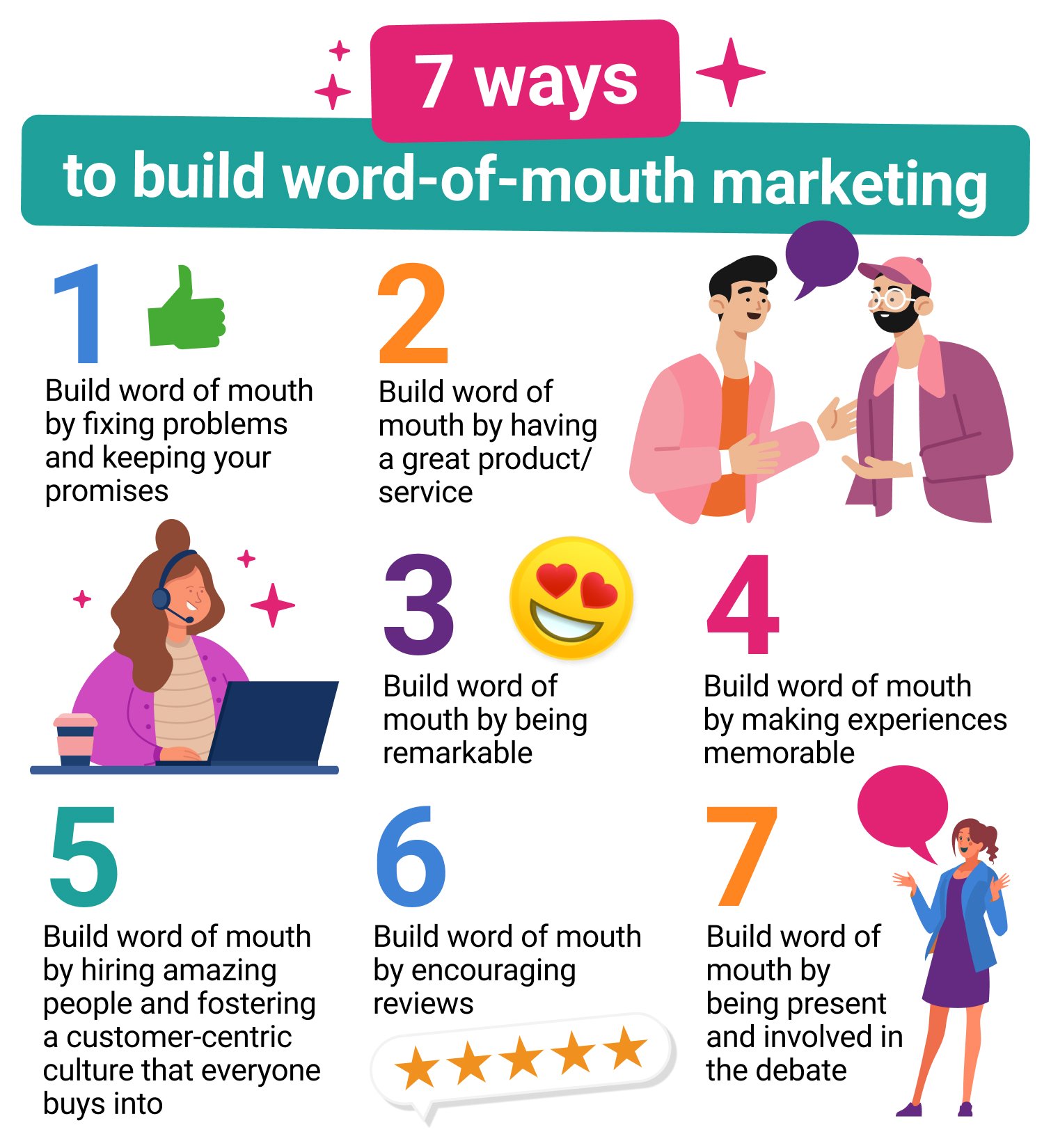
Word of mouth is rarely an accident. While it may seem spontaneous, high-growth brands purposefully architect their identity and operations to spark conversation. To build a brand worth talking about, leaders must focus on three core strategic pillars.
Delivering an Exceptional Customer Experience (CX)
The foundation of any word of mouth strategy is a product or service that exceeds expectations. In the modern marketplace, “good” is the enemy of “great.” A customer who receives exactly what they paid for is satisfied, but they are rarely motivated to tell their friends about it. Advocacy is born in the gap between expectation and reality.
Brands like Zappos or Chewy have built billion-dollar identities not just on the products they sell, but on “wow” moments in customer service. Whether it is a surprise upgrade, a handwritten note, or a seamless return process, these outliers create stories. When a brand provides a story-worthy experience, customers become the storytellers.
Developing a Unique Brand Identity and Voice
Bland brands do not spark conversation. To be discussed, a brand must have a distinct point of view, a unique visual language, or a disruptive approach to its industry. This is often referred to as the “Purple Cow” philosophy—being remarkable in a field of ordinary cows.
A strong brand identity provides the “hooks” for conversation. For instance, a brand that takes a bold stand on sustainability or social issues gives its audience a reason to align with it and talk about it. By being polarizing or distinct, a brand creates a tribe of loyalists who feel a sense of ownership over the brand’s success.
Creating Scarcity and Exclusivity
Human nature dictates that we want what we cannot easily have. Strategic scarcity is a powerful lever for word of mouth. When a brand limits access—through “members only” drops, invite-only betas, or limited-edition collaborations—it creates an information asymmetry. Those “in the know” are highly motivated to share their status, while those on the outside are driven to discuss the brand in an attempt to gain access. This creates a feedback loop of curiosity and desire that sustains the brand’s relevance without the need for constant advertising spend.
Implementing Tactics to Amplify the Conversation
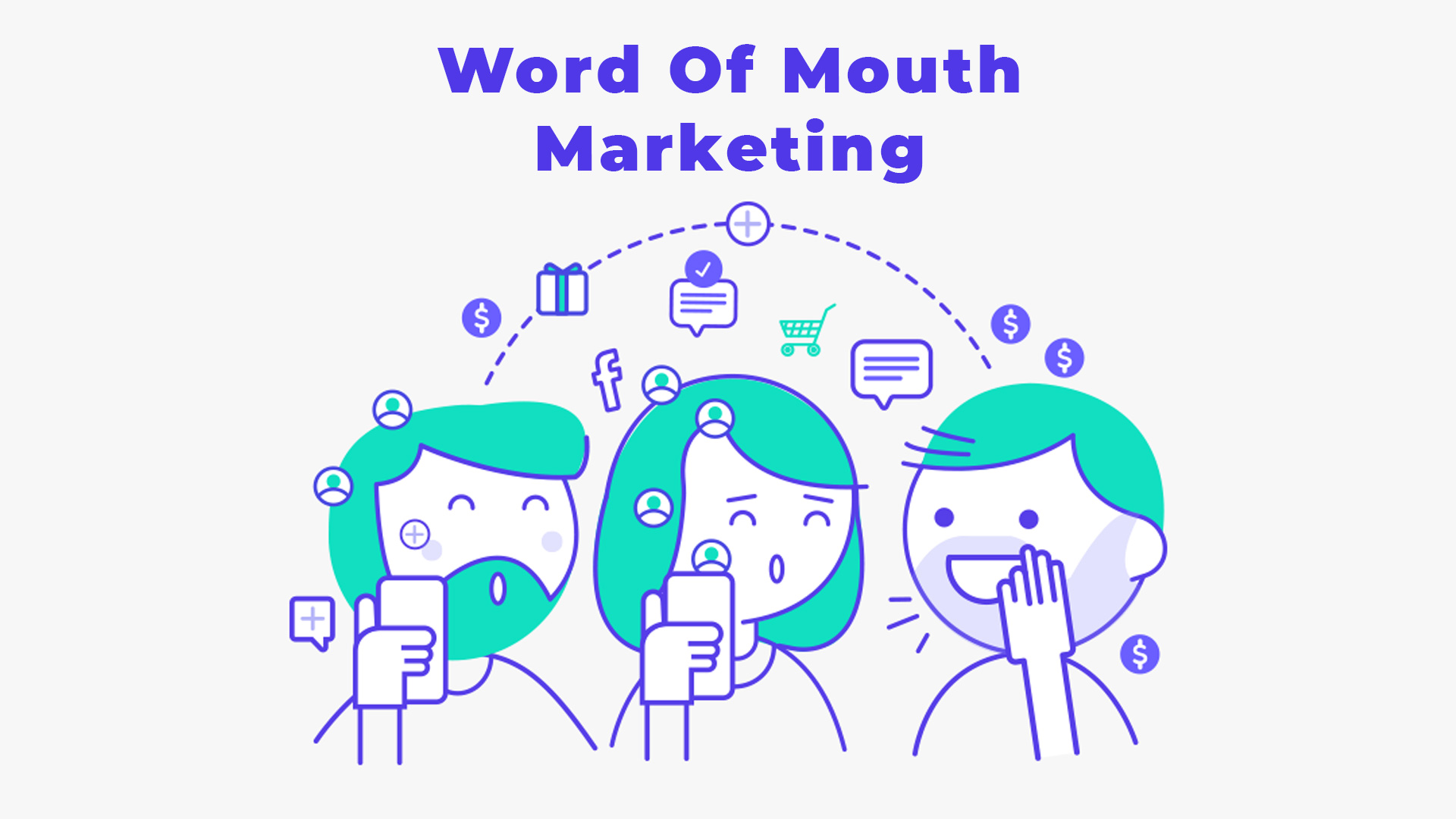
Once the strategic foundation is in place, brands must employ specific tactics to amplify the reach of their word of mouth. In the digital landscape, this involves a mix of community building, incentivized sharing, and strategic partnerships.
Leveraging User-Generated Content (UGC)
User-generated content is the digital evolution of word of mouth. When customers post photos of a product on Instagram, record unboxing videos on TikTok, or write detailed reviews, they are providing visual and social proof to their entire network.
Smart brands facilitate this by creating “instagrammable” moments—be it through unique packaging, physical pop-up installations, or branded hashtags. By integrating UGC into their own marketing channels, brands validate their existing customers and provide a template for others to follow. This creates a virtuous cycle where the brand’s content is supplemented by a global army of creators.
Referral Programs and Strategic Incentivization
While organic word of mouth is ideal, it can be slow. Referral programs provide a structured way to accelerate the process. By offering rewards—such as discounts, credits, or exclusive access—to both the referrer and the referee, brands can lower the friction of the recommendation.
However, the key to a successful referral program in brand strategy is ensuring the incentive does not cheapen the brand. The reward should feel like a “thank you” for a genuine recommendation rather than a bribe. High-end brands often use non-monetary rewards, such as early access to new collections, to maintain their premium positioning while still encouraging advocacy.
The Role of Micro-Influencers and Brand Advocates
The rise of influencer marketing has shifted the focus from massive celebrities to micro-influencers—individuals with smaller, highly engaged, and niche-specific audiences. These creators are often viewed more as peers than as distant icons, making their recommendations carry the weight of word of mouth.
Successful brand strategy involves identifying these natural advocates and nurturing long-term relationships with them. Unlike traditional spokesperson roles, these partnerships should be based on shared values. When an influencer genuinely uses and loves a brand, their promotion feels like an organic recommendation, bridging the gap between paid media and word of mouth.
Measuring the Impact and ROI of Brand Advocacy
One of the greatest challenges in word of mouth advertising is measurement. Because much of these conversations happen in “dark social”—private messages, face-to-face interactions, and closed groups—it can be difficult to track every referral back to its source. However, there are several key metrics that brands use to gauge the health of their word of mouth.
Net Promoter Score (NPS)
The Net Promoter Score is a standard metric used to measure customer loyalty and the likelihood of word of mouth. By asking a single question—”How likely are you to recommend this brand to a friend or colleague?”—companies can categorize their customers into Promoters, Passives, and Detractors. A high NPS is a leading indicator of organic growth and brand health.
Social Listening and Sentiment Analysis
Modern brands use sophisticated social listening tools to monitor mentions across the web. This allows them to track the volume of conversation, the specific topics being discussed, and the overall sentiment (positive, neutral, or negative). By analyzing these trends, brand managers can identify what “hooks” are resonating and which areas of the customer experience might be hindering advocacy.
Customer Lifetime Value (CLV) and Referral Attribution
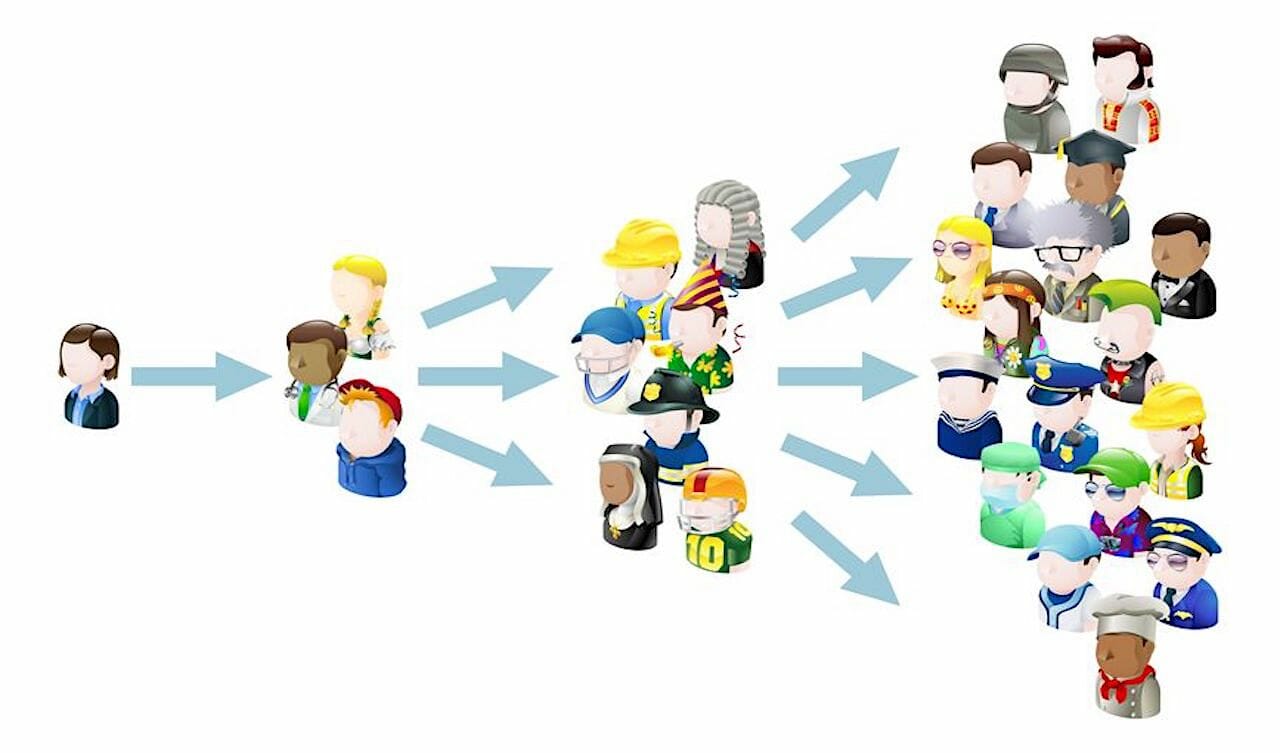
While direct attribution is difficult, brands can often see the impact of WOM by comparing the Customer Lifetime Value of referred customers versus those acquired through paid ads. Historically, referred customers have a higher retention rate and a higher CLV because they enter the brand relationship with a baseline of trust. Tracking the “Viral Coefficient”—the number of new users generated by an existing user—is another critical way to measure the exponential power of word of mouth.
The Long-Term Value of a Conversation-First Strategy
In the end, word of mouth advertising is not just a marketing tactic; it is a philosophy of brand building. It requires a shift from short-term transaction-based thinking to long-term relationship-based thinking. A brand that focuses on being “talkable” is forced to be better at every level—from product development to customer service to corporate ethics.
As consumers become increasingly skeptical of traditional advertising and as digital privacy regulations make hyper-targeting more difficult, the importance of word of mouth will only grow. Brands that can successfully spark, nurture, and amplify the conversations of their customers will find themselves with a competitive advantage that cannot be bought or easily replicated. By placing the customer at the center of the narrative, a brand ensures that its message is carried not by its own voice, but by the voices of those who believe in it most.
aViewFromTheCave is a participant in the Amazon Services LLC Associates Program, an affiliate advertising program designed to provide a means for sites to earn advertising fees by advertising and linking to Amazon.com. Amazon, the Amazon logo, AmazonSupply, and the AmazonSupply logo are trademarks of Amazon.com, Inc. or its affiliates. As an Amazon Associate we earn affiliate commissions from qualifying purchases.