
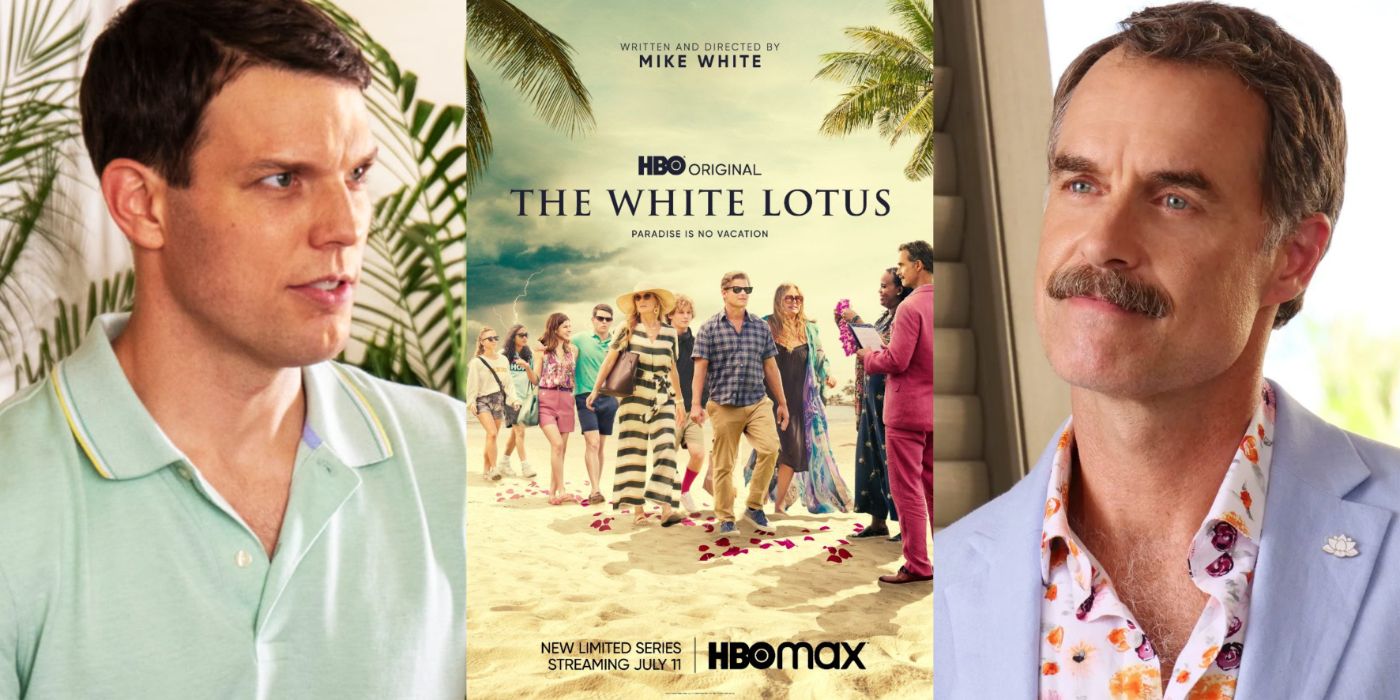
On the surface, the first season of Mike White’s The White Lotus is a social satire and a dark comedy set against the lush, sun-drenched backdrop of a Hawaiian resort. However, when viewed through the lens of brand strategy and corporate identity, the series serves as a masterclass in the complexities of luxury positioning, the fragility of customer-facing roles, and the psychological contract between a brand and its high-net-worth clientele. To understand what The White Lotus Season 1 is truly about, one must look past the interpersonal drama and examine the structural branding of the fictional resort itself, as well as the real-world brand strategy that propelled the show into a cultural phenomenon.
The Architecture of a Luxury Resort Brand
The White Lotus is not just a hotel; it is a meticulously constructed brand ecosystem designed to offer a specific emotional payoff: the feeling of being “seen” while remaining entirely insulated from the consequences of one’s environment. In the realm of luxury branding, the physical product (the rooms, the pool, the spa) is secondary to the “brand promise.”
The Illusion of Tropical Authenticity
The branding of the White Lotus resort relies heavily on “commodity exoticism.” From a brand strategy perspective, the resort uses Hawaiian culture as a decorative element to enhance its value proposition. This is a common tactic in high-end hospitality where “local flavor” is curated to be palatable for international guests. In Season 1, the brand identity of the resort is built on a facade of spiritual wellness and indigenous tradition, yet the operation of the brand reveals a disconnect between its marketing and its corporate reality. This serves as a cautionary tale for brand managers: when there is a significant gap between the “brand image” (what customers see) and the “brand substance” (how the business actually operates), the result is a cynical consumer base and internal operational friction.
The Service Blueprint and the Emotional Labor of Branding
One of the most profound insights into brand strategy provided by the show is the role of the “brand ambassador”—in this case, the resort manager, Armond. In any service-oriented business, the staff are the living embodiment of the corporate identity. Armond’s directive to his staff to be “pleasant, but invisible” is a foundational principle of luxury brand management. The goal is to provide a seamless experience where the gears of the business never grind audibly. However, as the season progresses, we see the total collapse of this service blueprint. When the brand promise of “perfect relaxation” meets the reality of human fallibility and guest entitlement, the brand identity disintegrates, leading to a catastrophic failure of the customer experience.
Crisis Management and Brand Reputation
A brand is defined by how it handles failure. In the high-stakes environment of the White Lotus, small errors—like the double-booking of the Pineapple Suite—escalate into brand-destroying conflicts. For corporate strategists, the show highlights the importance of “recovery marketing.” Because the resort failed to manage the initial friction with Shane Patton (the guest who insists on his rightful suite), the brand’s reputation for excellence was traded for a narrative of incompetence. This reinforces the idea that in luxury branding, the customer is not just buying a room; they are buying the validation of their status.
Personal Branding and the Performance of Wealth
While the resort itself has a brand, the guests of the White Lotus Season 1 are each walking case studies in personal branding. In the modern era, individuals—especially the wealthy—curate their identities with the same rigor as a Fortune 500 company.
The Mossbacher Family: Tech-Elitism and Social Currency
Nicole Mossbacher, a high-powered tech executive, represents the “Girlboss” brand archetype. Her personal brand is built on competence, meritocracy, and the aesthetic of modern corporate feminism. To her, every interaction is a PR move. Even the way she rearranges the furniture in the hotel room is an attempt to “rebrand” her environment to match her internal standard of excellence. Her daughter, Olivia, represents a different brand of identity: the performance of social consciousness. This creates a fascinating brand conflict within the family, where the old-guard corporate brand clashes with the new-gen “woke” brand, illustrating how demographic shifts force brands to constantly evolve their messaging to stay relevant.
Tanya McQuoid: The Vulnerable Consumer as a Brand Challenge
Tanya McQuoid is the “high-maintenance” consumer profile that luxury brands both court and fear. Her personal brand is defined by trauma, wealth, and an insatiable need for external validation. From a marketing perspective, Tanya is a “loyalist” but a volatile one. She seeks out the White Lotus brand because it promises to fill an emotional void. The lesson for brand strategists here is the concept of “brand intimacy.” When a brand positions itself as a sanctuary, it attracts consumers who require an intense level of emotional labor. If the brand cannot fulfill that unspoken promise, the fallout is not just a lost sale, but a profound personal betrayal.
The Mask of the Corporate Professional
Armond’s character arc is the ultimate exploration of the “professional brand.” Throughout the season, we see him struggle to maintain the mask of the unflappable manager while his internal world is in chaos. This highlights a critical aspect of brand strategy: internal branding. If the employees do not believe in the brand or if the brand does not support the well-being of its ambassadors, the facade will eventually crumble. The professional brand is a performance, and as The White Lotus demonstrates, a performance without a sustainable foundation is a liability.

HBO’s Brand Ecosystem: The Strategy Behind the Content
Beyond the narrative of the show, the existence of The White Lotus is a brilliant move in the brand strategy of HBO itself. As the streaming wars intensified, HBO needed to solidify its position as the premier destination for “prestige television.”
The “Prestige” Branding Strategy
HBO has long positioned itself as “not TV.” Its brand identity is built on high production values, sophisticated writing, and a certain level of cultural exclusivity. The White Lotus Season 1 was perfectly aligned with this identity. By focusing on the lives of the wealthy and the workers who serve them, HBO tapped into a zeitgeist of class anxiety and “eat the rich” sentiment, all while maintaining a visual aesthetic that felt expensive and aspirational. This is a classic “counter-positioning” strategy: providing content that critiques the very systems (wealth, luxury) that its audience often aspires to or occupies.
The Anthology Model as a Growth Strategy
Initially conceived as a limited series, the success of The White Lotus led to its evolution into an anthology brand. This is a savvy business move. By turning the show into a franchise where the “resort” is the recurring character rather than the people, HBO created a flexible brand asset. They can swap out locations (Hawaii, Sicily, Thailand) and casts while keeping the core brand promise—satire, luxury, and mystery—intact. This allows for infinite scalability while minimizing the risk of “actor fatigue” or narrative stagnation.
Location-Based Marketing and Tourism Synergy
Though the show is a satire of the tourism industry, it inadvertently served as a massive marketing campaign for luxury travel. The Four Seasons Resort Maui at Wailea, where the first season was filmed, saw a significant boost in brand awareness. This illustrates the power of “placement branding.” When a brand is integrated into a narrative that captures the public imagination, it gains a level of cultural “cool” that traditional advertising cannot buy. Even as the show mocked the guests, viewers were captivated by the beauty of the setting, proving that a strong visual brand can override a negative narrative context.
Lessons for Modern Marketers and Brand Strategists
The narrative of The White Lotus Season 1 offers several actionable insights for those involved in brand strategy, corporate identity, and marketing.
1. Authenticity is a Binary, Not a Spectrum
In the world of the White Lotus, the resort tries to be “authentically Hawaiian” while remaining a standard luxury hotel. This creates a brand dissonance that the characters—and the audience—can feel. For modern brands, the lesson is clear: if your brand claims to stand for a certain value or culture, that commitment must go deeper than the logo and the lobby decor. Authentic branding requires a vertical integration of values from the supply chain to the customer service desk.
2. The Employee is the Brand
The tragic arc of Armond proves that your brand is only as strong as your most stressed employee. Corporate identity is not what is written in the brand guidelines; it is how the staff treats the customers when things go wrong. Investing in internal culture and employee well-being is not just a human resources goal; it is a critical brand strategy to ensure the consistency of the customer experience.
3. Understanding the “In-Group” Psychology
The guests at the White Lotus are all part of an “in-group” of wealth and privilege. Brands that cater to this demographic must understand that their value lies in exclusivity and the reinforcement of status. However, as the show illustrates, this can also create a brand that is rigid and unable to adapt to the changing social landscape. Marketers must balance the need for exclusivity with the need for social relevance.

4. The Power of Subversive Storytelling
The success of The White Lotus shows that audiences are increasingly drawn to brands—including media brands like HBO—that are willing to be self-critical and subversive. A brand that can laugh at itself, or at the systems it inhabits, builds a deeper level of trust with a cynical, modern audience. This is “meta-branding,” where the brand’s awareness of its own tropes becomes part of its appeal.
In conclusion, The White Lotus Season 1 is a profound exploration of how brands are built, maintained, and destroyed. It is a story about the intersection of corporate identity and personal psychology, set in an environment where the brand promise is “perfection,” but the reality is anything but. For those in the world of branding and strategy, the series serves as both a roadmap and a warning: a brand is a living, breathing entity, and if you don’t manage its soul, you’re just managing a facade that is waiting to crack.
aViewFromTheCave is a participant in the Amazon Services LLC Associates Program, an affiliate advertising program designed to provide a means for sites to earn advertising fees by advertising and linking to Amazon.com. Amazon, the Amazon logo, AmazonSupply, and the AmazonSupply logo are trademarks of Amazon.com, Inc. or its affiliates. As an Amazon Associate we earn affiliate commissions from qualifying purchases.