
In the high-stakes world of consumer packaged goods (CPG) and global beverage markets, the term “unhealthy” transcends medical diagnoses to become a critical metric of financial liability. Aspartame, one of the most widely used artificial sweeteners in the world, has long been a cornerstone of the multi-billion-dollar diet soda industry. However, from an investment and business finance perspective, the “unhealthy” nature of aspartame refers to its mounting status as a toxic asset. When regulatory bodies or public sentiment label a key ingredient as potentially hazardous, the resulting market volatility, litigation risks, and supply chain disruptions can devastate corporate balance sheets and investor portfolios.
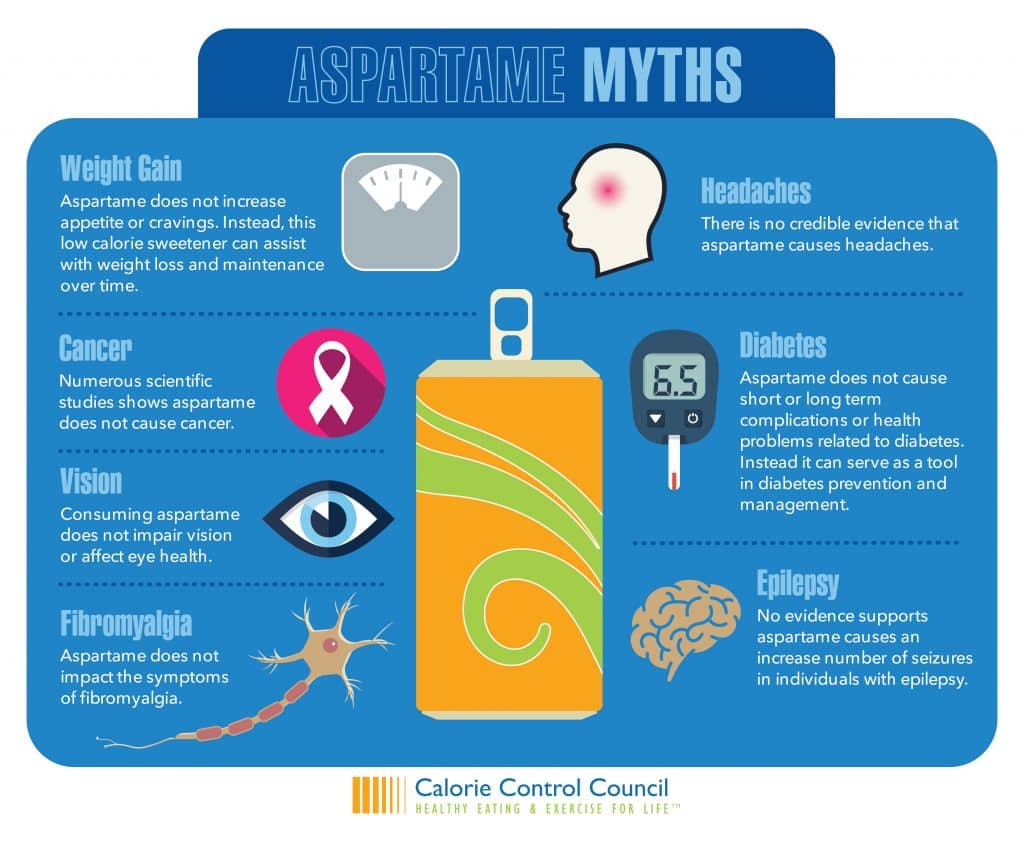
For stakeholders in the food and beverage sector, the primary concern is not merely the biochemical impact of the sweetener, but the economic instability it introduces. As consumer preferences pivot toward “clean label” products and natural alternatives, the financial health of companies tethered to aspartame is being scrutinized under a microscope. This analysis explores the fiscal repercussions of aspartame’s controversial reputation and how it shapes the future of the sweetener market.
The Economic Impact of Regulatory Uncertainty
The most immediate financial risk associated with aspartame is the volatility triggered by global health authorities. For institutional investors, stability is paramount; however, aspartame has become a lightning rod for regulatory fluctuation.
The IARC Ruling and Market Valuation
In 2023, the International Agency for Research on Cancer (IARC), a branch of the World Health Organization (WHO), classified aspartame as “possibly carcinogenic to humans.” While the Joint FAO/WHO Expert Committee on Food Additives (JECFA) maintained that the acceptable daily intake remained unchanged, the nuance of these scientific classifications is often lost in the financial markets.
Following such announcements, major players in the beverage industry, including Coca-Cola (KO) and PepsiCo (PEP), often see immediate fluctuations in their stock prices. These classifications create a “risk premium” on the stock, where investors demand higher returns to compensate for the potential of future bans or stricter labeling requirements. The “unhealthy” label, in this context, translates directly into a higher cost of capital for these firms as they navigate the uncertainty of future sales volumes.
The Cost of Regulatory Compliance and Labeling
Regulatory shifts often necessitate expensive packaging overhauls. In various jurisdictions, new “front-of-package” warning labels or sugar-alternative taxes are being debated. For a global corporation, the logistics of changing label designs and marketing materials across 100+ markets is a multi-million-dollar undertaking. When an ingredient is deemed unhealthy by even a subset of the global regulatory community, companies must set aside significant reserves for compliance, eating into profit margins and reducing the funds available for dividends or share buybacks.
The Financial Burden of Recipe Reformulation
One of the most significant “unhealthy” aspects of aspartame from a business finance perspective is the sheer cost of moving away from it. Reformulation is not a simple swap; it is a complex, capital-intensive process that can take years of research and development (R&D).
Research, Development, and Intellectual Property
Major beverage brands have spent decades perfecting the taste profile of “Diet” and “Zero” products using aspartame. Switching to a natural sweetener like stevia, monk fruit, or allulose requires massive investment in sensory science. Companies must ensure that the new formula maintains consumer loyalty while achieving the same shelf-life and stability.
These R&D costs are substantial. For a mid-to-large-cap beverage company, transitioning a flagship product line can cost upwards of $50 million to $200 million when accounting for lab testing, consumer focus groups, and patent filings for new proprietary sweetener blends. If a brand fails to replicate the flavor profile that consumers expect, the resulting loss in market share—a “consumer churn” event—can lead to long-term revenue erosion that far exceeds the initial R&D expenditure.
Supply Chain Transitions and Ingredient Premiums
Aspartame is attractive to manufacturers primarily because it is incredibly cheap and efficient to produce. It is roughly 200 times sweeter than sucrose, meaning very little is needed to achieve the desired sweetness level. Natural alternatives, while perceived as “healthier,” are significantly more expensive to source. Stevia and monk fruit require agricultural land, specific climate conditions, and complex extraction processes.
As companies move away from the “unhealthy” stigma of aspartame, they face a margin squeeze. They must choose between absorbing the higher cost of natural ingredients—thereby lowering their gross margins—or passing those costs on to consumers. In an inflationary environment, raising prices further can lead to decreased demand, creating a classic “unhealthy” financial dilemma for brand managers.
Litigation Risk and the Cost of Legal Defense
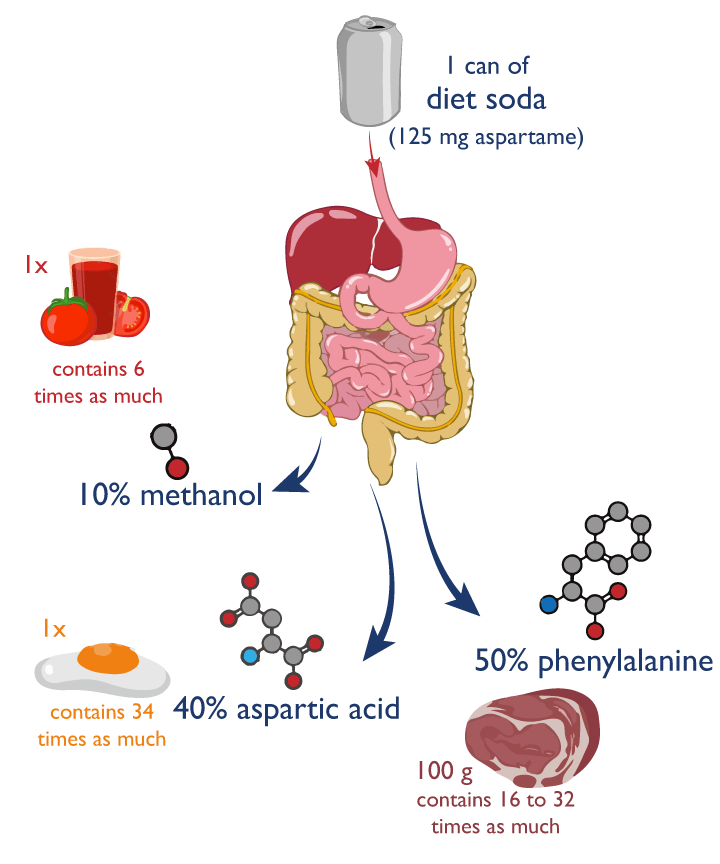
In the United States and other litigious markets, the “unhealthy” label is often a precursor to class-action lawsuits. For investors, the threat of litigation represents a “black swan” risk that can lead to massive settlements and legal fees.
Defending the Product in the Court of Public Opinion
Even when the FDA maintains that aspartame is safe, the legal cost of defending against “failure to warn” or “misleading advertising” lawsuits can be staggering. Companies must maintain large legal departments and retain expensive outside counsel to manage these threats. The mere existence of ongoing litigation can suppress a company’s price-to-earnings (P/E) ratio, as the market bakes in the potential for a catastrophic legal defeat.
Insurance Premiums and Risk Management
The perceived health risks of ingredients like aspartame also impact corporate insurance premiums. Product liability insurance for food and beverage companies is priced based on the perceived risk profile of the ingredients used. As more studies raise questions about synthetic sweeteners, insurers may raise premiums or introduce exclusions for specific ingredients. This increases the operational overhead for companies, making the “unhealthy” ingredient a literal line-item expense on the income statement.
The Rise of Natural Alternatives: An Investment Pivot
The “unhealthy” perception of aspartame has catalyzed a massive shift in venture capital and private equity toward the “alternative sweetener” space. This represents a massive reallocation of wealth within the food-tech sector.
Venture Capital in Food Science
Investors are increasingly looking for the “next aspartame”—a sweetener that offers the cost-efficiency of synthetics with the health profile of natural plants. Startups focusing on precision fermentation and enzymatic conversion are receiving hundreds of millions of dollars in funding. For example, companies working on “brazzein” (a protein-based sweetener) or “tagatose” are attracting investment from the venture arms of major corporations like Tyson Foods or Kellogg’s.
This shift suggests that the smart money is moving away from traditional synthetic sweeteners. The “unhealthy” tag on aspartame has created a vacuum that is being filled by innovative, high-growth companies. For the individual investor, the opportunity lies not in the legacy manufacturers who are slow to change, but in the agile players who are capitalizing on the “clean label” trend.
ESG and Social Responsibility Scores
In the modern financial landscape, Environmental, Social, and Governance (ESG) scores are vital for attracting institutional capital. Large pension funds and ESG-focused ETFs often avoid companies that are perceived to produce products with negative social or health impacts. A company heavily reliant on ingredients deemed “unhealthy” by the WHO may find itself excluded from these massive capital pools. This exclusion can lead to lower liquidity for the company’s stock and a decrease in overall market valuation, further highlighting the financial toxicity of controversial ingredients.
Strategic Hedging: How Corporations Navigate the Risk
To mitigate the financial “unhealthiness” of aspartame, savvy corporate leaders are employing diversification strategies. They are essentially hedging their bets to ensure that a sudden regulatory ban or a collapse in consumer confidence doesn’t bankrupt the firm.
Portfolio Diversification
The most effective hedge against aspartame risk is diversification. Companies like PepsiCo have aggressively expanded into the snack food market (via Frito-Lay) and the functional beverage space (via the acquisition of brands like SodaStream and various energy drink lines). By reducing their reliance on diet sodas, these companies insulate their total revenue from the volatility of the sweetener market.
The “Zero” Strategy vs. The “Diet” Strategy
There is also a strategic rebranding occurring. Many companies are phasing out “Diet” labels—which are often associated with aspartame—in favor of “Zero Sugar” branding. This allows them to update the sweetener blend (often adding acesulfame potassium or other ingredients) while pivoting the marketing toward a broader lifestyle choice rather than a restrictive medical diet. This rebranding is a financial maneuver designed to preserve the brand equity of billion-dollar labels while subtly distancing them from the aspartame controversy.
Conclusion: The Financial Reality of the “Unhealthy” Label
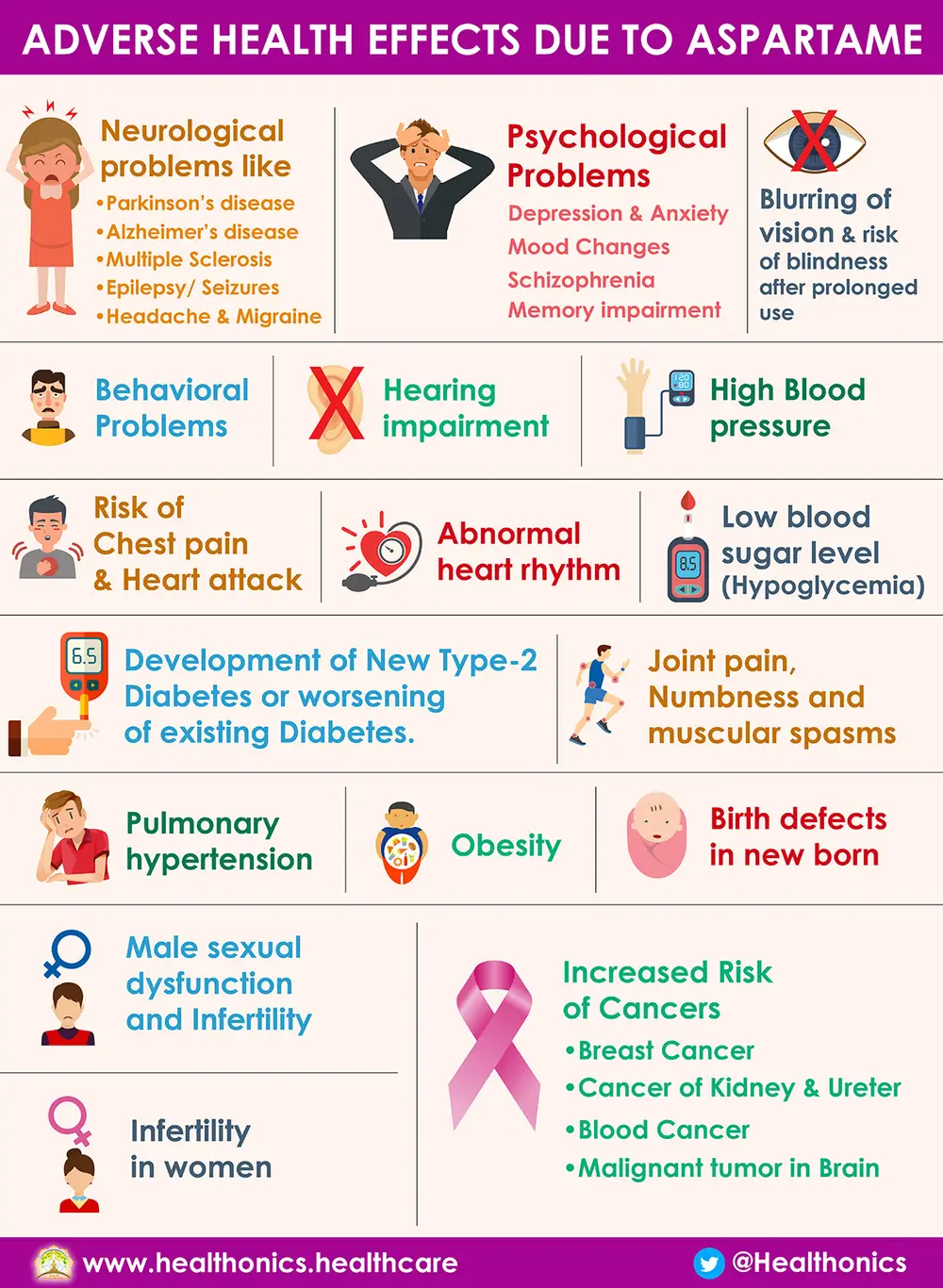
When we ask “what is unhealthy about aspartame,” the answer for the modern business leader and investor is clear: it is the unpredictability. In finance, uncertainty is the ultimate toxin. Aspartame represents a legacy era of food science that is increasingly at odds with modern consumer demands and regulatory trends.
While the chemical may remain legal and widely used for the foreseeable future, its “unhealthy” reputation creates a permanent state of financial friction. From the high costs of R&D and reformulation to the looming threat of litigation and the erosion of ESG scores, the true cost of aspartame is far higher than its market price per kilogram. For the savvy investor, the lesson is to look beyond the ingredient list and analyze the long-term fiscal health of the companies that continue to rely on it. The future of the sweetener market belongs to those who can innovate away from controversy and toward a more stable, “healthy” financial bottom line.
aViewFromTheCave is a participant in the Amazon Services LLC Associates Program, an affiliate advertising program designed to provide a means for sites to earn advertising fees by advertising and linking to Amazon.com. Amazon, the Amazon logo, AmazonSupply, and the AmazonSupply logo are trademarks of Amazon.com, Inc. or its affiliates. As an Amazon Associate we earn affiliate commissions from qualifying purchases.