
In the age of hyper-connectivity, the question of what constitutes the world’s most spoken language is no longer a simple matter of counting heads in a census. While traditional linguistics points to Mandarin Chinese, Spanish, or English based on demographic data, the technological landscape has fundamentally rewritten the rules of communication. In a world governed by algorithms, APIs, and cloud computing, the “most spoken” language is increasingly defined not just by the breath of human speakers, but by the volume of data transmitted, the ubiquity of software documentation, and the underlying logic of the digital infrastructure that powers global commerce.
To understand the current state of global communication, we must look beyond the physical classroom and toward the digital ecosystem. Here, the intersection of linguistics and technology reveals a complex hierarchy where English maintains a strategic dominance, while machine languages and artificial intelligence are rapidly emerging as the universal translators that bridge the remaining gaps.
The Digital Hegemony: Why English Dominates the Tech Stack
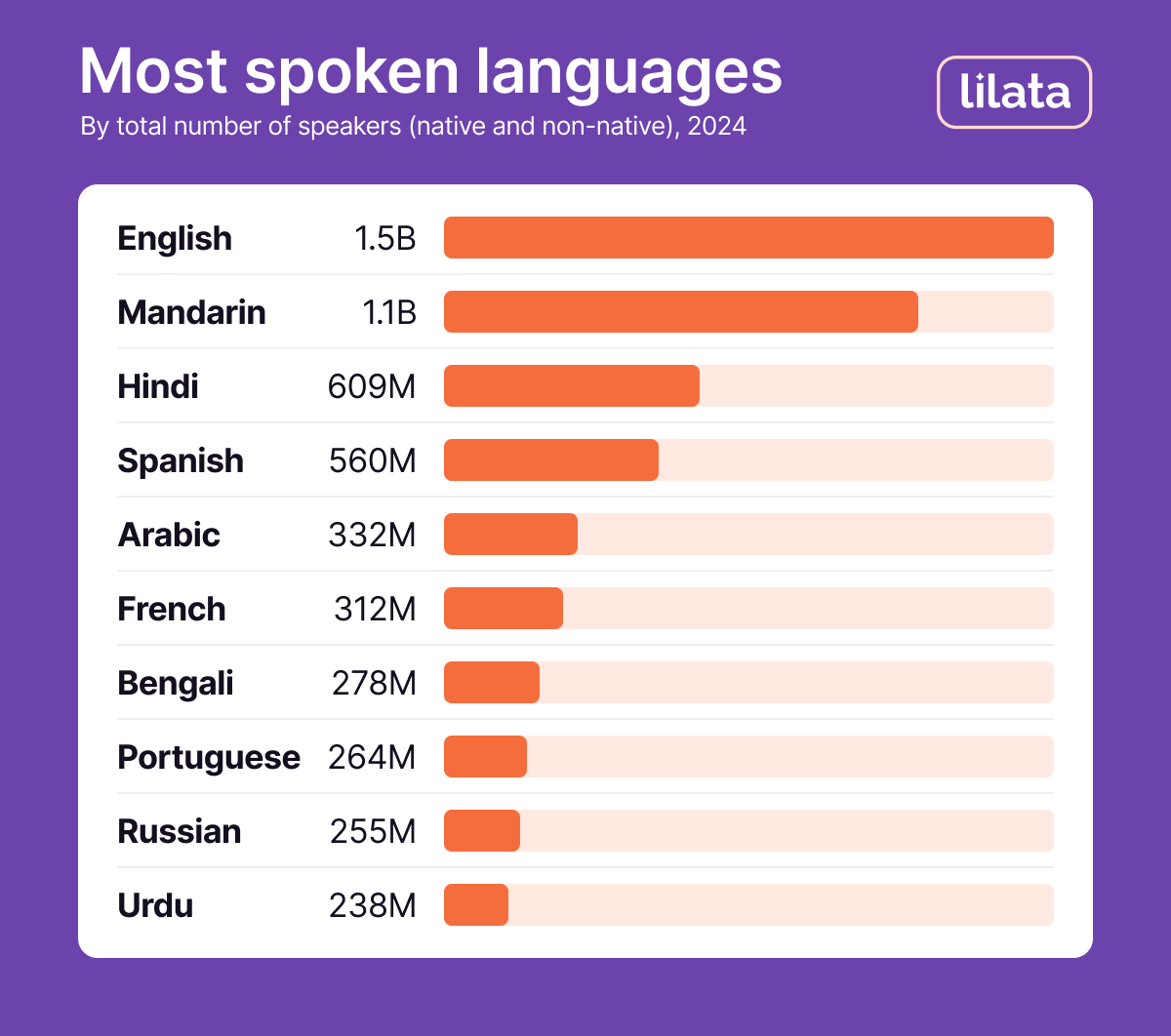
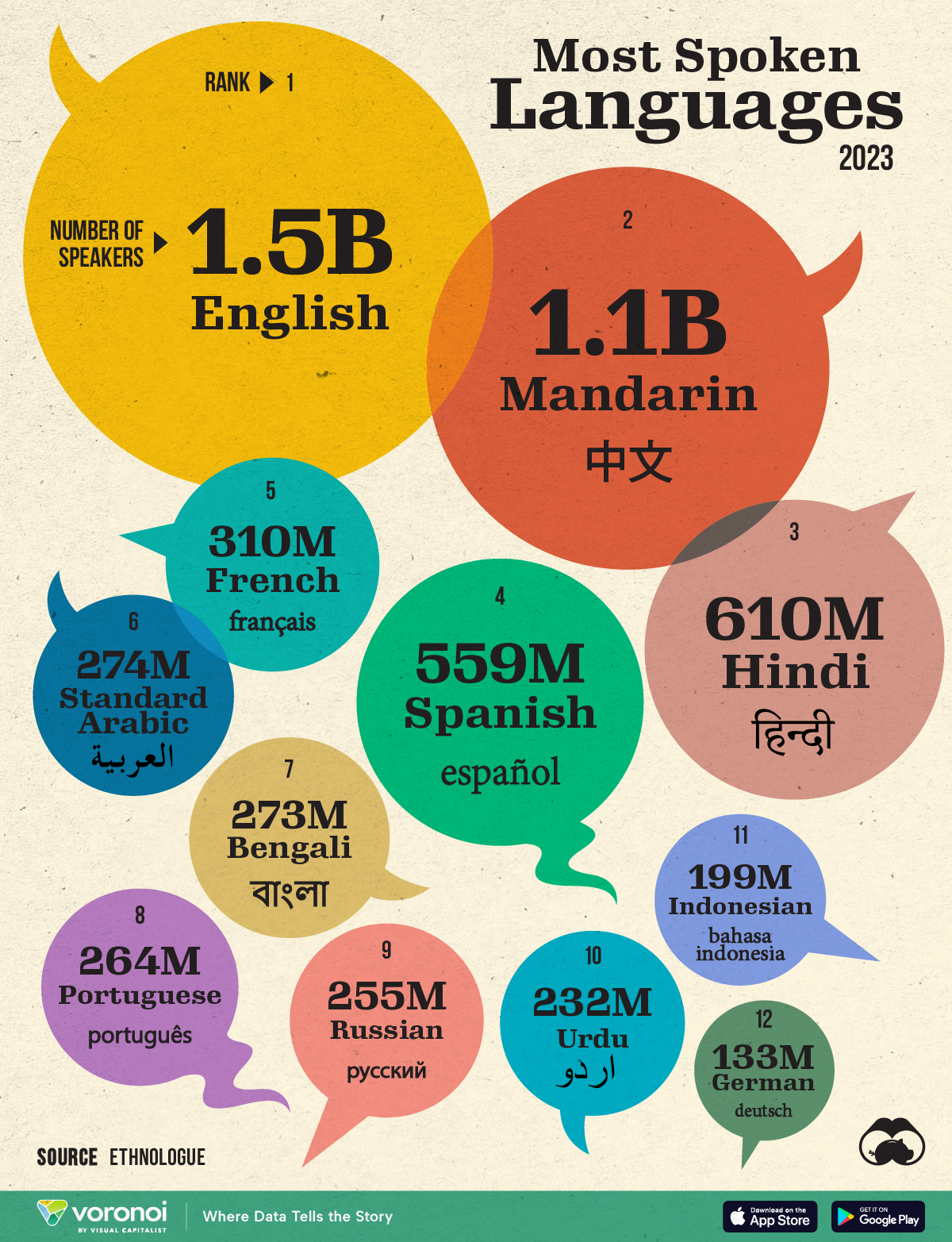
From a purely statistical standpoint, English is often cited as the world’s most spoken language when combining native and non-native speakers, totaling roughly 1.5 billion people. However, in the realm of technology, its influence is even more disproportionate. Approximately 60% of all content on the internet is in English. For developers, engineers, and tech innovators, English is not just a choice; it is the fundamental infrastructure.
The Legacy of the Internet’s Architecture
The internet’s foundational protocols—TCP/IP, HTML, and the early iterations of the World Wide Web—were largely developed in Anglophone institutions. This historical head start created a “path dependency” that solidified English as the primary medium for technical innovation. When new software frameworks are released, the documentation is almost invariably authored in English first. This creates a feedback loop: developers must learn English to access the most cutting-edge tools, and because they use English, the tools they build further reinforce the language’s dominance.
LLMs and the Training Data Bias
In the current era of Generative AI, the “most spoken” language is determined by the datasets used to train Large Language Models (LLMs). Models like GPT-4, Claude, and Llama are trained on massive scrapes of the internet, which, as established, is majority English. This results in AI systems that are inherently more “fluent” and nuanced in English than in any other tongue. While these models are becoming increasingly proficient in hundreds of other languages, the logical “reasoning” and the weights assigned within the neural networks are heavily influenced by English-language patterns of thought. For the tech industry, this means that English has become the meta-language—the medium through which we communicate with the machines that will eventually speak all other languages.
The Rise of Code: Is JavaScript the Most Spoken Language?
If we broaden the definition of a “language” to include any structured system of communication used to convey information, a compelling argument can be made for programming languages. In the tech sector, code is the true lingua franca. A developer in Tokyo can read a pull request from a developer in Berlin without either of them sharing a single word of a natural language, provided they both speak “JavaScript” or “Python.”
JavaScript as the Universal Interface
With over 25 million developers globally and its presence on nearly 98% of all websites, JavaScript could arguably be called the most “spoken” language in terms of daily active interactions. Every time a user clicks a button, refreshes a feed, or interacts with a web app, a “conversation” occurs in JavaScript. It is the language of the browser, the most universal software environment in existence. In this context, the reach of a programming language exceeds that of any natural language because it facilitates interactions across every geographic and linguistic border simultaneously.
Python and the Language of Intelligence
While JavaScript rules the web, Python has become the language of the AI revolution. It is the primary tool for data science, machine learning, and automation. As AI becomes integrated into every facet of our lives—from healthcare diagnostics to financial forecasting—the “logic” of Python is being woven into the fabric of human society. If the most spoken language is the one that most influences the world’s future, Python is a formidable contender. It is the medium through which we are teaching machines to understand the world, effectively translating human intent into algorithmic action.
Breaking the Barrier: How AI and NLP are Redefining Linguistic Reach
The traditional barriers to communication—the years required to achieve fluency in a foreign tongue—are being dismantled by advancements in Natural Language Processing (NLP) and Neural Machine Translation (NMT). Technology is rapidly approaching a “Star Trek Universal Translator” moment, which paradoxically might make the question of the “most spoken language” irrelevant.
From Static Translation to Real-Time Context
Early machine translation was rigid and often inaccurate, relying on direct word-to-word mapping. Today’s transformer-based models understand context, idiom, and technical jargon. Real-time translation tools integrated into video conferencing platforms like Zoom or Microsoft Teams allow a Mandarin speaker and a Spanish speaker to converse with minimal latency. In this environment, the “most spoken language” becomes an invisible layer of software that translates various inputs into a personalized output. The technology acts as a bridge, ensuring that the speaker’s native tongue is the only language they need to master.
The Democratization of Information
Technological intervention is also elevating “minority” languages that were previously sidelined in the digital economy. Through low-resource language modeling, AI researchers are developing tools for languages that lack massive digitized text corpora. This is crucial for digital inclusion. As software becomes localized for more regions, the “most spoken” language in a specific tech market may shift, allowing local developers to build solutions in their native tongues without being forced to adopt the English-centric standards of the past.
The Geopolitics of Tech and the Future of Communication
The dominance of any language in the tech space is inextricably linked to the economic and political power of the regions that produce the technology. As we look toward the future, the battle for linguistic supremacy is being fought in the servers and data centers of global superpowers.
The Rise of the Sinophone Digital Ecosystem
While English dominates the global web, China has built a massive, self-contained digital ecosystem. Within the “Great Firewall,” Mandarin is the undisputed king of tech communication. Platforms like WeChat, Alibaba, and Baidu have created a world where Mandarin-speaking users can access every conceivable service—from banking to social media—without ever leaving their native linguistic environment. As Chinese tech firms expand their influence into Southeast Asia and Africa, they bring with them a digital infrastructure optimized for Mandarin, potentially challenging the global English status quo.
The Era of Multi-Modal Interaction
The future of “speaking” a language in the tech world is also moving beyond text. Voice interfaces (VUI) and visual recognition are changing how we interact with devices. In many developing economies, “voice-first” technology is allowing non-literate populations to bypass text-based interfaces entirely. Here, the most spoken language is the one that the local AI assistant can understand most accurately. This shift emphasizes the importance of acoustic modeling and regional dialect recognition in tech development.
Conclusion: The Convergence of Human and Machine
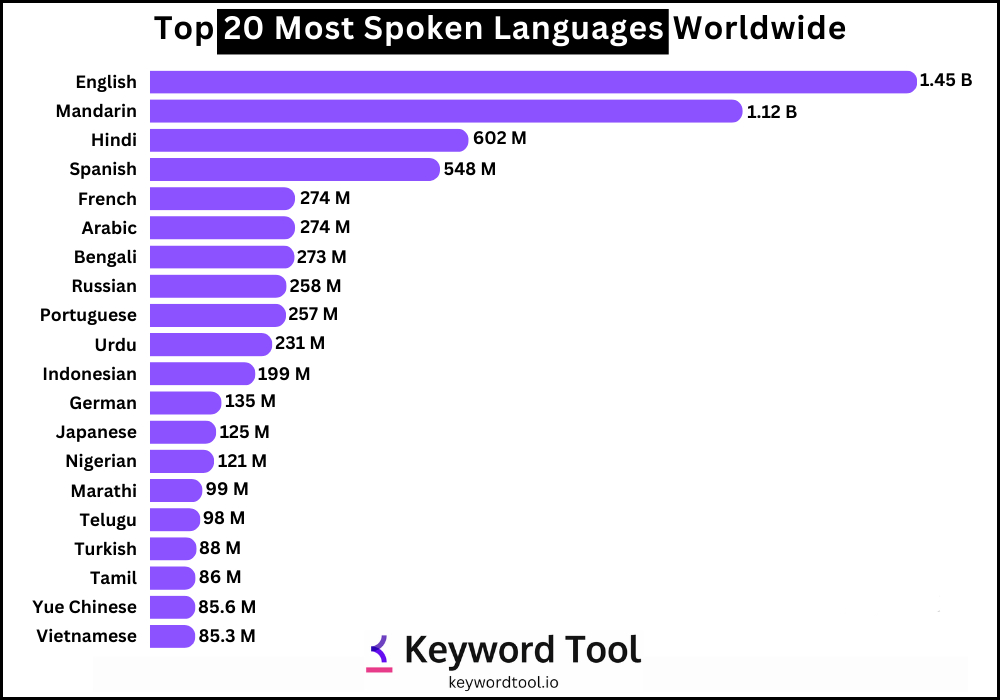
When we ask what the world’s most spoken language is through a technological lens, we find that the answer is multi-layered. Demographically, English and Mandarin lead the pack, but technologically, the answer is more nuanced. English remains the master key for the global tech stack, the language of the code documentation, and the primary training material for AI. Simultaneously, programming languages like JavaScript and Python act as the universal connective tissue for the world’s digital infrastructure.
However, the most significant shift is the rise of the “Translation Layer.” As AI becomes more sophisticated, the specific language an individual speaks will matter less than the technology they use to communicate. We are entering an era where the “most spoken language” is effectively Software—a dynamic, multi-modal interface that translates human thought into global action instantaneously. In the end, the language that will truly dominate the world is the one that most effectively integrates human creativity with machine efficiency, regardless of whether that language is expressed in words, symbols, or binary code.
aViewFromTheCave is a participant in the Amazon Services LLC Associates Program, an affiliate advertising program designed to provide a means for sites to earn advertising fees by advertising and linking to Amazon.com. Amazon, the Amazon logo, AmazonSupply, and the AmazonSupply logo are trademarks of Amazon.com, Inc. or its affiliates. As an Amazon Associate we earn affiliate commissions from qualifying purchases.