
In the landscape of modern technology, every hardware component—from the microprocessors in a smartphone to the servers in a data center—requires a unique identifier to facilitate tracking, security, and software integration. In the automotive world, this digital fingerprint is the Vehicle Identification Number (VIN). While often viewed simply as a series of characters etched onto a dashboard, the VIN is a sophisticated data string that serves as the foundation for automotive telematics, global supply chain management, and digital security protocols.
Understanding the VIN is essential for anyone navigating the intersection of transportation and technology. It is not merely a serial number; it is a complex code governed by international standards that allows software systems to communicate with hardware, ensuring that the right updates, parts, and security patches are applied to the correct machine.
The Anatomy of a VIN: A Masterclass in Data Encoding
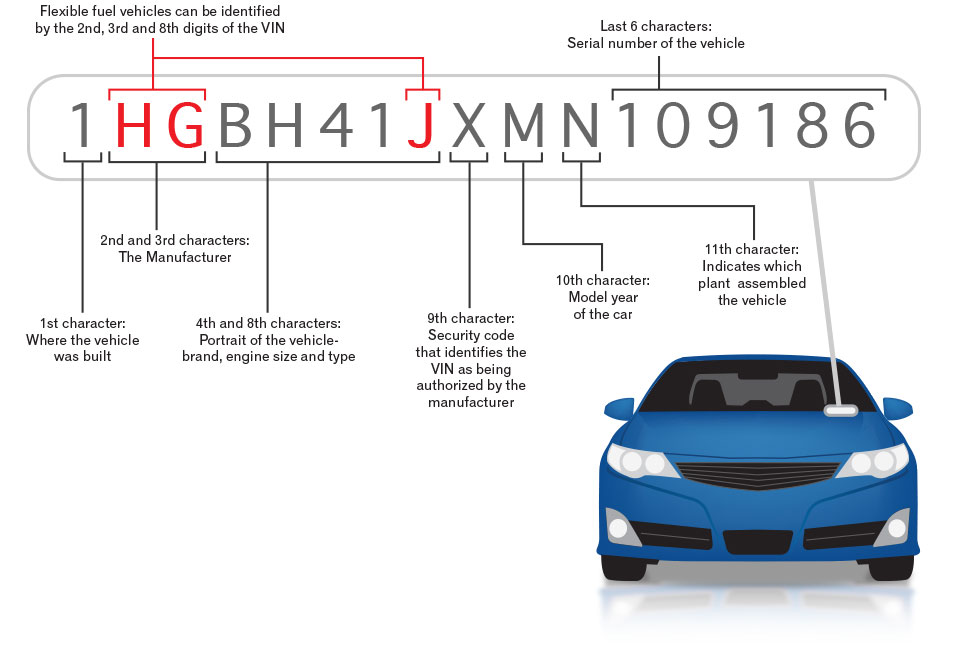
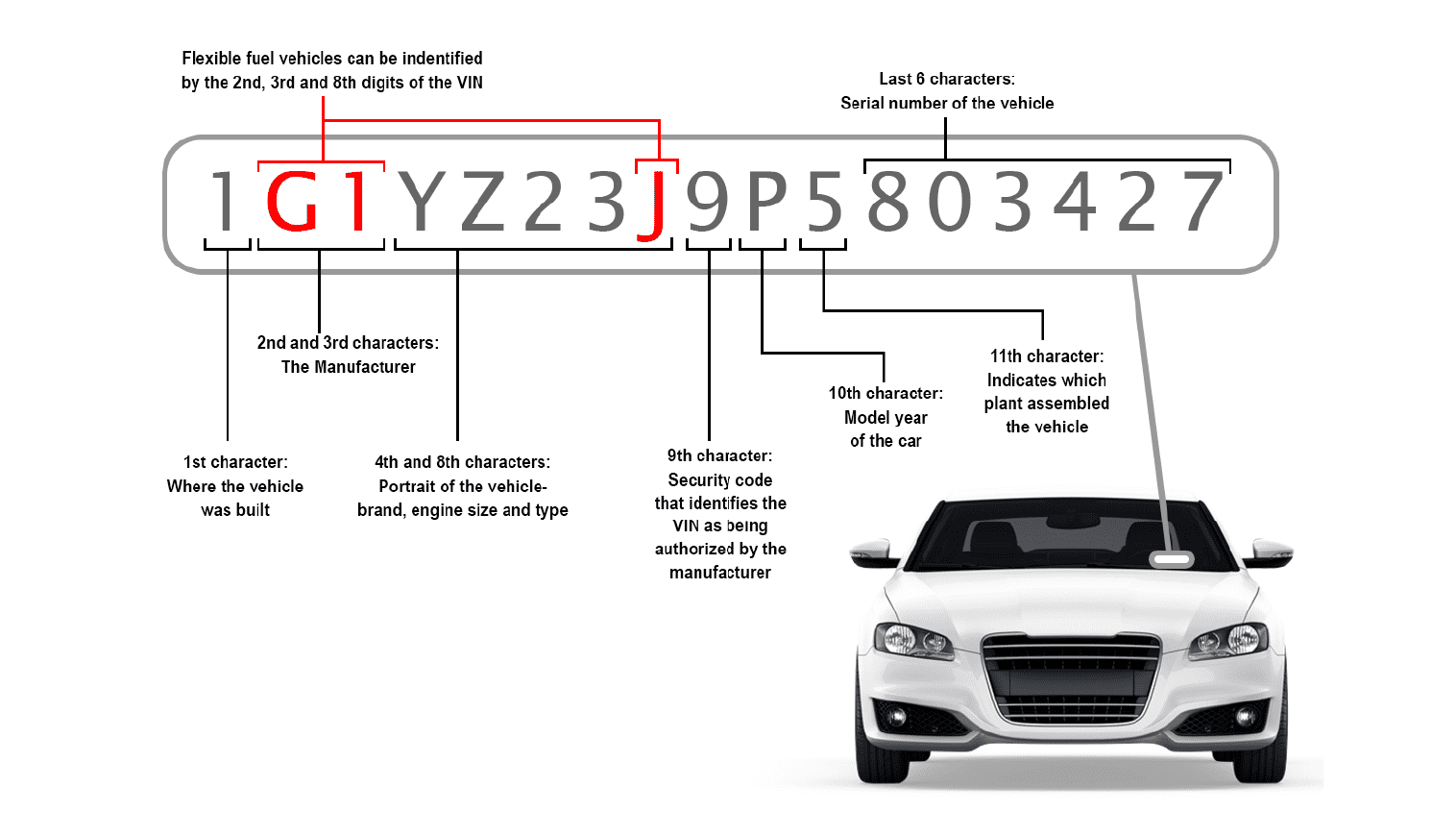
The modern VIN is a 17-character alphanumeric string that follows the ISO 3779 standard. This standardization, implemented globally in the early 1980s, transformed the way automotive data is structured. Each segment of the VIN contains specific data points that can be parsed by software to reveal a vehicle’s DNA.
The World Manufacturer Identifier (WMI)
The first three characters of the VIN constitute the World Manufacturer Identifier. This is the “IP address” of the automotive world. The first character identifies the country of origin (e.g., 1, 4, or 5 for the United States, J for Japan, W for Germany). The second character identifies the manufacturer, and the third character, when combined with the first two, identifies the specific division or vehicle type. For tech-integrated platforms, the WMI allows for the immediate categorization of hardware assets within a global database.
The Vehicle Descriptor Section (VDS)
Characters four through nine make up the Vehicle Descriptor Section. This is where the technical specifications reside. This segment identifies the vehicle type and can include information about the platform, body style, engine type, and even the safety features installed. For developers building diagnostic software or insurance tech (InsurTech) platforms, the VDS provides the necessary parameters to automate risk assessment and compatibility checks.
The Check Digit: The Original Data Integrity Tool
The ninth character is perhaps the most significant from a technical standpoint: the Check Digit. This is a mathematical algorithm used to verify the authenticity of the VIN itself. By applying a specific weight to each of the other characters and performing a complex calculation, the resulting number (or the letter ‘X’) must match the ninth character. This acts as a primary layer of digital security, preventing data entry errors and flagging many instances of VIN cloning or fraudulent modification.
The Vehicle Identifier Section (VIS)
The final eight characters (10 through 17) provide the granular details of the specific unit. The tenth character typically denotes the model year, while the eleventh indicates the specific assembly plant where the vehicle was manufactured. The remaining digits represent the sequential production number. In the context of “Digital Twins”—virtual replicas of physical assets—the VIS is what connects a specific vehicle to its cloud-based history, including every software update and sensor log ever recorded.
The Intersection of Hardware and Software: How VINs Power Modern Tech Ecosystems
In the era of the Software-Defined Vehicle (SDV), the VIN is the primary key used to bridge the gap between physical hardware and cloud-based services. It is the anchor point for the entire lifecycle of the vehicle’s digital existence.
Digital Security and Anti-Theft Protocols
Cybersecurity in the automotive sector has become a paramount concern as vehicles become increasingly connected. The VIN is integral to the Public Key Infrastructure (PKI) used by manufacturers. When a vehicle communicates with a server—for example, to verify a digital key on a smartphone—the VIN is often used as part of the handshake process. Secure hardware modules (HSMs) within the vehicle’s Electronic Control Units (ECUs) are frequently “VIN-locked,” meaning a component from one car cannot be swapped into another without professional re-programming. This prevents the black-market sale of stolen high-tech components and ensures the integrity of the vehicle’s internal network.
Over-the-Air (OTA) Updates and Software Management
Tesla, Rivian, and legacy OEMs moving toward digital-first models rely on the VIN to manage Over-the-Air (OTA) updates. When a manufacturer pushes a firmware update to improve battery efficiency or patch a security vulnerability in the infotainment system, the deployment is targeted via VIN ranges. This ensures that a vehicle receive software that is specifically compatible with its unique hardware configuration (as defined in the VDS). Without the precise tracking afforded by the VIN, the risk of “bricking” a vehicle’s computer system through incompatible software would be catastrophically high.
The Role of VINs in the Era of Big Data and AI
As we move toward autonomous driving and highly connected infrastructure, the data associated with a VIN becomes a valuable asset for Artificial Intelligence (AI) training and predictive modeling.
Predictive Maintenance through Telematics
Modern telematics systems stream real-time data from vehicle sensors to the cloud. By aggregating this data under the unique identifier of the VIN, AI algorithms can perform predictive maintenance. If a specific batch of sensors identified by a range of VINs begins to show a pattern of failure at 30,000 miles, the manufacturer can proactively notify owners or trigger a targeted recall. This shift from reactive to proactive maintenance is powered entirely by the relational databases that use the VIN as the primary key.
Blockchain and the Future of Immutable Vehicle Records
One of the most exciting trends in automotive tech is the use of blockchain to create immutable vehicle histories. Traditional records (service history, accident reports, mileage) are often fragmented across various proprietary databases. By creating a “Digital Passport” on a decentralized ledger, every event in a vehicle’s life can be cryptographically signed and attached to its VIN. This eliminates “odometer rollback” fraud and provides a transparent, verifiable history that increases the trust and value of the asset in the secondary market.
Practical Tech Applications: Tools for VIN Decoding and Verification
For developers, fleet managers, and tech enthusiasts, the ability to programmatically interact with VIN data is a critical skill. The rise of APIs and machine vision has made this easier than ever.
APIs and Developer Ecosystems
There are numerous RESTful APIs available (such as those provided by the NHTSA or private vendors like VINAudit) that allow developers to integrate VIN decoding into their own apps. By sending a GET request with a VIN string, a developer can receive a JSON response containing hundreds of data points about the vehicle. This tech stack is what powers everything from car-sharing apps to automated tolling systems.
Mobile Scanning and OCR Technology
The process of “reading” a VIN has transitioned from manual entry to advanced Optical Character Recognition (OCRs). Using computer vision, mobile applications can now scan the VIN barcode (usually located on the B-pillar) or the alphanumeric string on the dashboard with near-100% accuracy. This technology utilizes machine learning models trained to recognize various fonts and engravings under different lighting conditions, streamlining the “onboarding” of vehicles into digital platforms.

Future-Proofing Mobility: From VIN to Digital Twin
As we look toward the future, the concept of the Vehicle Identification Number is evolving. While the 17-character string remains the industry standard, it is increasingly serving as the “ID” for a vehicle’s Digital Twin.
A Digital Twin is a comprehensive digital model that evolves alongside the physical vehicle. It includes not just the static information found in a VIN decode, but a dynamic history of every sensor reading, software version, and hardware modification. In a world of autonomous “Robotaxis,” the VIN will be the identifier that allows a central AI orchestrator to assign missions to specific vehicles based on their current “health” and capabilities.
Furthermore, as the industry shifts toward Electric Vehicles (EVs), the VIN is being supplemented with specific identifiers for battery packs (the Battery Identification Number or BIN). The interaction between the VIN and the BIN will be crucial for the “circular economy,” allowing tech systems to track the second-life use of batteries in stationary storage after the vehicle itself has reached the end of its operational life.
In conclusion, the Vehicle Identification Number is much more than a legacy requirement for registration; it is a sophisticated data architecture that enables the modern automotive tech stack. From ensuring data integrity through the Check Digit algorithm to acting as the primary key for blockchain-based ledgers and AI-driven maintenance, the VIN is the silent engine driving the digital transformation of mobility. As vehicles continue to morph into mobile computers, the importance of this 17-character string as a bridge between the physical and digital worlds will only continue to grow.
aViewFromTheCave is a participant in the Amazon Services LLC Associates Program, an affiliate advertising program designed to provide a means for sites to earn advertising fees by advertising and linking to Amazon.com. Amazon, the Amazon logo, AmazonSupply, and the AmazonSupply logo are trademarks of Amazon.com, Inc. or its affiliates. As an Amazon Associate we earn affiliate commissions from qualifying purchases.