
The United States Dollar, commonly referred to by its currency code USD, is more than just the official legal tender of the United States. It is the primary engine of the global economy, the most traded currency in the world, and the bedrock of international finance. For investors, business owners, and individuals alike, understanding what the USD represents is essential to navigating the complexities of modern personal finance and global markets.
Since the mid-20th century, the USD has occupied a unique position as the world’s primary reserve currency. This means that central banks and financial institutions across the globe hold vast quantities of U.S. dollars to facilitate international trade, stabilize their own currencies, and manage national debt. To understand the USD today, one must look at its historical evolution, its role in the global financial infrastructure, and the economic factors that dictate its fluctuating value.

The Evolution of the USD: From Gold to Fiat
The journey of the USD from a nascent colonial currency to a global superpower is a study in economic shifting. The formal history of the dollar began with the Coinage Act of 1792, which established the dollar as the standard unit of money in the United States. In its early iterations, the value of the dollar was tethered to physical commodities, specifically gold and silver.
The Gold Standard and Bretton Woods
For much of the 19th and early 20th centuries, the USD operated under a gold standard. This system meant that the paper notes in circulation could be exchanged for a specific weight of gold. The stability provided by this link was significant, but it also limited the government’s ability to respond to economic crises, such as the Great Depression.
The turning point for the USD’s global dominance arrived in 1944 with the Bretton Woods Agreement. As World War II drew to a close, delegates from 44 nations met to establish a new international monetary system. Under this agreement, the USD was officially designated as the world’s primary reserve currency, pegged to gold at a rate of $35 per ounce. Other nations, in turn, pegged their currencies to the dollar. This made the USD the literal anchor of the global economy.
The Move to Fiat Currency
The Bretton Woods system faced immense pressure in the 1960s as U.S. spending on social programs and the Vietnam War led to an oversupply of dollars relative to gold reserves. In 1971, President Richard Nixon famously suspended the convertibility of the dollar into gold—an event known as the “Nixon Shock.”
This transition transformed the USD into a “fiat” currency. A fiat currency has no intrinsic value and is not backed by a physical commodity like gold or silver. Instead, its value is derived from the “full faith and credit” of the issuing government. Today, the USD’s value is maintained through the monetary policy of the Federal Reserve and the collective confidence of the global market.
The USD as the World’s Reserve Currency
To understand the USD’s power, one must look at its role in international trade. Despite the rise of other major currencies like the Euro or the Chinese Yuan, the USD remains the dominant medium of exchange. According to the International Monetary Fund (IMF), the USD still accounts for a significant majority of global foreign exchange reserves held by central banks.
The Petrodollar System
One of the most critical pillars of the USD’s global status is the “petrodollar” system. In the 1970s, the U.S. reached an agreement with Saudi Arabia and other OPEC nations to price oil exclusively in U.S. dollars. Because oil is the world’s most essential commodity, every nation needs dollars to buy energy. This creates a perpetual, global demand for the USD, regardless of the internal economic conditions of the United States.
A Safe Haven Asset
In times of geopolitical instability or economic turmoil, investors often flee to “safe-haven” assets. The USD is widely considered the ultimate safe haven. When the global markets experience high volatility, demand for the dollar typically spikes as investors seek the liquidity and perceived security of U.S. Treasury bonds and dollar-denominated assets. This unique status allows the United States to borrow money at lower interest rates than most other nations, a phenomenon often described as the dollar’s “exorbitant privilege.”
Economic Levers: What Influences the Value of the USD?
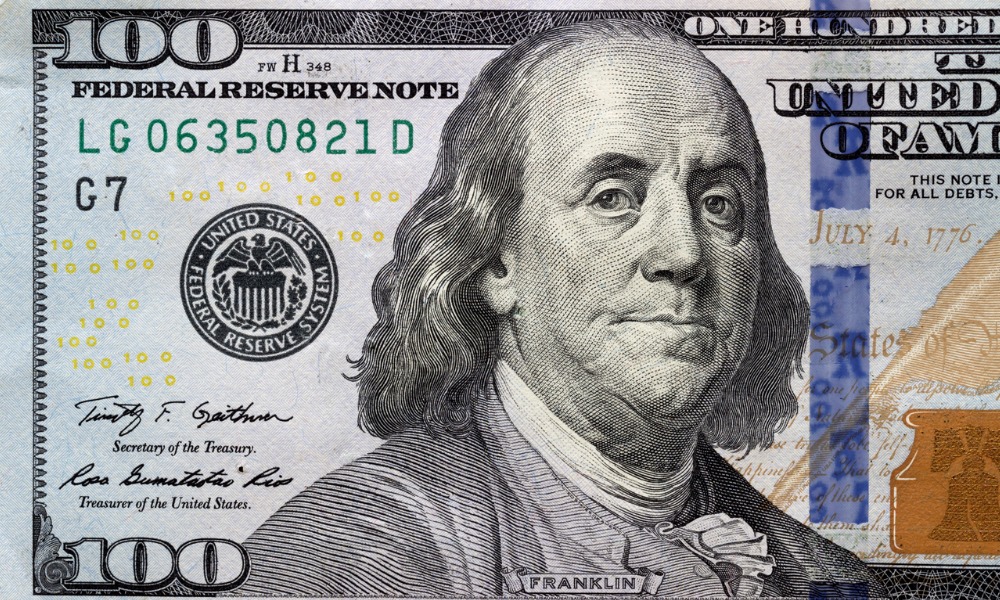
In the world of personal finance and investing, the value of the USD is never static. It fluctuates against other currencies based on a variety of macroeconomic factors. For anyone managing a portfolio or running a business with international suppliers, monitoring these levers is vital.
The Role of the Federal Reserve
The Federal Reserve, the central bank of the United States, is the primary architect of the dollar’s value. Through the Federal Open Market Committee (FOMC), the Fed adjusts interest rates to manage inflation and employment. When the Fed raises interest rates, the USD typically strengthens. Higher rates offer better returns on dollar-denominated investments, attracting foreign capital and increasing demand for the currency. Conversely, lowering interest rates can lead to a weaker dollar as investors seek higher returns elsewhere.
Inflation and Purchasing Power
Inflation is the silent eroder of currency value. When the supply of money grows faster than the production of goods and services, the purchasing power of each individual dollar declines. Over time, inflation means that one USD buys fewer goods than it did a decade ago. For those focused on long-term wealth preservation, understanding inflation is the primary reason to move cash into appreciating assets like stocks, real estate, or commodities.
The U.S. Dollar Index (DXY)
Investors track the strength of the dollar using the U.S. Dollar Index, or the DXY. This index measures the value of the USD against a basket of six major world currencies: the Euro, Japanese Yen, British Pound, Canadian Dollar, Swedish Krona, and Swiss Franc. A rising DXY indicates a “strong” dollar, which makes foreign goods cheaper for Americans but makes U.S. exports more expensive and less competitive abroad.
Investing and the USD: Strategies for Navigating Currency Risk
For the individual investor, the USD is the “denominator” for most assets. When you buy a stock on the NYSE or a piece of real estate in Florida, you are pricing that asset in dollars. However, the currency itself is a variable that can impact total returns.
The Impact on Multinational Corporations
If you invest in large-cap U.S. companies, you are indirectly exposed to currency fluctuations. When the USD is strong, companies that generate a significant portion of their revenue abroad (like Apple or Microsoft) may see their profits dip when they convert foreign earnings back into dollars. Conversely, a weaker dollar can provide a “tailwind” for these companies, making their international earnings appear larger on their balance sheets.
Forex Trading and Diversification
The Foreign Exchange (Forex) market is where the USD is traded against other currencies 24 hours a day. While retail forex trading is high-risk, many sophisticated investors use currency diversification as a hedge. Holding assets in other currencies or investing in international markets can protect a portfolio if the USD experiences a period of prolonged weakness.
Commodities and the Inverse Relationship
Historically, there has been an inverse relationship between the USD and commodities like gold and oil. Since these commodities are priced in dollars globally, a weaker dollar makes them cheaper for foreign buyers, often driving up the price. For investors looking to hedge against a devaluing dollar, commodities have traditionally served as a reliable counterweight.
The Future of the USD: Challenges and Innovation
As we move further into the 21st century, the supremacy of the USD faces new challenges. While it remains the dominant force, several trends are shifting the landscape of global finance.
De-dollarization and Geopolitics
In recent years, several nations—most notably the BRICS bloc (Brazil, Russia, India, China, and South Africa)—have explored ways to conduct trade in their local currencies to reduce their reliance on the USD. This process, known as de-dollarization, is driven by a desire for greater economic autonomy and a reaction to the U.S. government’s use of the dollar as a tool for economic sanctions. While the dollar is unlikely to be replaced overnight due to the sheer depth and liquidity of U.S. financial markets, these shifts are being closely watched by economists.
Digital Currencies and CBDCs
The rise of digital assets has introduced another layer of complexity. The Federal Reserve is currently exploring the potential for a Central Bank Digital Currency (CBDC)—often referred to as a “digital dollar.” A CBDC would be a digital form of the USD, issued and backed by the central bank. The goal of such an innovation would be to modernize the payment system, reduce transaction costs, and ensure the USD remains competitive in a world where digital transactions are becoming the norm.

Final Thoughts for the Financially Conscious
The USD is not just a piece of paper or a digital balance; it is a global social contract backed by the economic output of the United States. For anyone interested in money, investing, or business finance, the USD is the fundamental starting point. By understanding how the dollar is managed, why it holds its value, and what risks it faces, you can make more informed decisions about how to earn, save, and invest your wealth in an ever-changing global marketplace. Whether the dollar remains the undisputed king or gradually shares its throne with emerging digital and national currencies, its influence on your personal financial health remains absolute.
aViewFromTheCave is a participant in the Amazon Services LLC Associates Program, an affiliate advertising program designed to provide a means for sites to earn advertising fees by advertising and linking to Amazon.com. Amazon, the Amazon logo, AmazonSupply, and the AmazonSupply logo are trademarks of Amazon.com, Inc. or its affiliates. As an Amazon Associate we earn affiliate commissions from qualifying purchases.