
The question of Palantir’s stock price is rarely just about a single numerical value flashing on a ticker tape. For investors, the price of Palantir Technologies (PLTR) represents a complex intersection of high-growth software scaling, geopolitical significance, and the aggressive expansion of artificial intelligence in the enterprise sector. Since its direct listing on the New York Stock Exchange in September 2020, Palantir has transformed from a secretive data analytics firm serving intelligence agencies into a dominant force in the commercial data theater. To understand the price of PLTR today, one must look beyond the daily fluctuations and examine the underlying financial drivers, market sentiment, and the long-term valuation metrics that define its position in the modern “Money” landscape.
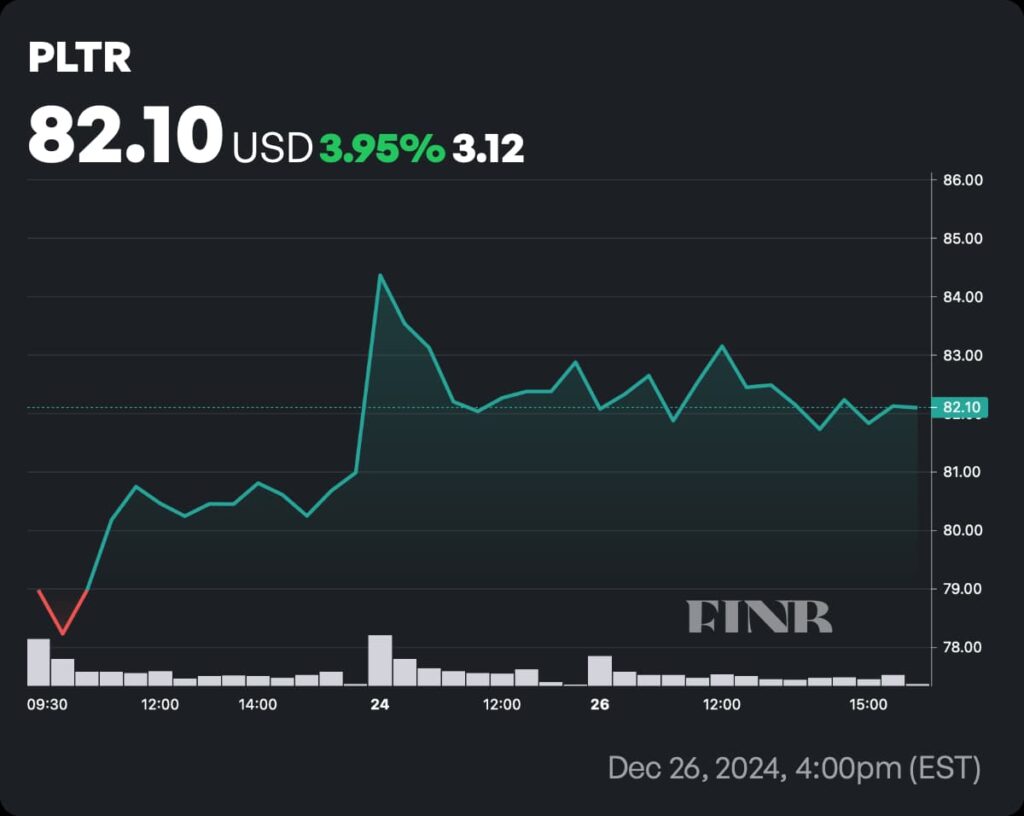
Understanding Palantir’s Market Valuation and Price Action
The share price of Palantir is a reflection of the market’s collective expectation for future cash flows. Unlike traditional value stocks that are priced based on steady, predictable dividends, Palantir is categorized as a high-growth technology stock, specifically within the Software-as-a-Service (SaaS) and data analytics niche. This means its price is often more volatile, reacting sharply to earnings beats, new contract announcements, and shifts in the macroeconomic environment.
The Dynamics of PLTR Share Price
At its core, the price of PLTR is driven by supply and demand within the equity markets, but that demand is fueled by the company’s ability to prove its “operating leverage.” Investors pay close attention to how much Palantir’s revenue grows relative to its operating expenses. In recent fiscal years, the stock price has seen significant upward pressure as the company transitioned from GAAP (Generally Accepted Accounting Principles) losses to consistent GAAP profitability. This transition is a critical milestone for any growth company, as it often leads to institutional inclusion, such as the company’s recent addition to the S&P 500 index. Inclusion in such indices forces passive funds and ETFs to purchase shares, creating a fundamental “floor” for the stock price.
Historical Performance and Volatility
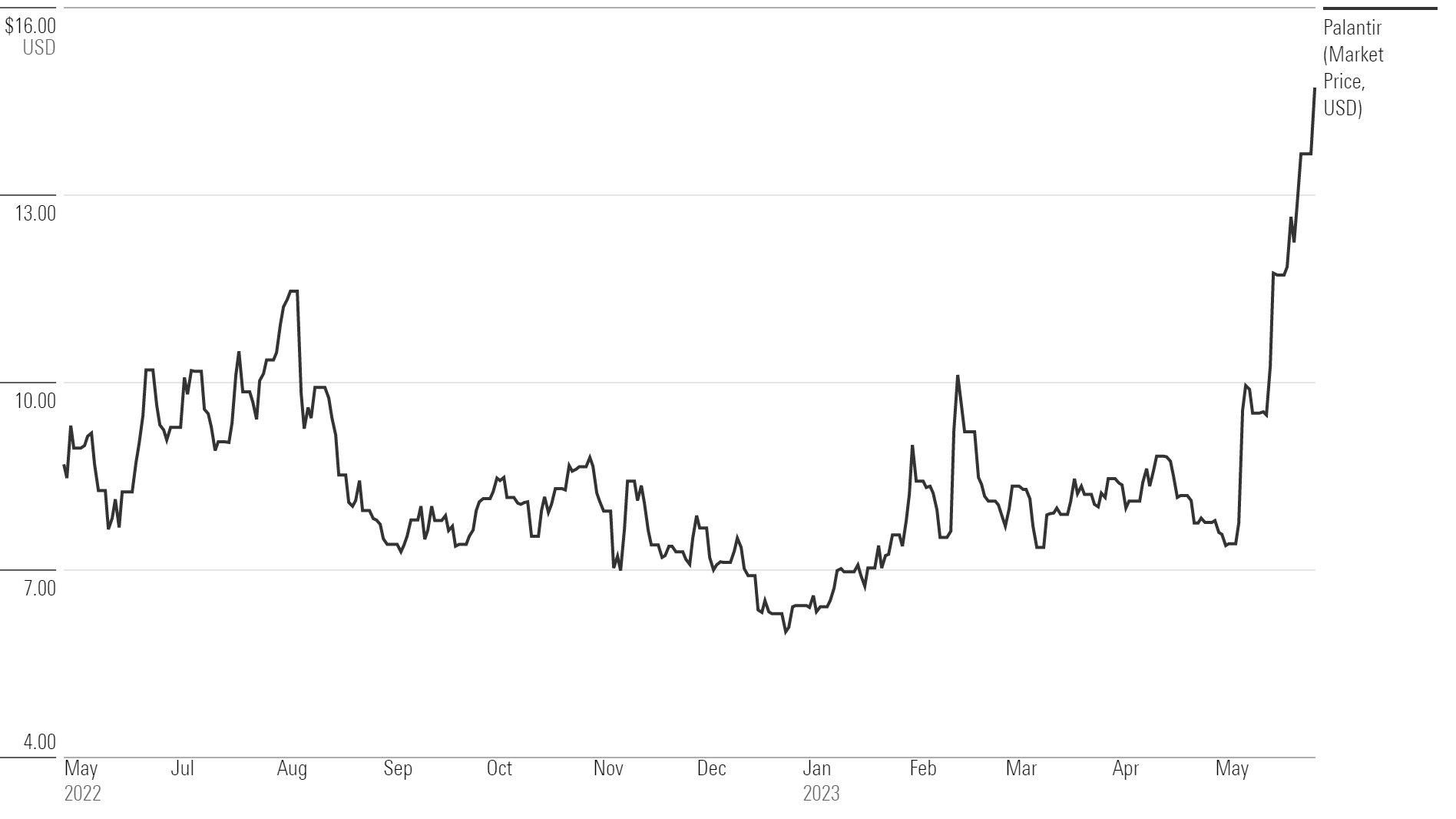
Palantir’s price history has been a rollercoaster. After its direct listing at around $10 per share, it skyrocketed during the retail trading boom of 2021, reaching highs in the mid-$30s, before crashing back down as interest rates rose and “risk-off” sentiment took hold of the market. The recovery observed in the last 18 to 24 months has been driven by a fundamental shift in the business model—specifically the launch and rapid adoption of the Artificial Intelligence Platform (AIP). This historical context is vital because it demonstrates that Palantir’s price is highly sensitive to the broader tech cycle and the prevailing narrative surrounding AI.
Key Drivers Influencing Palantir’s Stock Performance
When evaluating the price of Palantir, investors must look at the specific catalysts that move the needle. The company operates in two primary segments: Government and Commercial. The health of these segments dictates the trajectory of the stock.
Government Contracts and Defense Spending
A significant portion of Palantir’s valuation is anchored in its deep-rooted relationships with the U.S. government and its allies. Its Gotham platform is used for everything from counter-terrorism to disaster relief. From an investment perspective, government revenue is highly desirable because it is “sticky”—once a government agency integrates Palantir’s software into its core operations, the switching costs are enormous. Large, multi-year contracts provide a predictable revenue base that supports the stock price during periods of economic uncertainty. However, the lumpy nature of government contracting—where a single delayed deal can impact quarterly results—can lead to short-term price volatility.
Commercial Growth and the AIP Platform
While the government sector provides the foundation, the commercial sector provides the growth “alpha.” Palantir’s Foundry platform and its newer AIP (Artificial Intelligence Platform) are designed to help private enterprises optimize supply chains, reduce costs, and integrate large language models (LLMs) into their workflows. The market currently prices Palantir at a premium because of its “bootcamp” strategy. By allowing potential customers to test AIP in intensive, hands-on sessions, Palantir has dramatically shortened its sales cycle. Investors track the growth in commercial customer count as a leading indicator of future stock price appreciation. If the commercial segment continues to grow at 40% or 50% year-over-year, the stock price typically reflects this as an expansion in the company’s price-to-sales (P/S) multiple.
Earnings Reports and Profitability Milestones
The most immediate impacts on Palantir’s price occur during quarterly earnings calls. Investors look for three specific metrics: revenue growth, margin expansion, and guidance. Guidance is particularly important; if management raises its full-year outlook, the stock often gaps up. Palantir’s recent achievement of GAAP net income profitability was a watershed moment. It signaled to the “Big Money” on Wall Street that the company was no longer a speculative venture but a maturing, self-sustaining financial powerhouse.
Analyzing the Financial Fundamentals of Palantir

To determine if the current price of Palantir is “fair,” an investor must dive into the balance sheet and income statement. Valuation in the tech sector often relies on specific ratios that compare the stock price to the company’s actual financial output.
Revenue Growth and Margin Expansion
Palantir has consistently demonstrated a high “Rule of 40” score—a popular SaaS metric that adds a company’s growth rate to its profit margin. A score over 40 is considered excellent. Palantir’s ability to maintain high revenue growth while simultaneously increasing its operating margins is a major reason why its stock price often commands a premium compared to its peers. As the company scales, the cost to deliver its software does not rise as quickly as its revenue, leading to “exponential” profit potential. This scalability is a primary factor that long-term investors use to justify a higher share price today.
Free Cash Flow and Balance Sheet Strength
A company’s stock price is ultimately a claim on its future free cash flow (FCF). Palantir maintains a fortress-like balance sheet with billions in cash and no debt. This financial stability is a significant de-risking factor for the stock price. In a high-interest-rate environment, companies with heavy debt loads see their prices suppressed due to rising interest expenses. Palantir, conversely, earns interest income on its cash reserves, which contributes to its bottom line. For the “Money” conscious investor, this provides a safety margin that speculative, debt-heavy tech firms lack.
The Broader Market Context: Why the Price Fluctuates
No stock exists in a vacuum, and Palantir is no exception. Its price is often influenced by external factors that have little to do with the company’s actual performance but everything to do with the global financial climate.
Macroeconomic Factors and Interest Rates
Growth stocks like Palantir are highly sensitive to the Federal Reserve’s interest rate policy. When rates are high, the “discount rate” applied to future earnings increases, which lowers the present value of the stock. This is why PLTR, along with much of the Nasdaq, faced headwinds during the inflation-fighting period of 2022 and 2023. Conversely, expectations of rate cuts or a “soft landing” for the economy tend to propel the stock price upward as investors become more willing to pay for future growth.
The AI Hype vs. Tangible Results
We are currently in an era where any mention of “AI” can cause a stock to rally. However, the market is becoming more discerning. Palantir’s price is currently benefiting from the fact that it is one of the few companies showing tangible, real-world ROI from AI implementation. When the broader “AI bubble” faces a correction, Palantir’s price may be dragged down by sector sentiment. However, its ability to show actual revenue from these technologies often allows it to decouple from the “vaporware” companies and recover more quickly.
Investment Outlook: Is Palantir a Buy, Hold, or Sell?
Deciding whether the current price of Palantir represents a good entry point requires a balanced view of its future prospects and the risks involved.
Long-term Growth Catalysts
The bull case for Palantir revolves around it becoming the “operating system for the modern enterprise.” As more companies realize that data is their most valuable asset, the demand for Palantir’s integration layers (Foundry and AIP) is expected to grow. Furthermore, the increasing geopolitical tensions globally suggest that government spending on sophisticated data defense systems will remain a priority. For investors with a five-to-ten-year horizon, the current price may be seen as a stepping stone toward a much larger market capitalization.
Potential Risks and Challenges
On the flip side, the bear case often points to Palantir’s high valuation. By traditional metrics like the Price-to-Earnings (P/E) ratio, the stock often appears “expensive.” If the company fails to meet its aggressive growth targets, the price could see a significant downward correction. Additionally, there is the risk of competition from other cloud giants like Microsoft or Amazon, who are also racing to integrate AI into their enterprise offerings. While Palantir’s software is unique, the market is crowded, and maintaining a competitive moat is expensive.
In conclusion, the price of Palantir stock is a barometer for the broader shift toward data-driven decision-making in both the public and private sectors. For the savvy investor, the current price is a reflection of a company that has successfully navigated its “startup” phase and is now cementing its role as a fundamental pillar of the global digital infrastructure. Whether the price is perceived as a bargain or an overextension depends entirely on one’s belief in the permanence of the AI revolution and Palantir’s ability to remain at its forefront.
aViewFromTheCave is a participant in the Amazon Services LLC Associates Program, an affiliate advertising program designed to provide a means for sites to earn advertising fees by advertising and linking to Amazon.com. Amazon, the Amazon logo, AmazonSupply, and the AmazonSupply logo are trademarks of Amazon.com, Inc. or its affiliates. As an Amazon Associate we earn affiliate commissions from qualifying purchases.