
In the clinical world, the question of what is the percentage of miscarriage has historically been answered with broad statistical ranges—typically cited between 10% and 25% of all recognized pregnancies. However, as we move deeper into the era of big data, artificial intelligence, and the explosion of the FemTech (Female Technology) industry, these figures are being scrutinized, refined, and contextualized through a digital lens. Technology is no longer just a tool for tracking a cycle; it has become the primary engine for understanding the nuances of early pregnancy loss, providing a more granular look at the data that governs reproductive health.
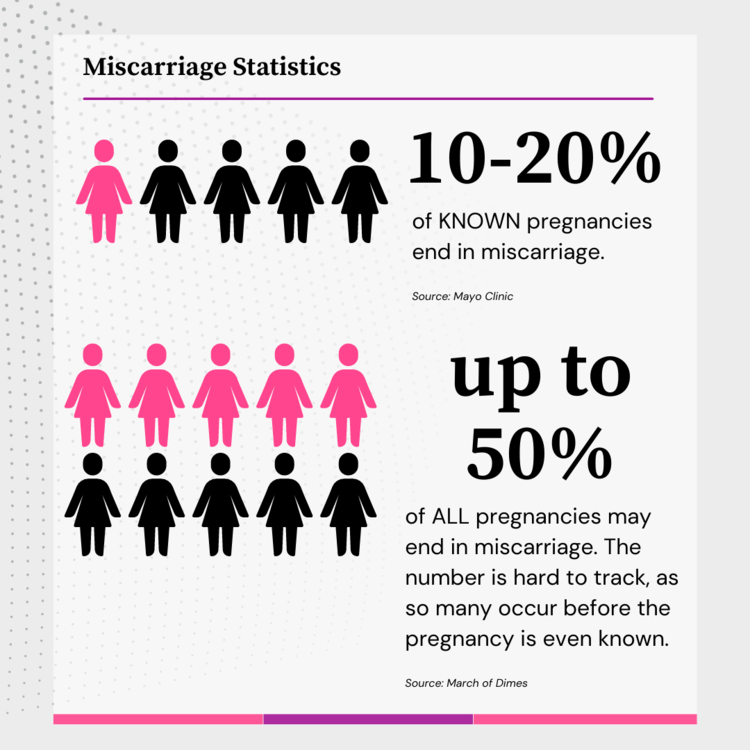
The intersection of software development and biological research has shifted the conversation from static percentages to dynamic, predictive models. By leveraging machine learning and high-frequency data collection from wearables, the tech industry is providing the medical community and individuals with unprecedented insights into why these percentages exist and how they fluctuate across different demographics and environmental conditions.
The Data Revolution: Refining Clinical Percentages through Big Data
Traditionally, the percentage of miscarriage was a difficult metric to track with precision because many losses occur before a person even realizes they are pregnant. Clinical statistics often relied on hospital records, which only capture data after a patient seeks medical intervention. This created a “data shadow” where early chemical pregnancies were largely uncounted.
From Static Stats to Real-Time Monitoring
The rise of menstruation and pregnancy tracking apps has fundamentally changed this landscape. With millions of users logging daily physiological data—ranging from basal body temperature (BBT) to cervical mucus consistency—developers now have access to massive longitudinal datasets. This allows data scientists to identify the exact moment of implantation and the subsequent loss of a pregnancy that might otherwise have gone unnoticed. By analyzing these “micro-events” across millions of users, FemTech platforms are helping to provide a more accurate, albeit higher, estimated percentage of total conceptions that result in loss.
The Role of Cloud Computing in Population Health
Cloud-based analytics allow researchers to aggregate anonymized data from diverse geographical locations. This tech-driven approach reveals how environmental factors, socioeconomic status, and regional healthcare access influence miscarriage percentages. Instead of a single global average, developers are creating localized data models that help healthcare providers understand specific risk factors within their patient populations, moving away from a “one-size-fits-all” statistical approach.
AI and Predictive Analytics in Early Pregnancy Detection
Artificial Intelligence is the most significant technological leap in reproductive health over the last decade. Machine learning (ML) algorithms are now being trained to recognize the subtle physiological markers that precede a miscarriage, offering a level of foresight that was previously impossible.
Neural Networks and Biomarker Analysis
Modern diagnostic tech utilizes neural networks to analyze blood panels and ultrasound imagery with higher precision than the human eye. In the context of miscarriage percentages, AI can process thousands of data points—such as fluctuating levels of Human Chorionic Gonadotropin (hCG) and progesterone—to predict the viability of a pregnancy. These tools don’t just state a percentage of risk; they provide a roadmap for intervention, allowing clinicians to potentially adjust hormone therapies in real-time based on the software’s output.
Wearable Integration and Continuous Data Streams
The integration of IoT (Internet of Things) devices, such as the Oura Ring, Ava Bracelet, and Apple Watch, has introduced continuous monitoring into the pregnancy space. These devices track Heart Rate Variability (HRV) and skin temperature, which can signal physiological stress or hormonal shifts associated with early pregnancy loss. By correlating these data streams with known miscarriage percentages, AI models can alert users to seek medical consultation earlier, shifting the paradigm from reactive treatment to proactive monitoring.
The Rise of FemTech: UX Design and Emotional Data Handling
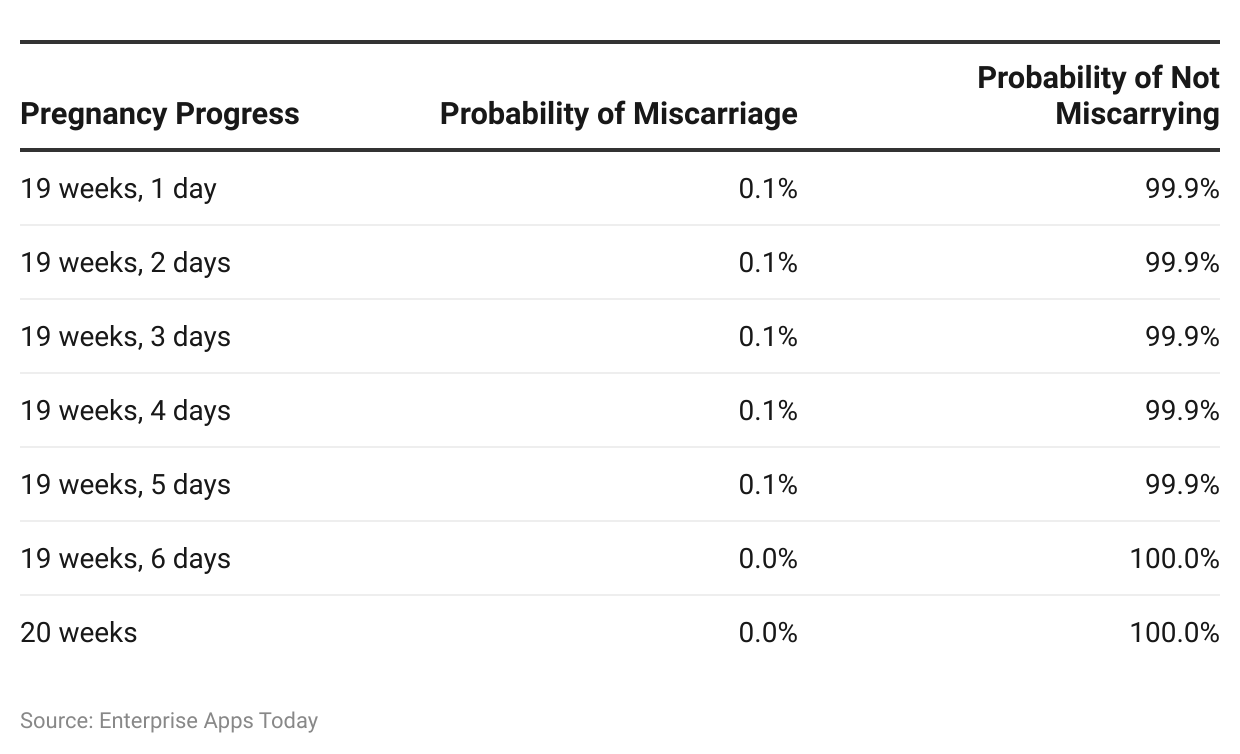
As technology assumes a larger role in managing reproductive health, the user experience (UX) and user interface (UI) of these platforms have become critical. Dealing with the “percentage of miscarriage” isn’t just about cold data; it involves sensitive human experiences that require a thoughtful digital approach.
Designing for the Full Spectrum of Outcomes
In the early days of FemTech, many apps were criticized for their “happy path” design—software that assumed every pregnancy would result in a live birth. When a loss occurred, users were often met with insensitive automated notifications or a lack of options to stop pregnancy tracking. Modern UI/UX strategy now prioritizes “compassionate tech,” where algorithms are designed to detect a cessation of pregnancy symptoms or a manual entry of loss, immediately pivoting the interface to provide resources and data privacy for the user.
Ethical Data Storage and the Privacy Frontier
The sensitivity of miscarriage data has made digital security a paramount concern within the tech niche. Since the percentage of miscarriage is a sensitive health metric, FemTech companies are increasingly adopting end-to-end encryption and decentralized data storage solutions. In a post-Roe v. Wade digital landscape, the “tech” behind the data is as much about protection as it is about projection. Companies are now marketing their privacy protocols—such as “incognito modes” and hardware-level encryption—as core features of their brand identity.
Remote Monitoring and the Digitalization of Clinical Care
The physical barriers to healthcare are being dismantled by telehealth and remote patient monitoring (RPM) technologies. This shift is particularly impactful for those in rural or underserved areas, where the percentage of miscarriage can often be higher due to lack of immediate intervention.
Virtual Clinics and Synchronous Diagnostics
Telehealth platforms specifically designed for reproductive health (such as Maven Clinic or Carrot Fertility) utilize integrated software to connect patients with specialists instantly. These platforms use digital intake forms that calculate a user’s specific risk percentage based on their medical history, age, and lifestyle, providing immediate triage. This digital-first approach ensures that patients experiencing symptoms of early loss receive guidance without the need for a physical office visit, which can be critical for time-sensitive treatments.
At-Home Testing Kits and App Integration
The “lab-to-home” trend has seen a surge in sophisticated testing kits that measure everything from ovarian reserve to early pregnancy health. These kits are often paired with a mobile app that uses the smartphone camera to “read” test strips or uses Bluetooth to sync results. By putting the tools of a lab into the hands of the consumer, technology is democratizing access to the data behind miscarriage percentages, allowing individuals to monitor their own biological markers with professional-grade accuracy.
The Future of Reproductive Tech: Blockchain and Global Research
Looking forward, the tech industry is exploring how blockchain technology can further refine our understanding of reproductive health statistics. The goal is to create a global, immutable, and anonymous database of pregnancy outcomes that can be used by researchers worldwide.
Decentralized Health Records (DHR)
By using blockchain, a patient’s reproductive history—including incidents of miscarriage—can be stored in a way that the patient owns the data. This “sovereign identity” in tech allows for the seamless transfer of records between different providers and software platforms without compromising privacy. For researchers, this means access to a massive, clean dataset that can finally provide a definitive answer to what the true percentage of miscarriage is across different populations, free from the biases of traditional clinical reporting.

Crowdsourced Science and Citizen Developers
We are seeing a rise in open-source projects where developers and medical professionals collaborate to build tools for tracking reproductive loss. These grassroots tech movements focus on transparency and data-sharing, aiming to reduce the stigma of miscarriage by highlighting its statistical commonality through interactive data visualizations. As these tools become more sophisticated, they will play a vital role in educating the public and the tech community alike on the realities of biological data.
In conclusion, the question of what is the percentage of miscarriage is being answered with increasing precision by the tech industry. Through the combination of AI-driven analytics, compassionate UX design, and robust data security, we are moving toward a future where reproductive health is not just a clinical mystery, but a data-driven field of empowerment. As software continues to evolve, the percentages will become more than just numbers—they will become actionable insights that improve care, privacy, and outcomes for millions of users worldwide.
aViewFromTheCave is a participant in the Amazon Services LLC Associates Program, an affiliate advertising program designed to provide a means for sites to earn advertising fees by advertising and linking to Amazon.com. Amazon, the Amazon logo, AmazonSupply, and the AmazonSupply logo are trademarks of Amazon.com, Inc. or its affiliates. As an Amazon Associate we earn affiliate commissions from qualifying purchases.