
The Gross Domestic Product (GDP) of the United States serves as the primary barometer for the nation’s economic health, acting as a scorecard for the total value of all goods and services produced over a specific period. For investors, business owners, and individuals managing personal finances, understanding the current state of the GDP is not merely an academic exercise; it is a fundamental necessity for making informed financial decisions. As of the latest data released by the Bureau of Economic Analysis (BEA), the U.S. economy has shown remarkable resilience, defying expectations of a slowdown despite aggressive monetary tightening by the Federal Reserve.
Understanding the Current State of the US GDP
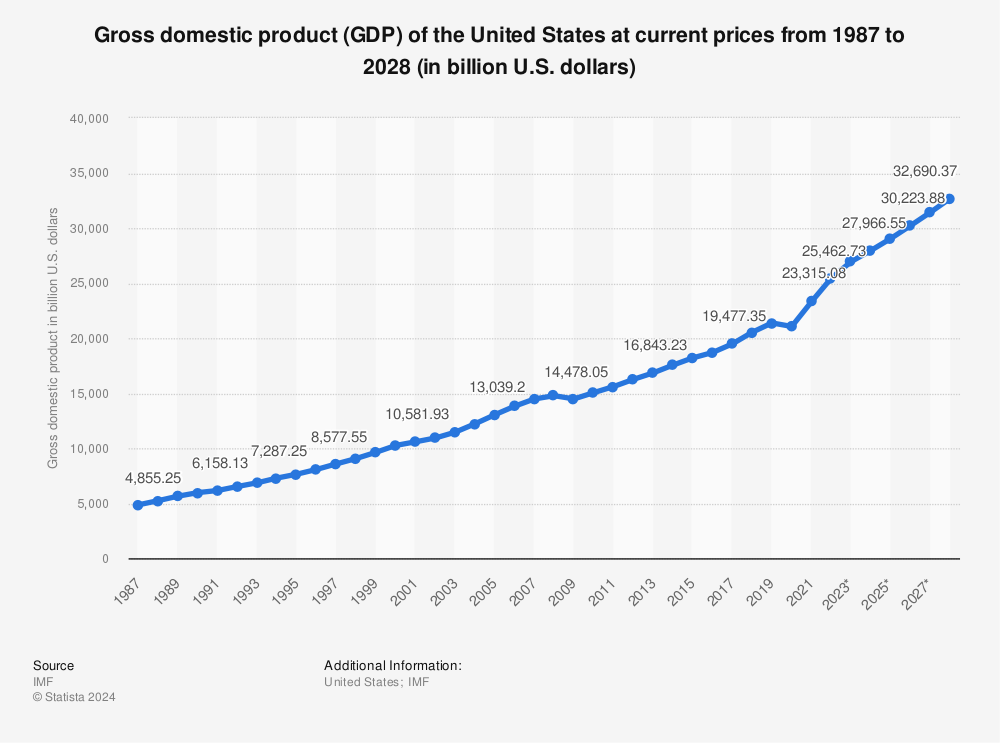
To grasp the current U.S. GDP, one must look at both the nominal figures and the real, inflation-adjusted growth rates. In the most recent fiscal quarters, the U.S. economy has maintained a trajectory of growth that many analysts describe as “robust.” The current dollar GDP has surpassed the $27 trillion mark, reflecting the massive scale of American economic output. However, for a true sense of progress, economists focus on “Real GDP,” which accounts for price changes and reveals the actual volume of economic expansion.
The Latest Numbers: Growth and Resilience
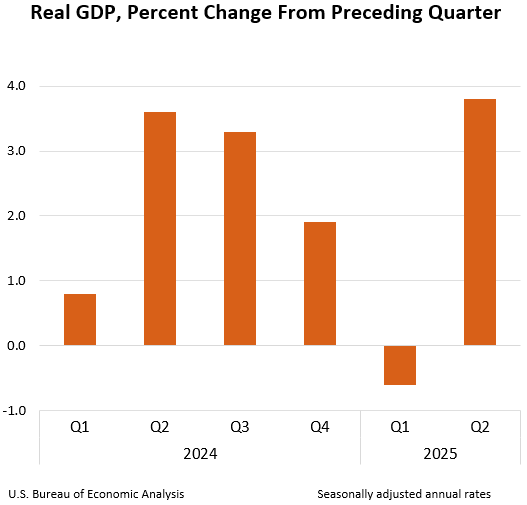
In the latter half of 2023 and moving into 2024, the U.S. Real GDP grew at an annual rate exceeding 3%. This growth was largely driven by strong consumer spending and increased government expenditures. This period of expansion followed a period of intense concern regarding a potential recession. Instead, the economy showcased a “soft landing” scenario, where inflation cooled while production remained steady. The ability of the GDP to stay in positive territory while the Federal Reserve maintained high interest rates suggests a structural strength in the American labor market and domestic consumption.
The Four Pillars of GDP
To understand why the GDP is at its current level, we must break it down into its core components: Personal Consumption Expenditures, Gross Private Domestic Investment, Government Consumption Expenditures and Gross Investment, and Net Exports of Goods and Services.
- Consumption: This remains the engine of the U.S. economy, accounting for approximately 68% to 70% of total GDP. Even in the face of inflation, American consumers have continued to spend on both essential services and discretionary goods.
- Investment: This includes business spending on equipment, software, and residential construction. While high interest rates have dampened the housing market, business investment in technology and artificial intelligence has provided a significant offset.
- Government Spending: Federal, state, and local spending contributes significantly to the total output, particularly through infrastructure projects and defense.
- Net Exports: This represents the difference between what the U.S. sells abroad and what it buys. Historically, the U.S. runs a trade deficit, which acts as a slight mathematical drag on the total GDP figure, though it reflects the high demand for foreign goods within the domestic market.
The Impact of GDP on Personal Finance and Investing
The fluctuations in GDP are not just numbers on a spreadsheet; they have a direct impact on the stock market, interest rates, and the individual’s purchasing power. When GDP growth is positive, it generally signals a healthy environment for corporate earnings, which in turn fuels equity markets.
GDP and the Stock Market Connection
There is a strong, albeit sometimes lagged, correlation between GDP growth and corporate profitability. As the economy expands, companies sell more products and services. For the personal investor, a rising GDP provides a tailwind for diversified portfolios. During periods of robust GDP growth, cyclical sectors such as industrials, consumer discretionary, and technology often outperform. Conversely, when GDP growth slows, defensive sectors like utilities and healthcare become more attractive as investors seek stability. Understanding the current GDP trend allows investors to rotate their assets into sectors that are most likely to thrive in the prevailing economic climate.
Interest Rates and the “Wealth Effect”
The Federal Reserve monitors GDP growth closely to determine its monetary policy. If GDP grows too rapidly, it can lead to an overheated economy and rising inflation, prompting the Fed to raise interest rates. High interest rates increase the cost of borrowing for mortgages, car loans, and credit cards. For the individual, this means that a high GDP print can paradoxically lead to higher monthly expenses if it triggers a rate hike. On the positive side, higher rates often lead to better yields on savings accounts and certificates of deposit (CDs), providing a silver lining for conservative savers.
Key Indicators to Watch Alongside GDP

While GDP is the “headline” figure, it does not exist in a vacuum. To gain a holistic view of the financial landscape, one must look at the labor market and inflation data, which provide the necessary context for the GDP numbers.
The Labor Market and Consumer Sentiment
The current U.S. GDP strength is inextricably linked to the labor market. Low unemployment rates mean that more people have disposable income to fuel the consumption component of the GDP. When the labor market is tight, wages tend to rise. For personal finance management, this is a double-edged sword: higher wages increase individual wealth, but they can also contribute to “wage-push inflation,” which erodes the real value of that wealth. Monitoring the non-farm payroll reports alongside GDP releases helps investors gauge whether the economic growth is sustainable or if it is being artificially propped up by a temporary surge in employment.
Inflation and the Consumer Price Index (CPI)
The relationship between Real GDP and inflation is critical. If Nominal GDP grows by 5% but inflation is also 5%, the Real GDP growth is effectively zero. This means that while more money is changing hands, the actual standard of living is not improving. Currently, the U.S. has been navigating a path toward the Federal Reserve’s 2% inflation target. As inflation moderates while GDP remains positive, the “Real” growth becomes more meaningful for the average household, as it implies that wage growth is finally outpacing the rising cost of living.
Strategic Business Finance: Navigating Economic Growth
For entrepreneurs and corporate leaders, the current GDP data serves as a guide for capital allocation and risk management. A growing GDP suggests an environment where expansion is rewarded, while a stagnating GDP calls for cost-cutting and efficiency.
Adapting Business Models to GDP Trends
In a high-growth GDP environment, businesses often shift their strategy toward “top-line” growth. This involves investing in new markets, launching new products, and increasing marketing spend. The current economic resilience has encouraged many firms to continue their digital transformation journeys, investing heavily in AI and automation to increase productivity. Productivity is the “secret sauce” of GDP; if workers can produce more value per hour, the economy can grow without necessarily triggering inflation.
Risk Management in a Fluctuating Economy
Smart business finance requires preparing for the inevitable cyclicality of the GDP. While the current outlook may be positive, savvy financial officers use periods of growth to strengthen balance sheets. This includes refinancing debt when possible, maintaining healthy cash reserves, and diversifying supply chains. By understanding the components of GDP, such as the current shift from goods-based consumption to service-based consumption, businesses can pivot their offerings to align with where the money is actually flowing in the economy.
Future Outlook: Predicting the Path of the US Economy
As we look toward the future, the trajectory of the U.S. GDP will be influenced by several structural shifts, including demographic changes, technological advancements, and geopolitical stability.
The Role of Technology in Future Growth
Many economists believe that we are on the precipice of a significant productivity boom driven by artificial intelligence. If AI can successfully integrate into the services sector—which makes up the largest portion of the U.S. GDP—we could see a sustained period of non-inflationary growth. This would be a boon for investors, as it would allow for corporate profit expansion without the need for the Federal Reserve to keep interest rates in restrictive territory.
Long-term Wealth Building in the Current Climate
For the individual focused on long-term wealth, the current GDP data reinforces the importance of staying invested. History shows that the U.S. economy has a remarkable capacity for recovery and expansion. While quarterly fluctuations are common, the long-term trend of the U.S. GDP has been consistently upward. By maintaining a diversified investment strategy that accounts for the current economic health, individuals can capitalize on the inherent growth of the American enterprise system.
In conclusion, the current U.S. GDP is more than just a statistical measurement; it is a reflection of the collective activity of millions of consumers and businesses. By staying informed about GDP trends and understanding their implications for interest rates, market performance, and business strategy, you can navigate the complexities of the modern financial world with confidence and precision. Whether you are adjusting your personal investment portfolio or steering a multi-national corporation, the GDP remains your most vital North Star.
aViewFromTheCave is a participant in the Amazon Services LLC Associates Program, an affiliate advertising program designed to provide a means for sites to earn advertising fees by advertising and linking to Amazon.com. Amazon, the Amazon logo, AmazonSupply, and the AmazonSupply logo are trademarks of Amazon.com, Inc. or its affiliates. As an Amazon Associate we earn affiliate commissions from qualifying purchases.