
In the realm of global intellectual property, few entities command the level of brand equity and narrative complexity as Star Wars. What began in 1977 as a singular cinematic venture has evolved into a multi-generational ecosystem that serves as a primary case study for brand strategy and long-form narrative marketing. Understanding the chronological order of the Star Wars films is not merely a task for enthusiasts; it is an exploration of how a brand can successfully navigate decades of expansion while maintaining a cohesive corporate identity. For marketers and brand strategists, the timeline represents a sophisticated architecture designed to maximize lifecycle value and consumer engagement across diverse demographics.
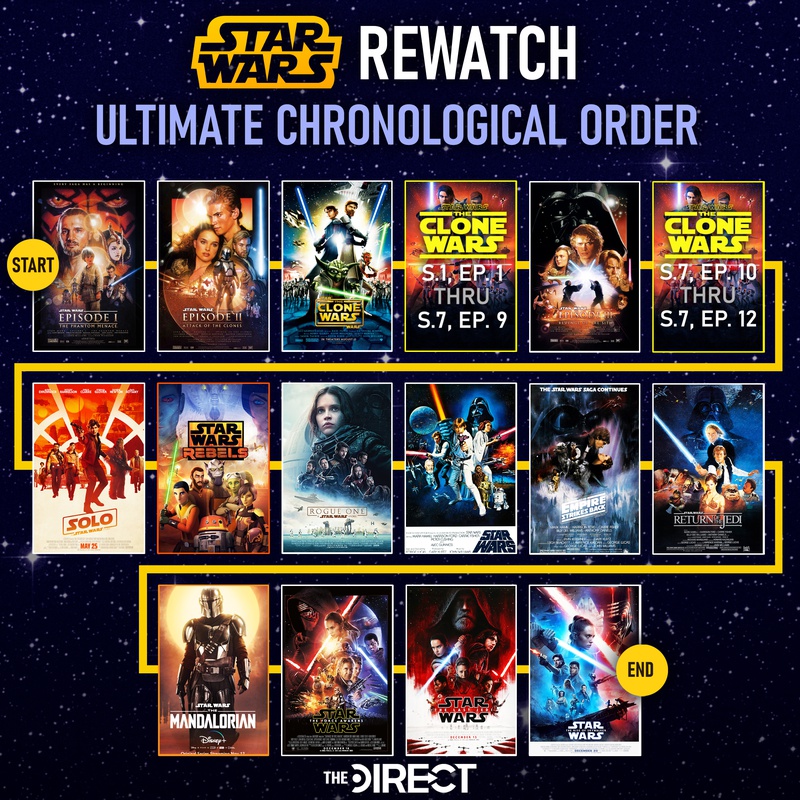
The chronological journey of the Star Wars brand is divided into distinct eras, each serving a specific strategic purpose in the franchise’s overarching market presence. By examining these films in their internal timeline order, we see a masterclass in how to build, sustain, and pivot a legacy brand in a rapidly shifting media landscape.
The Foundation of the Brand Narrative: The Prequel Era
The chronological start of the Star Wars cinematic saga begins not with the original films that captured the world’s imagination in the late 1970s, but with the Prequel Trilogy. From a branding perspective, this era serves as the “Origin Story,” a critical component in establishing brand authenticity and depth.
Episode I: The Phantom Menace (32 BBY)
Setting the stage for the entire narrative arc, The Phantom Menace functions as the brand’s introduction to the political and social structures of its universe. Strategically, this film was designed to broaden the brand’s reach to a younger demographic while providing the necessary “lore” that fuels long-term brand loyalty. By introducing the high-stakes world of galactic trade and diplomacy, the film established that the Star Wars brand was about more than just action; it was a complex geopolitical drama.
Episode II: Attack of the Clones (22 BBY)
This installment represents the “Scaling Phase” of the brand. It introduced the concept of the Clone Wars, a pivotal event that would later become a cornerstone for spin-off media, including television series and merchandise. In brand strategy terms, Attack of the Clones successfully “future-proofed” the IP by creating a vast, untapped timeline of conflict that could be monetized for decades through various content channels.
Episode III: Revenge of the Sith (19 BBY)
As the concluding chapter of the prequel era, Revenge of the Sith performs the essential brand function of “Closing the Loop.” It provides the emotional and narrative payoff that connects the newer products with the heritage of the brand. This alignment is crucial for maintaining brand consistency, ensuring that the transition from the “New” Star Wars to the “Legacy” Star Wars feels seamless and intentional.
Narrative Expansion and the Bridge Films
Between the fall of the Republic and the rise of the Rebellion lies a critical period of brand expansion. These films, often referred to as “Anthology” or “Story” films, demonstrate how a brand can utilize niche storytelling to fill gaps in the consumer journey, providing a more comprehensive brand experience.
Solo: A Star Wars Story (13–10 BBY)
Solo serves as a case study in “Personal Branding” within a corporate umbrella. By focusing on a single, high-equity character, the franchise attempted to humanize the brand and explore its darker, more “lived-in” aesthetic. While its box office performance was a point of intense discussion among brand analysts, the film’s role in fleshing out the criminal underbelly of the Star Wars universe added significant “texture” to the brand’s world-building efforts.
Rogue One: A Star Wars Story (0 BBY)
Arguably the most successful example of brand diversification within the franchise, Rogue One leads directly into the events of the original 1977 film. From a strategic standpoint, Rogue One was a “Gritty Rebrand” of sorts, targeting an older, more sophisticated audience that craved a war-movie aesthetic over the traditional space-opera tone. By successfully pivoting the brand’s tone while maintaining narrative continuity, Disney demonstrated the elasticity of the Star Wars IP.
The Heritage Brand: The Original Trilogy

The heart of the Star Wars brand identity lies in the Original Trilogy. These films represent the “Legacy Assets” of the franchise, providing the core values—hope, heroism, and the battle between good and evil—that define the brand’s DNA.
Episode IV: A New Hope (0 BBY/ABY)
This is the “Flagship Product.” Everything within the Star Wars brand ecosystem is built upon the foundation of A New Hope. Its chronological placement in the middle of the saga highlights a unique branding phenomenon: the “Non-Linear Brand Reveal.” By starting here, the brand established its most iconic visual and thematic motifs before eventually expanding backward and forward, a move that created a sense of mystery and depth that few other brands have managed to replicate.
Episode V: The Empire Strikes Back (3 ABY)
In brand management, The Empire Strikes Back is often cited as the gold standard for a “Product Iteration.” It took the successful elements of the flagship product and introduced complexity, risk, and emotional depth. It challenged the consumer’s expectations, reinforcing the idea that the Star Wars brand was capable of growth and maturity. This era of the brand is characterized by high engagement and the cementing of the “Fandom” as a loyal brand community.
Episode VI: Return of the Jedi (4 ABY)
This film served as the initial “Brand Resolution.” It provided a satisfying conclusion to the primary narrative arc, ensuring that the brand left a positive, lasting impression on its audience. For years, this was the “End of the Line,” a status that allowed the brand to transition into a period of “Sustenance Marketing” through books, toys, and video games until the next major cinematic push.
The Modern Pivot: The Sequel Trilogy and Future-Proofing
The final era in the current chronological order represents the brand’s evolution under the stewardship of Disney. This phase is characterized by “Legacy Integration,” where the brand seeks to honor its history while aggressively pursuing a new generation of consumers.
Episode VII: The Force Awakens (34 ABY)
The Force Awakens was a masterclass in “Nostalgia Marketing.” Chronologically taking place three decades after Return of the Jedi, it reintroduced the brand to the global stage by mirroring the structure of the original flagship product. This strategic choice was designed to reassure long-time brand loyalists that the core identity remained intact, while simultaneously providing an accessible entry point for new customers.
Episode VIII: The Last Jedi (34 ABY)
This installment represents the “Disruptive Phase” of the brand. It intentionally subverted long-standing brand tropes to signal a shift toward a more modern, diverse, and unpredictable narrative future. While this caused friction within certain segments of the brand community, it was a necessary step in evolving the IP to remain relevant in a changing cultural landscape. In brand strategy, disruption is often the only way to avoid stagnation.
Episode IX: The Rise of Skywalker (35 ABY)
As the chronological conclusion of the “Skywalker Saga,” The Rise of Skywalker aimed to deliver “Universal Brand Alignment.” Its goal was to synthesize nine films, multiple eras, and disparate fan expectations into a single, cohesive brand statement. This film illustrates the challenges of managing a “Mega-Brand”—the need to satisfy a massive, diverse consumer base while providing a definitive conclusion to a decades-long narrative investment.

Strategic Takeaways: The Power of Chronological Branding
The decision to watch or analyze these films in chronological order reveals the meticulous care taken in “IP Management.” By structuring the narrative as a linear timeline, the owners of the Star Wars brand have created a “Continuity Moat” that protects the franchise from competitors.
One of the key brand strategies at play is “Interconnectedness.” Because the films are chronologically linked, consumers are incentivized to engage with every piece of content to fully understand the brand story. This “Completionist Consumer Behavior” is a powerful driver of revenue, as it turns a casual viewer into a lifelong brand advocate who consumes not only the movies but the associated merchandise, theme park experiences, and streaming content.
Furthermore, the chronological order allows for “Value-Add Retconning.” By releasing films like Rogue One or the Prequels after the Original Trilogy, the brand can add new meaning to existing assets. When a consumer re-watches A New Hope after seeing Rogue One, the “Product Value” of the original film is enhanced. This is a brilliant example of how a brand can increase the utility and lifespan of its legacy products without altering the products themselves.
In conclusion, the chronological order of the Star Wars movies is more than a sequence of events; it is the skeletal structure of one of the world’s most successful brand strategies. By balancing legacy assets with strategic expansion and innovative storytelling, the Star Wars franchise has created a narrative timeline that functions as a self-sustaining marketing engine. For any brand looking to achieve longevity and deep consumer emotional connection, the Star Wars chronological roadmap offers a definitive guide on how to build a universe that resonates across generations.
aViewFromTheCave is a participant in the Amazon Services LLC Associates Program, an affiliate advertising program designed to provide a means for sites to earn advertising fees by advertising and linking to Amazon.com. Amazon, the Amazon logo, AmazonSupply, and the AmazonSupply logo are trademarks of Amazon.com, Inc. or its affiliates. As an Amazon Associate we earn affiliate commissions from qualifying purchases.