
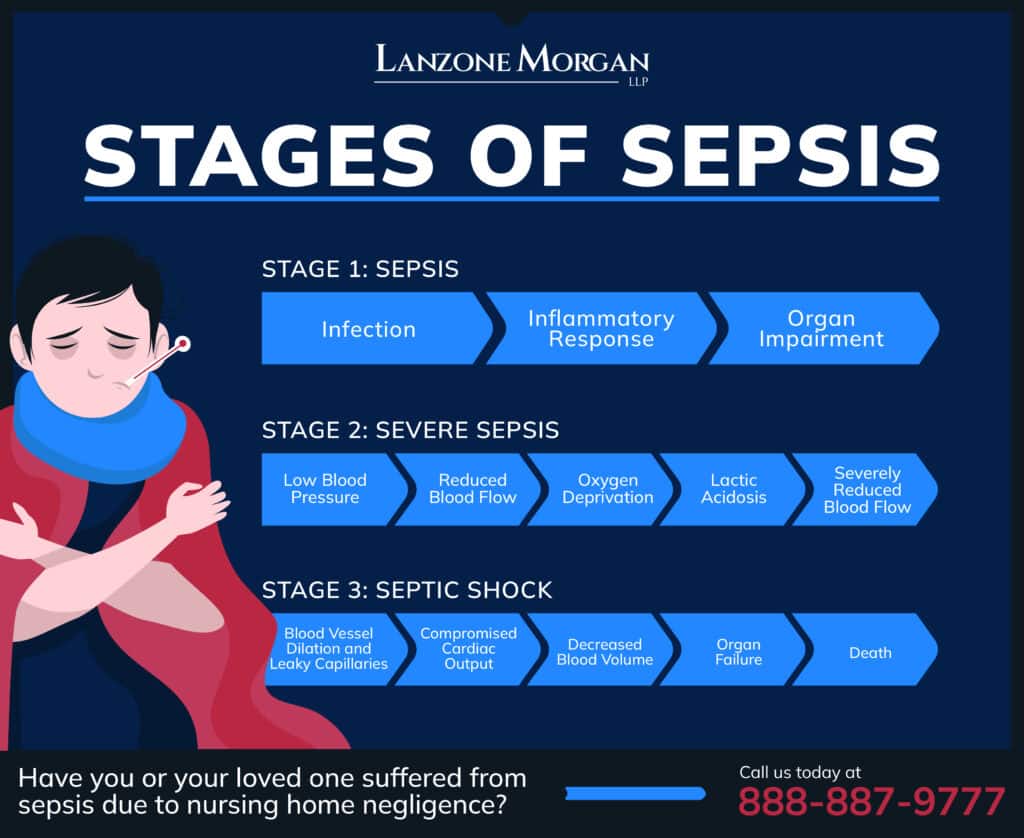
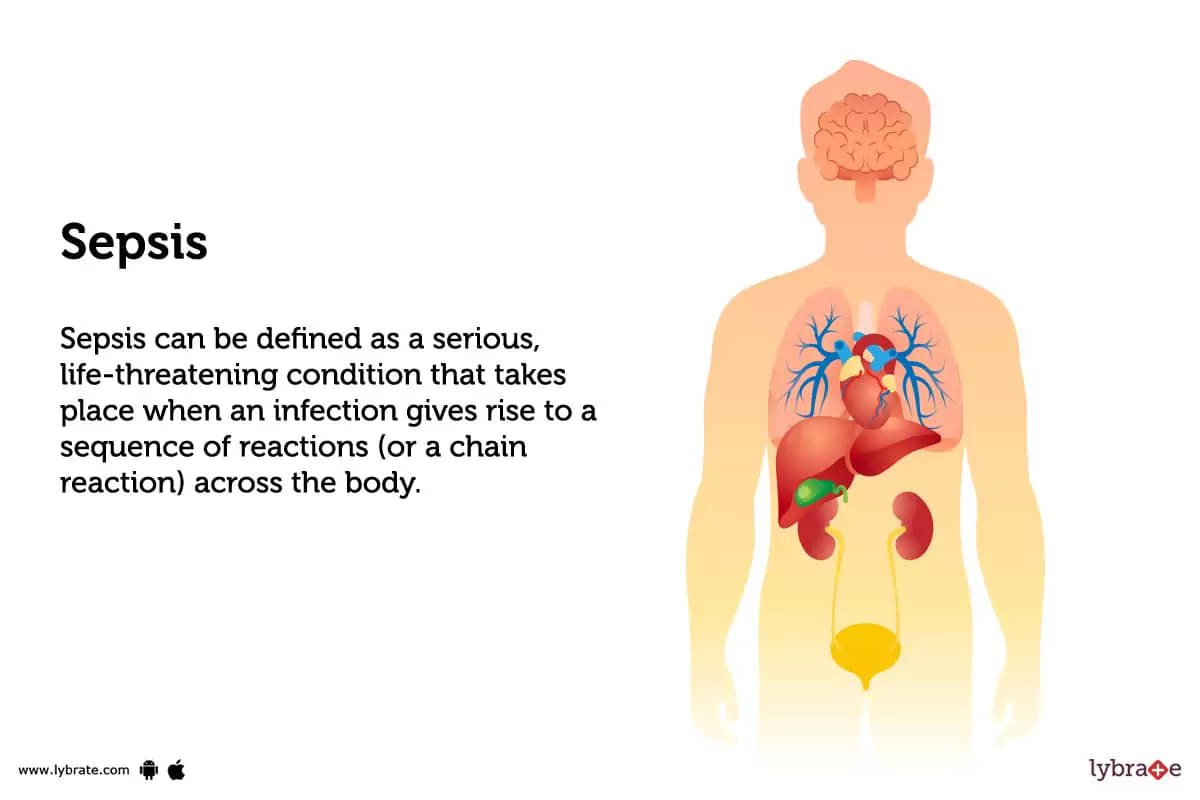
In the clinical landscape, the question of “what is sepsis” has traditionally been answered through biological markers and physiological observations. Historically defined as a life-threatening organ dysfunction caused by a dysregulated host response to infection, sepsis represents one of the most significant challenges in modern medicine. However, as the healthcare sector undergoes a rapid digital transformation, the definition of sepsis is being recalibrated through the lens of technology. In the world of HealthTech, sepsis is no longer just a medical diagnosis; it is an incredibly complex data problem that requires sophisticated software, real-time analytics, and artificial intelligence to solve.

The technological definition of sepsis centers on “digital phenotypes”—the collection of data points that signal the onset of the condition before physical symptoms become catastrophic. For software engineers, data scientists, and medical technologists, defining sepsis means identifying the exact moment when a patient’s vital signs, laboratory results, and electronic health records (EHR) deviate from a baseline in a pattern that suggests systemic failure. This shift from reactive treatment to proactive, tech-driven detection is fundamentally changing patient outcomes and the way hospitals operate.
Redefining Sepsis Through the Lens of Data Science
To understand the modern definition of sepsis, one must look at the evolution of clinical criteria and how they have been translated into algorithmic logic. The medical community currently relies on the “Sepsis-3” definition, which emphasizes the Sequential Organ Failure Assessment (SOFA) score. In a digital environment, this score is translated into a series of automated triggers within a hospital’s software infrastructure.
The Clinical Definition vs. The Digital Signature
While a physician looks for signs of infection and organ distress, a predictive algorithm looks for a “digital signature.” This signature is composed of hundreds of variables processed simultaneously. A clinical definition might focus on high heart rate or low blood pressure, but a data-driven definition looks at the rate of change and the correlation between these factors.
For instance, a slight drop in blood pressure combined with a specific change in white blood cell counts—even if both remain within “normal” ranges—can trigger an AI alert. This technological definition allows for “pre-symptomatic” detection, identifying the trajectory toward sepsis hours before a human clinician might notice the subtle shift.
Early Warning Systems (EWS) and the Algorithm-Based Approach
The implementation of Early Warning Systems (EWS) has become the standard for defining sepsis risk in real-time. These systems utilize “if-then” logic combined with machine learning to monitor patients 24/7. National Early Warning Scores (NEWS) and Modified Early Warning Scores (MEWS) are now digitized, integrated directly into the nursing workflow via tablets and workstations. By automating the definition of risk, technology removes human error and the “wait and see” approach that often leads to sepsis-related mortality.
The Technological Infrastructure of Sepsis Detection
Defining sepsis in a digital-first environment requires a robust infrastructure capable of handling high-velocity data. The “definition” is effectively the output of a high-performance computing pipeline that ingests data from bedside monitors, ventilators, and lab databases.
Machine Learning Models in the ICU
The most advanced definitions of sepsis today are found within machine learning (ML) models. Unlike static checklists, ML models are dynamic. They utilize Deep Learning and Recurrent Neural Networks (RNNs) to analyze time-series data. In the Intensive Care Unit (ICU), where data is generated every second, these models define sepsis as a probability curve.
A patient isn’t simply “septic” or “not septic” in the eyes of the software; instead, the software assigns a “sepsis probability score” that fluctuates in real-time. This probabilistic definition allows for tiered interventions, where technology prompts different levels of clinical response based on the statistical likelihood of organ failure.
Wearable Integration and Remote Patient Monitoring
The definition of sepsis is also expanding beyond the four walls of the hospital. Through the Internet of Medical Things (IoMT), wearable devices can now monitor post-operative patients at home. In this context, the sepsis definition is built into the firmware of the device. If a patient’s temperature and heart rate meet certain criteria at home, the device uses cloud-based analytics to alert a remote monitoring center. This extends the protective “digital net” of sepsis detection into the community, ensuring that the transition from hospital to home is supported by continuous data oversight.
Software Innovations and Interoperability
A significant hurdle in accurately defining sepsis via technology is the fragmentation of data. For a software system to “know” what sepsis looks like in a specific patient, it must have access to a holistic view of that patient’s history. This brings the importance of interoperability and data liquidity to the forefront of the sepsis discussion.
Electronic Health Records (EHR) as a Detection Tool
Major EHR providers, such as Epic and Cerner, have developed proprietary sepsis detection modules. These tools are integrated directly into the clinician’s interface. However, the effectiveness of these tools depends on the quality of the data entered. If a lab result is delayed or a vital sign is recorded incorrectly, the digital definition of the patient’s state becomes flawed.
To combat this, newer “middleware” solutions are being developed to sit on top of the EHR, pulling data from disparate sources—including genomic data and historical health records—to create a more nuanced definition of the patient’s current risk. This is the “Precision Medicine” approach to sepsis: defining the condition not as a general syndrome, but as a specific reaction unique to an individual’s genetic and physiological makeup.
Real-Time Data Streaming and Cloud Computing
The speed of detection is critical, as every hour of delayed treatment increases the risk of mortality by nearly 8%. Therefore, the technological definition of sepsis relies on high-speed data streaming. Utilizing frameworks like Apache Kafka or AWS HealthLake, hospitals can process millions of data points per minute. This allows the software to define sepsis as a “moving target,” adjusting its alerts based on the most recent millisecond of data. Cloud computing provides the scalable power necessary to run these complex simulations across thousands of patients simultaneously without lag.
Challenges in Digitizing the Sepsis Definition
Despite the progress in HealthTech, defining sepsis through technology is not without its hurdles. The transition from biological observation to algorithmic detection has created new challenges that the tech industry is currently working to solve.
The False Positive Problem (Alarm Fatigue)
One of the greatest risks in the digital definition of sepsis is “alarm fatigue.” If an algorithm is too sensitive, it defines too many patients as “at risk,” leading to a constant barrage of alerts for nurses and doctors. When clinicians are overwhelmed by notifications, they may begin to ignore them, potentially missing a true case of sepsis.
Tech developers are now focusing on “alert optimization,” using advanced filtering and secondary validation layers to ensure that only the most critical definitions of sepsis reach the clinician’s attention. The goal is to move from “quantity of alerts” to “quality of insights.”
Ethical Considerations and Bias in AI-Driven Diagnostics
There is an increasing focus on the “algorithmic bias” that can occur when defining sepsis through data. If the historical data used to train an AI model is biased—for example, if it contains less data from certain demographic groups—the software’s definition of sepsis may be less accurate for those populations. Tech companies are now being called upon to ensure their sepsis models are trained on diverse datasets to provide equitable care. Defining sepsis in a way that is universally accurate regardless of age, race, or gender is a top priority for the next generation of medical AI.
The Future of Sepsis Management: From Tech to Cure
The future of sepsis detection lies in the convergence of multiple technologies. We are moving toward a world where the definition of sepsis is predictive rather than reactive.
In the coming years, we can expect to see:
- Generative AI Integration: AI that can explain why it has defined a patient as septic, providing clinicians with a summarized “reasoning” based on thousands of data points.
- Digital Twins: Creating a virtual replica of a patient’s physiology to simulate how they might react to different infections, allowing doctors to define sepsis risk before the infection even occurs.
- Automated Intervention: In some controlled environments, technology may not only define sepsis but also initiate basic protocols, such as adjusting fluid levels in an automated IV pump, subject to physician override.
Ultimately, “what is sepsis” is a question that is increasingly answered by the code running in the background of our modern healthcare system. By harnessing the power of AI, big data, and cloud computing, the tech industry is not just defining a condition; it is creating the tools necessary to eradicate the threat of sepsis through the power of information. As these technologies continue to evolve, the definition of sepsis will become even more precise, more personal, and most importantly, more survivable.
aViewFromTheCave is a participant in the Amazon Services LLC Associates Program, an affiliate advertising program designed to provide a means for sites to earn advertising fees by advertising and linking to Amazon.com. Amazon, the Amazon logo, AmazonSupply, and the AmazonSupply logo are trademarks of Amazon.com, Inc. or its affiliates. As an Amazon Associate we earn affiliate commissions from qualifying purchases.