
The word “Prime” has become synonymous with market dominance in the 21st century. However, depending on the context of the inquiry, the question “Who owns Prime?” typically points toward two distinct multibillion-dollar entities: the Amazon Prime ecosystem and the viral beverage sensation, Prime Hydration. While one is a cornerstone of global e-commerce and the other is a masterclass in modern venture-backed influencer marketing, both represent significant case studies in financial ownership, equity distribution, and institutional investment.
To understand who owns these entities is to understand the complex machinery of modern finance, from the high-stakes world of public equity markets to the private dealings of venture capitalists and celebrity entrepreneurs.

The Corporate Ownership of Amazon Prime: A Public Market Analysis
When discussing the ownership of Amazon Prime, we are fundamentally discussing the ownership of Amazon.com, Inc. (AMZN). Unlike a standalone subsidiary, Amazon Prime is an integrated service offering that powers the company’s “flywheel” effect. Its ownership is shared among thousands of institutional investors, retail shareholders, and company insiders.
The Role of Jeff Bezos and Individual Insiders
While Jeff Bezos stepped down as CEO in 2021 to become Executive Chair, he remains the most significant individual shareholder. As of the latest SEC filings, Bezos owns approximately 9% to 10% of the company. While this is a far cry from the majority stake he held in the company’s early years, his influence over the strategic direction of the Prime ecosystem remains unparalleled. Other insiders, including current CEO Andy Jassy and various board members, hold smaller but financially significant fractions of the company’s equity.
Institutional Dominance: Vanguard, BlackRock, and State Street
The vast majority of Amazon—and by extension, the Prime service—is owned by institutional investors. These are the massive asset management firms that handle the retirement accounts, mutual funds, and ETFs for millions of people worldwide. The “Big Three” asset managers—The Vanguard Group, BlackRock, and State Street Global Advisors—are the largest shareholders.
Vanguard typically holds around 7% to 8%, while BlackRock follows closely with approximately 6%. This institutional ownership means that if you own a S&P 500 index fund, you likely own a fractional piece of Amazon Prime. This structure ensures that the financial performance of Prime—its subscription growth, retention rates, and shipping margins—directly impacts the global financial markets.
Prime as a Financial Asset: The Subscription Revenue Model
From a business finance perspective, Amazon Prime is not just a service; it is a high-margin recurring revenue stream. With over 200 million members globally paying between $139 and €90 annually, the “ownership” of this revenue is a critical component of Amazon’s valuation. Analysts value the Prime segment as a standalone asset because of its predictability, which allows Amazon to borrow capital at lower interest rates and reinvest in infrastructure like AWS and logistics.
Prime Hydration: Deciphering the Private Equity Web
The meteoric rise of Prime Hydration (often simply referred to as “Prime”) presents a different ownership puzzle. Unlike Amazon, Prime Hydration is a private entity, meaning its ownership structure is not subject to the same public disclosure requirements. However, through business filings and industry reports, a clear picture emerges of a partnership between celebrity influence and industrial manufacturing.
The Face of the Brand: Logan Paul and KSI
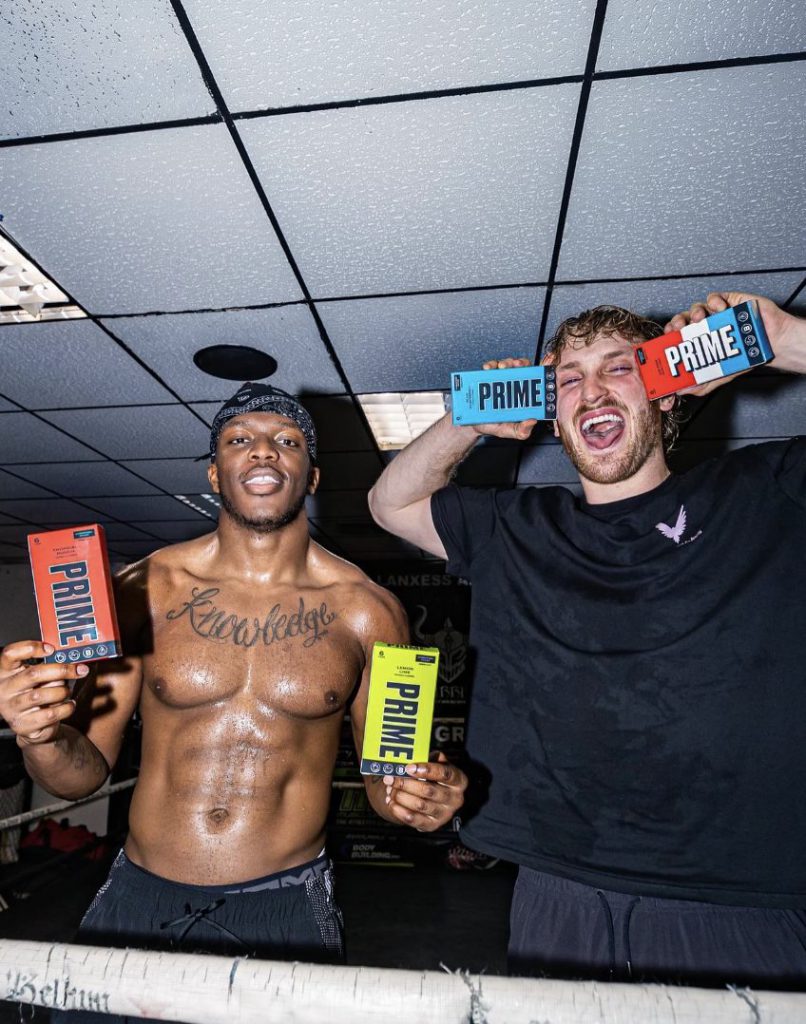
The most visible owners of Prime Hydration are YouTube personalities Logan Paul and Olajide “KSI” Olatunji. While many believe they own the company outright, they are actually partners in a larger venture. It is estimated that Paul and KSI each hold a significant minority stake (frequently rumored to be around 20% each). Their role is more than just marketing; they are “equity influencers,” a new breed of entrepreneurs who trade their social capital for ownership rather than a flat endorsement fee.
Congo Brands: The Silent Architect
The majority owner and the operational force behind Prime Hydration is a company called Congo Brands, based in Louisville, Kentucky. Congo Brands is owned by entrepreneurs Max Clemons and Trey Steiger. Congo Brands specializes in identifying market gaps and pairing them with high-visibility creators.
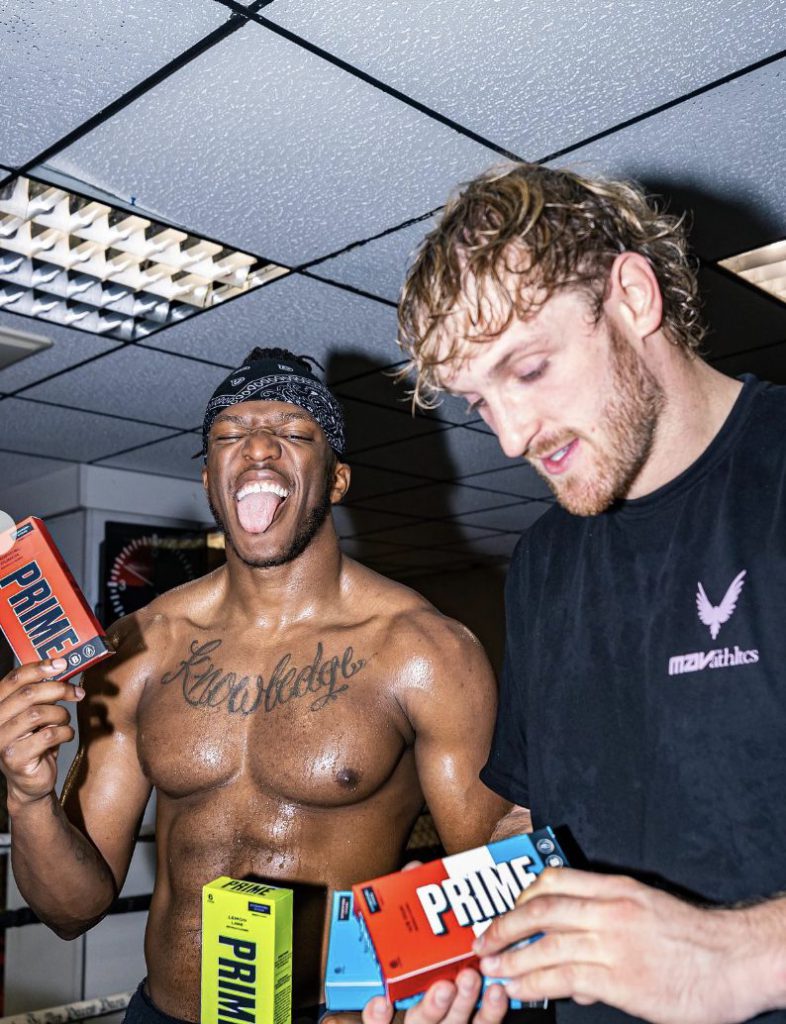
Financially, Congo Brands provides the supply chain, distribution networks, and formulation expertise that Paul and KSI lack. By owning the lion’s share of the entity, Congo Brands manages the operational risks while leveraging the creators to drive demand. This 50/50 or 60/40 split between the “brains/infrastructure” and the “face/marketing” has become a blueprint for modern business finance in the creator economy.
Valuation and Potential Exit Strategies
In 2023, reports suggested that Prime Hydration was on track to clear over $1.2 billion in annual sales. From an investment standpoint, this puts the valuation of the brand in the multi-billion dollar range. The ownership group currently faces a critical financial crossroad: continue to operate as a private entity or seek an acquisition by a conglomerate like Coca-Cola or PepsiCo. An acquisition would represent a massive liquidity event for Paul, KSI, and Congo Brands, mirroring the $5.6 billion sale of BodyArmor to Coca-Cola.
The Financial Valuation of the “Prime” Ecosystems
Ownership is only one side of the coin; the other is the economic value generated by the “Prime” name. Both Amazon and the drink brand utilize their names to create a “moat” around their finances.
The Enterprise Value of Subscriptions vs. Retail Sales
In the case of Amazon, “Prime” ownership is valuable because of the Lifetime Value (LTV) of the customer. A Prime member spends, on average, double what a non-member spends on the platform. This creates a predictable cash flow that fuels Amazon’s investment in capital-intensive projects like satellite internet (Project Kuiper).
Conversely, Prime Hydration’s value is tied to brand velocity. Its ownership is focused on the “exit value”—the price a larger firm is willing to pay for the brand’s cultural relevance. While Amazon Prime is a permanent cash-flow engine, Prime Hydration is a high-growth asset designed for eventual divestment or public listing.
Licensing and Intellectual Property Rights
A significant portion of the “wealth” in these brands lies in intellectual property (IP). For Amazon, this includes the technology behind “One-Click” purchasing and the proprietary logistics algorithms. For Prime Hydration, the ownership of the trademark and the specific flavor formulations are the primary assets. Financially, the protection of this IP is what prevents competitors from eroding the profit margins that the owners currently enjoy.
The Future Outlook: Ownership Shifts in a Changing Economy
As we look toward the future, the ownership of these “Prime” entities is likely to evolve. Market forces, regulatory scrutiny, and individual lifestyle choices by founders will dictate the next chapter of these financial stories.
Potential Spin-offs and Market Disruptions
There has long been speculation among financial analysts about whether Amazon might one day spin off its Prime/Logistics arm into a separate company. If this were to happen, the ownership structure would shift dramatically, as existing Amazon shareholders would receive shares in a new “Prime Inc.” Such a move would be intended to “unlock value,” as the sum of the parts of Amazon is often considered more valuable than the whole by Wall Street.
The Creator Wealth Gap and Mature Brands
For Prime Hydration, the risk lies in the volatility of influencer reputations. Unlike a traditional corporate owner, the value of the equity is tied to the personal brands of Logan Paul and KSI. Financial advisors often suggest that for brands like this, the optimal strategy is a “cash-out” while the brand is at its zenith. We may see a shift in ownership toward a traditional beverage conglomerate within the next three to five years, as the founders look to diversify their personal wealth away from a single, high-risk asset.
Conclusion: The New Face of Ownership
Whether it is the institutional-heavy, publicly-traded behemoth of Amazon Prime or the creator-led, private equity model of Prime Hydration, “owning Prime” represents the pinnacle of modern business success.
For the individual investor, the ownership of Amazon Prime is accessible through the stock market, offering a stake in a global utility. For the entrepreneurs behind Prime Hydration, ownership is a high-stakes game of branding and distribution. In both instances, the name “Prime” serves as a financial catalyst, proving that in the modern economy, the ownership of a brand name can be just as valuable as the ownership of physical factories or warehouses. Understanding who owns these entities provides a window into how wealth is created, managed, and scaled in the digital age.
aViewFromTheCave is a participant in the Amazon Services LLC Associates Program, an affiliate advertising program designed to provide a means for sites to earn advertising fees by advertising and linking to Amazon.com. Amazon, the Amazon logo, AmazonSupply, and the AmazonSupply logo are trademarks of Amazon.com, Inc. or its affiliates. As an Amazon Associate we earn affiliate commissions from qualifying purchases.