
At any given second, Google processes over 99,000 search queries. This translates to roughly 8.5 billion searches per day and 2 trillion searches per year. For technology enthusiasts, data scientists, and digital architects, the question of what is searched the most on Google is not merely a matter of trivia; it is a profound look into the collective consciousness of the internet-connected world. Examining these trends reveals the evolution of software, the shift in hardware reliance, and the rapid integration of artificial intelligence into our daily lives.
By analyzing the data through a technological lens, we can categorize the most frequent searches into distinct archetypes: navigational queries, informational retrieval, and the emerging frontier of conversational AI interactions. As the underlying algorithms evolve—from simple keyword matching to complex neural networks—the nature of what we search for and how we find it continues to redefine the boundaries of the digital ecosystem.
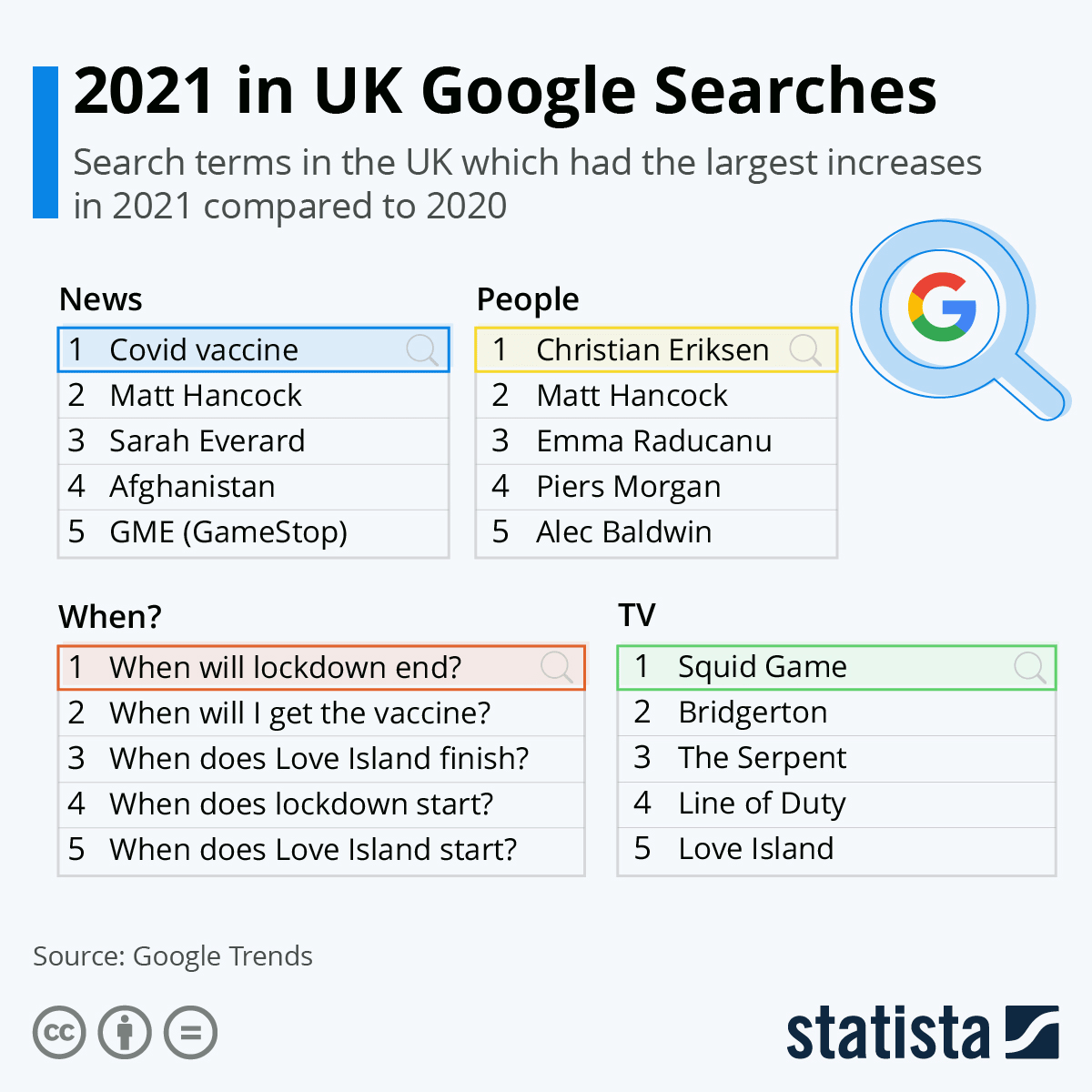
The Architecture of Human Curiosity: Navigational vs. Informational Trends
The vast majority of top-tier Google searches fall into the “navigational” category. Despite the ubiquity of bookmarks and browser history, millions of users still use the Google search bar as their primary portal to reach other massive platforms.
The Evergreen Pillars: Social Media and Video Platforms
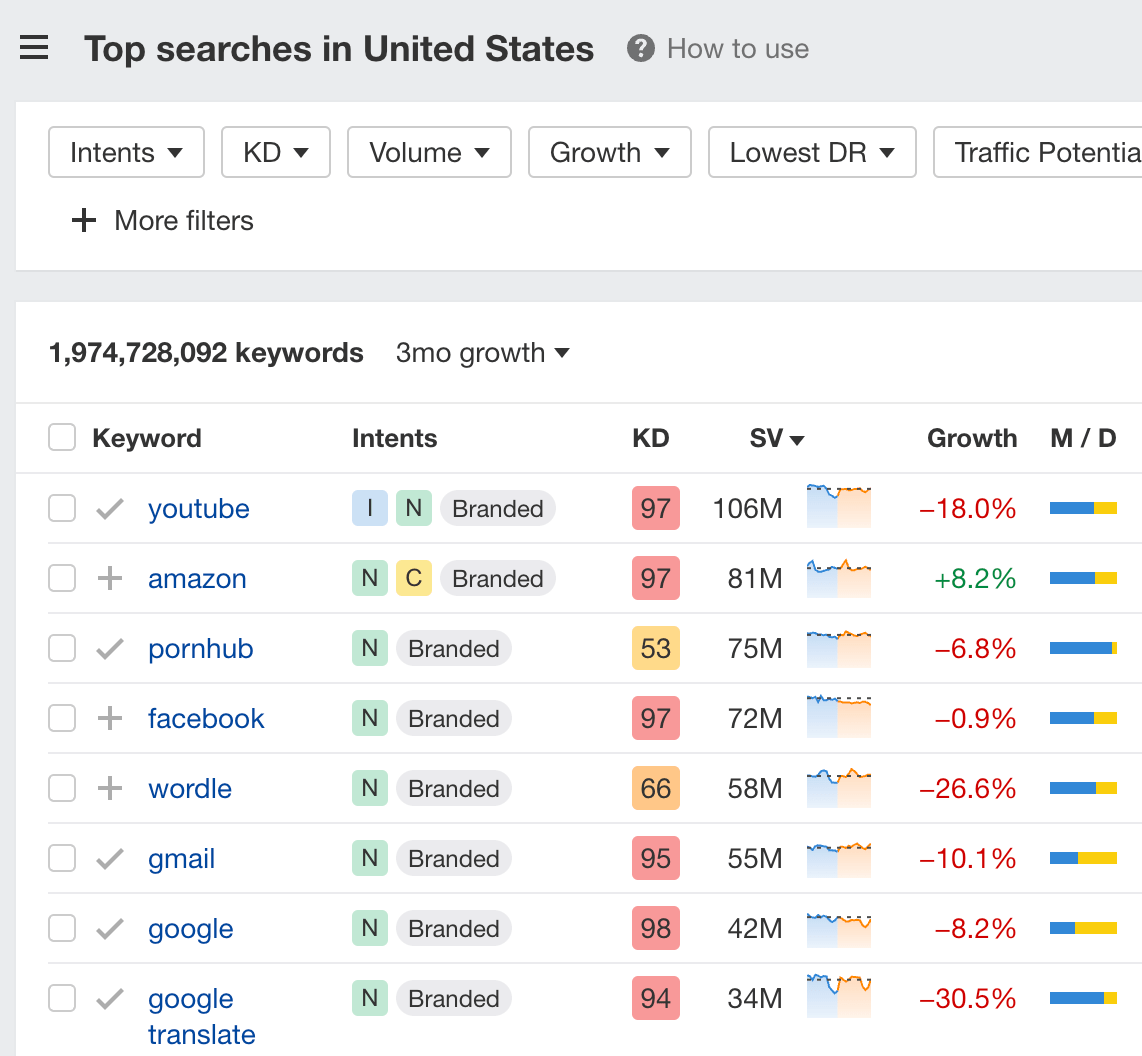
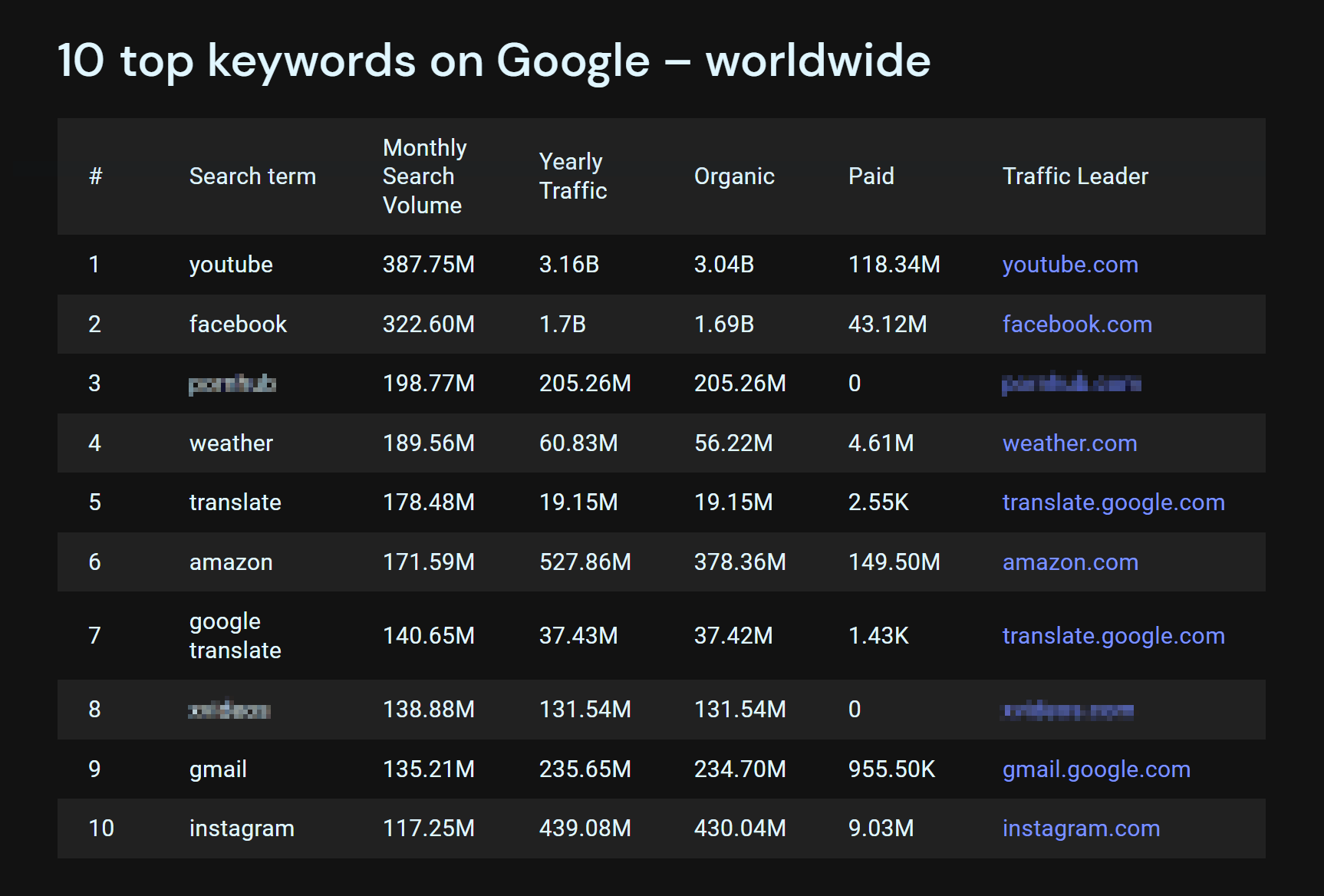
Year after year, terms like “YouTube,” “Facebook,” “WhatsApp Web,” and “Instagram” dominate the global search volume. This phenomenon highlights a specific user behavior in the tech world: the search bar has replaced the address bar. Instead of typing a full URL, users rely on the speed and error-correction capabilities of Google’s indexing system to find their destination.
From a technical perspective, this constant high volume provides Google with an incredible baseline of data for “Query Deserves Diversity” (QDD) and “Query Deserves Freshness” (QDF) algorithms. When a user searches for “YouTube,” the engine must determine if they want the homepage, a specific trending video, or news about a platform outage. The fact that these terms remain at the top signifies the central role of social ecosystems in our digital lives.
The Utility of Real-Time Data: Weather and News
Behind navigational giants, the most frequent searches revolve around real-time utility. “Weather” is consistently one of the most searched terms globally. This reflects the integration of Google’s “OneBox” or featured snippets—software features designed to provide immediate answers without the user needing to click through to a website.
Technologically, these searches are handled by high-speed APIs that pull data from meteorological sensors and satellite networks in milliseconds. Similarly, “News” and specific high-profile global events drive massive spikes. These patterns show that Google is no longer just a library of static information; it is a live dashboard of global reality, powered by sophisticated data scraping and real-time indexing software.
The AI Revolution: How Generative Intelligence is Reshaping Search Intent
The landscape of search underwent a seismic shift in late 2022 and throughout 2023 with the rise of Large Language Models (LLMs). The types of queries being entered into Google are shifting from fragmented keywords to complex, natural-language questions.
From Keywords to Conversations: The Rise of LLMs
Historically, users learned “Google-ese”—a shorthand way of typing (e.g., “best budget smartphone 2024”). However, with the integration of Google’s SGE (Search Generative Experience) and the competition from tools like ChatGPT, the most frequent searches are becoming more conversational.
Search volume for AI-related tools has skyrocketed. Terms like “ChatGPT,” “Google Bard” (now Gemini), and “Midjourney” have seen exponential growth, entering the top tiers of tech-related searches. This represents a fundamental change in software interaction: users are now searching for tools that can generate content, rather than just find it. The technology behind the scenes has moved from simple indexing to “semantic search,” where the engine understands the intent and context behind a multi-sentence query.
Zero-Click Searches and the Future of Information Retrieval
A significant technological trend in the “most searched” data is the rise of the “zero-click” search. This occurs when the search engine provides a comprehensive answer directly on the results page (SERP). Frequent searches for “currency converter,” “translator,” or “time in Tokyo” are almost exclusively zero-click.
For developers and tech strategists, this indicates that Google is transitioning from a search engine into an “answer engine.” The software architecture required to maintain this involves massive knowledge graphs—interconnected databases of facts, entities, and relationships. As AI becomes more embedded, the most searched topics will likely move away from “where can I find X” toward “explain X to me” or “create X for me.”
Seasonal Cycles and the Impact of Hardware Ecosystems
Search trends are not static; they are deeply influenced by the release cycles of hardware and software. By tracking what is searched the most during specific months, we can see the technological heartbeat of the global market.
Major Tech Launches and Product Cycles
In the tech sector, few things drive search volume like hardware releases. Every September, “iPhone” becomes one of the most searched terms globally, coinciding with Apple’s annual keynote. Similarly, terms related to “PS5,” “Graphics Cards,” and “Samsung Galaxy” dominate search charts during the fourth quarter.
These spikes are not just about consumerism; they represent a massive influx of technical queries. Users aren’t just searching to buy; they are searching for “specs,” “reviews,” “compatibility,” and “firmware updates.” This data shows that the global population is increasingly tech-literate, looking for granular details about the silicon and software powering their devices.
The Digital Reflex: Global Events and Software Solutions
Global shifts often lead to sudden, high-volume searches for specific software solutions. The most prominent historical example was the sudden surge in searches for “Zoom,” “Microsoft Teams,” and “VPN” at the start of the 2020s.
This “digital reflex” showcases how search engines serve as a primary tool for troubleshooting and adapting to new environments. Today, we see similar trends with searches for “crypto wallets,” “decentralized apps,” and “cybersecurity tools.” As new technologies emerge, the search bar is the first place people go to bridge the gap between their current knowledge and the requirements of the new technological landscape.
Privacy, Security, and the Technical Evolution of the Search Bar
As the internet matures, the nature of what is searched the most increasingly reflects a growing concern for digital security and privacy. The technology used to facilitate these searches has had to adapt to a world that is more conscious of data tracking.
Data Encryption and Anonymity in Modern Queries
An interesting trend in the tech niche is the rise of searches for privacy-focused tools. Terms like “DuckDuckGo,” “Incognito mode,” and “Tor Browser” have seen steady climbs in search volume. This suggests that while people use Google to find information, they are also searching for ways to minimize their digital footprint.
The technical infrastructure of Google Search has had to respond by prioritizing HTTPS, implementing stricter data-handling policies, and providing users with more control over their “My Activity” data. The most searched “how-to” queries often involve technical privacy settings, such as “how to delete search history” or “how to enable two-factor authentication.”
Localized Search and the Proximity Algorithm
A massive portion of the “most searched” data is localized. Phrases ending in “near me” are among the most common technical triggers in the Google database. Whether it is “EV charging stations near me” or “tech repair near me,” these queries rely on complex geospatial data and real-time GPS integration.
The technology required to serve these searches is immense. It involves the integration of Google Maps, local business APIs, and real-time traffic data. This trend highlights the move toward “hyper-contextual” computing, where the search engine knows not just what you want, but where you are and what your immediate physical needs are.
The Future of Discovery: Beyond the Text Box
As we look at the trajectory of the most searched terms, it is clear that the medium of searching is changing. The future of “what is searched” may not be typed words at all, but rather images and voice.
Visual and Voice Search: The New Frontier
With the proliferation of smart speakers and mobile AI assistants, voice search is capturing a larger share of the total volume. Queries like “Hey Google, what is this song?” or “Where is the nearest tech store?” are processed using sophisticated Natural Language Processing (NLP) and Automatic Speech Recognition (ASR).
Simultaneously, Google Lens has turned the camera into a search bar. “Visual searches”—where a user uploads a photo of a gadget to find its manual or a plant to identify its species—are becoming a standard part of the tech ecosystem. This shift means that the “most searched” list of the future will likely include a high percentage of non-textual data points, analyzed by computer vision and audio-processing neural networks.
In conclusion, what is searched the most on Google is a multifaceted reflection of the technological age. From the massive navigational pillars of social media to the nuanced, AI-driven queries of the modern era, search trends reveal a world that is increasingly reliant on instant, accurate, and context-aware information. As software continues to evolve and AI becomes more deeply integrated into the search experience, the way we define “search” will continue to transform, moving away from simple queries and toward a holistic, predictive, and multimodal interaction with the sum of human knowledge.
aViewFromTheCave is a participant in the Amazon Services LLC Associates Program, an affiliate advertising program designed to provide a means for sites to earn advertising fees by advertising and linking to Amazon.com. Amazon, the Amazon logo, AmazonSupply, and the AmazonSupply logo are trademarks of Amazon.com, Inc. or its affiliates. As an Amazon Associate we earn affiliate commissions from qualifying purchases.