
In the landscape of modern employment and financial planning, paid sick leave (PSL) stands as a critical intersection between public health, labor rights, and corporate fiscal strategy. At its core, paid sick leave is a benefit that allows employees to take time off from work to address their health needs or those of a family member while still receiving their regular wages. While it may seem like a straightforward HR policy, the financial implications of paid sick leave are far-reaching, affecting everything from an individual’s personal budget to a corporation’s bottom line and the broader stability of the economy.
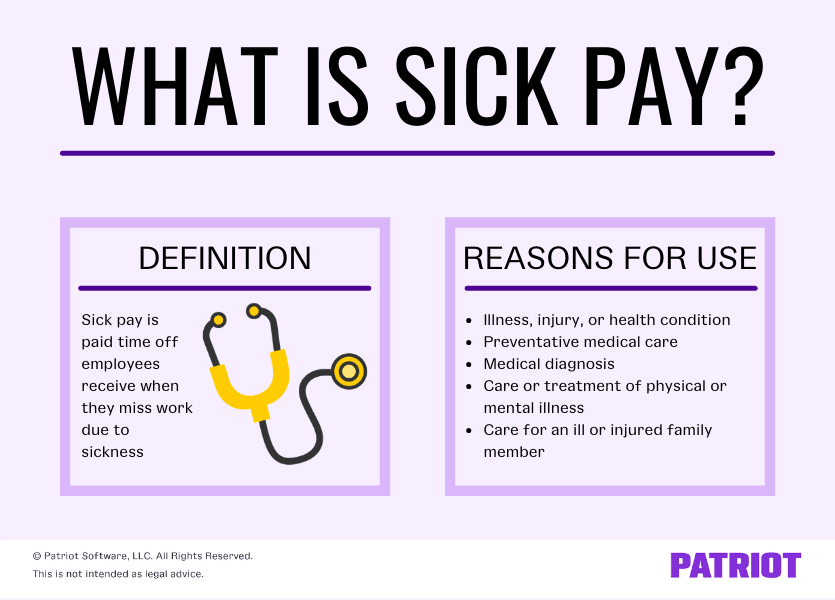
For the employee, paid sick leave serves as a financial safety net, ensuring that a temporary illness does not escalate into a long-term financial crisis. For the employer, it is a strategic tool used to maintain productivity, reduce turnover, and manage the health-related risks that can jeopardize a company’s operational continuity. Understanding the mechanics, legalities, and financial impact of paid sick leave is essential for anyone navigating today’s business world.
The Financial Mechanics of Paid Sick Leave
To understand paid sick leave from a financial perspective, one must first distinguish it from other forms of time off. Unlike vacation time, which is planned and budgeted as a leisure expense, or General Paid Time Off (PTO), which aggregates various types of leave into a single bank, paid sick leave is specifically earmarked for health-related disruptions.
How Accrual and Front-Loading Work
From a business finance standpoint, there are two primary ways to distribute paid sick leave: accrual and front-loading.
In an accrual system, employees earn sick leave hours based on the amount of time they work. A common ratio is one hour of sick leave for every 30 hours worked. For the corporate accountant, this creates a predictable, incremental liability on the balance sheet. Each hour worked adds a small, calculated cost to the total compensation package.
Conversely, front-loading involves providing the entire year’s worth of sick leave at the beginning of the fiscal year or on the employee’s work anniversary. While this simplifies tracking, it creates a larger immediate liability and can affect cash flow forecasting if a significant portion of the workforce utilizes the leave simultaneously—for example, during a peak flu season.
The Cost of Unused Sick Leave
A major point of financial debate for businesses is whether unused sick leave should be “paid out” upon termination or retirement. In many jurisdictions, sick leave is treated differently than vacation time. While vacation is often viewed as earned wages that must be paid out, sick leave is frequently classified as a conditional benefit that expires if not used. Understanding these distinctions is vital for both personal financial planning and corporate liability management.
The Business Case: Paid Sick Leave as a Financial Strategy
Many business owners initially view paid sick leave as a pure expense—a drain on the company’s capital. However, a deeper financial analysis reveals that the absence of a robust sick leave policy often costs more than the policy itself. This is primarily due to a phenomenon known as “presenteeism.”
The High Cost of Presenteeism
Presenteeism occurs when employees come to work while sick because they cannot afford to lose a day’s pay. While the employee is physically present, their productivity is significantly diminished. Furthermore, in environments such as food service, healthcare, or open-office tech hubs, one sick employee can quickly infect a team, leading to a massive drop in total departmental output.
Financial studies consistently show that the cost of lost productivity due to illness-related underperformance is often higher than the cost of simply paying the employee to stay home and recover. By providing paid sick leave, a company protects its most valuable asset—its human capital—from systemic downtime.
Reducing Turnover and Recruitment Costs
From a human resources and business finance perspective, employee turnover is one of the most significant “hidden” costs. Replacing a mid-level employee can cost upwards of 50% to 150% of their annual salary when accounting for recruitment, onboarding, and the “learning curve” period where productivity is low.
Paid sick leave increases job satisfaction and loyalty. Employees who feel their health and financial stability are respected are less likely to seek employment elsewhere. In this sense, a paid sick leave policy acts as an insurance policy against the high costs of churn.
Navigating the Legal and Compliance Landscape
The financial management of paid sick leave is heavily influenced by a patchwork of federal, state, and local laws. In the United States, for instance, there is no federal mandate for paid sick leave, though the Family and Medical Leave Act (FMLA) provides for unpaid, job-protected leave under specific circumstances.
State and Local Mandates
Over the last decade, a growing number of states and municipalities have enacted mandatory paid sick leave laws. For businesses operating across multiple jurisdictions, this creates a complex compliance environment. Failing to adhere to these laws can result in heavy fines, back-pay requirements, and legal fees that far exceed the cost of providing the leave in the first place.
Financial controllers must ensure that payroll systems are configured to track leave according to the specific rules of each location. This includes managing different accrual rates, maximum carry-over limits, and “waiting periods” (the time an employee must work before they can begin using their accrued leave).
Tax Credits and Incentives
Governments occasionally offer financial incentives to encourage businesses to provide paid leave. During the COVID-19 pandemic, for example, various tax credits were made available to small and mid-sized businesses to offset the costs of emergency paid sick leave. Staying informed about these credits is a key responsibility for business tax planners, as it can significantly mitigate the direct costs of leave benefits.
Paid Sick Leave and Personal Finance Stability
From the perspective of an individual’s personal finance, paid sick leave is an essential component of an emergency fund strategy. For the average worker, the loss of even a few days of pay can disrupt their ability to meet fixed costs like rent, mortgage payments, or utility bills.
Preventing the Debt Cycle
Without paid sick leave, a minor health issue can lead to a reliance on high-interest credit cards or payday loans to cover living expenses. This creates a cycle of debt that can take months or years to resolve. By maintaining a steady income during illness, paid sick leave allows individuals to focus on recovery without the added stress of financial ruin.
Impact on Long-term Wealth Building
When employees have access to paid sick leave, they are less likely to dip into long-term savings or retirement accounts (like 401ks) to cover short-term health emergencies. This preservation of capital allows for the continued benefit of compound interest and long-term financial growth. In the broader economic sense, a workforce with paid sick leave is a workforce with more stable purchasing power, which contributes to overall economic health.
Best Practices for Implementing a Paid Sick Leave Policy
For a business to implement a paid sick leave policy that is both compassionate and fiscally responsible, several strategic steps should be taken.
1. Integrate Leave into the Total Compensation Strategy
Paid sick leave should not be viewed in isolation. It is part of a total compensation package that includes salary, bonuses, insurance, and retirement contributions. By viewing it as a component of the “cost per hire,” businesses can more accurately price their products and services to ensure profitability while maintaining competitive benefits.
2. Utilize Automated Tracking Software
Manually tracking sick leave is a recipe for financial and legal errors. Modern fintech and HRIS (Human Resources Information Systems) tools can automate the accrual, usage, and reporting of sick leave. This reduces administrative overhead and ensures that the company remains in compliance with changing laws.
3. Establish Clear Documentation Policies
To prevent the misuse of sick leave and ensure financial transparency, companies should establish clear guidelines for when medical documentation is required. However, these policies must be balanced against the cost and accessibility of healthcare for the employee. Requiring a doctor’s note for a one-day absence may impose an undue financial burden on the worker and ultimately prove counterproductive.
4. Regularly Review and Adjust
The financial landscape is not static. Inflation, changes in labor laws, and shifts in the competitive landscape for talent may require a company to adjust its sick leave policy. Periodic audits of leave usage and its impact on the budget are essential for maintaining a healthy balance sheet.
The Future of Paid Leave: Economic Trends
As the global economy continues to evolve, the conversation around paid sick leave is expanding. We are seeing a shift toward more comprehensive “paid family and medical leave” programs that cover longer-term illnesses and the care of family members.
From a macro-financial perspective, there is growing support for the idea that paid leave should be treated as a social insurance program rather than a direct employer expense. Some regions have moved toward a model where both employers and employees contribute small percentages of payroll into a central fund, which then pays out benefits when leave is taken. This model reduces the financial volatility for small businesses and provides more consistent protection for workers.
In conclusion, paid sick leave is far more than just “time off.” It is a sophisticated financial tool that protects individuals from poverty, shields businesses from productivity loss, and stabilizes the economy. By understanding the intricacies of accrual, compliance, and the true cost of illness, both employers and employees can navigate the financial complexities of the modern workplace with greater confidence and security. Investing in health, it turns out, is one of the soundest financial decisions a business or an individual can make.
aViewFromTheCave is a participant in the Amazon Services LLC Associates Program, an affiliate advertising program designed to provide a means for sites to earn advertising fees by advertising and linking to Amazon.com. Amazon, the Amazon logo, AmazonSupply, and the AmazonSupply logo are trademarks of Amazon.com, Inc. or its affiliates. As an Amazon Associate we earn affiliate commissions from qualifying purchases.