
In the complex landscape of the global pharmaceutical industry, few compounds offer as compelling a narrative of market evolution, patent strategy, and economic utility as Ondansetron Hydrochloride. Originally brought to market under the brand name Zofran by GlaxoSmithKline (GSK), this medication has transitioned from a high-margin proprietary asset to a high-volume generic staple. For investors, healthcare administrators, and financial analysts, Ondansetron Hydrochloride serves as a quintessential case study in how a single molecule can reshape the financial profile of a therapeutic class while providing a blueprint for the “patent cliff” lifecycle that defines modern drug commerce.

Understanding the financial trajectory of Ondansetron Hydrochloride requires looking beyond its clinical application as a 5-HT3 receptor antagonist. Instead, it must be viewed as a critical component of the “essential medicines” market—a sector that generates billions in annual revenue through sheer scale, global distribution, and its indispensable role in the multi-billion dollar oncology and surgical sectors.
The Revenue Evolution: From Patent Monopoly to Generic Utility
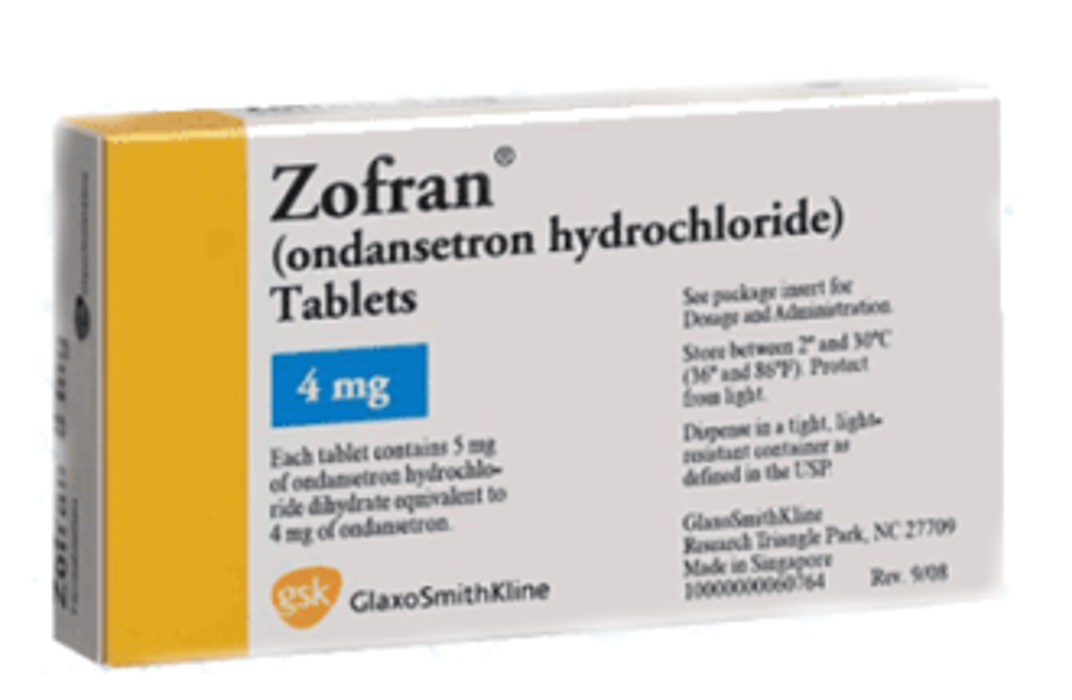
The economic journey of Ondansetron Hydrochloride began in the late 1980s and early 1990s, a period characterized by the pharmaceutical industry’s aggressive pursuit of supportive care medications. At its peak as a branded product, Zofran was a “blockbuster,” a term reserved for drugs generating over $1 billion in annual sales. The financial success of the brand was predicated on its unique value proposition: reducing the debilitating side effects of chemotherapy and surgery, which in turn allowed for more aggressive (and expensive) treatment regimens.
The Zofran Legacy and the Patent Cliff
For over a decade, GSK maintained a monopoly on Ondansetron, leveraging its patent protections to command premium pricing. This era was marked by high profit margins and significant reinvestment into marketing and line extensions, such as the Orally Disintegrating Tablet (ODT) format. However, the true financial inflection point occurred in 2006 when the primary patent for Zofran expired in the United States.
The resulting “patent cliff” is one of the most studied events in pharmaceutical finance. Within months of the patent expiration, multiple generic manufacturers—including Teva, Sandoz, and Mylan (now Viatris)—received FDA approval for their versions of Ondansetron Hydrochloride. This led to a rapid commoditization of the drug. From an investment perspective, the story shifted from the high-risk, high-reward R&D model of GSK to the high-volume, low-margin efficiency model of generic giants. Today, Ondansetron is one of the most frequently prescribed drugs globally, and its financial value lies in its ubiquity and the supply chain efficiencies of the companies that produce it.
Market Saturation and the Role of Generic Manufacturers
The generic market for Ondansetron Hydrochloride is a prime example of perfect competition in the pharmaceutical sector. Because the manufacturing process for the active pharmaceutical ingredient (API) is well-established, the barrier to entry for new manufacturers is relatively low compared to biologics. This has resulted in a market where price is the primary differentiator.
For investors, this means that the profitability of Ondansetron for a manufacturer depends entirely on operational excellence. Companies that have vertically integrated their supply chains—producing their own API while managing their own distribution—are the ones capturing the remaining “alpha” in this segment. The financial health of these generic firms is often tied to their ability to maintain a diverse portfolio of such “bread and butter” drugs, which provide steady cash flows to fund more speculative ventures into biosimilars or complex generics.
The Microeconomics of Healthcare Finance: Cost vs. Care Efficiency
While the manufacturers deal with margins and supply chains, the financial impact of Ondansetron Hydrochloride on healthcare systems and insurance providers is measured through a different lens: the cost-benefit analysis of patient throughput.
Hospital Reimbursement and the ROI of Nausea Management
In the modern “Value-Based Care” model, hospitals are often reimbursed via fixed payments based on a patient’s diagnosis (Diagnosis-Related Groups or DRGs) rather than a line-item bill for every service provided. In this financial environment, any complication that extends a patient’s stay is a direct hit to the hospital’s bottom line.
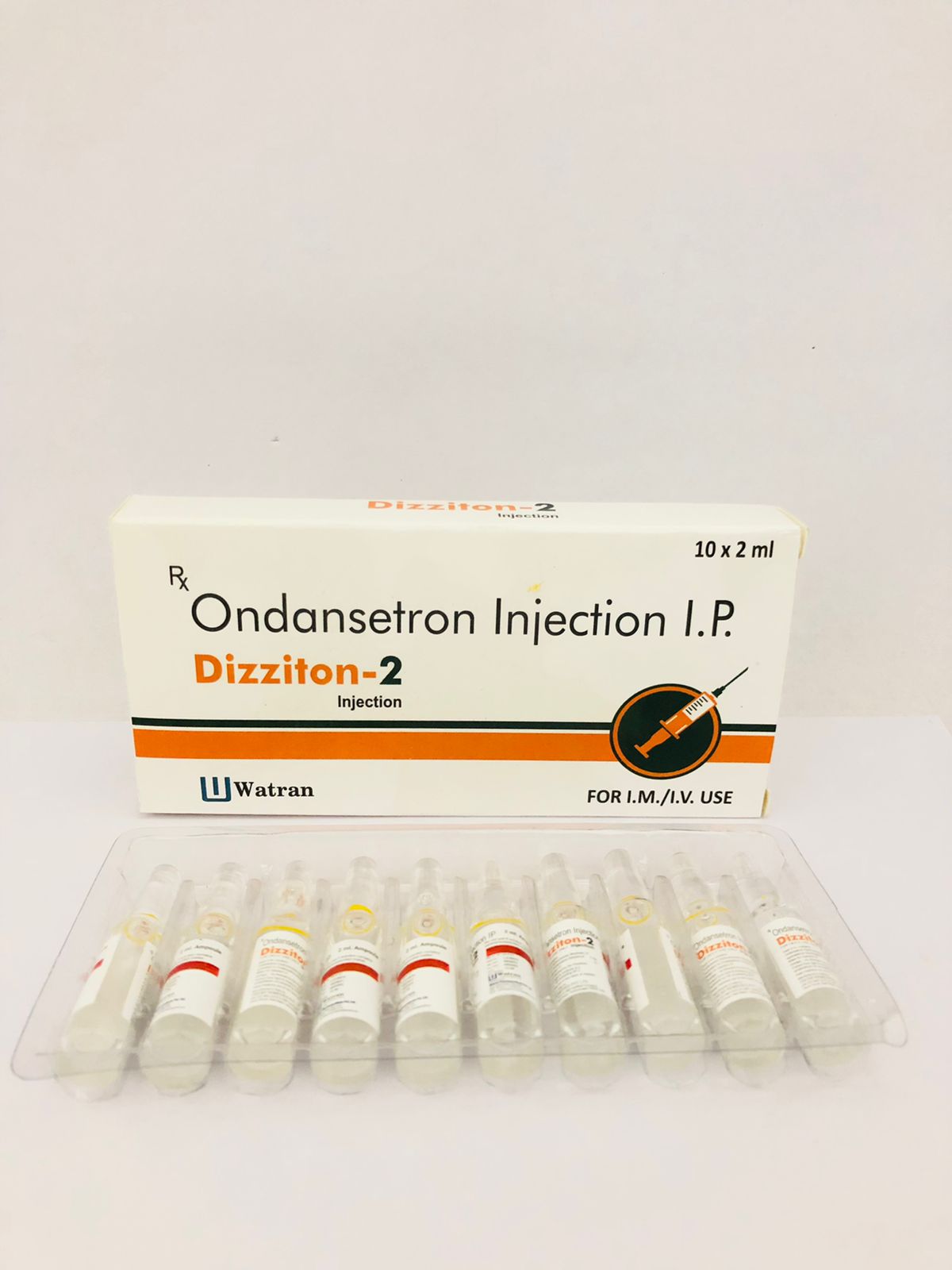
Post-operative nausea and vomiting (PONV) are among the leading causes of delayed discharge and unplanned hospital readmissions. By utilizing Ondansetron Hydrochloride—which now costs only cents per dose in its generic form—hospitals can significantly mitigate these risks. From a business management perspective, the Return on Investment (ROI) of Ondansetron is astronomical. A five-cent dose of the drug can prevent a $2,000-a-night hospital stay extension. For hospital CFOs, the procurement of Ondansetron is not just a clinical necessity but a strategic financial hedge against operational inefficiency.
Pricing Strategies in the Global Wholesale Market
The pricing of Ondansetron Hydrochloride varies wildly depending on the geographic market and the procurement volume. In developed markets, Group Purchasing Organizations (GPOs) negotiate bulk contracts that drive prices down to the lowest possible denominator. In emerging markets, however, the financial narrative is about accessibility and infrastructure.
Investors looking at the “Big Pharma” presence in South Asia or Africa often focus on how these companies can distribute essential medicines like Ondansetron profitably in low-resource settings. The business model here relies on public-private partnerships and high-volume government tenders. The financial stability of regional players in these markets is often underpinned by their status as “preferred providers” of Ondansetron and other WHO-listed essential medicines.
Strategic Investment in the Essential Medicines Sector
For the individual investor or institutional fund manager, Ondansetron Hydrochloride represents a specific sub-sector of the healthcare market: the “Essential Medicine” asset class. Unlike high-growth biotech stocks that rely on clinical trial breakthroughs, the value of Ondansetron-related assets is found in their resilience to economic downturns.
Analyzing the Active Pharmaceutical Ingredient (API) Supply Chain
A significant portion of the world’s Ondansetron Hydrochloride API is manufactured in India and China. For savvy investors, the real opportunity often lies not in the final brand-name distributor, but in the chemical manufacturing companies that sit at the top of the supply chain.
The financial health of these API manufacturers is a bellwether for the generic industry. Factors such as environmental regulations in China or trade tariffs between the US and India can have a direct impact on the cost of Ondansetron. Investors who track these “upstream” variables can gain a competitive edge in predicting the earnings volatility of “downstream” generic pharmaceutical stocks. Furthermore, as the world moves toward “de-risking” the supply chain, companies that are domesticating the production of essential APIs are seeing increased capital inflows and government subsidies, making them attractive targets for long-term investment.
Portfolio Diversification through Generic Leaders
Including companies that dominate the Ondansetron market in a portfolio offers a form of defensive diversification. Because nausea treatment is a non-discretionary medical expense—required for everything from cancer care to routine surgeries—the demand for Ondansetron remains inelastic. Even during a recession, the volume of Ondansetron prescriptions remains stable.
This inelastic demand creates a “cash cow” effect for companies like Hikma Pharmaceuticals, Viatris, or Teva. These firms use the steady, predictable cash flows from Ondansetron to pay down debt or fund the R&D of next-generation medications. For a shareholder, these companies provide a balance between the volatility of drug discovery and the stability of a utility company.
Future Financial Projections for the Antiemetic Market
As we look toward the next decade, the financial landscape for Ondansetron Hydrochloride is expected to undergo further shifts driven by technological integration and changes in oncology spending.
The global antiemetics market is projected to continue its steady growth, driven by an aging population and an increase in cancer diagnoses. However, the financial “moat” around Ondansetron is being challenged by new, more expensive classes of drugs like NK1 receptor antagonists (e.g., Aprepitant). The financial question for healthcare payers is whether the incremental clinical benefit of these newer, patented drugs justifies their significantly higher cost compared to the now-dirt-cheap Ondansetron.
Moreover, the rise of digital health and “smart” pharmacy management systems is changing how Ondansetron is bought and sold. AI-driven inventory management allows hospitals to reduce waste and optimize their purchasing cycles, further squeezing the margins of distributors. For investors, the focus is shifting toward companies that provide the “digital layer” of the pharmaceutical supply chain—tools that ensure drugs like Ondansetron are available at the right price, at the right time, with zero stockouts.
In conclusion, Ondansetron Hydrochloride is far more than a chemical compound; it is a financial instrument that illustrates the lifecycle of pharmaceutical value. From its billion-dollar beginnings as a proprietary breakthrough to its current role as a low-cost, high-utility pillar of the global health economy, it remains a vital point of reference for anyone seeking to understand the intersection of medicine and money. Whether you are analyzing a hospital’s balance sheet, a generic manufacturer’s quarterly earnings, or a global health fund’s portfolio, Ondansetron provides the clarity needed to navigate the complexities of the modern pharmaceutical market.
aViewFromTheCave is a participant in the Amazon Services LLC Associates Program, an affiliate advertising program designed to provide a means for sites to earn advertising fees by advertising and linking to Amazon.com. Amazon, the Amazon logo, AmazonSupply, and the AmazonSupply logo are trademarks of Amazon.com, Inc. or its affiliates. As an Amazon Associate we earn affiliate commissions from qualifying purchases.