
The term “middle class” is one of the most ubiquitous phrases in the economic lexicon, yet it remains one of the most difficult to define with precision. For some, it is a mathematical calculation based strictly on annual household income. For others, it is a state of mind, a collection of lifestyle markers, or a specific level of financial security that allows for homeownership, retirement savings, and the occasional luxury. In the modern financial landscape, characterized by high inflation and shifting labor markets, the definition of the middle class is moving further away from a static number and closer to a dynamic set of financial capabilities.
Understanding what constitutes the middle class today requires looking beyond the paycheck. It involves an analysis of purchasing power, debt-to-income ratios, and the ability to withstand economic shocks. To truly define the middle class, we must examine the mathematical frameworks used by economists, the impact of geographic cost-of-living variances, and the evolving lifestyle expectations that define the “American Dream” in the 21st century.
The Mathematical Framework: Income Quintiles and Median Data
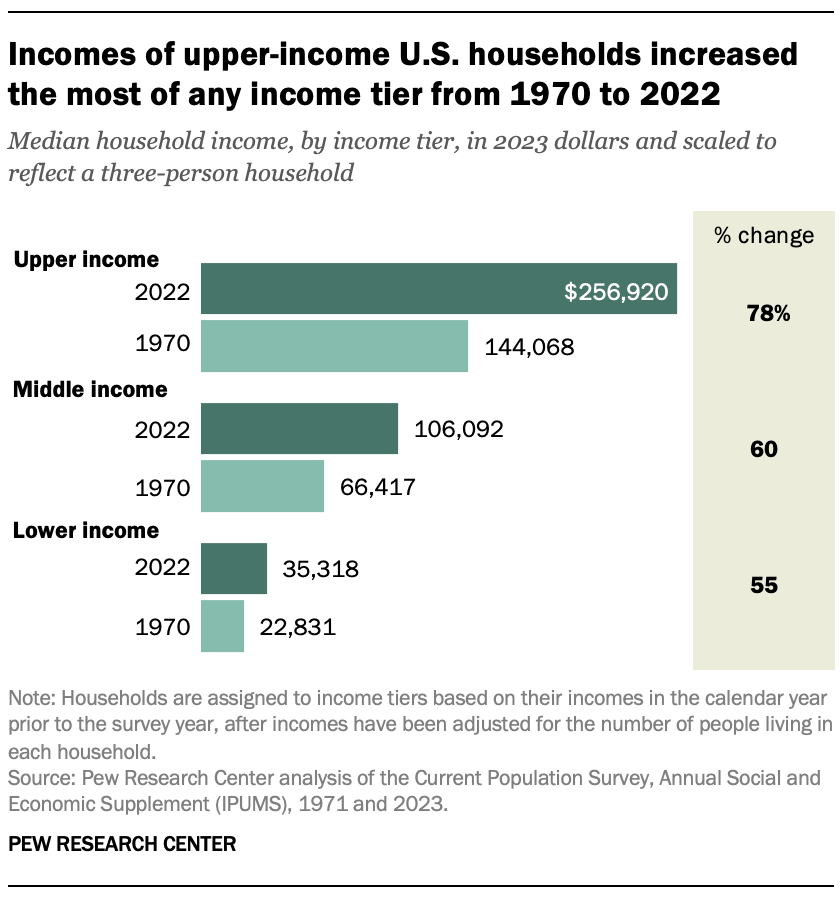
The most common way to define the middle class is through income brackets. Economists often use a relative measure to determine who falls into this category. The Pew Research Center, a leading authority on this demographic, defines the middle class as those who earn between two-thirds and double the median household income in a given area.
The Median Income Range
If the national median household income hovers around $75,000, the middle-class bracket would theoretically range from approximately $50,000 to $150,000 per year. However, this range is highly sensitive to the size of the household. A single individual earning $55,000 may enjoy a comfortable middle-class lifestyle, whereas a family of five earning the same amount would likely struggle, placing them in the lower-income or working-class category. This mathematical approach provides a useful baseline for policy and broad economic analysis, but it often fails to account for the actual “feel” of financial stability.
The Five-Quintile Breakdown
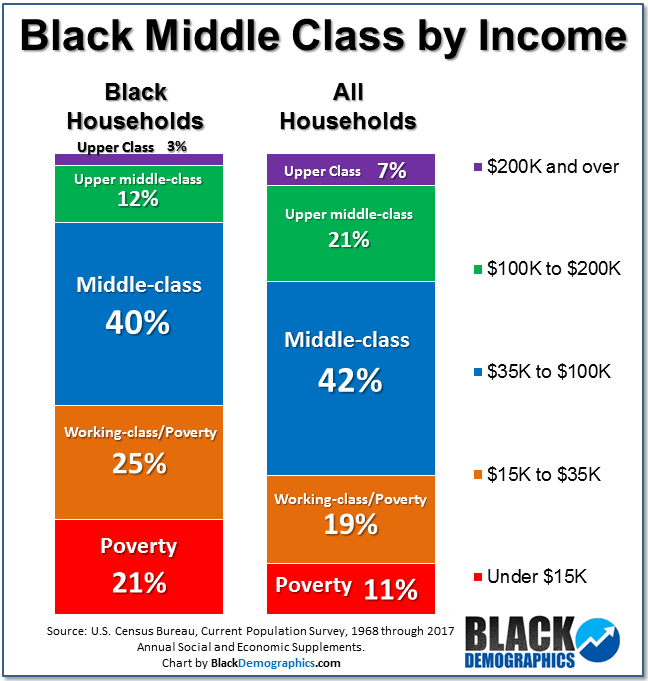
Financial analysts also look at income quintiles to categorize the population. The middle class typically occupies the middle three quintiles—the 20th to 80th percentiles of earners. In this model, the “core” middle class is the middle 20% (the third quintile). While this provides a snapshot of where a household stands relative to its neighbors, it does not account for the massive disparity in expenses that different households face. A household in the third quintile might be debt-free and thriving, while another in the same quintile might be drowning in student loans and medical debt, highlighting the limitations of income-only definitions.
The Impact of Geography on Financial Status
One of the most significant factors in defining the middle class is location. In the world of personal finance, a dollar is not a static unit of value; its power is dictated by the local economy. This creates a phenomenon where a “middle-class income” in one zip code would be considered “wealthy” in another, and “impoverished” in a third.
Cost of Living Adjustments (COLA)
In high-cost-of-living (HCOL) areas like San Francisco, New York City, or Seattle, an annual household income of $150,000 might barely cover the essentials of a middle-class life: a modest home, childcare, and reliable transportation. Conversely, in low-cost-of-living (LCOL) areas in the Midwest or the South, that same $150,000 income could provide a lifestyle traditionally associated with the upper class, including a large home, multiple vehicles, and significant discretionary spending.
The “Geo-Arbitrage” Strategy
This geographic disparity has led to a rise in “geo-arbitrage”—the practice of earning a high salary from a company based in an HCOL city while living in an LCOL area. The shift toward remote work has fundamentally altered middle-class dynamics, allowing many workers to leapfrog from the “struggling middle” to the “affluent middle” without changing their job title or salary. This underscores that middle-class status is often less about what you make and more about how far that money goes in your specific environment.
Beyond the Paycheck: Asset Ownership and Financial Security
A more modern and perhaps more accurate way to define the middle class is through net worth and asset ownership. True middle-class status is characterized by a degree of financial resilience. It is the ability to sustain one’s lifestyle for a period of time without active income, or the ability to absorb a $1,000 emergency expense without relying on high-interest credit.
Homeownership and Equity
Historically, the hallmark of the middle class was homeownership. A home is not just a place to live; for the middle class, it is the primary vehicle for wealth accumulation. Paying down a mortgage serves as a form of “forced savings,” building equity that can be used for future investments or to fund retirement. In today’s market, where home prices have outpaced wage growth, the barrier to entry for the middle class has risen significantly. Many individuals who earn “middle-class” salaries find themselves permanently in the “renter class,” which fundamentally changes their long-term financial trajectory.
The Role of Liquid Assets and Retirement Accounts
Another key indicator of middle-class status is the presence of an investment portfolio, typically in the form of a 401(k), 403(b), or IRA. Being middle class means having the “disposable” income to prioritize the future over the present. If a household is living paycheck to paycheck, regardless of their total income, they lack the foundational security that defines the middle class. Financial advisors often suggest that a middle-class household should have a net worth that is positive and growing, supported by diversified assets that hedge against inflation.
The Shrinking Middle Class and the “HENRY” Phenomenon
The narrative surrounding the middle class in recent years has been one of decline. As the “hollowing out” of the middle occurs, we see a divergence: some are moving upward into the upper-middle class, while others are sliding into the working class due to rising costs in housing, education, and healthcare.
High Earners, Not Rich Yet (HENRYs)
Within the upper bound of the middle class, a new category has emerged: the HENRY. These are individuals who earn high six-figure salaries but have low net worth relative to their income. They often feel “middle class” because their high earnings are consumed by taxes, student loan repayments, and the high costs of living in major metropolitan hubs. While they have high consumption power, they lack the “old money” stability of the truly wealthy. The HENRY phenomenon highlights the psychological aspect of the middle class: even with a high income, the feeling of being one or two missed paychecks away from a crisis keeps many firmly identifying as middle class.
The Pressure of Lifestyle Creep
For many in the middle class, the biggest threat to their financial status is lifestyle creep—the tendency to increase spending as income rises. This prevents the transition from “earner” to “owner.” To maintain middle-class status in an era of volatility, financial discipline is more important than ever. Those who successfully navigate this bracket are those who manage to keep their fixed costs low while maximizing their contributions to appreciating assets.
Strategies for Building and Maintaining Middle-Class Wealth
In the current economic climate, middle-class status is no longer a guaranteed plateau; it is a position that must be actively defended through strategic financial planning. To remain in or enter the middle class, households must focus on three core pillars: debt management, income diversification, and tax efficiency.
Managing the Debt-to-Income Ratio
The middle class is often characterized by “good debt” (mortgages, student loans for high-ROI degrees) vs. “bad debt” (high-interest credit cards, depreciating car loans). A primary strategy for middle-class stability is maintaining a debt-to-income (DTI) ratio below 36%. By keeping debt service costs low, households retain the flexibility needed to pivot during economic downturns or take advantage of investment opportunities.
The Importance of Tax-Advantaged Growth
For the middle class, the tax code can be either a burden or a tool. Utilizing tax-advantaged accounts like Health Savings Accounts (HSAs) and Roth IRAs is essential for wealth preservation. These tools allow middle-class earners to protect their capital from the eroding effects of taxes, ensuring that their “middle” status translates into a comfortable retirement.

Diversifying Income Streams
The modern middle class is increasingly moving away from a single-income model. Whether through a side hustle, rental property, or dividend-paying stocks, having multiple streams of income provides a buffer against job loss. In the digital economy, the ability to generate “online income” has become a vital tool for those looking to solidify their middle-class standing or move into the next tier of financial freedom.
Ultimately, the middle class is a blend of income, assets, and outlook. It is a demographic defined by the pursuit of stability in an unstable world. While the numbers on the paycheck will always fluctuate, the true definition of the middle class remains rooted in the ability to plan for the future while comfortably managing the present. In the world of finance, being middle class is less about a specific destination and more about the financial systems one puts in place to ensure long-term sustainability.
aViewFromTheCave is a participant in the Amazon Services LLC Associates Program, an affiliate advertising program designed to provide a means for sites to earn advertising fees by advertising and linking to Amazon.com. Amazon, the Amazon logo, AmazonSupply, and the AmazonSupply logo are trademarks of Amazon.com, Inc. or its affiliates. As an Amazon Associate we earn affiliate commissions from qualifying purchases.