
In the modern landscape of medical technology and digital health, manic depression disorder—clinically known as bipolar disorder—is no longer viewed solely through the lens of traditional psychiatry. For tech innovators, software developers, and data scientists, this complex condition represents one of the most significant frontiers in digital phenotyping and predictive analytics. At its core, manic depression is characterized by extreme shifts in mood, energy, and activity levels, oscillating between the “highs” of mania or hypomania and the “lows” of clinical depression. However, in the context of twenty-first-century technology, we are redefining what this disorder “is” by quantifying it through biometric data, algorithmic forecasting, and sophisticated user-interface design.
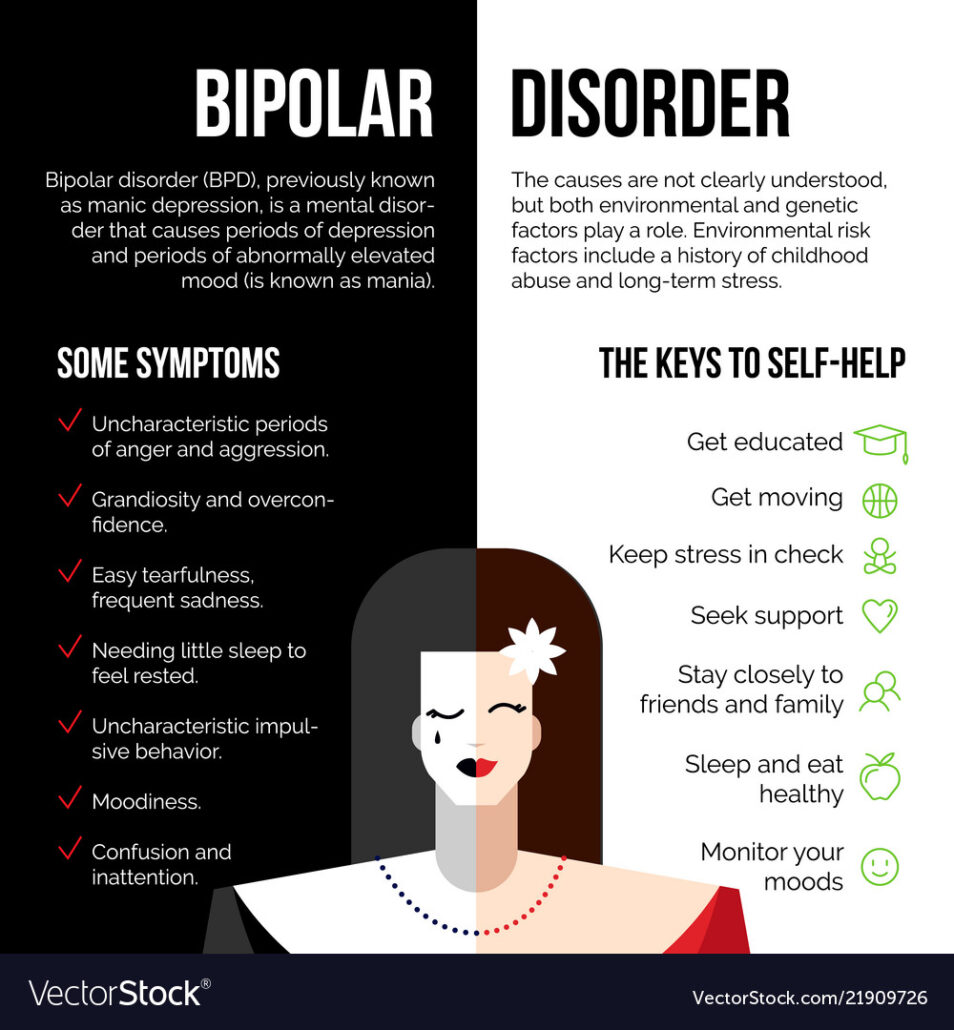
The Digital Phenotype: Using Tech to Define Manic Depression
The traditional diagnosis of manic depression often relied on retrospective self-reporting, which is notoriously prone to memory bias. Technology has introduced the concept of the “digital phenotype,” which utilizes the passive data generated by a user’s interaction with their smartphone and wearable devices to create a real-time map of their mental state. This approach transforms our understanding of the disorder from a series of subjective feelings into a set of objective, measurable data points.
Passive Sensing and Behavioral Metadata
Manic depression manifests in distinct physical and digital behaviors. During a manic phase, a patient may exhibit increased typing speed, a higher frequency of outgoing communications, and significant changes in sleep patterns—data that modern accelerometers and operating system logs can track with precision. Conversely, depressive episodes are often signaled by decreased mobility (GPS data) and social withdrawal (reduced app usage). By analyzing these metadata streams, developers are creating software that can identify a “manic signature” long before the patient is consciously aware of the shift.
The Role of Wearable Biometrics
The integration of wearables like the Apple Watch, Oura Ring, and Whoop strap has provided a continuous stream of physiological data, such as heart rate variability (HRV) and skin conductance. In the tech niche, these are recognized as vital indicators of autonomic nervous system arousal. For someone with manic depression, these sensors can detect the physiological “rumblings” of an impending episode. High-frequency data collection allows for the transition from reactive treatment to proactive intervention, using tech to bridge the gap between a patient’s biology and their clinical care team.
AI and Machine Learning: Predicting the Pendulum Swing
The true power of technology in managing manic depression lies in machine learning (ML) and its ability to process vast quantities of unstructured data. Predictive modeling is the cornerstone of modern mental health tech, offering a “weather forecast” for the human mind.
Algorithmic Mood Forecasting
Neural networks are currently being trained on longitudinal datasets to predict mood transitions in bipolar patients. By feeding an AI model years of sleep data, activity levels, and digital communications, these tools can identify subtle correlations that the human eye would miss. For instance, an algorithm might detect that a 15% decrease in sleep duration over three nights, combined with a 20% increase in social media engagement, carries an 80% probability of a manic onset within the next 48 hours. This shift from description to prediction is the hallmark of the current “Psych-Tech” revolution.
Natural Language Processing (NLP) in Mood Analysis
Natural Language Processing is another critical tool in the tech arsenal. AI tools can analyze the sentiment, syntax, and velocity of a user’s text messages or journal entries. Mania is often characterized by “pressured speech,” which translates digitally into rapid-fire messaging and a specific linguistic density. NLP models can flag these markers in real-time, providing an automated “check-engine light” for the user. These tools are being integrated into specialized keyboards and journaling apps, creating a seamless layer of digital support that monitors the user’s cognitive state without requiring active input.
The Rise of Digital Therapeutics and Mood-Tracking Ecosystems
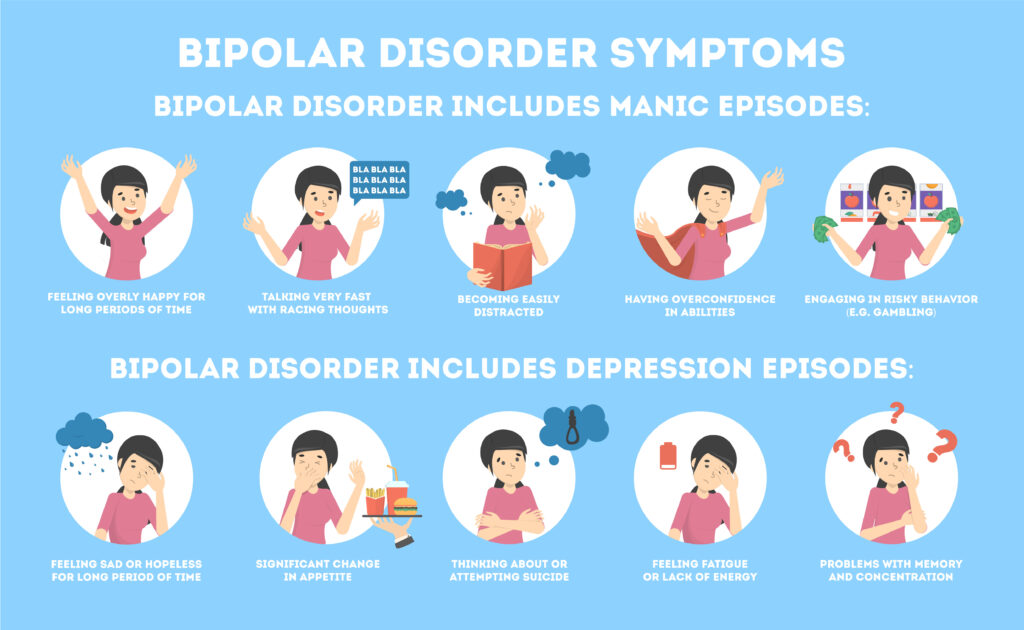
As the hardware and algorithms evolve, we are seeing the emergence of Digital Therapeutics (DTx)—software-based interventions that are clinically validated to treat medical conditions. For manic depression, these ecosystems represent a new tier of the “tech stack” for mental health.
UX/UI Design for Neurodiversity
Developing software for users with manic depression requires a deep understanding of UX (User Experience) design. During a depressive episode, a user may find complex interfaces overwhelming, requiring a minimalist, high-contrast UI to encourage engagement. During mania, the goal of the UI might be to introduce “friction”—deliberate design hurdles that prevent impulsive actions, such as excessive spending or risky communications. Tech firms are increasingly focusing on “inclusive design” that adapts its interface based on the user’s current cognitive load and emotional state.
Integrated Care Platforms
The modern “mental health stack” often involves a suite of apps that sync with electronic health records (EHR). These platforms facilitate teletherapy, medication management, and peer support within a single encrypted environment. For the patient, this reduces the “cognitive tax” of managing their condition. For the provider, it provides a dashboard of high-fidelity data that informs better clinical decisions. The trend toward interoperability—where a mood tracker can “talk” to a smart lightbulb to regulate circadian rhythms—is a prime example of how the Internet of Things (IoT) is being leveraged to manage manic depression.
Data Sovereignty and Security in the Mental Health Tech Stack
With the collection of such sensitive behavioral and biological data comes a massive responsibility regarding digital security and ethics. In the tech industry, the “manic depression” niche is a lightning rod for discussions on data privacy and the ethical use of AI.
HIPAA Compliance and End-to-End Encryption
Any app or tool designed to manage manic depression must adhere to strict regulatory frameworks like HIPAA in the US or GDPR in the EU. Beyond simple compliance, the gold standard in this niche is zero-knowledge encryption, where even the service provider cannot access the user’s mood logs or biometric data. As digital health tools become more invasive (using microphones to detect vocal tremors, for example), the tech community is pushing for more robust localized processing (edge computing) to ensure that sensitive data never leaves the user’s device.
The Ethics of Predictive Intervention
A major tech-centric debate involves the “right to a mood.” If an algorithm predicts a manic episode and notifies a doctor or a family member, does that infringe on the user’s autonomy? Tech ethicists are working to develop frameworks for “algorithmic transparency,” ensuring that users understand why a piece of software is flagging their behavior. Furthermore, there is the risk of “algorithmic bias,” where a model trained on a specific demographic might misinterpret the cultural or linguistic expressions of another group as signs of mania or depression. Solving these tech challenges is as vital as the diagnostic capabilities themselves.
The Future of Bipolar Management: VR and Neuromodulation
Looking ahead, the intersection of manic depression and technology is moving toward even more immersive and direct interventions. We are moving beyond the smartphone into the realms of Extended Reality (XR) and advanced hardware.
Virtual Reality for Emotional Regulation
Virtual Reality (VR) is being used to create “digital sandboxes” where individuals with manic depression can practice emotional regulation techniques. These VR environments can simulate high-stress social situations or provide hyper-calming sensory deprivation experiences to help “down-regulate” a manic state. By using biofeedback loops, the VR environment can change in real-time based on the user’s heart rate, providing a personalized therapeutic experience that traditional “talk therapy” cannot replicate.
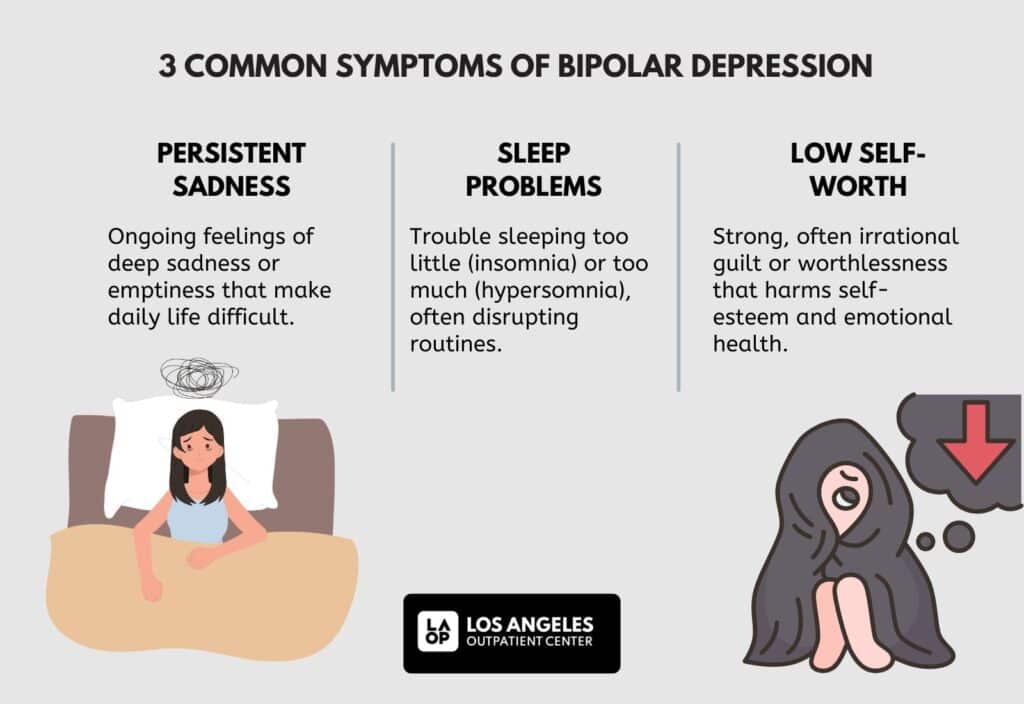
Wearable Neuromodulation and Brain-Computer Interfaces (BCI)
Perhaps the most “high-tech” frontier is the development of non-invasive neuromodulation devices. These are wearable gadgets that use low-level electrical currents (tDCS) or magnetic pulses to stimulate specific regions of the brain associated with mood regulation. While still largely in the clinical trial phase, the goal is to create a “smart” wearable that can detect the neural precursors of a depressive or manic shift and deliver a targeted pulse to stabilize the user’s brain chemistry. This represents the ultimate convergence of hardware, software, and biology—a “closed-loop” system for mental health.
In conclusion, “what is manic depression disorder” is a question that tech is answering with data, code, and silicon. By transforming the subjective experience of Bipolar Disorder into an objective digital framework, we are creating a world where the “pendulum swing” of the condition can be monitored, predicted, and mitigated through the power of the modern technological ecosystem. This digital transformation is not just changing how we treat the disorder; it is fundamentally changing how we define the human experience in the age of information.
aViewFromTheCave is a participant in the Amazon Services LLC Associates Program, an affiliate advertising program designed to provide a means for sites to earn advertising fees by advertising and linking to Amazon.com. Amazon, the Amazon logo, AmazonSupply, and the AmazonSupply logo are trademarks of Amazon.com, Inc. or its affiliates. As an Amazon Associate we earn affiliate commissions from qualifying purchases.