
In the landscape of modern economics, few case studies are as compelling as the transition of high-value proprietary assets into low-cost commodities. While primarily recognized as a cornerstone of cardiovascular health, lisinopril serves as a primary example of how the pharmaceutical industry navigates the “patent cliff” and how generic competition reshapes the financial reality for both corporate entities and individual consumers. To understand lisinopril from a fiscal perspective is to understand the mechanics of the multi-billion dollar generic drug market, the shift in healthcare investment strategies, and the personal finance implications of long-term medication management.

The Economics of the Patent Cliff: From Monopoly to Commodity
The financial journey of lisinopril began under the brand names Zestril and Prinivil, developed by pharmaceutical giants AstraZeneca and Merck, respectively. During the period of patent protection, these companies held a legal monopoly, allowing them to recoup the immense costs of research and development (R&D) through premium pricing. This phase represents the traditional “Brand Strategy” of pharmaceuticals: high margins, heavy marketing spend, and exclusive market control.
The Hatch-Waxman Act and Market Erosion
The transition of lisinopril into the generic market was facilitated by the Drug Price Competition and Patent Term Restoration Act, commonly known as the Hatch-Waxman Act. This legislation created the financial framework for generic entry, allowing manufacturers to bypass redundant clinical trials in favor of proving bioequivalence. When lisinopril’s patent expired in the early 2000s, it triggered a massive shift in market capitalization.
Within months of patent expiration, the price of lisinopril plummeted as multiple manufacturers entered the space. For the original patent holders, this represented a “patent cliff”—a sharp decline in revenue as lower-cost competitors captured the market share. For the broader economy, however, it signaled a democratization of access, shifting billions of dollars from corporate profits back into the pockets of insurers and consumers.
High-Volume, Low-Margin Business Models
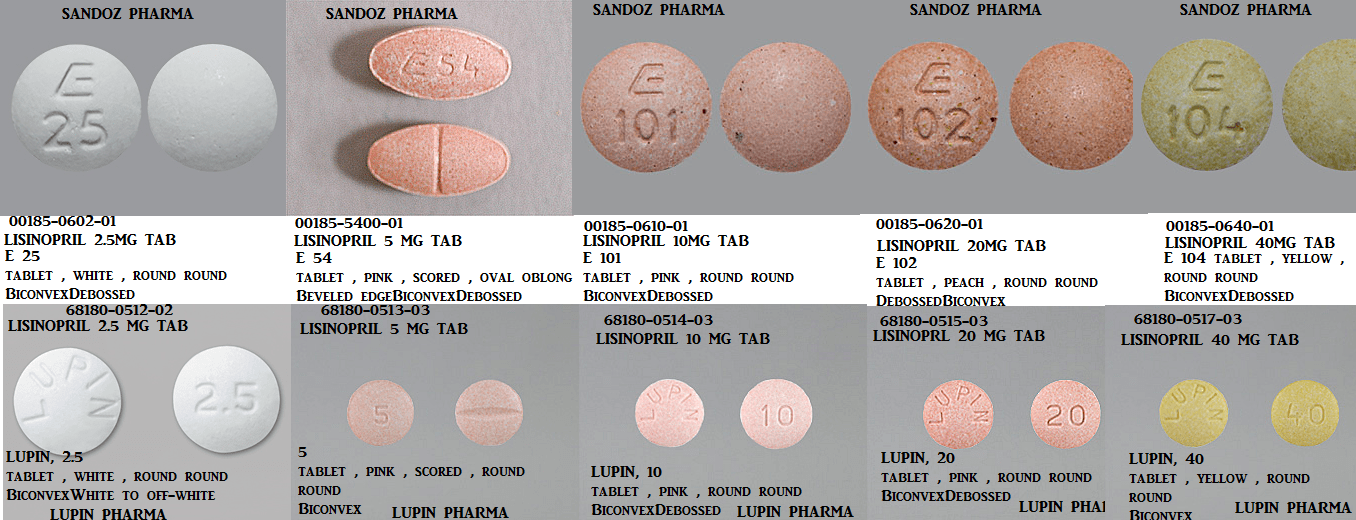
Today, lisinopril is manufactured by a dozen different generic firms, including Teva, Sandoz, and Lupin. The business finance model for these companies is fundamentally different from that of R&D-focused biotechs. Instead of seeking high margins on a single breakthrough, they operate on a high-volume, low-margin scale. This requires extreme operational efficiency, optimized supply chains, and the ability to navigate complex regulatory environments across multiple jurisdictions. For investors, this sector of the market represents a “value” play rather than a “growth” play, characterized by steady cash flows and high barriers to entry regarding manufacturing infrastructure.
Generic vs. Brand Name: The Personal Finance Perspective on Healthcare Costs
For the individual consumer, the existence of lisinopril is a significant factor in personal financial planning. Chronic conditions require long-term financial commitments, and the choice between a brand-name medication and a generic equivalent like lisinopril can result in savings of thousands of dollars over a decade.
The “Hidden Tax” of Brand Loyalty
In the world of personal finance, many consumers fall victim to brand-name bias, assuming that a higher price point equates to higher quality. In the pharmaceutical sector, however, FDA regulations ensure that generic lisinopril is identical to its brand-name predecessors in terms of dosage, safety, strength, and quality.
Choosing the generic version is one of the most effective “side hustles” for a household budget—it is essentially found money. While a monthly supply of a brand-name ACE inhibitor might cost upwards of $100 or $200 without insurance, generic lisinopril is often available on the “four-dollar list” at major retailers or through mail-order pharmacies.
Impact on Insurance Premiums and Employer Costs
The financial impact of lisinopril extends to the employer level. For businesses providing health insurance, the widespread adoption of generic lisinopril helps stabilize premiums. By incentivizing employees to use generics through tiered co-pay structures, companies can manage their total healthcare spend. This is a critical component of corporate financial strategy; as healthcare costs continue to outpace inflation, the utilization of low-cost, high-efficacy generics becomes a vital tool for maintaining a healthy bottom line.

Investing in the Generic Pharmaceutical Supply Chain
For those looking at lisinopril through the lens of investment and market trends, the focus shifts to the global supply chain and the companies that dominate the generic landscape. The pharmaceutical industry is currently undergoing a period of intense consolidation, driven by the need for scale to maintain profitability in a low-margin environment.
The Role of Vertical Integration
Investors closely watch how generic manufacturers vertically integrate their operations. Companies that control the production of Active Pharmaceutical Ingredients (APIs)—the raw lisinopril powder—hold a significant competitive advantage over those that must purchase it from third parties. This control over the supply chain provides a buffer against price volatility and global logistics disruptions. Analyzing the cost of goods sold (COGS) for these manufacturers provides deep insight into their long-term viability.
Emerging Disruptors in Drug Pricing
The financial landscape of drugs like lisinopril is being further disrupted by new business models. Organizations like Mark Cuban’s Cost Plus Drug Company are stripping away the traditional “middlemen” of the pharmaceutical world—specifically Pharmacy Benefit Managers (PBMs). By providing a transparent pricing model (cost + 15% markup + shipping), these companies are challenging the traditional markup structures that have historically inflated the cost of generics. This shift is a major trend in business finance, as it forces traditional pharmacies and PBMs to justify their value proposition in an increasingly transparent market.
Financial Tools and Strategies for Managing Medication Costs
Navigating the cost of essential medications requires the use of modern financial tools. For the savvy consumer or financial advisor, managing healthcare expenses is as important as managing an investment portfolio.
Price Comparison Tools as Financial Assets
Digital tools such as GoodRx, SingleCare, and various pharmacy-specific apps have transformed how individuals interact with the pharmaceutical market. These platforms function as financial aggregators, allowing users to find the lowest price for lisinopril within a specific geographic area. For those in the “Money” niche, these tools are indispensable for minimizing “leakage” in a monthly budget. The price of lisinopril can vary by as much as 400% between two pharmacies located on the same street, making price discovery a high-ROI activity.
Health Savings Accounts (HSAs) and Tax Efficiency
From a tax-planning perspective, medications like lisinopril are best managed through Health Savings Accounts (HSAs) or Flexible Spending Accounts (FSAs). By using pre-tax dollars to pay for long-term prescriptions, consumers effectively receive a 20-30% discount (depending on their tax bracket). This is a core strategy in personal finance: leveraging tax-advantaged accounts to cover predictable, recurring expenses. For an individual with hypertension, lisinopril is a “known quantity” in their annual financial forecast, making it a perfect candidate for HSA allocation.
The Macroeconomic Future of Essential Medicines
The story of lisinopril is a microcosm of the broader shifts in global finance and healthcare policy. As populations age in developed nations, the demand for affordable, chronic-care medications will only increase.
Sovereignty and Onshoring Costs
A growing trend in the business of finance is the push for “onshoring” pharmaceutical manufacturing. Currently, a significant portion of the global supply of lisinopril and its APIs is produced in India and China. Governments are increasingly viewing this as a national security and financial risk. However, moving production back to the United States or Europe carries a higher price tag due to labor and environmental regulations. This tension between “lowest cost” and “supply chain security” will be a primary driver of pharmaceutical investment and pricing in the coming decade.
Conclusion: The Value of the Generic Standard
Lisinopril stands as a testament to the power of the generic market to drive down costs while maintaining high standards of utility. Whether viewed as a case study in patent-cliff navigation, a tool for personal budget optimization, or a component of a diversified investment portfolio, lisinopril represents the intersection of healthcare and high-level finance. By moving from a high-priced innovation to an affordable staple, it has saved billions of dollars globally, proving that in the world of money, sometimes the greatest value is found in the most common commodities.
aViewFromTheCave is a participant in the Amazon Services LLC Associates Program, an affiliate advertising program designed to provide a means for sites to earn advertising fees by advertising and linking to Amazon.com. Amazon, the Amazon logo, AmazonSupply, and the AmazonSupply logo are trademarks of Amazon.com, Inc. or its affiliates. As an Amazon Associate we earn affiliate commissions from qualifying purchases.