
The transition into menopause has historically been a biological phase shrouded in clinical ambiguity and social silence. However, the tech industry is currently undergoing a paradigm shift, transforming the way we define, monitor, and mitigate vasomotor symptoms (VMS). When we ask “what is hot flashes in menopause” today, we are no longer just discussing a physiological sensation; we are discussing a complex data point within the burgeoning FemTech sector. As technology matures, the intersection of endocrinology and engineering is providing unprecedented insights into the thermal regulation of the human body, turning what was once a private struggle into a quantifiable and manageable digital health metric.
The Bio-Digital Frontier: Decoding the Physiology of Hot Flashes through Sensor Data
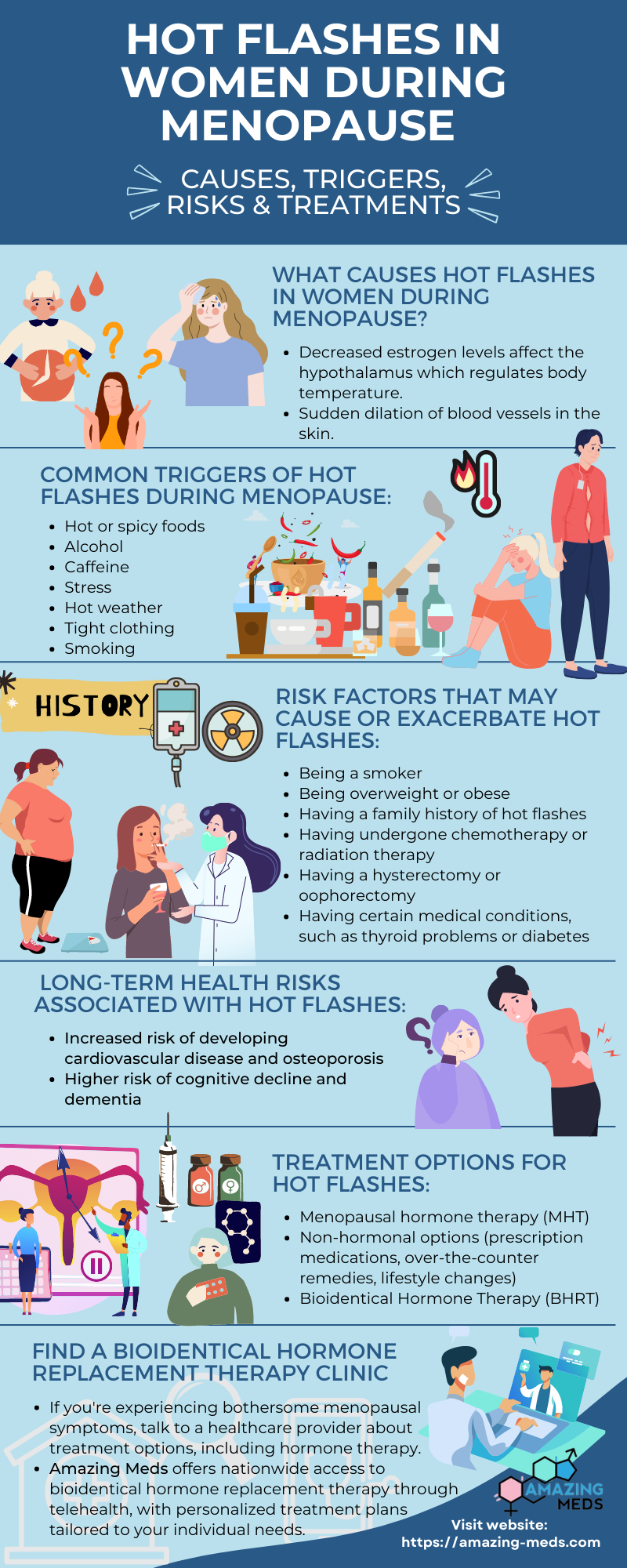
To understand hot flashes from a technological perspective, one must first view the body as a complex thermodynamic system. Hot flashes, or vasomotor symptoms, are essentially a glitch in the body’s internal thermostat. This occurs in the hypothalamus, the region of the brain responsible for thermoregulation. During menopause, fluctuating estrogen levels narrow the “thermoneutral zone,” meaning even slight changes in ambient temperature can trigger an exaggerated cooling response.
In the realm of Health-Tech, this biological event is being deconstructed using advanced sensors. Modern wearables are moving beyond simple step counting to integrate sophisticated Electrodermal Activity (EDA) sensors and Photoplethysmography (PPG).
The Role of Electrodermal Activity (EDA)
EDA sensors measure the skin’s electrical conductance, which fluctuates based on sweat gland activity. Since a hot flash is often preceded by a spike in skin conductance before the user even perceives the heat, high-fidelity wearables can now detect the onset of a vasomotor event in real-time. This “digital biomarker” allows for the creation of symptom logs that are far more accurate than traditional, retrospective paper diaries, which are often prone to recall bias.
Thermal Imaging and Biometric Synchronization
Beyond wrist-based wearables, tech innovators are utilizing infrared thermal imaging to map the heat dissipation patterns during a flash. By synchronizing this data with heart rate variability (HRV) and skin temperature sensors, AI-driven platforms can build a comprehensive profile of an individual’s menopausal transition. This level of granularity is essential for developing personalized interventions, moving away from the “one-size-fits-all” approach that has dominated women’s health for decades.
AI and Predictive Modeling: Anticipating Vasomotor Symptoms
The most significant advancement in the niche of menopause technology is the application of Machine Learning (ML) and Artificial Intelligence (AI) to symptom prediction. Identifying “what is hot flashes in menopause” is increasingly becoming an exercise in predictive analytics.
Neural Networks and Hormonal Mapping
AI models are now being trained on vast datasets encompassing menstrual history, sleep patterns, ambient environmental data, and nutritional intake. These neural networks look for subtle correlations that precede a hot flash. For instance, an algorithm might find that a specific drop in sleep quality, combined with a 2-degree rise in room temperature, results in a 90% probability of a severe hot flash the following afternoon.
Personalization through Generative AI
With the rise of Large Language Models (LLMs), digital health assistants are becoming more sophisticated. Users can interact with AI interfaces to report symptoms in natural language, which the system then parses into structured data. These AI tools provide “just-in-time” interventions—suggesting cooling techniques or breathing exercises minutes before a predicted peak in symptoms. This proactive stance is a direct result of software’s ability to process non-linear biological data at scale.
Smart Textiles and Cooling Gadgets: The Hardware Response to Menopause
While software handles the data, a new category of “Menotech” hardware is addressing the physical discomfort of hot flashes through engineering. The hardware sector is focused on active cooling technologies that provide immediate relief, often leveraging the Peltier effect—a phenomenon where a temperature difference is created by applying a voltage between two different conductors.
Wearable Thermostat Devices
Devices like smart bracelets act as a “personal thermostat.” By applying localized cooling to the inside of the wrist, these gadgets take advantage of the high density of thermoreceptors in that area. This sends a signal to the brain that the body is cooling down, effectively “hacking” the nervous system to mitigate the intensity of a hot flash. This is a prime example of how haptic technology and thermal engineering are being repurposed for gynecological health.
Smart Home Integration and IoT
The Internet of Things (IoT) is also playing a role in managing the menopausal environment. Smart mattresses and pillows integrated with liquid-cooling systems can now communicate with wearable sleep trackers. If a wearable detects a spike in skin temperature or a disturbance in heart rate indicating a night sweat, it can trigger the mattress to lower its temperature by several degrees automatically. This seamless integration between personal health tech and smart home infrastructure represents the future of symptom management.
Advanced Textiles and Phase-Change Materials
Innovation is not limited to electronics. The field of material science has introduced “smart fabrics” specifically designed for menopause. These textiles incorporate Phase-Change Materials (PCMs) that absorb, store, and release heat. When the body temperature rises during a hot flash, the fabric absorbs the excess heat; as the flash subsides and the body cools, the fabric releases that stored energy back to the user to prevent the subsequent chills. This passive tech solution is becoming a staple in both athletic wear and professional attire designed for women in midlife.
Data Privacy and the Ethical Landscape of Menopause Tech
As we digitize the experience of menopause, the conversation around digital security and data sovereignty becomes paramount. The information gathered by FemTech apps—ranging from hormonal levels to sexual health and frequency of hot flashes—is some of the most sensitive personal data an individual can generate.
The Challenge of Data Fragmentation
Currently, much of the data regarding menopause is siloed across various apps and medical devices. This fragmentation hinders the development of a unified digital health record. The tech industry is pushing for better interoperability, utilizing standards like FHIR (Fast Healthcare Interoperability Resources) to ensure that data can move securely between a user’s wearable, their cooling device, and their physician’s portal.
Security Protocols in FemTech
Given the sensitive nature of reproductive health data, developers are increasingly turning to end-to-end encryption and decentralized data storage solutions. Some platforms are exploring blockchain technology to give users total control over who accesses their symptom logs. In a post-Roe v. Wade digital landscape, the security of health data is not just a technical requirement but a fundamental human rights issue. Tech companies that prioritize transparency and robust encryption are gaining the most traction in the menopause market.
The Future of FemTech: Integrating Holistic Digital Health Ecosystems
The trajectory of menopause technology suggests a move toward holistic, integrated ecosystems. In the near future, the answer to “what is hot flashes in menopause” will be found in a comprehensive dashboard that manages everything from bone density tracking to cognitive health monitoring.
Telehealth and Virtual Clinics
The digital transformation of menopause management is also reshaping healthcare delivery. Virtual clinics specializing in menopause use the data from wearables to provide remote consultations. This allows specialists to see objective data—how many hot flashes occurred, their duration, and their impact on sleep—rather than relying on subjective patient reports. This data-driven approach leads to more accurate prescriptions and lifestyle recommendations.

The “Menopause Gold Rush” in Venture Capital
The tech world has finally recognized the economic potential of the menopause market, often referred to as the “Menopause Gold Rush.” With billions of dollars in potential revenue, venture capital is flowing into startups that address VMS. This influx of capital is accelerating the research and development of non-invasive tech solutions, ensuring that the next generation of women will have access to sophisticated tools that their predecessors could only dream of.
In conclusion, the intersection of menopause and technology is redefining a universal biological experience. By leveraging AI, advanced sensors, and thermal engineering, the tech industry is providing the tools necessary to navigate the complexities of hot flashes with precision and dignity. As these technologies continue to evolve, they promise a future where menopause is not an obstacle to be endured, but a manageable phase of life supported by a robust digital ecosystem. High-tech interventions are turning the “change of life” into a change of lifestyle, powered by data and driven by innovation.
aViewFromTheCave is a participant in the Amazon Services LLC Associates Program, an affiliate advertising program designed to provide a means for sites to earn advertising fees by advertising and linking to Amazon.com. Amazon, the Amazon logo, AmazonSupply, and the AmazonSupply logo are trademarks of Amazon.com, Inc. or its affiliates. As an Amazon Associate we earn affiliate commissions from qualifying purchases.