
In an era where the average consumer is bombarded with thousands of marketing messages daily, the traditional paradigms of brand loyalty and “quiet” excellence are being challenged by a more aggressive, theatrical approach. This phenomenon, which we identify as “Histrionic Branding,” represents a strategic shift toward high-emotion, attention-seeking, and performance-based identity. While the term “histrionic” historically describes behavior characterized by a need for center-stage status and exaggerated expression, in the context of brand strategy, it defines the intentional use of dramatic disruption to bypass the noise of a saturated digital marketplace.
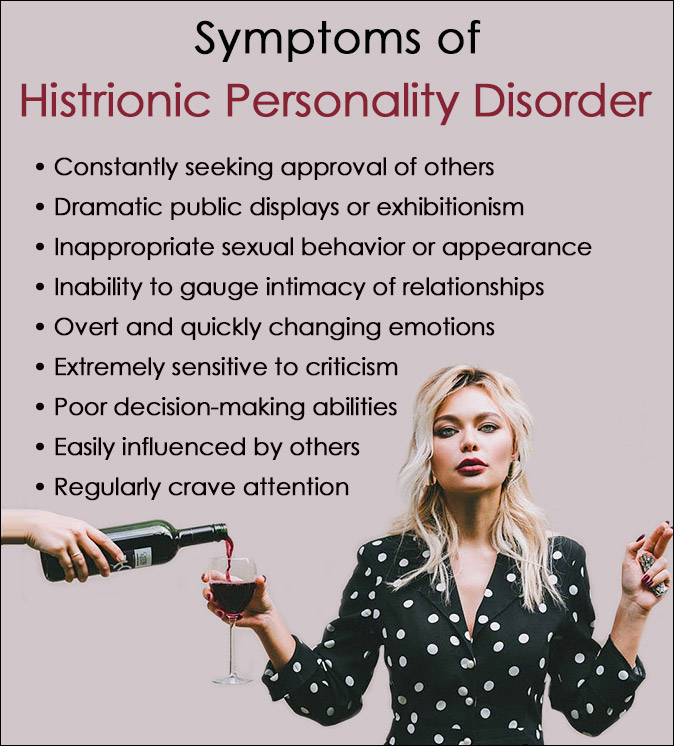
Histrionic branding is not merely about being loud; it is about the curated use of spectacle to create an immediate emotional hook. It represents a departure from the “solution-first” marketing of the early 2000s and moves toward an “identity-first” or “experience-first” model. For modern brand strategists, understanding what is histrionic in a commercial sense is essential for navigating an economy where attention is the most valuable—and volatile—currency.
The Anatomy of a Histrionic Brand Identity
At its core, a histrionic brand identity is built upon the premise that being ignored is a greater risk than being polarizing. Unlike traditional corporate branding, which often seeks to minimize friction and appeal to the broadest possible demographic, histrionic strategies lean into friction. They utilize specific psychological triggers to ensure that the brand remains at the forefront of public discourse.
From Utility to Performance
In the past, a brand’s value was largely tied to the utility of its product. If you sold soap, your branding emphasized cleanliness and health. In the histrionic model, the product becomes a prop in a larger theatrical narrative. The brand acts as a performer on a global stage, using social media, guerrilla marketing, and high-stakes PR stunts to maintain a state of perpetual relevance. This shift moves the brand from a passive service provider to an active participant in culture.
The Core Pillars: Emotion and Immediacy
There are three primary pillars that define a histrionic brand strategy:
- Exaggerated Aesthetic: Visual identities that use high contrast, bold typography, or jarring imagery to force a “scroll-stop” moment on digital platforms.
- Emotional Extremism: Campaigns that skip over “satisfaction” and aim directly for “shock,” “delight,” or “outrage.” These emotions trigger higher shareability and algorithmic favor.
- The Constant Reveal: A cadence of communication that treats every update as a major event, utilizing countdowns, “drops,” and exclusive leaks to maintain a high-frequency engagement loop.
The Psychological Drivers of Dramatic Engagement
To understand why histrionic branding works, one must look at the psychological landscape of the modern consumer. We are currently living through what economists call “The Attention Economy.” In this environment, the human brain is conditioned to prioritize stimuli that are novel, threatening, or intensely rewarding.
The Scarcity of Attention
As the barrier to entry for content creation has plummeted, the volume of available information has exploded. This has led to “attention fatigue,” where consumers subconsciously filter out anything that feels routine or overly commercial. A histrionic brand bypasses these filters by presenting itself as “non-commercial” entertainment. By adopting a persona that is dramatic and unpredictable, the brand creates a “novelty gap” that the consumer feels compelled to close by engaging with the content.
The Role of Social Signaling
Histrionic branding often relies on tribalism. When a brand takes a dramatic or polarizing stance, it allows consumers to use that brand as a tool for their own personal branding. By aligning with a brand that is “out there” or “rebellious,” the consumer signals their own values to their peers. This creates a powerful feedback loop where the brand’s dramatic identity is amplified by the histrionic needs of the individual’s own social media presence.
Case Studies: High-Drama Brands and Radical Expression

Several modern brands have successfully integrated histrionic elements into their core strategy, proving that drama, when executed with precision, can lead to massive valuation increases and market dominance.
The Disruptors: Turning Mundanity into Spectacle
Consider the rise of brands in traditionally “boring” sectors—such as bottled water or insurance—that have adopted high-drama personas. By using aggressive imagery, dark humor, and exaggerated “toughness,” these brands have managed to turn a commodity into a lifestyle statement. They don’t just sell a product; they sell the spectacle of the brand itself. This is the essence of histrionic strategy: the performance is the product.
The Risks of Inauthentic Theatrics
However, there is a fine line between a brand being “histrionic” (strategically dramatic) and being perceived as “desperate.” The key to success lies in authenticity. If a brand’s dramatic pivot does not align with its internal culture or its product’s reality, it risks a “cringe” reaction from the market. We have seen numerous legacy corporations attempt to adopt a histrionic, “edgy” persona on social media, only to be met with mockery because the performance felt forced rather than foundational.
Implementing a High-Engagement Strategy Without Losing Integrity
For CMOs and brand managers, the challenge is how to adopt the benefits of histrionic branding—the high reach, the intense loyalty, the cultural relevance—without compromising the brand’s long-term stability. A brand cannot live in a state of high drama forever without experiencing burnout or audience fatigue.
Balancing the “Highs” and the “Lows”
Effective histrionic branding follows a rhythmic pattern. It is not a constant scream; it is a series of well-timed crescendos. Strategic brands use “Theatrical Windows”—specific periods where they launch high-drama campaigns—followed by “Operational Windows” where they focus on delivering the promised value and building infrastructure. This balance prevents the audience from becoming desensitized to the brand’s maneuvers.
Measuring Success Beyond the Click
In a histrionic framework, traditional KPIs (Key Performance Indicators) must be recalibrated. While clicks and impressions are important, the true measure of a dramatic strategy is “Cultural Share of Voice.”
- How often is the brand mentioned in non-sponsored contexts?
- Is the brand being used as a meme or a cultural shorthand?
- Does the brand provoke a reaction from competitors?
These qualitative metrics often provide a more accurate picture of a histrionic brand’s health than raw data alone.
The Future of Brand Identity in an Algorithmic World
As we look toward the future of marketing and corporate identity, the “histrionic” element is likely to become more refined. We are moving away from the era of “shock for shock’s sake” and toward “Precision Performance.”
AI and Personalised Drama
Artificial intelligence is allowing brands to deliver histrionic experiences on an individual level. Imagine a brand that doesn’t just launch a dramatic national campaign, but instead creates a unique, high-emotion narrative for every single customer based on their personal data. This “Hyper-Histrionic” approach will use generative AI to create visuals, copy, and interactions that are perfectly tuned to trigger an individual’s specific emotional responses.

The Rise of the “Silent” Counter-Trend
In reaction to the rise of histrionic branding, we are also seeing the emergence of “Minimalist Branding” as a luxury counter-signal. When every brand is shouting, silence becomes a form of drama in itself. This suggests that the definition of what is histrionic will continue to evolve. Eventually, the most dramatic thing a brand can do in a world of constant performance may be to refuse to perform at all, using “selective absence” as its own form of attention-seeking theater.
Ultimately, histrionic branding is a tool, not a crutch. It requires a deep understanding of psychology, a willingness to take calculated risks, and a masterful command of narrative. For the brands that can harness the power of the spectacle, the rewards are significant: a place at the center of the cultural conversation and a level of consumer engagement that traditional marketing can no longer provide. In the high-noise economy, the brands that understand the art of the performance are the ones that will define the future of the market.
aViewFromTheCave is a participant in the Amazon Services LLC Associates Program, an affiliate advertising program designed to provide a means for sites to earn advertising fees by advertising and linking to Amazon.com. Amazon, the Amazon logo, AmazonSupply, and the AmazonSupply logo are trademarks of Amazon.com, Inc. or its affiliates. As an Amazon Associate we earn affiliate commissions from qualifying purchases.