
Hashimoto’s disease, also known as Hashimoto’s thyroiditis, is an autoimmune disorder where the immune system mistakenly attacks the thyroid gland. This small, butterfly-shaped gland located at the base of the neck plays a disproportionately large role in human biology, regulating metabolism, heart rate, and body temperature through the production of hormones. While the medical community has understood the biological mechanics of the disease for decades, the modern landscape of technology—ranging from artificial intelligence (AI) to the Internet of Medical Things (IoMT)—is fundamentally changing how we identify symptoms and manage the condition.
For many patients, the journey toward a diagnosis is long and arduous. Because the thyroid affects nearly every organ system, the symptoms of Hashimoto’s are often non-specific and can be mistaken for other conditions like clinical depression, chronic fatigue syndrome, or simple aging. However, the integration of high-tech diagnostic tools and patient-centric software is closing the gap between the onset of symptoms and the implementation of effective treatment protocols.
Decoding the Symptoms: A Data-Driven Approach to Diagnosis
The symptoms of Hashimoto’s disease often manifest slowly, sometimes taking years to become debilitating. Traditionally, patients would report these symptoms to a general practitioner who might overlook them until the thyroid is significantly damaged. Today, however, the “quantified self” movement—powered by wearable tech and sophisticated data analysis—is allowing for earlier detection.
The Core Biological Symptoms
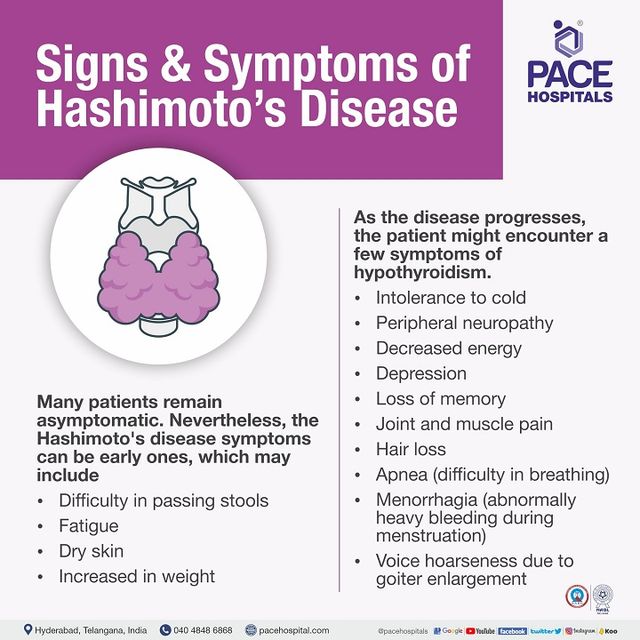
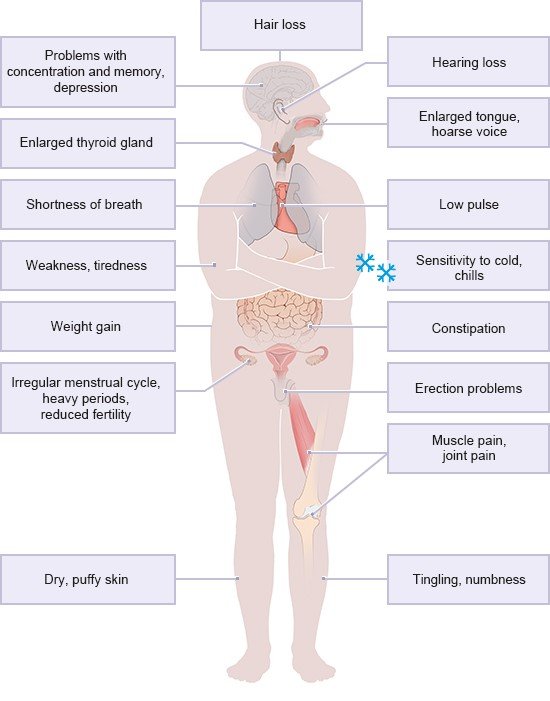
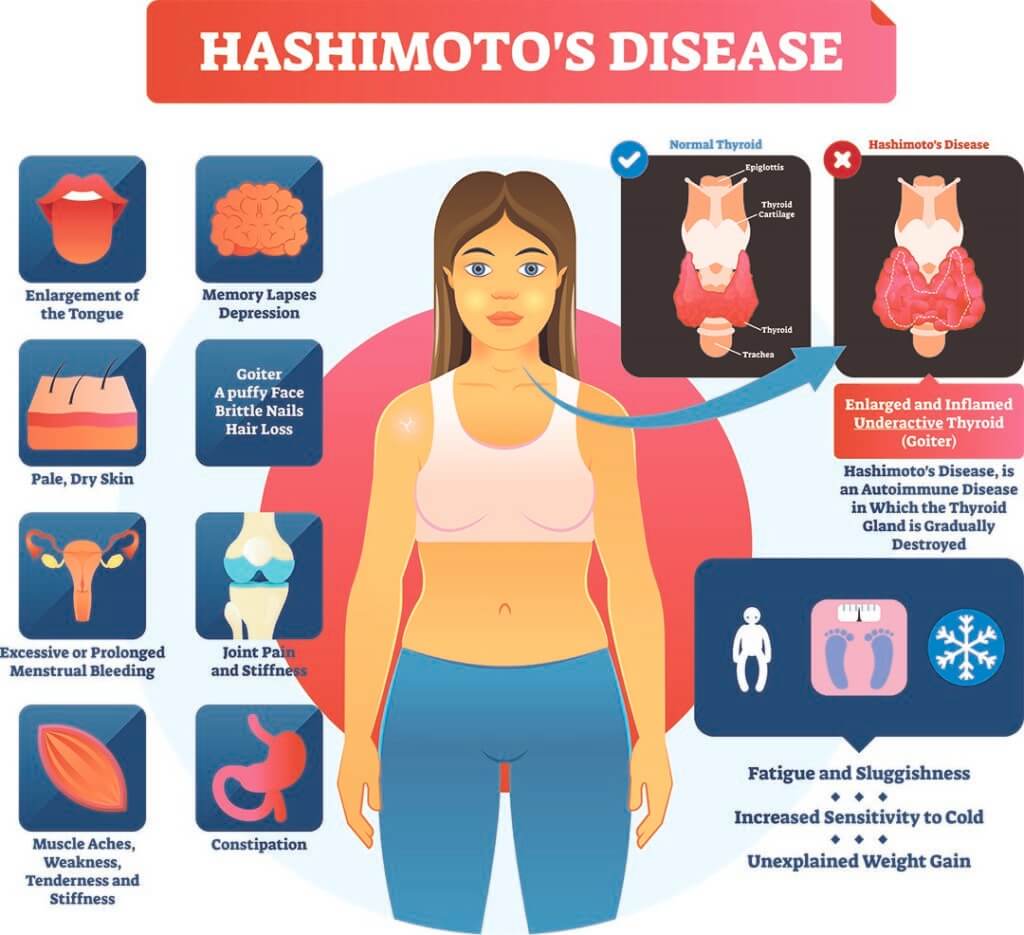
At its core, Hashimoto’s leads to hypothyroidism (an underactive thyroid). The symptoms are reflective of a body “slowing down” due to a lack of thyroid hormone. Key indicators include:
- Chronic Fatigue and Lethargy: A persistent lack of energy that does not improve with rest.
- Cognitive Dysfunction (“Brain Fog”): Difficulty concentrating, memory lapses, and mental slowness.
- Unexplained Weight Gain: A metabolic slowdown that makes maintaining a healthy weight difficult despite diet and exercise.
- Cold Intolerance: Feeling disproportionately cold in environments others find comfortable.
- Dermatological and Hair Changes: Dry, thinning skin and hair loss, particularly at the outer edges of the eyebrows.
- Joint and Muscle Pain: Stiffness and swelling that can impede mobility.
How Wearables Track Symptom Patterns
Modern tech consumers are already wearing the tools necessary to flag these symptoms. Smartwatches and fitness trackers equipped with advanced sensors can monitor Heart Rate Variability (HRV) and Resting Heart Rate (RHR). In patients with Hashimoto’s, these metrics often show distinct patterns. AI-driven apps can now analyze months of biometric data to spot trends that humans might miss—such as a gradual decline in RHR or a spike in sleep disturbances—prompting the user to seek a clinical thyroid panel before the disease progresses to a critical stage.
Digital Symptom Logging and AI Analysis
Software-as-a-Service (SaaS) platforms dedicated to autoimmune health are replacing the traditional paper-and-pen symptom diary. These apps allow patients to log daily fluctuations in mood, energy, and physical discomfort. Machine learning algorithms then correlate this data with external factors like diet, sleep cycles, and even local weather patterns (which can affect joint pain). This provides a granular view of how the disease affects the individual, moving away from a “one-size-fits-all” symptom list.
Emerging Tech Trends in Thyroid Monitoring and Pathology
As we move deeper into the 2020s, the technology used to diagnose and monitor Hashimoto’s is becoming more precise and accessible. The intersection of software engineering and clinical pathology has birthed a new era of “Health-Tech” that prioritizes rapid results and non-invasive procedures.
AI-Enhanced Ultrasound Imaging
The definitive diagnosis of Hashimoto’s often involves an ultrasound of the thyroid to check for inflammation or nodules. Traditionally, the accuracy of these scans depended heavily on the technician’s skill and the radiologist’s interpretation. New AI diagnostic tools are now being integrated into ultrasound software. These algorithms are trained on millions of images to detect the specific texture and vascularity patterns associated with Hashimoto’s. By using deep learning, these tools can provide a “risk score,” helping doctors differentiate between benign inflammation and the early stages of thyroid cancer, which can sometimes coexist with Hashimoto’s.
Point-of-Care Testing (POCT) Gadgets
The future of Hashimoto’s management lies in moving diagnostic capabilities from the lab to the home. We are currently seeing the development of handheld devices—similar to glucose monitors for diabetics—that can measure Thyroid Stimulating Hormone (TSH) levels using a single drop of blood. These gadgets utilize microfluidic technology and digital sensors to sync results directly to a patient’s smartphone. For those with Hashimoto’s, whose hormone levels can fluctuate wildly based on stress or illness, this real-time data is invaluable for medication adjustment.
Telemedicine and the Virtual Clinic
The rise of specialized telehealth platforms has revolutionized access for patients in rural or underserved areas. These platforms do more than just facilitate video calls; they integrate with electronic health records (EHR) and provide a digital ecosystem where patients can consult with endocrinologists, nutritionists, and health coaches in one interface. This holistic approach is essential for Hashimoto’s, where lifestyle factors are just as important as pharmacological intervention.
Managing Hashimoto’s with Digital Therapeutics
Once a diagnosis is confirmed, the focus shifts to long-term management. This is where digital therapeutics—software-driven interventions to prevent, manage, or treat a medical disorder—come into play. Hashimoto’s is a chronic condition, meaning it requires lifelong vigilance, and technology is the primary tool for maintaining a high quality of life.
Personalizing Nutrition Through Biohacking Apps
Dietary changes are often cited as a key component in reducing the autoimmune “flare-ups” associated with Hashimoto’s. New apps are utilizing nutrigenomics—the study of the interaction of nutrition and genes—to provide personalized meal plans. By analyzing a user’s DNA via home kits (like 23andMe or Ancestry) and cross-referencing it with their Hashimoto’s symptoms, these platforms can suggest specific diets (such as the Autoimmune Protocol or AIP) that are most likely to reduce systemic inflammation for that specific user.
Medication Adherence and Smart Dispensers
The primary treatment for Hashimoto’s is synthetic thyroid hormone replacement. Timing is critical; the medication must be taken on an empty stomach at the same time every day to ensure consistent absorption. Smart pill dispensers and integrated mobile alerts are reducing the rate of missed doses. Some advanced dispensers are even IoT-enabled, notifying a designated caregiver or healthcare provider if a dose is skipped, ensuring that the patient’s hormone levels remain stable.
Mental Health Tech and the Autoimmune Connection
There is a documented link between Hashimoto’s and mental health issues, particularly anxiety and depression. This is often due to the direct effect of thyroid hormones on brain chemistry. Mental health apps that utilize Cognitive Behavioral Therapy (CBT) chatbots and guided meditation are being integrated into comprehensive Hashimoto’s treatment plans. These digital tools help patients manage the psychological toll of living with a chronic illness, providing 24/7 support that traditional therapy cannot match.
The Future of Thyroid Care: AI, Genomics, and Digital Security
The trajectory of Hashimoto’s treatment is heading toward a truly personalized medicine model. As we look forward, several high-tech frontiers promise to further alleviate the burden of this disease.
CRISPR and Genomic Editing
While still in the experimental stages, the use of CRISPR-Cas9 technology to “edit” the immune system’s response is a major area of research. In the future, it may be possible to use gene-editing software to reprogram the T-cells that attack the thyroid in Hashimoto’s patients. This would represent a shift from managing symptoms to providing a functional cure.
The Role of Big Data in Epidemiology
By aggregating anonymized data from millions of Hashimoto’s patients, researchers are using Big Data analytics to identify environmental triggers for the disease. If software can identify that certain zip codes or exposure to specific industrial chemicals correlate with higher rates of Hashimoto’s, public health officials can use this “digital epidemiology” to implement preventative measures.
Ensuring Data Privacy and Digital Security
As we rely more on digital tools to track thyroid health, the security of medical data becomes paramount. The integration of blockchain technology is being explored as a way to give patients total control over their health records. By using decentralized ledgers, patients can ensure that their sensitive symptom logs and genetic data are encrypted and only accessible to authorized medical professionals, protecting them from data breaches and insurance discrimination.
In conclusion, while the symptoms of Hashimoto’s disease remain a challenge for millions, the digital revolution is providing new hope. From the AI that detects the first signs of thyroid inflammation to the wearable tech that tracks daily energy levels, technology is transforming Hashimoto’s from a “silent” illness into a manageable, data-driven health journey. As software and hardware continue to evolve, the focus will increasingly move toward early intervention, personalized care, and a future where the symptoms of Hashimoto’s no longer dictate a patient’s quality of life.
aViewFromTheCave is a participant in the Amazon Services LLC Associates Program, an affiliate advertising program designed to provide a means for sites to earn advertising fees by advertising and linking to Amazon.com. Amazon, the Amazon logo, AmazonSupply, and the AmazonSupply logo are trademarks of Amazon.com, Inc. or its affiliates. As an Amazon Associate we earn affiliate commissions from qualifying purchases.