
The narrative surrounding Sean “Diddy” Combs has shifted from a masterclass in brand expansion to a cautionary tale of corporate identity collapse. For decades, the name “Diddy” was synonymous with an aspirational lifestyle, a relentless work ethic, and a unique ability to cross-pollinate the worlds of hip-hop, high fashion, and luxury spirits. However, the recent developments surrounding his personal and professional life have created a seismic shift in how the industry views his brand equity. To understand “what is going on,” one must look beyond the headlines and analyze the systematic deconstruction of a multi-billion-dollar personal brand and the resulting fallout for the corporate entities tethered to his image.
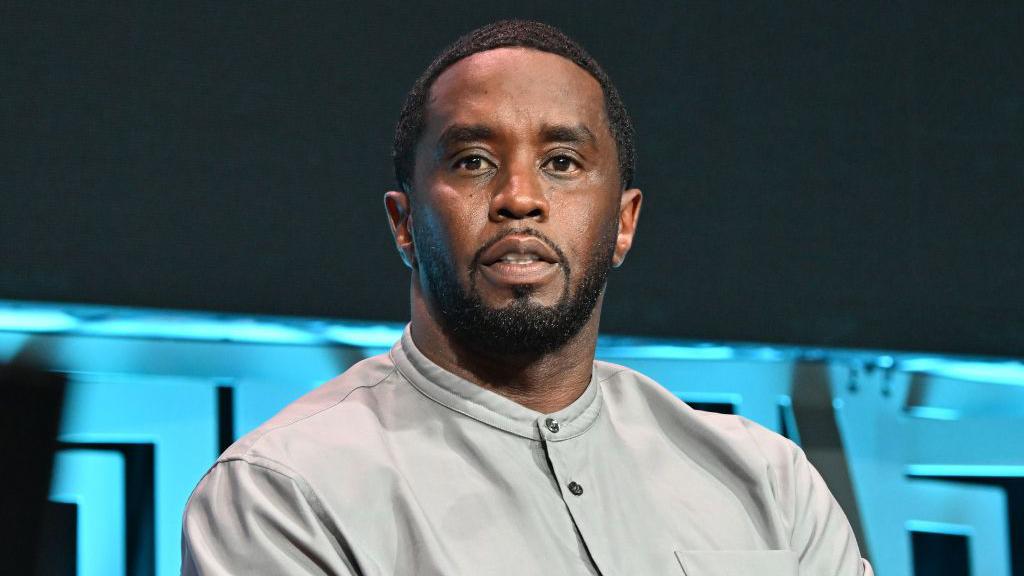
The Evolution of the Sean Combs Brand: From Bad Boy to Business Empire
The ascent of Sean Combs provides one of the most significant case studies in personal branding in the late 20th and early 21st centuries. Unlike many of his contemporaries who focused solely on talent-based outputs, Combs treated his persona as a scalable corporate asset from the outset.
The Architect of “The Lifestyle” Brand
The foundation of the Combs brand was Bad Boy Entertainment, but its true genius lay in the move toward “lifestyle marketing.” He didn’t just sell records; he sold a vision of the “Black Excellence” aesthetic. This involved a carefully curated image of luxury—white parties in the Hamptons, private jets, and tailored suits. By positioning himself as the ultimate curator of taste, he transitioned from a music mogul to a cultural gatekeeper. This brand positioning allowed him to enter markets that were previously inaccessible to hip-hop figures, effectively bridging the gap between urban culture and the boardroom.
Diversification and the Multi-Hyphenate Strategy
The “Diddy” brand became a vehicle for massive diversification. The launch of Sean John in 1998 was a pivotal moment in brand strategy, proving that a celebrity-led fashion house could compete with established European luxury brands. This was followed by the transformative partnership with Diageo for Cîroc vodka. In this instance, Combs wasn’t just a spokesperson; he was the brand’s engine. He utilized his social capital to turn a struggling French grape-based vodka into a multi-billion-dollar global leader. This period represented the peak of his brand power, where his personal endorsement acted as a “Midas touch” for corporate ventures.
Brand Contagion: Assessing the Impact of Legal and Public Relations Crises
In the world of personal branding, the individual and the business are often indistinguishable. This creates a high level of “Brand Contagion” risk—a phenomenon where negative associations with the individual immediately infect the commercial value of their associated companies.
The Fragility of a Persona-Based Identity
The current crisis surrounding Sean Combs demonstrates the inherent fragility of brands built entirely around a single personality. When a brand’s value proposition is “the lifestyle of the founder,” any threat to that founder’s reputation is a direct threat to the revenue stream. The transition from “Puffy” to “P. Diddy” to “Love” was a series of strategic rebrands intended to keep the persona fresh and relevant. However, the current legal and social allegations have bypassed these cosmetic changes, striking at the core values of the brand: trust, aspiration, and leadership. As the public perception shifts from admiration to scrutiny, the “Diddy” name has transitioned from a premium asset to a toxic liability.
Strategic Silencing and the Loss of Brand Voice
One of the most telling indicators of brand erosion is the sudden silence of a once-omnipresent brand voice. For years, Combs utilized social media and public appearances to maintain a direct-to-consumer relationship, reinforcing his brand values of “hustle” and “positivity.” The current strategic withdrawal from the public eye represents a total cessation of brand marketing. In branding, silence is rarely a neutral state; in the face of controversy, it often cedes the narrative to external forces, leading to a loss of control over the brand’s story. This lack of engagement suggests a brand in defensive crouch, prioritizing survival over growth.
Corporate Fallout: How Partners and Stakeholders Are Reacting
The corporate world operates on risk assessment and ROI. When the risk of association outweighs the potential for profit, even the most lucrative partnerships are terminated. We are currently witnessing a massive “de-platforming” of the Combs brand across various sectors.
The Termination of High-Profile Partnerships
The most visible sign of brand collapse is the exodus of corporate partners. Major retailers and distributors have begun to distance themselves, a move designed to protect their own brand equity from the “splash damage” of the Combs controversy. For example, the dissolution of the long-standing relationship with Diageo signaled the end of an era. While the legal disputes between the two parties were multifaceted, the cultural implication was clear: the association was no longer mutually beneficial. Similarly, the removal of Sean John products from major department store shelves reflects a retail strategy focused on mitigating “guilt by association.”
Lessons in Brand Association Risk Management
The situation provides a crucial lesson for corporate entities that rely on celebrity partnerships. Modern brand strategy now requires “morals clauses” that are more robust and more easily triggered than in previous decades. Companies are increasingly performing deep-dive audits of their celebrity partners to ensure alignment with contemporary ESG (Environmental, Social, and Governance) standards. The “Diddy” situation serves as a catalyst for corporations to rethink the “single-point-of-failure” model, where a brand’s success is too heavily reliant on the reputation of one person. We are likely to see a shift toward more brand-led rather than person-led marketing in the luxury space moving forward.
Can a Brand Recover from a Total Image Collapse?
The question of whether the “Diddy” brand can survive—or if it is undergoing a permanent dissolution—is central to the current discourse. In branding, there is a distinction between a “scandal” and a “systemic collapse.”
The Difference Between Scandal and Systemic Brand Erosion
A scandal is often a temporary disruption that can be navigated through crisis management and a well-timed apology. However, systemic brand erosion occurs when the core tenets of the brand are fundamentally undermined. For Sean Combs, his brand was built on the concept of being a “kingmaker” and a visionary leader. When that vision is replaced by legal challenges and negative testimonies, the brand’s foundation is compromised. Unlike previous rebranding efforts where a name change sufficed, the current situation requires a complete overhaul of the brand’s DNA, which may be impossible given the gravity of the public discourse.

Looking Forward: The Future of the Combs Global Portfolio
The future of the various entities under the Combs Global umbrella—ranging from Revolt TV to his investment portfolios—remains uncertain. From a brand strategy perspective, the most likely path forward involves a decoupling of the businesses from the man. We are already seeing moves to distance these companies from his direct oversight. For a company like Revolt, survival depends on establishing an identity that is independent of its founder’s personal brand. If these entities can successfully transition to “founder-independent” models, they may survive, but the “Diddy” brand itself—the persona that fueled decades of growth—is currently in a state of terminal decline.
In conclusion, “what is going on with P. Diddy” is the spectacular unraveling of a brand that was once thought to be invincible. It highlights the volatile nature of personal branding in the digital age, where social capital can be liquidated as quickly as financial assets. For marketers and brand strategists, it serves as a stark reminder that while a persona can build an empire, it can also be the very thing that brings it down. The transition from an asset to a liability is often swift, and in the case of Sean Combs, the world is watching a high-speed collision between a carefully crafted legacy and an unforgiving new reality. The era of the untouchable “celebrity-CEO” is being replaced by a new paradigm of corporate accountability, where the brand is only as strong as its latest headline.
aViewFromTheCave is a participant in the Amazon Services LLC Associates Program, an affiliate advertising program designed to provide a means for sites to earn advertising fees by advertising and linking to Amazon.com. Amazon, the Amazon logo, AmazonSupply, and the AmazonSupply logo are trademarks of Amazon.com, Inc. or its affiliates. As an Amazon Associate we earn affiliate commissions from qualifying purchases.