
Understanding the mechanics of gas prices is essential for effective personal finance management. For the average consumer, the cost of fuel is one of the most volatile and unavoidable line items in a monthly budget. Whether you commute for work, manage a small business fleet, or simply navigate the necessities of suburban life, the price at the pump is a direct reflection of global economic forces, logistical hurdles, and geopolitical stability. By demystifying how these costs are calculated and why they fluctuate, individuals can better anticipate changes, adjust their spending habits, and protect their bottom line against inflationary spikes.
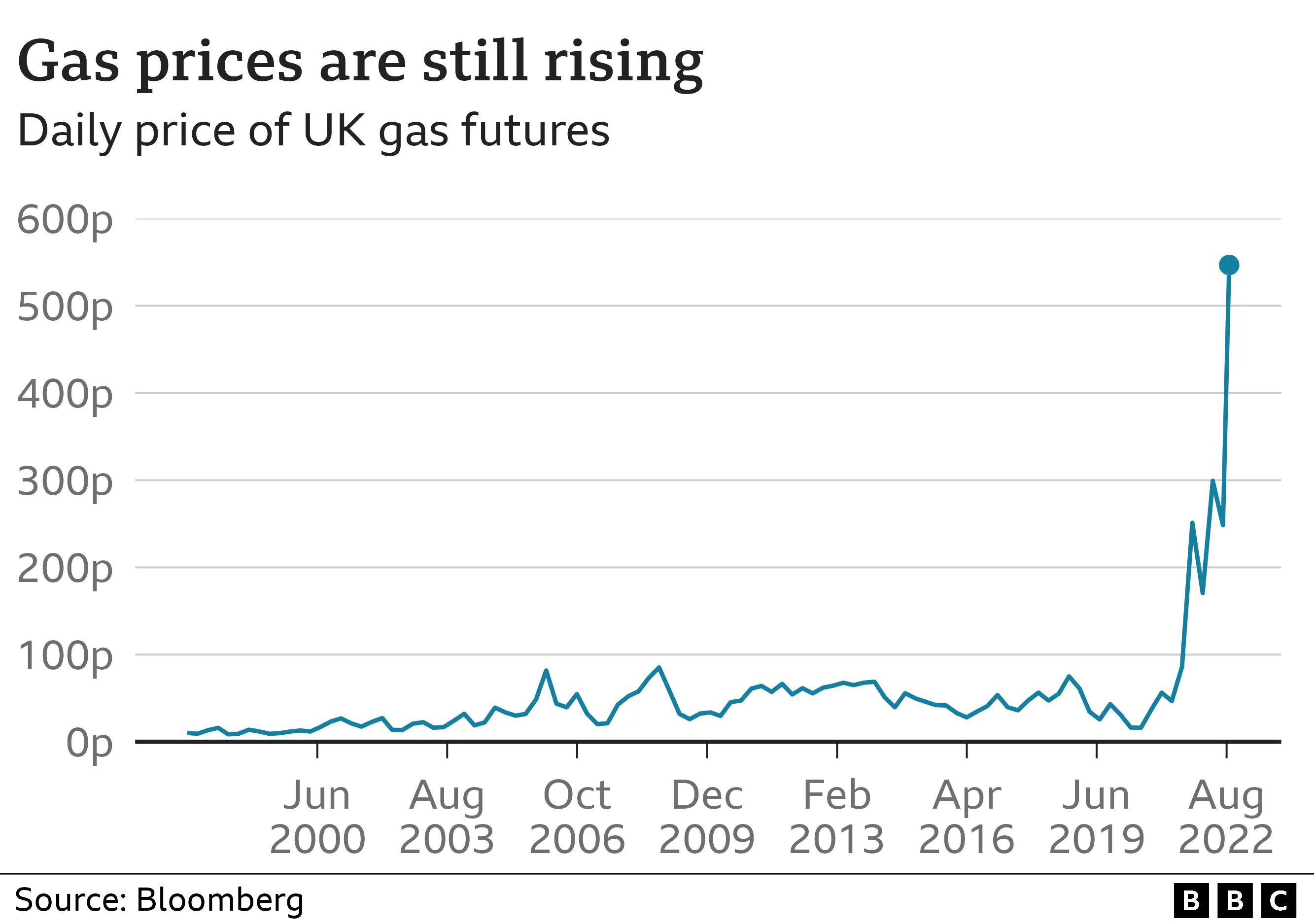
The Economic Composition of a Gallon of Gasoline
When you look at the price displayed on a gas station sign, it is easy to assume that the number represents the simple cost of oil. However, that figure is actually a composite of four distinct cost centers. Understanding this breakdown is the first step in financial literacy regarding your transportation expenses.
Crude Oil Costs
The primary driver of the price at the pump is the cost of crude oil. Historically, this accounts for roughly 50% to 60% of the final price consumers pay. Because crude oil is a globally traded commodity, its price is determined by international supply and demand. Factors such as production cuts by OPEC+ (the Organization of the Petroleum Exporting Countries plus allies), geopolitical instability in oil-producing regions, and unexpected shifts in global demand—such as those seen during the 2020 pandemic—cause immediate reverberations in the cost of raw petroleum. When crude oil prices rise, the cost of refined gasoline almost inevitably follows.
Refining and Distribution
Once crude oil is extracted, it must be refined into gasoline and transported to retail locations. Refining is an energy-intensive process that transforms raw oil into usable fuel. The “crack spread”—the profit margin that refiners earn—fluctuates based on refinery capacity and seasonal demands. Following the refining process, fuel must be transported via pipeline, rail, or truck to regional storage facilities and eventually to local gas stations. This logistics chain is susceptible to weather events, infrastructure failures, and labor costs, all of which are passed down to the end consumer.
Marketing and Retail Costs
The gas station itself must cover its own operating expenses, which include land leases, electricity, maintenance of pumps, insurance, and payroll. While gasoline is often a low-margin product for retailers (who frequently rely on convenience store sales for the bulk of their profit), the retail markup accounts for a small but consistent portion of the price. In areas with higher real estate costs or stricter environmental regulations for underground storage tanks, these retail margins are naturally higher.
Taxes
Taxes represent the most predictable, yet often frustrating, portion of the gas price. Both federal and state governments levy taxes on motor fuels to fund infrastructure projects like highway maintenance, bridge repairs, and public transit initiatives. These taxes are often “per gallon” fees rather than percentages, meaning they remain constant even if the price of oil drops. Because state tax rates vary wildly—ranging from pennies per gallon in some regions to double digits in others—the location of your gas station is often just as significant as the global price of oil in determining your financial burden.
Factors Driving Volatility and Price Spikes
Financial planning requires an understanding that gas prices are rarely static. Volatility is the hallmark of the energy market, and several macroeconomic factors create the “shocks” that frequently disrupt personal budgets.

Seasonal Demand Shifts
Gasoline demand follows a predictable seasonal pattern. Consumption tends to peak during the summer months due to “driving season,” when families take vacations and travel increases. Conversely, demand typically dips in the winter. Furthermore, the industry is forced to transition between “summer-blend” and “winter-blend” gasoline. Summer-blend fuel is formulated to reduce evaporative emissions, which helps prevent smog but is more expensive to produce. The mandatory transition to this blend every spring frequently leads to price increases at the pump as refineries adjust their output.
Geopolitical Instability
Oil is the lifeblood of the global economy, and any tension in major producing nations causes market anxiety. Conflict in the Middle East, sanctions against major exporters like Russia, or political upheaval in South American oil-producing nations can cause “risk premiums” to be baked into oil prices. Investors and traders react to the possibility of supply shortages, driving up the price of oil futures even before an actual disruption occurs. This speculative trading is a major reason why gas prices can change overnight.
Exchange Rates and Global Competition
Because oil is priced globally in U.S. dollars, the strength of the dollar plays a nuanced role. A strong dollar makes oil cheaper for other countries to purchase, which can affect global demand. Additionally, emerging economies with rapidly growing middle classes, such as India or China, represent an increasing share of global oil consumption. As these nations grow, they compete with domestic consumers for the same supply, exerting upward pressure on prices that is largely outside the control of local policy.
Strategies for Managing Fuel Expenses
Given that you cannot control the market, your focus must shift to managing your exposure to these costs. By treating fuel as a variable expense that requires management, you can insulate your personal finances from market volatility.
Optimizing Vehicle Efficiency
The most direct way to combat high gas prices is to reduce the demand for the product. While buying a new electric or hybrid vehicle is a capital-intensive solution, smaller changes in driving behavior can yield significant savings over a year. Simple actions such as avoiding rapid acceleration, maintaining steady highway speeds, and ensuring tires are properly inflated can improve fuel efficiency by 5% to 15%. Furthermore, keeping a vehicle well-maintained with regular engine tune-ups ensures that you are getting the maximum mileage for every dollar spent.
Leveraging Financial Tools and Loyalty Programs
In the modern digital landscape, there is no reason to pay full retail price for fuel. Nearly every major fuel chain offers a loyalty program that provides cents-off-per-gallon discounts. Additionally, many credit cards offer significant cash-back rewards specifically for gas purchases. By stacking these rewards—using a high-yield cash-back card in conjunction with a station loyalty program—consumers can effectively shave 5% to 10% off their annual fuel budget. Tracking these savings is a simple way to exercise agency over a cost that otherwise feels mandatory.
Strategic Trip Planning
The rise of digital mapping tools has made it easier than ever to optimize travel. “Trip chaining”—combining multiple errands into a single journey—reduces the number of cold starts for your engine, which is when vehicles are least fuel-efficient. Moreover, using apps that monitor real-time gas prices allows consumers to avoid overpriced stations near highways or in affluent neighborhoods, opting instead for competitive local pricing. Taking the time to plan your route and refueling stops can prevent the impulse buys that often happen when you are forced to stop at the first available station when the “low fuel” light comes on.

The Future of Energy and Personal Finance
The energy landscape is undergoing a structural shift. As the global economy moves toward electrification and renewable energy, the reliance on internal combustion engines will inevitably decline. However, this transition will not happen in a vacuum. Expect to see continued volatility in gas prices as the industry faces the “terminal decline” phase, where investment in new oil extraction may slow, potentially leading to supply constraints even as demand softens.
For the individual investor and consumer, this means that while gas prices will remain a significant factor in personal finance for the next decade, the long-term outlook favors those who transition away from fossil-fuel dependence. By understanding the components of gas prices today, you are better equipped to make informed decisions about your future assets, your commute, and your overall household financial strategy. Recognizing that gas prices are a reflection of complex global systems rather than arbitrary retail numbers allows you to move from a state of frustration to a state of calculated financial management.
aViewFromTheCave is a participant in the Amazon Services LLC Associates Program, an affiliate advertising program designed to provide a means for sites to earn advertising fees by advertising and linking to Amazon.com. Amazon, the Amazon logo, AmazonSupply, and the AmazonSupply logo are trademarks of Amazon.com, Inc. or its affiliates. As an Amazon Associate we earn affiliate commissions from qualifying purchases.