
Family leave insurance, often referred to as Paid Family and Medical Leave (PFML), represents a critical evolution in the landscape of modern personal finance and employee benefits. As the workforce shifts toward a more nuanced understanding of work-life balance, the financial mechanisms designed to support individuals during major life transitions have moved to the forefront of fiscal planning. Understanding this insurance is no longer just a human resources concern; it is a fundamental pillar of financial security for families navigating the costs associated with health, aging, and child-rearing.
The Financial Mechanics of Family Leave Insurance
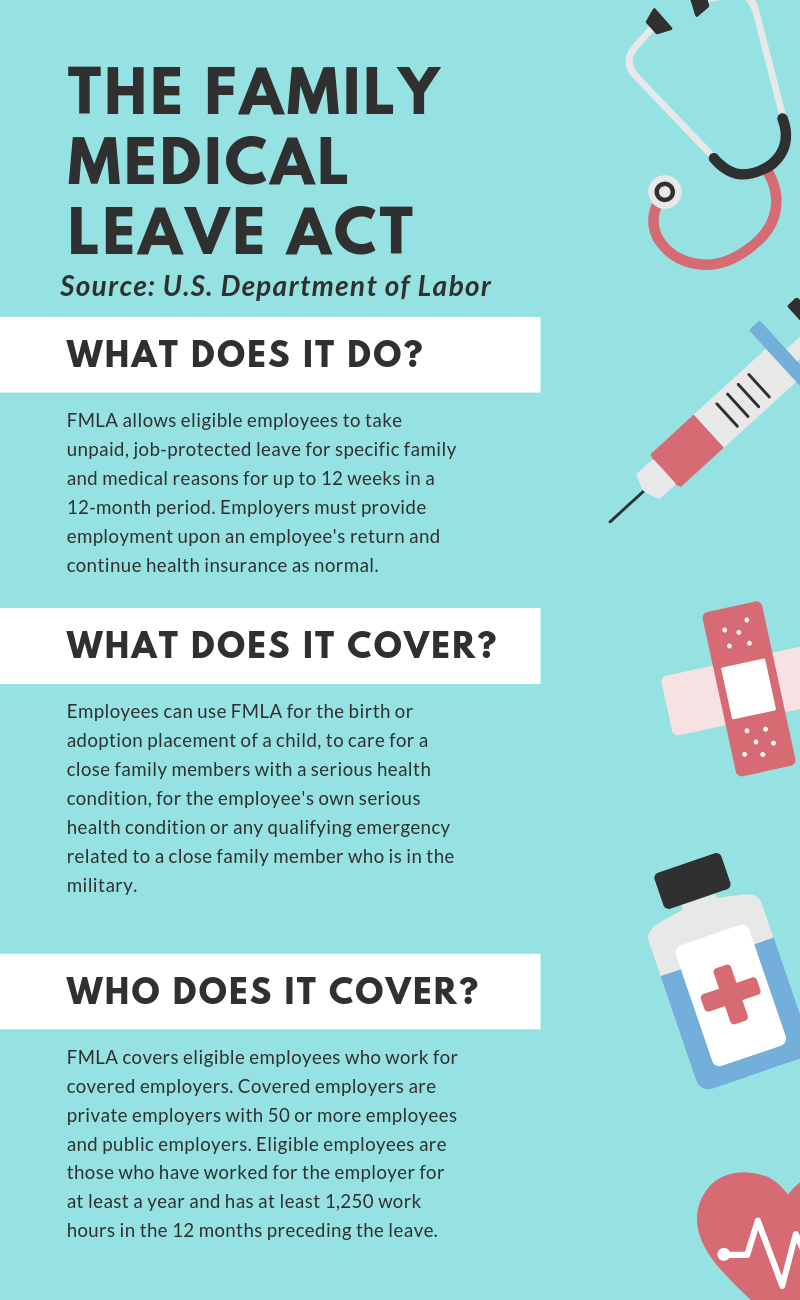
At its core, family leave insurance is a social insurance program or a private benefit policy designed to replace a portion of an employee’s wages during an extended absence from the workplace. Unlike standard disability insurance, which is often tied strictly to a personal medical condition, family leave insurance is designed to provide financial liquidity when life necessitates time away for broader caregiving responsibilities.
How Funding Models Work
Most state-mandated family leave insurance programs operate on a payroll tax model. Both employers and employees contribute a small percentage of earnings into a state-run fund. This collective pooling of resources mimics other social insurance systems, ensuring that when an individual qualifies for leave, the compensation is not coming directly from their employer’s operating budget, but from a dedicated, pre-funded source. This decoupling of the employee’s salary from the employer’s immediate cash flow is what makes the benefit sustainable for businesses and accessible for workers.
The Replacement Rate Concept
One of the most important aspects of this insurance for personal financial planning is the “replacement rate.” Rarely does family leave insurance provide 100% of an individual’s pre-leave salary. Most policies range between 60% and 90% of a worker’s average weekly wage, often subject to a maximum cap. From a budgeting standpoint, this creates a “gap” that households must account for. Failing to calculate this reduction in take-home pay before taking leave can lead to significant financial strain, making it essential for individuals to review their specific state or private policy terms long before the need for leave arises.
Qualifying Events and Financial Eligibility
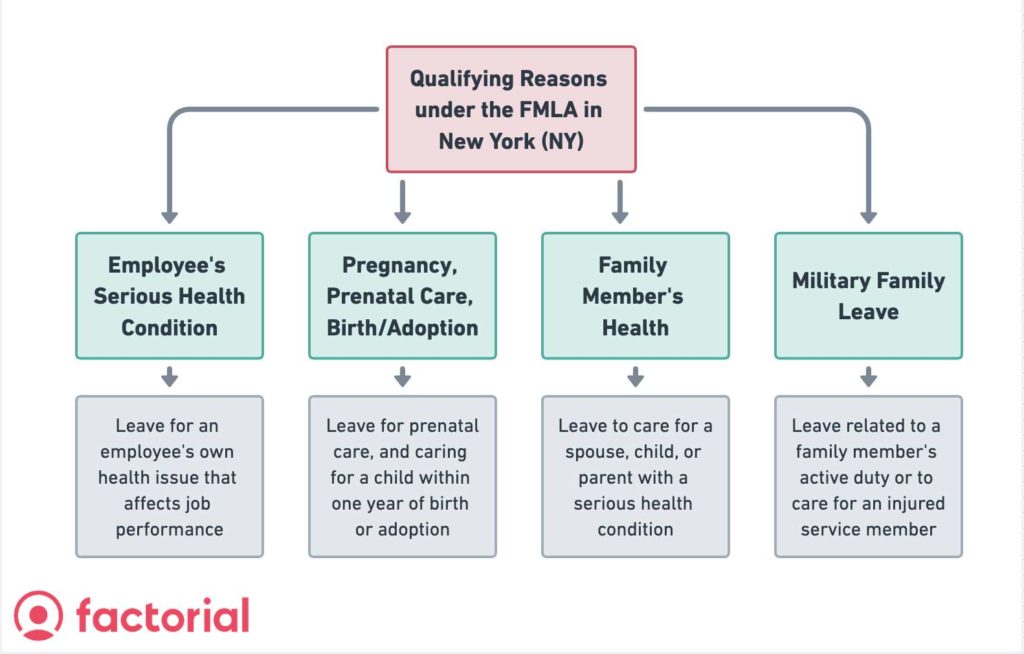
Navigating family leave insurance requires an understanding of what constitutes a “qualifying event.” Because these programs are designed to provide a safety net for specific life milestones, eligibility is strictly defined. From a financial management perspective, treating these events as anticipated—rather than emergency—expenses is a hallmark of sound fiscal health.
Parental Leave and the Cost of Growth
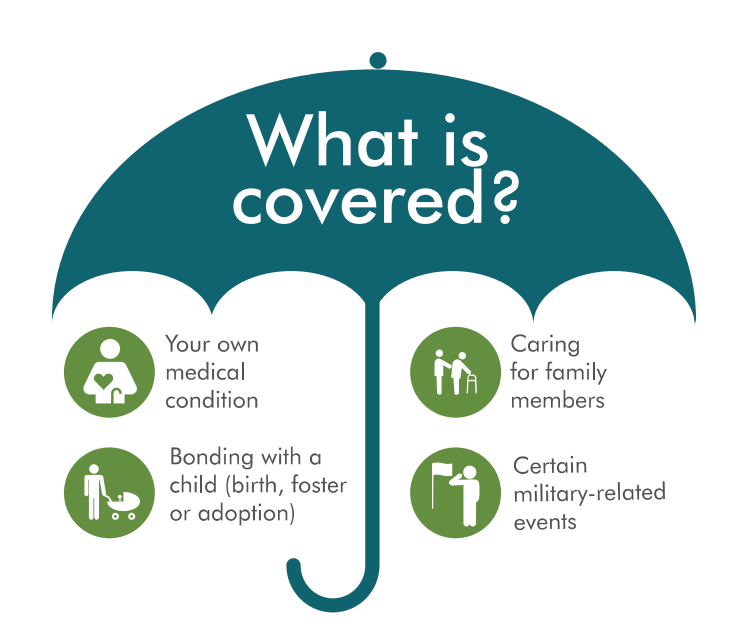
The most common application of family leave insurance is for the birth, adoption, or foster care placement of a child. Financially, this period is often characterized by a sudden influx of new expenses—diapers, medical co-pays, and childcare arrangements—concurrent with a potential reduction in income. Family leave insurance acts as a vital bridge, ensuring that the transition into parenthood does not necessitate dipping into long-term savings or accumulating high-interest consumer debt.
Family Caregiving and Medical Necessity
Beyond child-rearing, this insurance covers the need to care for a family member with a serious health condition. This includes spouses, parents, or children who require intensive support. Financial planners often highlight this as a “hidden” benefit of modern employment. Without such insurance, individuals might be forced into early retirement or leave the workforce entirely to manage caregiving duties, which results in the catastrophic loss of long-term wealth, including retirement contributions and Social Security earnings. Family leave insurance mitigates this risk by providing a temporary income stream while preserving the individual’s connection to their career.
Integrating Family Leave into Personal Financial Planning
Viewing family leave insurance through the lens of personal finance requires a shift in how one approaches “risk management.” Just as one would maintain an emergency fund or carry life insurance to protect against death, family leave insurance should be viewed as a tool to protect against the “income volatility” associated with caregiving.
The Interplay with Emergency Funds
A common misconception is that if you have a robust emergency fund, you do not need to concern yourself with the specifics of leave insurance. However, the most effective financial plans use insurance as the first line of defense. By relying on state or employer-provided leave insurance, you preserve your high-liquidity emergency fund for unforeseen disasters like major home repairs or sudden unemployment, rather than exhausting it for planned life events. If your policy only covers 70% of your income, your secondary financial goal should be to bridge that 30% gap through short-term savings dedicated specifically to the upcoming leave period.
Impacts on Long-Term Wealth Accumulation
The long-term financial implications of taking leave without adequate insurance coverage can be profound. When an individual stops earning a paycheck, they often stop contributing to employer-sponsored retirement accounts like a 401(k). Furthermore, they miss out on potential employer matching contributions, which represents “free money” on the table. By utilizing family leave insurance, the employee remains on the payroll or retains their employment status, which often allows for the continuation of benefits and, in some cases, the ability to continue making contributions to personal wealth-building accounts.
Employer-Sponsored vs. State-Mandated Coverage
In the current financial landscape, workers may have access to family leave insurance via two different channels: state programs and private employer-sponsored plans. Understanding the difference is crucial for maximizing your financial security.
Navigating State Programs
Many states have enacted legislation that mandates the provision of paid family leave. These are generally portable, meaning they follow the employee regardless of which company they work for, provided the employer is based in that state. These programs offer a baseline of security, but the benefit amounts are often capped at lower levels for high-income earners. If you reside in a state with a robust PFML program, it is essential to register your leave according to state guidelines, as these applications are often separate from your HR department’s internal requests.
Private Supplemental Benefits
Some employers provide supplemental insurance that covers the gap between the state-mandated payout and an employee’s full salary. This is often an overlooked aspect of the total compensation package. During annual open enrollment, employees should not just look at health insurance premiums; they should investigate whether their company offers voluntary supplemental family leave insurance. Paying a small monthly premium for “short-term disability and family leave top-up” coverage can be one of the most cost-effective financial moves an individual can make, effectively acting as an insurance policy against a major drop in household income during a life transition.
The Future of Caregiver Finance
As society continues to integrate work and family responsibilities, family leave insurance is set to become an even more standard feature of the financial ecosystem. The trend is moving toward increased portability and higher benefit caps, reflecting a recognition that caregiving is an economic contribution that requires structural support.
For the individual, the imperative is clear: stay informed. Financial health is not merely about how much you earn or how much you invest; it is about the resilience of your income stream. By treating family leave insurance as a core component of your personal risk management strategy, you ensure that your financial foundation remains stable, even when life demands that you step away from your desk. Whether it is planning for a new arrival, supporting an aging parent, or managing your own health, leveraging the financial tools provided by family leave insurance allows you to focus on what truly matters without the constant anxiety of a looming fiscal crisis. Understanding these policies today is the best way to safeguard your financial autonomy for the future.
aViewFromTheCave is a participant in the Amazon Services LLC Associates Program, an affiliate advertising program designed to provide a means for sites to earn advertising fees by advertising and linking to Amazon.com. Amazon, the Amazon logo, AmazonSupply, and the AmazonSupply logo are trademarks of Amazon.com, Inc. or its affiliates. As an Amazon Associate we earn affiliate commissions from qualifying purchases.