
The collapse of a high-profile personal brand is rarely an instantaneous event; it is usually the culmination of eroded trust, shifting public perception, and the stripping away of a carefully curated public persona. The recent legal and reputational firestorm surrounding Sean “Diddy” Combs serves as a profound case study in the vulnerability of long-standing personal brands when their internal reality clashes violently with their outward-facing identity. In the world of brand strategy, few figures have embodied the concept of the “mogul” more than Combs. However, the current crisis highlights the catastrophic risk of building a brand identity that lacks a foundation of organizational accountability.
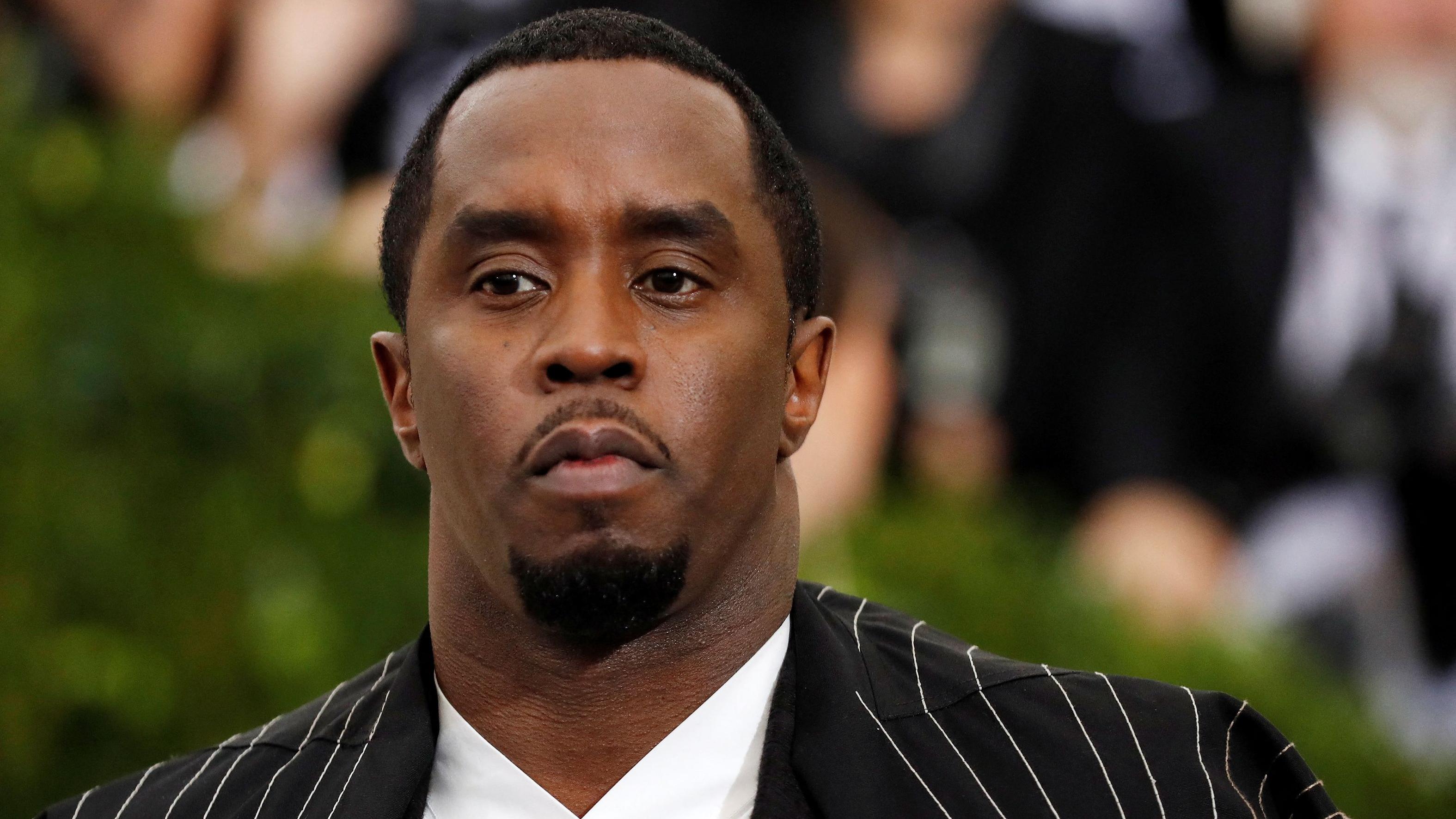
The Fragility of the “Mogul” Archetype
For decades, the Sean Combs brand was built on the architecture of aspiration. He transitioned from a music executive to a lifestyle icon, leveraging his influence to permeate industries ranging from spirits and fashion to entertainment production. In personal branding, this is known as “lifestyle branding,” where the individual becomes the product. The value of the brand was inherently linked to the persona of the visionary, the orchestrator, and the gatekeeper of culture.
The Over-Reliance on Personality-Centric Equity
The primary issue with building a brand entirely around one person is the lack of institutional firewalls. When the brand is the person, there is no separation between the professional entity and the human being. If the human being becomes involved in scandal, the entire portfolio of corporate assets is inextricably tethered to that volatility. Companies that partnered with Combs—those that utilized his face and persona to drive sales—now face a crisis of association. This highlights a critical failure in diversification: when your personal brand serves as the sole anchor for multiple corporate entities, you create a “single point of failure” scenario.
Brand Integrity vs. Perceived Persona
Strategic branding is not merely about marketing; it is about the consistency between internal values and external communication. For years, the Diddy brand positioned itself as one of empowerment, excellence, and the “Bad Boy” success story. However, the disconnect between that curated, polished image and the accusations emerging from legal proceedings has created a “truth deficit.” In the digital age, a truth deficit is fatal. Audiences today are hypersensitive to inauthenticity, and once a brand loses the benefit of the doubt, every past achievement is retroactively re-evaluated through a lens of skepticism.
The Corporate De-coupling Strategy: Managing Risk in Real-Time
When a celebrity partner faces severe allegations, the corporate brands associated with them must engage in a high-stakes de-coupling process. This is the most delicate phase of crisis management. The goal is to isolate the corporate brand from the tarnished personal brand without triggering a public relations backlash.
The “Silent Exit” Approach
In the case of Combs’ various business interests, we have seen an immediate and necessary trend toward dissolution. When a public figure becomes a liability, corporations usually move to trigger “morality clauses” found in partnership contracts. This is a standard element of modern brand strategy. By removing the individual from the board, the executive team, or the promotional cycle, the corporation attempts to reclaim its own identity. They are signaling to stakeholders—investors, employees, and consumers—that the corporation’s values are distinct from the individual’s alleged actions.

The Cost of Toxic Associations
Brand equity is quantifiable. When a primary spokesperson or brand architect enters a controversy, the stock price, sales figures, and partnership viability of associated companies often experience a direct hit. This is the “toxicity tax.” Companies that fail to act swiftly risk having the brand’s reputation permanently scarred by the association. The lesson for future brand managers is clear: your contracts must provide an exit ramp that is clean, immediate, and legally defensible. Relying on an individual for long-term brand equity is a speculative investment that carries massive downside risk.
Rebuilding Trust and the Future of Influencer Branding
The Diddy saga serves as a cautionary tale for the next generation of personal branding. We are moving away from the era of the “unreachable mogul” toward an era of radical transparency. The public, fueled by social media, now demands a level of accountability that was previously reserved for political figures.
Accountability as a Brand Pillar
Future personal brands must incorporate accountability and transparency as foundational pillars. It is no longer enough to be successful; one must be seen as ethical in the execution of that success. Influencers and celebrities are now viewed by their audiences as influencers of social behavior, not just as purveyors of goods. This shift means that brand managers must perform deeper vetting not just on the financial viability of a celebrity, but on the potential for long-term reputational risk.
The Institutionalization of Personal Brands
Perhaps the most significant takeaway from this crisis is the need for institutionalization. If a celebrity wants to maintain a long-term business empire, the brand must eventually transcend the individual. This means establishing a board of directors that operates independently, implementing robust human resources policies that apply to the celebrity’s entourage, and creating a mission statement that is disconnected from the personality of the founder. When a brand becomes an institution, it has a better chance of surviving the fall of its figurehead.
The Long-Term Impact on Market Perception
The legacy of the Diddy brand will likely be studied for years, not just for the legal drama, but for how the industry reacted to it. In the eyes of marketing strategists, this is a collapse of trust on a monumental scale. When the mask of a brand slips, it is rarely possible to put it back on in the same way.
Why Scrutiny Is at an All-Time High
Consumers are no longer passive recipients of branding. They are active investigators. Between social media discourse, investigative journalism, and legal filings becoming public record, it is impossible for a high-profile brand to compartmentalize “good business” from “bad private conduct.” The two are now viewed as a single, holistic identity.

Final Strategic Insights
The “what is Diddy in trouble for” question is the wrong query for brand strategists; the right question is, “How does a brand protect its core identity when its creator faces existential crisis?” The answer lies in professional boundaries, contract integrity, and the transition from a personality-led brand to a mission-led enterprise. Those who ignore these lessons will find their brands just as vulnerable as the ones that defined the music mogul era. We are witnessing the end of the “untouchable mogul” archetype, and in its place, a new demand for ethical, institutionalized, and transparent brand stewardship is emerging. Whether these corporate entities can fully distance themselves from the controversy remains to be seen, but the damage to the personal brand itself appears to be a definitive closing chapter. The era of the personality-driven monolith is coming to a close, replaced by a more cautious, risk-averse, and highly scrutinized landscape where the strength of the brand is measured by its distance from the person behind it.
aViewFromTheCave is a participant in the Amazon Services LLC Associates Program, an affiliate advertising program designed to provide a means for sites to earn advertising fees by advertising and linking to Amazon.com. Amazon, the Amazon logo, AmazonSupply, and the AmazonSupply logo are trademarks of Amazon.com, Inc. or its affiliates. As an Amazon Associate we earn affiliate commissions from qualifying purchases.