
CRISPR, an acronym for Clustered Regularly Interspaced Short Palindromic Repeats, represents one of the most significant technological breakthroughs in the history of biological engineering. While often discussed in scientific journals, CRISPR is increasingly viewed through the lens of high-level biotechnology—a programmable software-like tool for the living world. By treating DNA as code, CRISPR has transitioned from a niche laboratory curiosity into a scalable, high-impact tool that is fundamentally altering how we interact with biological information.
The Digital Nature of Biological Code
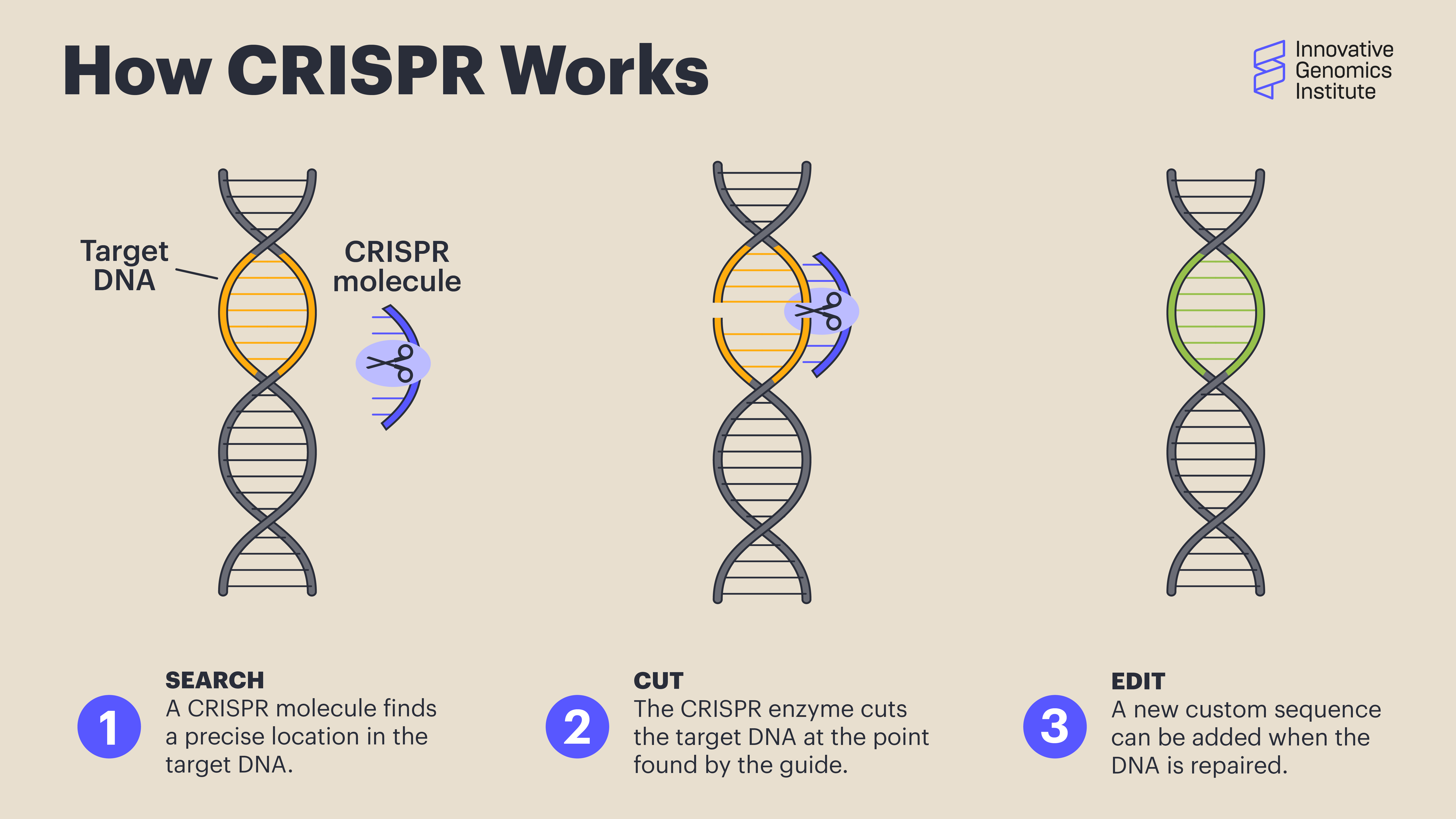
At its core, CRISPR-Cas9 is a precision editing system. To understand its technical relevance, it helps to view DNA not as a static blueprint, but as a digital sequence of four bases: Adenine (A), Cytosine (C), Guanine (G), and Thymine (T). In the realm of biotechnology, CRISPR functions similarly to a “find and replace” command in a word processor.
Programmable Gene Editing
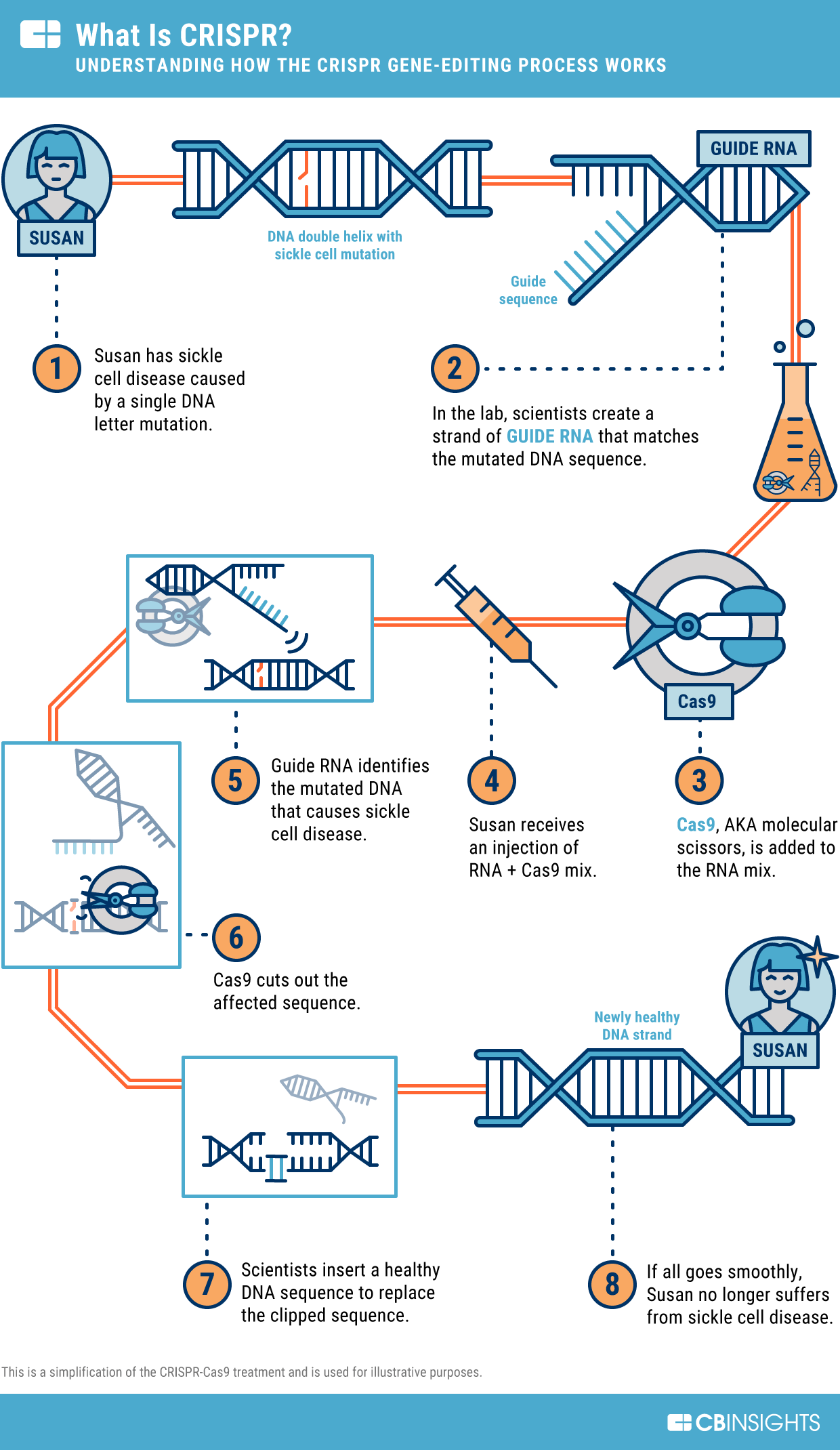
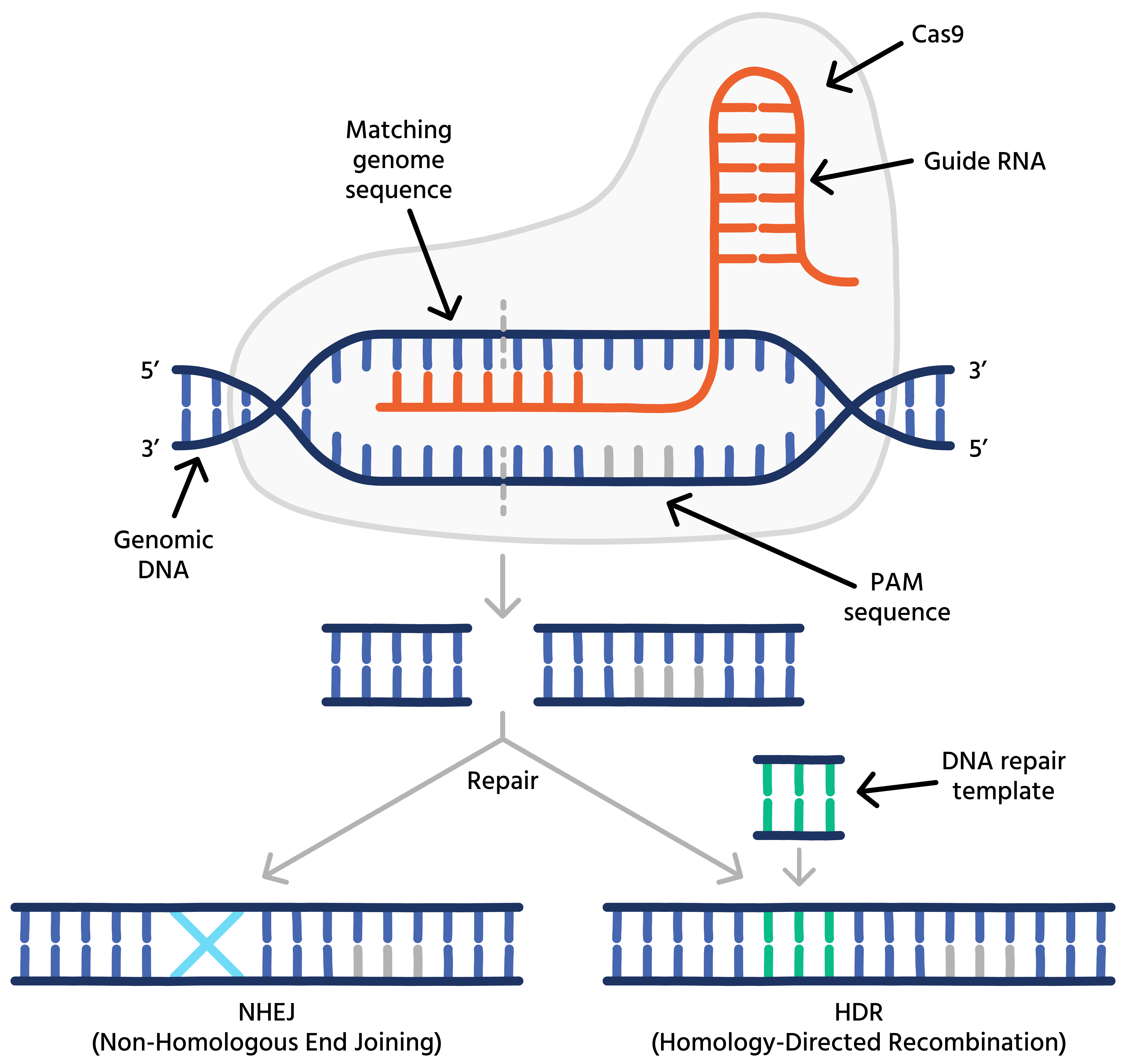
The system consists of two primary components: the Cas9 enzyme, which acts as a molecular pair of scissors, and a guide RNA (gRNA), which serves as the programmable navigation system. By engineering the gRNA sequence, scientists can direct the Cas9 enzyme to a specific location within a genome—a process of high-precision targeting that was previously impossible with traditional methods.
Scalability and Precision
Before CRISPR, gene editing was a laborious, expensive, and error-prone process. CRISPR has democratized this capability by offering a streamlined, modular platform. Because the targeting component (the RNA) is easily synthesized, labs around the world can adapt the tool for thousands of different applications, ranging from agricultural improvements to therapeutic interventions. This scalability is what defines CRISPR as a pivotal technology, separating it from the inefficient, “legacy” methods that preceded it.
CRISPR in Modern Tech Applications
The influence of CRISPR extends far beyond basic research. It is rapidly becoming a cornerstone of the biotech industry, where it is being integrated into high-tech workflows aimed at solving complex global challenges. The commercialization of CRISPR technology is currently one of the most active sectors in venture capital and R&D.
Accelerating Drug Discovery
One of the most profound impacts of CRISPR is in the pharmaceutical tech stack. Researchers are using CRISPR-enabled screening to identify the genes responsible for specific diseases. By systematically “knocking out” genes in cell lines and observing the results, companies can identify targets for new drugs with unprecedented speed. This reduces the time required for the initial phases of drug discovery, effectively acting as an accelerator for the entire biotech pipeline.
Next-Generation Agriculture
Agricultural technology, or AgTech, is utilizing CRISPR to edit crops for enhanced yield, drought resistance, and nutritional value. Unlike traditional GMOs (Genetically Modified Organisms), which often involve inserting DNA from a different species, CRISPR can be used to make precise changes within a plant’s existing genome. This nuance is critical for regulatory and public acceptance, positioning CRISPR as the preferred tool for future-proofing our food supply against climate volatility.
Ethical Frameworks and Digital Security
As we treat biological entities as programmable systems, we must address the security and ethical implications inherent in any powerful technology. When biological information becomes modular and editable, the definition of digital security expands to include biosecurity.
Biosecurity and Data Integrity
With the ability to “write” DNA, the potential for unintended consequences or malicious misuse exists. Consequently, the biotech industry is developing robust governance frameworks to monitor the use of CRISPR tools. Just as software developers use version control and security audits, the biotechnology field is implementing strict ethical protocols, oversight committees, and digital monitoring of synthesized DNA sequences to ensure that the technology is used responsibly.
The Limits of Biological Computation
While CRISPR is remarkably precise, it is not infallible. Off-target effects—where the Cas9 enzyme edits a sequence similar to, but not exactly, the target—remain a primary focus of R&D. The technical challenge is to increase the specificity of the system through protein engineering. Much like developers patching software vulnerabilities, scientists are working on “high-fidelity” versions of Cas9 that drastically reduce off-target errors, thereby increasing the reliability of the system for clinical and commercial use.
The Future Landscape of Genetic Engineering
The trajectory of CRISPR points toward a future where we move from merely reading genetic data to actively optimizing it. As the technology matures, we can expect to see several key trends take hold over the next decade.
Personalized Medicine and Therapeutic Platforms
We are approaching an era of “software-defined medicine.” CRISPR is currently moving through clinical trials to treat conditions such as sickle cell disease, hereditary blindness, and certain types of cancer. The goal is to provide a permanent, “one-and-done” cure for genetic disorders by correcting the error at the source. This platform-based approach allows doctors to treat a patient’s specific genetic profile, marking a radical shift from the “one-size-fits-all” pharmaceutical model of the 20th century.
The Democratization of Genomic Engineering
As the cost of DNA synthesis and sequencing continues to drop—following a trend similar to Moore’s Law—the barrier to entry for gene editing will continue to lower. This will likely lead to an explosion of startups focusing on hyper-niche applications, from specialized enzymes for manufacturing to new materials created through synthetic biology. The ecosystem surrounding CRISPR is becoming more robust, with cloud-based labs and AI-driven design tools facilitating an environment where innovation is limited only by the imagination of the engineers.
Navigating the Human Element
Despite its technical brilliance, the deployment of CRISPR must always balance capability with caution. The potential to edit the germline—changes that are inheritable—remains a subject of intense global debate. The professional consensus within the scientific and technology communities is that while somatic cell editing (non-inheritable) holds immense promise for treating disease, germline editing requires a degree of international consensus and ethical rigor that does not yet exist. Balancing the raw power of the technology with the need for societal stability will be the defining challenge of this generation of biotech leaders.
Ultimately, CRISPR is more than just a biological tool; it is an infrastructure-level technology. By framing it within the context of tech and systems design, we can better understand its function, its trajectory, and the immense responsibility that comes with having the ability to edit the code of life itself. As the technology evolves, it will undoubtedly remain at the center of the technological conversation, serving as the interface between the digital world of data and the physical world of biology. Whether it is used to eradicate rare diseases, ensure food security, or drive the next wave of industrial innovation, CRISPR has cemented its place as the definitive technology of the modern biological age.
aViewFromTheCave is a participant in the Amazon Services LLC Associates Program, an affiliate advertising program designed to provide a means for sites to earn advertising fees by advertising and linking to Amazon.com. Amazon, the Amazon logo, AmazonSupply, and the AmazonSupply logo are trademarks of Amazon.com, Inc. or its affiliates. As an Amazon Associate we earn affiliate commissions from qualifying purchases.