
Understanding the mechanics of your compensation is the cornerstone of effective personal finance. While most hourly workers focus on their pay stub’s gross hourly rate, the true measure of financial stability is often calculated through your annual minimum wage. This figure represents the absolute baseline income a full-time worker can expect to earn over the course of a calendar year, serving as a critical benchmark for budgeting, debt management, and long-term financial planning.
Defining the Annual Minimum Wage Baseline
At its core, the annual minimum wage is a projection. It is the mathematical product of the prevailing minimum hourly wage multiplied by the standard number of working hours in a year. While the concept sounds straightforward, the execution varies significantly based on regional labor laws, industry standards, and employment status.
The Calculation Standard
The standard calculation for an annual minimum wage assumes a traditional 40-hour work week over 52 weeks. This results in a total of 2,080 working hours per year. By multiplying the hourly statutory minimum by 2,080, workers can determine their gross annual income before taxes, benefits, or voluntary deductions are applied.
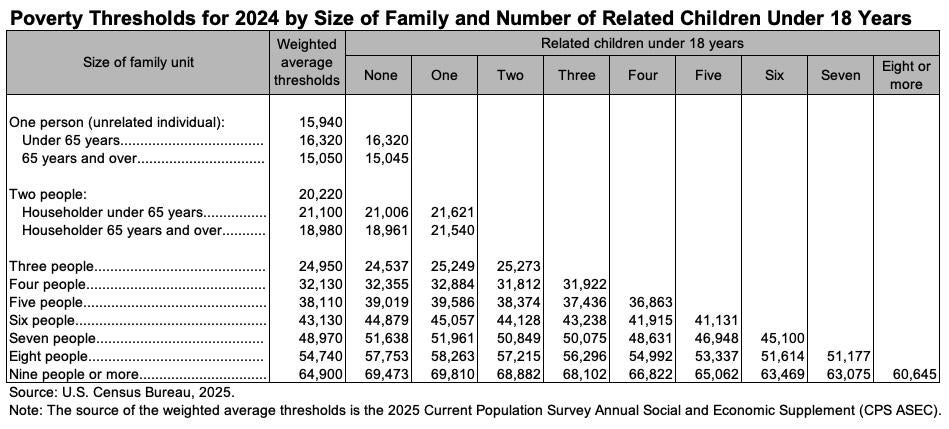
However, it is vital to distinguish between a statutory minimum wage and a living wage. The statutory minimum is the legal floor set by government entities, whereas the living wage is an estimate of the income required to cover essential costs—such as housing, food, transportation, and healthcare—in a specific geographic area. Often, the annual minimum wage falls short of a true living wage, necessitating a deeper look into how low-income earners manage cash flow.
Geographic and Jurisdictional Variance
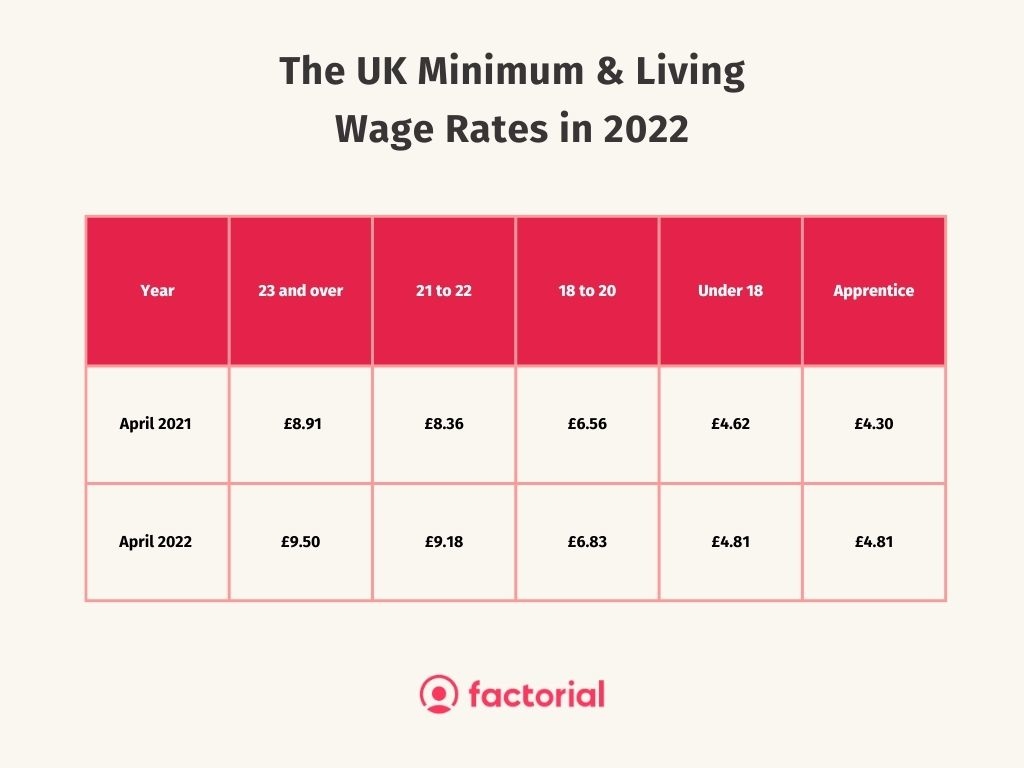
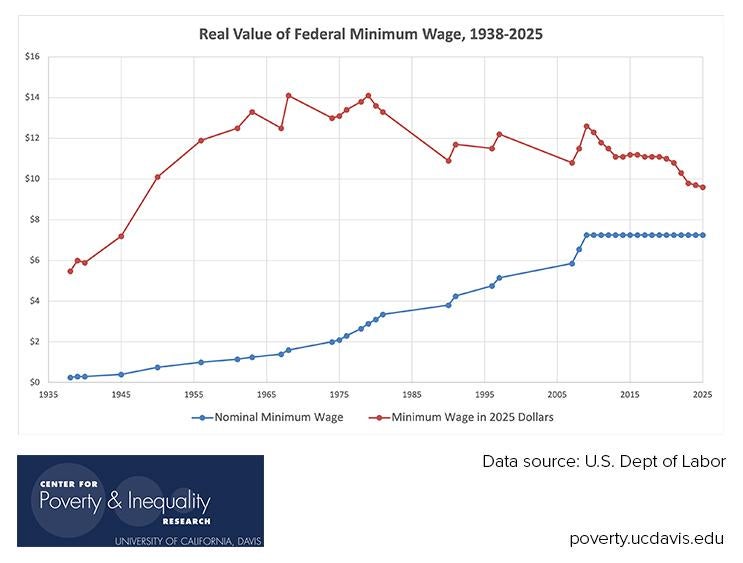
Because labor laws are set at federal, state, and municipal levels, the annual minimum wage is rarely a uniform figure. A worker in a major metropolitan area with high cost-of-living adjustments may earn an annual minimum wage significantly higher than someone performing the exact same role in a rural region. Understanding your local jurisdiction is the first step in assessing whether your compensation aligns with legal requirements. Many states and cities now have scheduled incremental increases, meaning your annual minimum wage might be tethered to a trajectory of growth rather than a static number.
The Impact on Financial Planning and Budgeting
When your income sits near the minimum wage threshold, every dollar carries heightened importance. A common pitfall for individuals entering the workforce is failing to account for the difference between gross annual income and net annual income. The “minimum” refers to the gross amount, but your lifestyle is dictated by the net—the amount that actually lands in your bank account after mandatory withholdings.
Navigating Taxes and Deductions
Your annual minimum wage is subject to various “leaks” before it reaches your pocket. Federal income tax, state taxes, Social Security contributions, and Medicare premiums reduce the gross figure. For those earning at the minimum wage level, understanding tax credits—such as the Earned Income Tax Credit (EITC)—is essential. These credits can effectively subsidize your annual earnings, turning a baseline wage into a more manageable financial situation. Failing to utilize these tax-advantaged programs often means leaving money on the table that could otherwise be used for debt reduction or emergency savings.
The Cash Flow Constraint
Managing a budget on an annual minimum wage requires a disciplined approach to variable and fixed costs. Because the total annual amount is relatively fixed, there is little room for error. Finance experts often recommend the 50/30/20 rule, but for minimum wage earners, this ratio may shift to 70/20/10 or even 80/15/5.
- Essential Living Expenses: Rent, utilities, and groceries typically consume the largest share.
- Debt Servicing: High-interest debt can quickly erode a limited annual income, making it critical to prioritize high-rate debt consolidation or aggressive payoff strategies.
- The Emergency Buffer: Even on a minimum wage salary, the goal of saving at least one month of living expenses is the most effective way to prevent falling into predatory lending cycles when unexpected costs arise.
Strategic Approaches to Improving Earning Potential
The annual minimum wage should be viewed as a starting point, not a destination. Many individuals utilize entry-level roles to build the “soft skills” and foundational experience required to transition into higher-paying career paths. Understanding how to leverage this period of your career is vital for long-term wealth accumulation.
Skill Stacking for Salary Growth
In a competitive job market, your market value is rarely defined solely by the minimum wage. Skill stacking involves combining existing experience with new, high-demand technical or interpersonal skills. For example, a retail worker who learns inventory management software, customer relationship management (CRM) tools, or basic data analysis immediately differentiates themselves from the standard applicant pool. By acquiring these “stackable” skills, you create a narrative that justifies a higher hourly rate, effectively raising your personal annual income floor well above the statutory minimum.
Seeking Opportunities for Upskilling
Modern professional development is increasingly digital and accessible. Many industries offer certification programs that can be completed alongside full-time work. Whether it is earning a digital marketing credential, learning basic coding, or obtaining an industry-specific safety license, these steps act as a multiplier on your earning potential.
Employers often prioritize internal candidates who show a proactive approach to learning. By communicating your career goals to management, you can sometimes identify internal paths for promotion that move you away from an hourly wage and toward a salaried position, which often provides more stability and a predictable annual income.
Evaluating Long-Term Financial Health
True financial success is defined by what you keep, not just what you earn. While the annual minimum wage sets the ceiling on your labor income, it does not set the ceiling on your total financial potential. Diversification of income streams—even in modest amounts—can significantly alter your long-term outlook.
Diversification Beyond the Paycheck
The gig economy has provided a secondary avenue for those earning a minimum wage to bridge the gap between their current earnings and their financial needs. Side hustles, freelancing, or the monetization of hobbies can supplement the annual minimum wage, providing a cushion that allows for small-scale investing. Even contributing modest amounts to a tax-advantaged account like a Roth IRA can yield significant compound interest over the span of a career. The goal is to shift your mindset from “surviving on the annual minimum” to “building a foundation for financial independence.”
The Psychological Component of Income
One of the most overlooked aspects of the annual minimum wage is its psychological impact. Relying on a low, rigid income can lead to a scarcity mindset, which often prevents long-term decision-making in favor of immediate gratification. Breaking this cycle requires a firm grasp of your personal finances. When you treat your annual minimum wage as a business budget rather than just “money to spend,” you gain a sense of control. This empowerment is the first step toward seeking better opportunities, negotiating higher wages, and ultimately outgrowing the minimum wage bracket entirely.
The annual minimum wage is a structural element of the economy, but it is not a defining limit on your professional trajectory. By understanding the mathematics of your pay, managing your tax obligations, actively upskilling, and diversifying your income sources, you can ensure that your financial path remains upwardly mobile, regardless of your starting point. Use the minimum wage as a baseline to measure your growth, and continue to pivot toward higher-value roles that offer the compensation and security necessary for long-term success.
aViewFromTheCave is a participant in the Amazon Services LLC Associates Program, an affiliate advertising program designed to provide a means for sites to earn advertising fees by advertising and linking to Amazon.com. Amazon, the Amazon logo, AmazonSupply, and the AmazonSupply logo are trademarks of Amazon.com, Inc. or its affiliates. As an Amazon Associate we earn affiliate commissions from qualifying purchases.