
For those stepping into the world of horse racing, the terminology can initially feel like a foreign language. While casual observers often focus exclusively on the “win” bet—where the horse must finish first to secure a payout—the sophisticated bettor knows that risk management and probability are the cornerstones of long-term success. This is where the place bet comes into play. Understanding this fundamental wagering option is essential for anyone looking to build a balanced betting strategy and manage their bankroll effectively.
Understanding the Mechanics of a Place Bet
At its core, a place bet is a wager on a specific horse to finish either first or second. If your chosen horse crosses the finish line in one of these two positions, your bet is successful. Unlike a “win” bet, which requires your horse to be the absolute victor, the place bet offers a wider margin for error, effectively acting as a hedge against the unpredictability of the track.

The Profitability Factor
Because a place bet covers two potential winning outcomes rather than one, the payout is inherently lower than that of a win bet. When you place a bet, the bookmaker calculates the odds based on the likelihood of the horse finishing in the top two. Because the probability of finishing in the top two is statistically higher than finishing first, the return on investment (ROI) is adjusted downward accordingly.
Distinguishing Place from Show
It is common for newcomers to confuse a “place” bet with a “show” bet. While they operate on similar principles, the distinction is critical. In standard horse racing parlance:
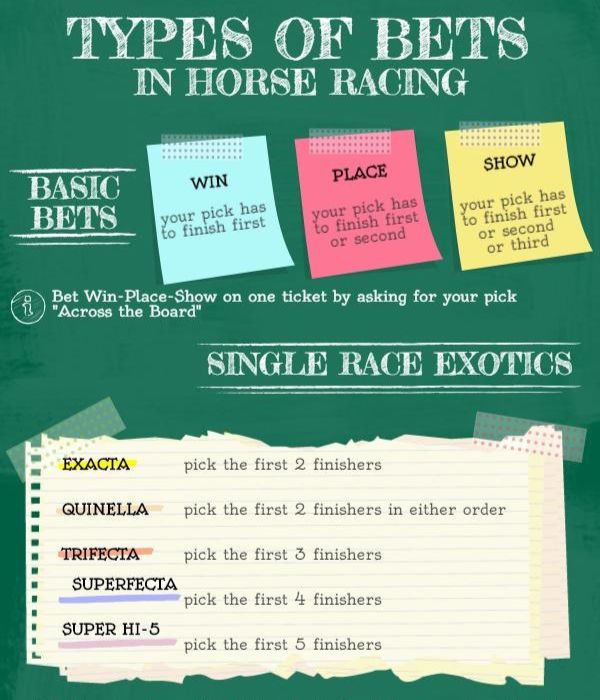
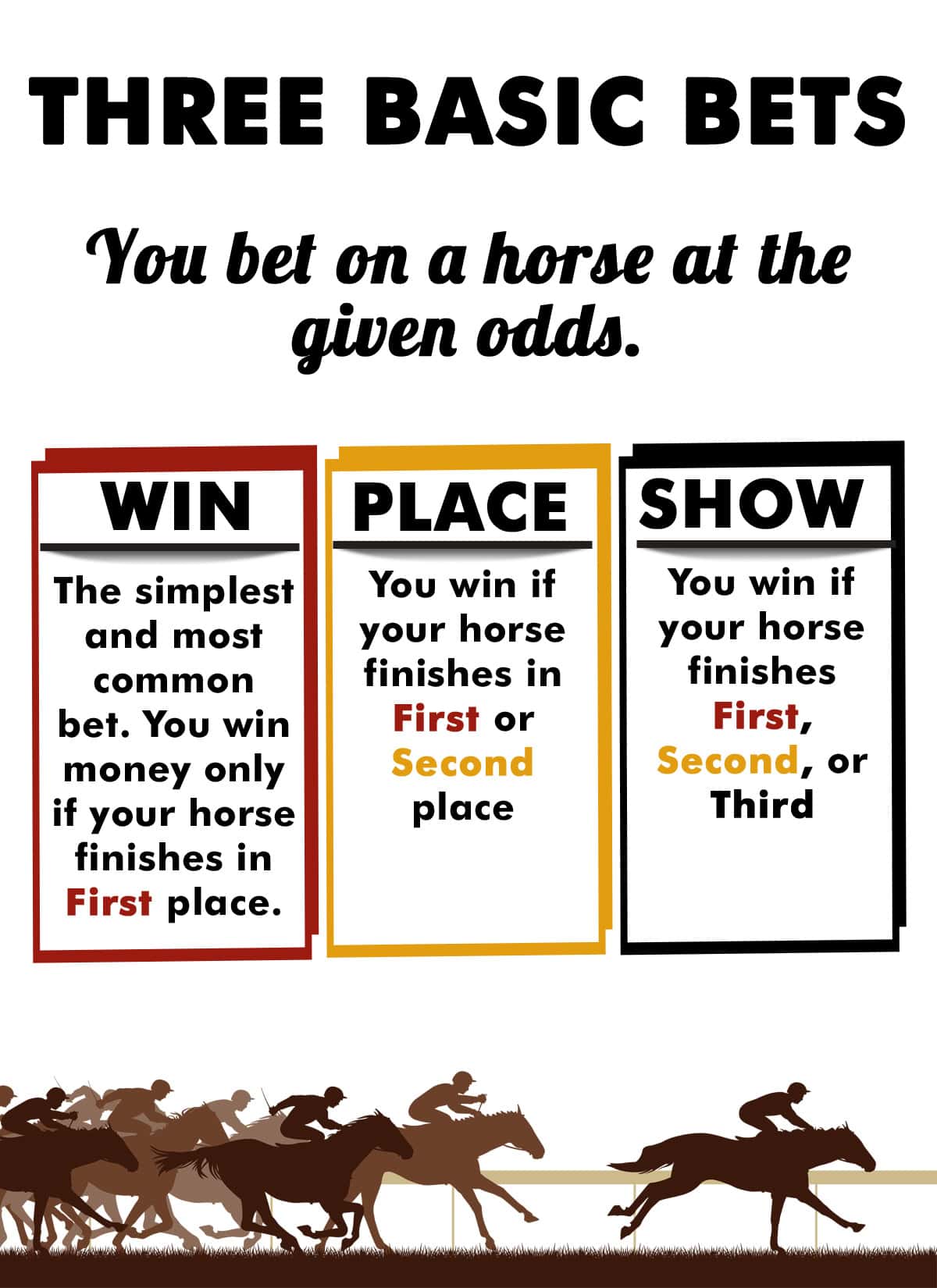
- Win: The horse must finish first.
- Place: The horse must finish first or second.
- Show: The horse must finish first, second, or third.
Because a show bet covers three positions, it is the safest of the three, but it also carries the lowest payout potential. The place bet represents the middle ground, providing a balance between risk and reward that appeals to many professional handicappers.
The Role of Place Betting in Bankroll Management
In the world of finance and investing, diversification is the primary method for reducing risk. In horse racing, the place bet serves as a primary tool for bankroll management. By spreading your exposure across horses that are strong contenders but perhaps not the clear favorites, you can maintain a steady flow of capital even when the race results don’t favor your top pick.
Calculating Expected Value
Successful bettors do not bet based on gut feeling alone; they calculate the “Expected Value” (EV) of a wager. A place bet allows you to capitalize on horses that demonstrate high consistency but lack the explosive speed required to secure a first-place finish. If you identify a horse that consistently places in the top two, the cumulative earnings from a series of place bets can often outperform the erratic gains of chasing long-shot win bets.
Mitigation of Variance
Variance is the enemy of the casual bettor. A string of losses on “win” bets can deplete a bankroll in a single afternoon. By incorporating place bets into your strategy, you reduce the variance of your results. While you will not experience the massive windfalls associated with picking a 20-1 winner, you will also experience fewer “total loss” days. This stability is vital for maintaining the discipline required to treat horse racing as a sustainable pursuit rather than a fleeting gamble.
Strategic Approaches to Place Betting
Not all races are created equal, and not all horses are suitable for place betting. Identifying the right conditions to deploy this strategy is what separates amateurs from experienced players.
Analyzing Race Conditions
The length of the race, the track surface (dirt vs. turf), and the weather conditions all influence how a horse performs. Some horses are “grinders”—they lack the finishing kick to overtake the leader in the final furlong but possess the stamina to maintain a top-two position throughout the race. These horses are prime candidates for place bets.
Furthermore, fields with a heavy favorite can be excellent opportunities for place bets on the second or third-tier contenders. If the favorite is expected to win by a wide margin, the odds for the remaining horses to fill the second-place spot may be quite attractive.
The “Each-Way” Strategy
A common practice in many racing jurisdictions is the “Each-Way” (E/W) bet. An each-way bet is effectively two separate bets: one for the horse to win, and one for the horse to place.
If you place a £10 each-way bet (total cost £20):
- If your horse wins, both your win bet and your place bet pay out.
- If your horse finishes second, you lose your win bet, but you collect the payout on your place bet.
This is arguably the most popular way to utilize place bets because it captures the upside of a win while providing a safety net if the horse falls just short.
Evaluating Odds and Market Dynamics
Understanding how bookmakers set their prices is essential for maximizing your returns. Market sentiment often pushes the odds of popular horses down, creating “value” in the place market for horses that are undervalued by the general public.
Identifying Overvalued and Undervalued Contenders
When the betting public converges on a single horse, they drive the price of that horse down to a point where the return may no longer justify the risk. In these scenarios, a savvy bettor looks at the horses that are likely to fill the second spot. By researching past performance data, track speed records, and trainer efficiency, you can identify a horse that has a high probability of placing, even if the general crowd ignores it in favor of the favorite.
The Impact of Liquidity
In larger, high-stakes races, the liquidity of the market is higher, meaning the odds are more accurate. In smaller, regional races, there is often more “noise” in the market. This noise creates inefficiencies. If a horse is priced poorly by a bookmaker due to a lack of volume, you have an opportunity to place a wager that is mathematically advantageous.
Conclusion: Developing a Disciplined Philosophy
The place bet is more than just a conservative wagering choice; it is a tactical instrument for those who view horse racing through the lens of financial strategy. By prioritizing consistent returns over high-variance gambles, you position yourself to remain in the game longer, allowing you to learn from market cycles and refine your handicapping skills.
Remember that success in this domain is rarely about hitting the “jackpot.” It is about the accumulation of small, profitable edges over time. Whether you are building a personal betting ledger or analyzing the financial impact of various wagering styles, treating the place bet as a foundational element of your strategy will pay dividends. By consistently applying analytical rigor and maintaining strict bankroll discipline, you turn the unpredictability of the track into a manageable, albeit challenging, financial endeavor. Keep your stakes measured, your research thorough, and your focus on the long-term objective of sustainable growth.
aViewFromTheCave is a participant in the Amazon Services LLC Associates Program, an affiliate advertising program designed to provide a means for sites to earn advertising fees by advertising and linking to Amazon.com. Amazon, the Amazon logo, AmazonSupply, and the AmazonSupply logo are trademarks of Amazon.com, Inc. or its affiliates. As an Amazon Associate we earn affiliate commissions from qualifying purchases.