
When individuals experience discomfort, they naturally seek answers. In the digital age, the first instinct is to turn to an online search engine. However, deciphering medical terminology and understanding the nuances of physiological symptoms requires a structured approach. Understanding pain in the lower right abdomen involves evaluating the anatomical landscape of the human body and recognizing when specific markers indicate the need for professional intervention.
The Anatomy of the Lower Right Quadrant
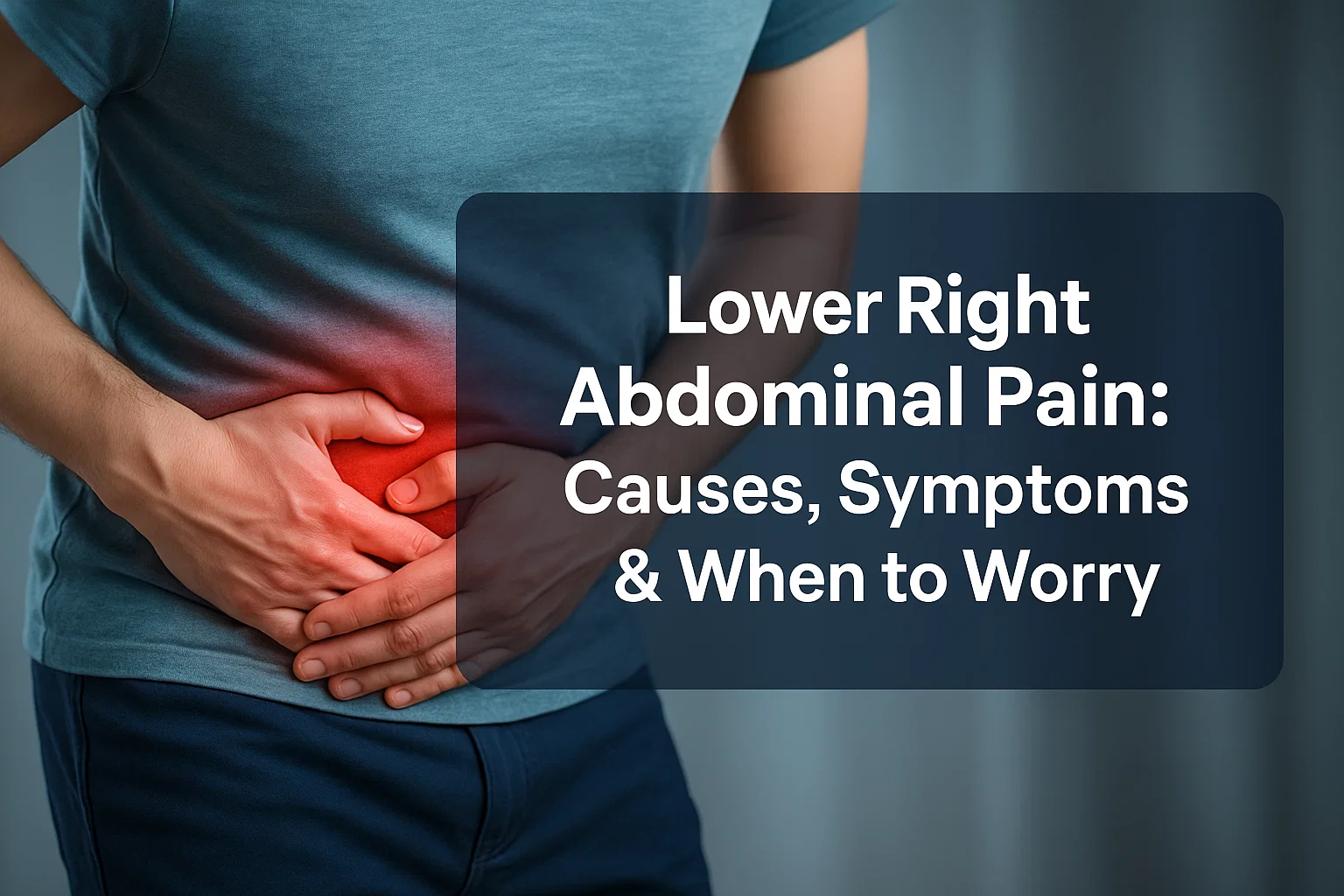
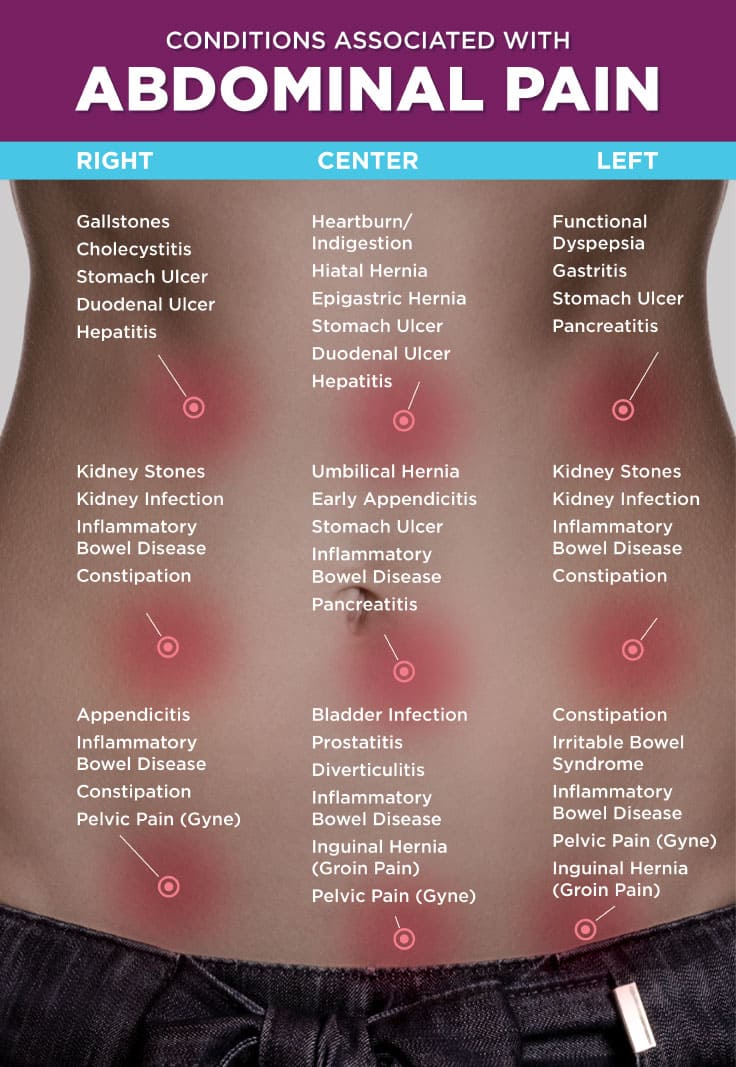
The human abdomen is divided into four quadrants to help clinicians localize the source of pain. The lower right quadrant (LRQ) is a complex area containing several vital organs and structures. Pain here is not monolithic; it can originate from the digestive system, the reproductive system, or the urinary tract.

The Role of the Appendix
The most discussed structure in the lower right quadrant is the appendix. Located where the small intestine meets the large intestine, the appendix is a small, tube-like pouch. When it becomes inflamed—a condition known as appendicitis—it typically presents with pain that begins near the navel and shifts to the lower right abdomen. This pain often increases in intensity over a period of 12 to 24 hours. Because the appendix can rupture, leading to a life-threatening infection of the abdominal cavity, this specific anatomical region is prioritized by medical professionals.
The Gastrointestinal Tract
The cecum, which is the beginning of the large intestine, is also housed in this quadrant. Issues related to digestion, such as constipation, gas, or localized inflammation, often manifest here. Because the colon folds and loops through the abdomen, symptoms can sometimes be referred from other sections of the bowel, requiring a comprehensive assessment of digestive habits and patterns.
Common Clinical Causes of Right-Sided Abdominal Pain
While appendicitis is the most urgent concern associated with this area, it is far from the only cause. Distinguishing between benign issues and those requiring medical attention depends on the duration, severity, and associated symptoms.
Gastrointestinal Disorders
Inflammatory bowel diseases (IBD), such as Crohn’s disease, frequently affect the terminal ileum—the end of the small intestine that resides in the lower right abdomen. Crohn’s disease can lead to chronic inflammation, scarring, and pain that may mimic appendicitis. Similarly, irritable bowel syndrome (IBS) or simple trapped gas can cause sharp, fleeting, or cramping pain. Diverticulitis, while more common on the left side of the abdomen, can occasionally occur on the right, especially in specific populations.
Reproductive System Concerns
In women, the right ovary and fallopian tube are located in the lower right quadrant. Conditions such as ovarian cysts, endometriosis, or pelvic inflammatory disease (PID) can create significant discomfort in this area. An ovarian cyst may cause a dull ache or sharp, sudden pain if the cyst ruptures or causes the ovary to twist (ovarian torsion). These conditions often correlate with the menstrual cycle, providing a diagnostic clue for healthcare providers.
Urinary Tract Issues
The right kidney and ureter—the tube that carries urine to the bladder—are located toward the back of the abdominal cavity. Kidney stones moving through the right ureter often cause intense, radiating pain that travels from the back toward the lower right front of the abdomen. This is frequently accompanied by urinary frequency, blood in the urine, or a burning sensation, distinguishing it from digestive-related discomfort.
Identifying Red Flags and Emergency Indicators
Not all abdominal pain is created equal. Understanding the difference between a mild, transient ache and a medical emergency is vital for maintaining long-term health. The body provides specific “red flags” that serve as a call to action.
Severe and Progressive Pain
If pain begins mildly but increases in severity over hours or days, it is a warning sign. Appendicitis, for example, is characterized by a steady progression. If the pain becomes so intense that it interferes with daily activities or prevents you from finding a comfortable position, medical consultation is necessary.
Systemic Symptoms
Localized pain becomes more concerning when accompanied by systemic reactions. Fever, chills, and persistent nausea or vomiting suggest that the body is fighting an infection or experiencing a major internal disturbance. Similarly, an inability to pass stool, especially when coupled with vomiting, can indicate a bowel obstruction—a condition that requires immediate surgical evaluation.
Referred Pain and Palpation
One common test performed by medical professionals is checking for “rebound tenderness.” This occurs when pain is felt more intensely upon the release of pressure on the abdomen rather than the application of it. This specific sign is a strong clinical indicator of peritoneal inflammation, often associated with a ruptured appendix or other internal infections.
Diagnostic Procedures and Management
When you present with lower right abdominal pain, clinicians use a systematic diagnostic process to narrow down the possibilities. This usually begins with a physical examination, followed by targeted investigations.
Physical Examination and History
The doctor will perform an abdominal palpation, pressing on different areas to identify tenderness and check for muscle guarding, which is the body’s involuntary tensing of abdominal muscles to protect internal organs. Providing a detailed history is essential: When did the pain start? Is it sharp, dull, or cramping? Are there triggers, such as eating or physical movement?
Imaging and Laboratory Tests
Modern diagnostic tools are highly effective at visualizing the contents of the abdomen. A pelvic or abdominal ultrasound is frequently used to identify ovarian cysts or gallstones. A CT scan of the abdomen is the “gold standard” for diagnosing appendicitis or identifying obstructions in the intestines. Blood tests, such as a complete blood count (CBC), are used to check for elevated white blood cell counts, which signify an active infection.
Management Strategies
Management is entirely dependent on the underlying cause. If the diagnosis is minor, such as constipation or mild gas, changes in diet and hydration are often sufficient. If the diagnosis involves an infection, antibiotics may be prescribed. Surgical intervention is reserved for mechanical issues, such as an appendectomy for appendicitis, the removal of an obstruction, or the treatment of a ruptured cyst.
Maintaining Digestive and Abdominal Health
Proactive health management can significantly reduce the likelihood of experiencing unexplained abdominal pain. While some conditions, such as sudden appendicitis or ovarian torsion, are unpredictable, many gastrointestinal issues are linked to lifestyle factors.
Nutritional Foundations
A diet high in fiber is the cornerstone of digestive health. Fiber regulates bowel movements and prevents the pressure buildup in the colon that can lead to diverticular issues. Staying well-hydrated ensures that digestive enzymes function efficiently and prevents the hardening of stool, which is a common source of abdominal discomfort.
Stress and Physical Activity
The gut-brain axis is a well-documented phenomenon. High levels of stress can trigger physical responses in the digestive tract, leading to cramping, bloating, and altered bowel habits. Regular physical activity helps maintain gastrointestinal motility, keeping the digestive system moving smoothly.
Listening to the Body
Ultimately, the most important aspect of abdominal health is body literacy. Being aware of your typical baseline—how your body feels on a normal day—allows you to identify deviations quickly. If pain persists, recurs, or is accompanied by symptoms that feel “wrong,” seeking a professional opinion is the safest and most effective way to address the issue.
While online information can help frame your understanding of what might be occurring, it should never replace the expertise of a medical professional. If you find yourself experiencing persistent or severe pain in the lower right abdomen, utilize available healthcare resources to obtain a concrete diagnosis. Understanding the possibilities is the first step toward effective treatment and regaining your comfort.
aViewFromTheCave is a participant in the Amazon Services LLC Associates Program, an affiliate advertising program designed to provide a means for sites to earn advertising fees by advertising and linking to Amazon.com. Amazon, the Amazon logo, AmazonSupply, and the AmazonSupply logo are trademarks of Amazon.com, Inc. or its affiliates. As an Amazon Associate we earn affiliate commissions from qualifying purchases.