
The Evolution of Holiday Inn: A Masterclass in Brand Architecture
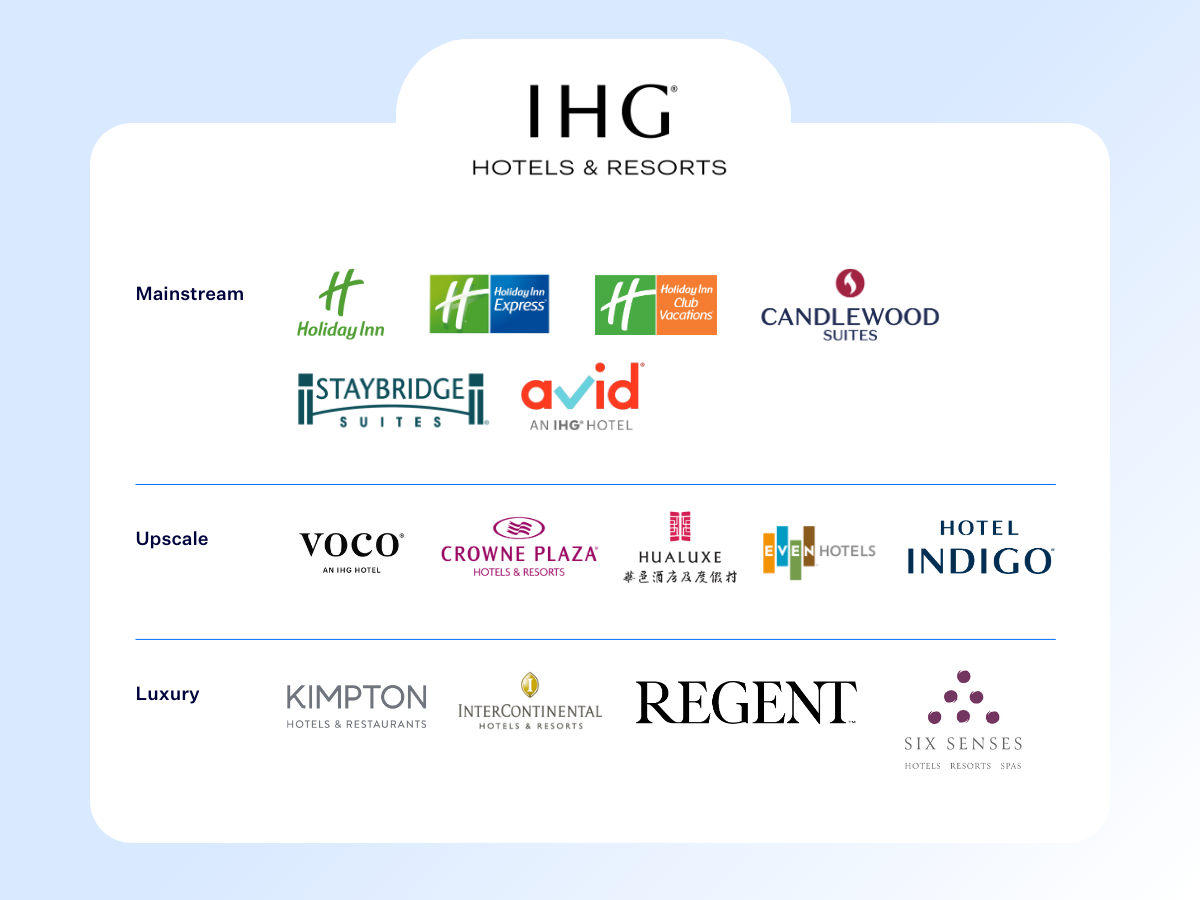
In the vast landscape of the hospitality industry, few names carry the instant, global recognition of Holiday Inn. To understand what hotel chain Holiday Inn belongs to, one must look beyond simple corporate ownership and examine the strategic architecture of IHG Hotels & Resorts. Holiday Inn is not merely a single brand; it is the cornerstone of a multi-tiered brand strategy that has defined the mid-scale market segment for decades.
IHG Hotels & Resorts: The Parent Identity
Holiday Inn is the flagship property under the umbrella of IHG Hotels & Resorts (InterContinental Hotels Group). Headquartered in the United Kingdom, IHG operates as one of the world’s largest hospitality companies. The decision to position Holiday Inn within the IHG portfolio was a deliberate marketing maneuver to leverage the parent company’s massive global infrastructure while allowing the Holiday Inn brand to maintain its identity as a reliable, accessible, and family-oriented hospitality staple.
The Brand Hierarchy Strategy
The brilliance of the Holiday Inn brand lies in its segmentation. By creating distinct sub-brands—Holiday Inn Express, Holiday Inn Resort, and Holiday Inn Club Vacations—the corporation successfully targeted varying psychographics and traveler needs without diluting the core brand equity. This “house of brands” approach ensures that whether a traveler is a business professional requiring efficiency or a family seeking a destination vacation, the Holiday Inn name serves as a trusted North Star.
Decoding the Market Positioning and Brand Promise
Every successful brand operates on a “promise”—a psychological contract between the provider and the consumer. For Holiday Inn, that promise has remained remarkably consistent since the brand’s inception in 1952: comfort, convenience, and consistency.
Defining the Mid-Scale Experience
In the context of brand strategy, the mid-scale market is notoriously difficult to master. It requires balancing cost-efficiency with high-quality service standards. Holiday Inn achieved this by standardizing the guest experience. From the bedding to the lobby aesthetics, the brand invested heavily in visual identity and service design to ensure that a Holiday Inn in London feels familiar to a guest visiting from Chicago. This “comfort of the known” is the primary value proposition that keeps customer acquisition costs lower than those of boutique competitors.
Competitive Differentiation
While competitors have tried to capture the mid-scale market through hyper-modern aesthetics or minimalist designs, Holiday Inn has held onto its brand identity as a versatile workhorse. The strategic choice to remain a “full-service” option—offering dining facilities and meeting rooms—distinguishes it from the “limited-service” competitors in the IHG family, such as Holiday Inn Express. This internal differentiation prevents cannibalization, allowing the company to dominate both the business traveler segment and the leisure family demographic simultaneously.
Corporate Identity and the Power of Visual Recognition
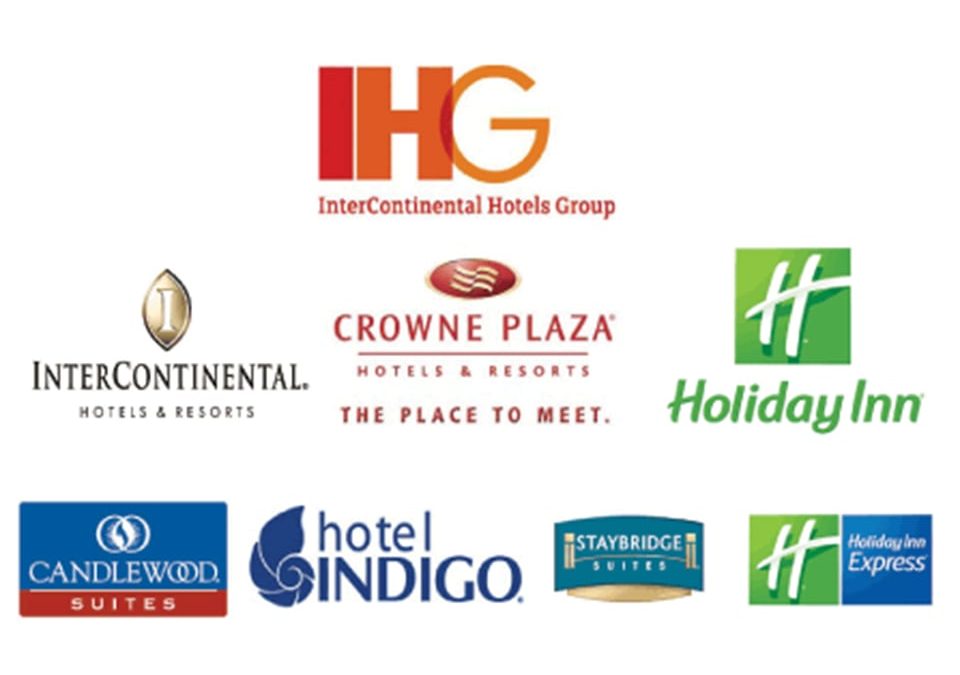
Brand equity is often measured by the speed at which a consumer recognizes a logo. The Holiday Inn “swash” logo is a prime example of successful design longevity. Throughout its history, the brand has undergone strategic refreshes that modernize the visual identity without discarding the heritage that drives consumer trust.
The Psychology of Logo Refresh
When a brand as iconic as Holiday Inn updates its visual assets, it is never a purely aesthetic decision. It is a strategic response to changing market tastes. By streamlining its logo and color palette to be more minimalist and digital-friendly, IHG signaled to a new generation of travelers that the brand is not a relic of the past, but an adaptive, modern player. This balance between heritage and modernity is crucial for legacy brands looking to maintain relevance in a market dominated by digital-first travel startups.
Consistency as a Branding Pillar
The architecture of a Holiday Inn building, the layout of its rooms, and the uniform tone of its staff are all “brand touchpoints.” In marketing, these touchpoints are where the brand promise is either kept or broken. Holiday Inn’s corporate strategy focuses on rigorous quality control, ensuring that its brand identity remains uniform across thousands of franchise locations. This consistency is the engine of their brand loyalty program, IHG One Rewards, which incentivizes guests to choose the brand repeatedly based on the guarantee of a predictable, high-quality experience.
Strategic Expansion and Brand Resilience
Holiday Inn’s ability to survive and thrive for over 70 years is a testament to effective brand management during periods of economic volatility and industry disruption.
Resilience Through Franchising
A significant portion of the Holiday Inn brand’s success comes from its business model. By functioning primarily as a franchisor, IHG has enabled rapid expansion with minimal capital expenditure. This strategy allows individual owners to invest in the brand, while IHG provides the marketing muscle, reservation systems, and quality assurance that keep the brand’s reputation intact. It is a symbiotic relationship: the brand gains global scale, and the franchisees gain the credibility of a household name.
Adaptability in a Digital Era
The hospitality industry has faced massive disruption from platforms like Airbnb and the rise of digital travel agencies. Holiday Inn responded not by changing what it is, but by sharpening its digital presence. Their marketing strategy shifted toward direct booking incentives and mobile-first integration. By focusing on their own loyalty ecosystem, they reduced reliance on third-party aggregators, effectively reclaiming their brand identity from the commodity-driven search results of booking sites.
The Future of the Brand: Sustainment and Growth
Looking forward, the Holiday Inn brand remains central to IHG’s growth strategy. As the company looks to capture the “bleisure” (business and leisure) traveler, the Holiday Inn brand is being positioned as the ultimate flexible solution.
Evolving the Guest Experience
Future branding efforts are focused on the integration of smart-room technology and sustainable practices. Today’s consumers—specifically Millennials and Gen Z—demand that brands reflect their personal values. Holiday Inn’s corporate identity is shifting to highlight sustainable operations and community engagement, ensuring the brand stays culturally relevant. This evolution is necessary to prevent the “legacy brand trap,” where a company is respected but viewed as outdated.

Why Brand Strategy Matters
Ultimately, the question “what hotel chain is Holiday Inn” is a question about the power of an identity. It is not just about the rooms or the beds; it is about the intersection of trust, scale, and strategic marketing. Holiday Inn represents the pinnacle of how a corporate entity can manage a legacy brand, keeping it fresh while respecting the history that built its reputation.
For students of brand strategy, Holiday Inn serves as an essential case study in how to navigate the lifecycle of a global corporation. It proves that when a brand remains true to its core promise while intelligently adapting its visual, digital, and service components, it can successfully withstand the pressures of a changing marketplace. The brand thrives because it understands its audience, owns its niche, and continues to invest in the identity that made it a household name in the first place. Whether for the business traveler needing a desk and a Wi-Fi connection, or the family needing a reliable base for a summer holiday, the Holiday Inn brand remains a titan of the industry, defined by a legacy of consistency in an inconsistent world.
aViewFromTheCave is a participant in the Amazon Services LLC Associates Program, an affiliate advertising program designed to provide a means for sites to earn advertising fees by advertising and linking to Amazon.com. Amazon, the Amazon logo, AmazonSupply, and the AmazonSupply logo are trademarks of Amazon.com, Inc. or its affiliates. As an Amazon Associate we earn affiliate commissions from qualifying purchases.