
Navigating a diagnosis of ovarian cysts involves more than just understanding the physiological implications; it requires a robust strategy for managing the financial landscape of reproductive healthcare. For many, the road to treatment is paved with unexpected costs, varying insurance coverages, and the need for long-term budget planning. When addressing the physical challenges of ovarian health, your financial health must be equally prioritized to ensure that access to care does not become a secondary stressor.
Assessing the Direct and Indirect Costs of Care
The first step in managing the financial burden of ovarian cysts is gaining a clear perspective on what the treatment lifecycle actually entails. Unlike a single-event procedure, ovarian health often requires a diagnostic journey that spans multiple billing cycles and different types of medical practitioners.
Diagnostic Expenses and Imaging
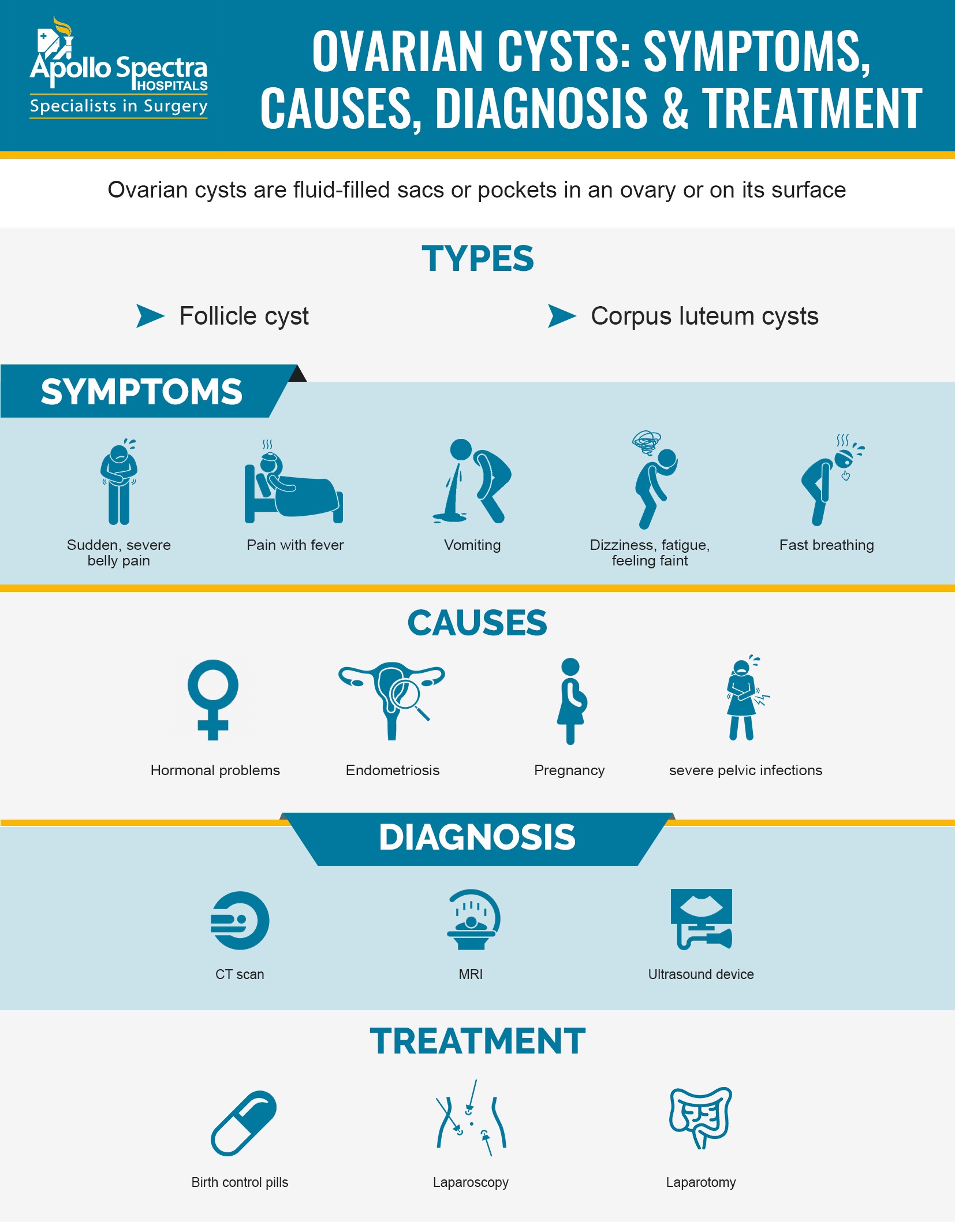
Before a treatment plan is established, diagnostic services are mandatory. These typically include pelvic ultrasounds, CA-125 blood tests, and occasionally MRI scans to determine the nature of the cyst. From a financial planning perspective, these are “variable costs.” It is essential to verify with your insurance provider whether these are categorized as “preventative” or “diagnostic,” as this distinction significantly impacts your out-of-pocket responsibility. High-deductible health plans (HDHPs) often require you to cover these costs entirely until the deductible threshold is met, which can occur early in a fiscal year, leaving you unprepared for later follow-up appointments.
Procedural and Surgical Interventions
If a cyst requires surgical intervention—such as a cystectomy or, in more complex cases, an oophorectomy—the financial scale shifts dramatically. These procedures fall under the umbrella of major medical expenses. Beyond the surgeon’s fees, you must account for facility fees, anesthesia, and potential pathology labs. Patients should proactively request a “Good Faith Estimate” from their healthcare provider under the No Surprises Act to prevent post-operative billing shock. This document is a critical tool for your budget, allowing you to move from hypothetical financial planning to concrete fund allocation.
Leveraging Financial Vehicles to Offset Medical Costs
When medical expenses arise, utilizing the right financial vehicles can provide tax advantages and liquidity that preserve your long-term savings. Strategic allocation of your income can help buffer the impact of these costs.
Utilizing Health Savings Accounts (HSAs) and FSAs
If you are enrolled in an HDHP, an HSA is your most potent tool. Contributions are 100% tax-deductible, and the funds grow tax-free. When used for qualified medical expenses—which include doctor visits, surgery, and prescription medications related to ovarian cysts—the withdrawal is also tax-free. This effectively provides a discount on your medical care equal to your marginal tax rate.
Flexible Spending Accounts (FSAs) operate similarly but are “use-it-or-lose-it” within the plan year. If you anticipate a treatment schedule for your cysts, maximize your FSA contributions during open enrollment to cover upcoming co-pays and deductibles. Integrating these accounts into your monthly budget allows you to treat medical expenses as a predictable line item rather than an emergency.
Negotiating Medical Billing and Payment Plans
Never assume that the first bill you receive is the final word on what you owe. Medical billing is complex and often prone to coding errors. Once you receive an Explanation of Benefits (EOB), cross-reference it with the itemized bill from the provider. If the numbers do not align, initiate an audit.

Furthermore, hospitals and specialists are often willing to negotiate. If a lump-sum payment is not feasible, inquire about interest-free payment plans. Many providers have internal departments dedicated to financial assistance for patients who meet specific income criteria. Requesting a “prompt pay discount” can also reduce the total balance if you are capable of paying the amount in full immediately.
Strategic Budgeting for Long-Term Reproductive Wellness
Ovarian cysts can sometimes be recurrent, leading to a “chronic” financial requirement rather than a singular event. Adjusting your personal financial strategy to accommodate ongoing reproductive health is essential for maintaining your standard of living while prioritizing your body.
Creating a Medical Contingency Fund
Most financial advisors recommend a standard emergency fund, but those managing specific health concerns should consider a dedicated “Medical Contingency Fund.” This acts as a secondary buffer, separate from your general savings. By directing a small, automated percentage of your monthly income into this account, you ensure that you are never forced to use credit cards to fund elective or semi-urgent procedures.
Analyzing Insurance Coverage and Plan Selection
Annual open enrollment is not just an administrative task; it is a critical financial planning moment. If your history suggests that you will require ongoing monitoring or periodic treatments for ovarian cysts, review the “out-of-pocket maximum” of your insurance plans rather than just the monthly premium. A plan with a higher monthly premium but a significantly lower out-of-pocket maximum may be mathematically superior if you anticipate multiple specialist visits and imaging sessions. Crunching these numbers annually ensures that your insurance choice is aligned with your anticipated medical reality, effectively capping your potential financial liability.
The Intersection of Productivity and Financial Stability
Healthcare is an investment in your personal infrastructure—your ability to work, create, and earn. When physical health is compromised, your earning potential can be indirectly affected. Managing ovarian cysts successfully means maintaining the stability of your professional life, which is the primary driver of your financial health.
Managing Disability and Leave Policies
Understand the nuances of your employer’s short-term disability policy. If a surgical procedure is necessary, knowing the requirements for documentation and the percentage of salary replacement is vital for short-term cash flow management. Familiarize yourself with the Family and Medical Leave Act (FMLA) to ensure your job security while you recover. Financial stability is deeply tied to professional continuity; by proactively managing the administrative side of medical leave, you mitigate the risk of income interruption.
Investing in Preventive Financial Health
Just as lifestyle changes are often recommended to manage the physiological symptoms of cysts, “financial hygiene” is necessary to manage the economic side effects. This involves maintaining a high credit score, which ensures that if you do need to bridge a gap between a medical procedure and an insurance payout, you have access to low-interest credit lines if needed. It also involves avoiding “lifestyle creep” in months where your health costs are low, ensuring that those surplus funds are funneled into your contingency accounts.

Conclusion: Integrated Wellness and Prosperity
Taking control of ovarian health requires a dual approach: clinical management guided by medical professionals and fiscal management guided by sound financial principles. By treating your medical expenses as a planned part of your financial life—utilizing tax-advantaged accounts, auditing medical bills, and selecting insurance plans based on maximum risk—you remove the paralyzing ambiguity that often accompanies a health diagnosis.
The goal is to eliminate the stress that financial uncertainty adds to physical recovery. When your budget is structured to handle the demands of your health, you are free to focus your energy on what matters most: your long-term well-being. By integrating your healthcare journey with your financial strategy, you turn a period of uncertainty into a demonstration of personal resilience, ensuring that you remain in command of both your body and your bank account.
aViewFromTheCave is a participant in the Amazon Services LLC Associates Program, an affiliate advertising program designed to provide a means for sites to earn advertising fees by advertising and linking to Amazon.com. Amazon, the Amazon logo, AmazonSupply, and the AmazonSupply logo are trademarks of Amazon.com, Inc. or its affiliates. As an Amazon Associate we earn affiliate commissions from qualifying purchases.