
The intersection of femtech and personal health management has revolutionized how individuals approach menstrual wellness. In the modern digital landscape, managing period pain—dysmenorrhea—is no longer limited to analog remedies; it now involves a sophisticated ecosystem of specialized software, wearable technology, and data-driven insights. By leveraging current advancements in digital health, users can transition from reactive pain management to a proactive, tech-integrated lifestyle that minimizes discomfort and improves quality of life.
The Rise of Femtech: Data-Driven Pain Management
The “Femtech” sector is currently one of the fastest-growing niches in the health software industry. Apps designed to track menstrual cycles have evolved from simple calendars into comprehensive health diagnostic tools. These platforms use algorithmic analysis to predict hormonal shifts, allowing users to prepare for potential cramp intensity before it manifests.
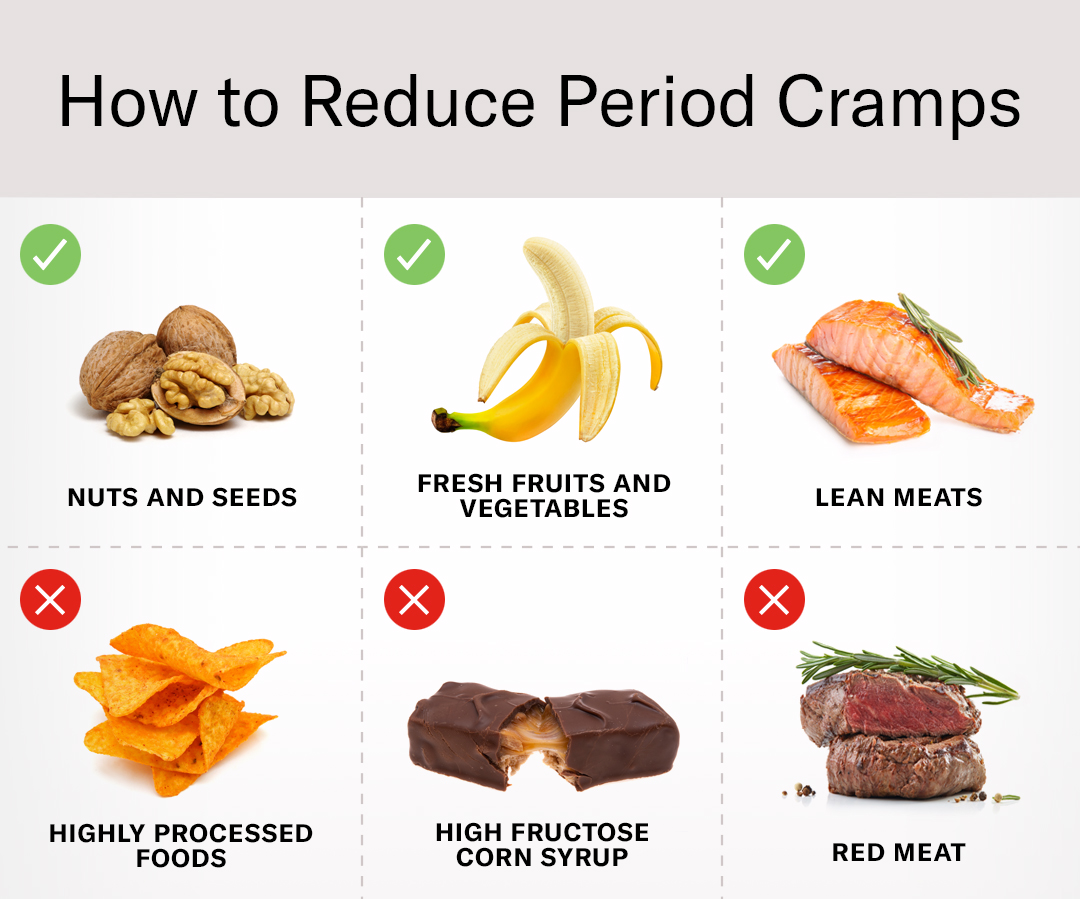
Predictive Analytics and Symptom Correlation
Modern cycle-tracking applications utilize machine learning to analyze user-inputted data regarding mood, energy levels, and physical pain. By identifying patterns over several months, these apps can alert users to their “danger window”—the specific days when they are most likely to experience severe cramping. This digital foresight allows for a preemptive strike against pain. By scheduling rest, adjusting exercise intensity, or beginning mild preventative protocols, users can significantly lower the threshold of pain felt during the cycle’s peak.
Integration with Wearable Devices
The synergy between wearable technology and cycle-tracking software has provided a new layer of objective data. Smartwatches and fitness trackers monitor heart rate variability (HRV) and skin temperature, two physiological metrics that often fluctuate during the luteal phase of the menstrual cycle. When these data points are synced with health apps, the software provides a holistic view of the body’s internal stress levels. This feedback loop helps users understand how their lifestyle choices—such as sleep quality or cardiovascular load—directly influence the severity of their period cramps, offering a scientific basis for personalized adjustments.
Advanced Gadgets and Targeted Hardware
Beyond software, the hardware sector has introduced innovative devices that move away from traditional pharmaceuticals, focusing instead on neurostimulation and localized thermal regulation. These gadgets represent the cutting edge of non-invasive pain relief.
Transcutaneous Electrical Nerve Stimulation (TENS) Technology
TENS units, once restricted to clinical settings, have been miniaturized and rebranded as specialized wearable devices for menstrual relief. These devices work by sending low-voltage electrical impulses through the skin to the nerves, effectively “scrambling” the pain signals before they reach the brain—a concept known as the Gate Control Theory. By wearing a sleek, portable TENS device discreetly under clothing, users can experience immediate, drug-free relief that is entirely controllable via smartphone app integration.
Smart Thermal Therapy
Heat has long been considered the gold standard for relaxing the uterine muscles, but traditional heating pads are often cumbersome. New smart-heating wearables utilize graphene technology and flexible circuits to provide consistent, calibrated heat. These devices are equipped with internal sensors that maintain a constant, optimal temperature, preventing skin burns while ensuring that the heat penetrates deep enough to encourage blood flow and muscle relaxation. Being app-controlled, these devices allow the user to toggle between different heat intensities, ensuring that comfort is maintained throughout the day, whether at home or in the office.
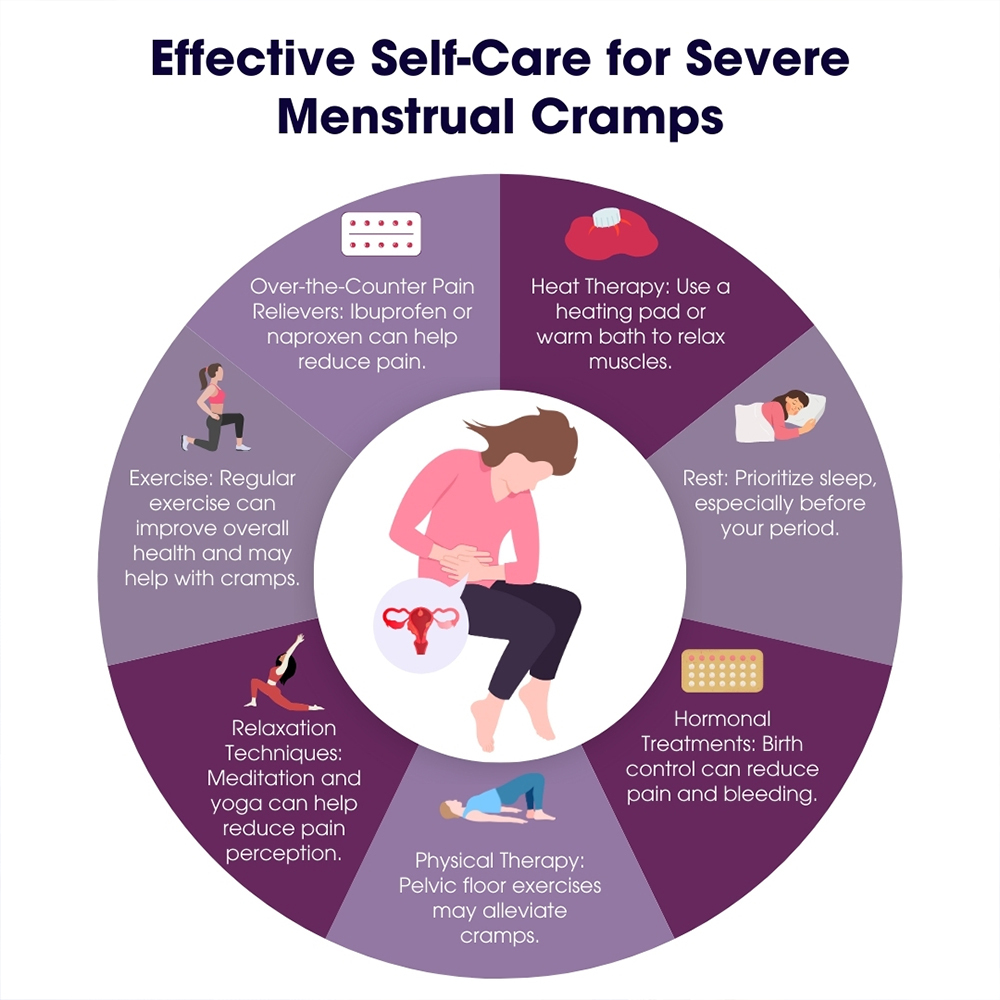
Digital Wellness and Cognitive Behavioral Support
Pain is a complex psychological and physiological phenomenon. Tech-driven solutions now focus on the brain-body connection, offering tools that manage the mental distress that often exacerbates the perception of physical pain.
Biofeedback and Mindfulness Apps
Chronic pain often triggers a stress response that increases cortisol levels, which in turn can lead to increased uterine muscle tension. Digital health platforms now offer guided biofeedback sessions that teach users to control their physiological response to pain. Through rhythmic breathing exercises supported by heart rate monitoring via the camera sensor on a smartphone, users can move their nervous system from a sympathetic (fight or flight) state into a parasympathetic (rest and digest) state. This mental pivot is instrumental in lowering the sensitivity to pain during a menstrual cycle.
Sleep Optimization Tools
Sleep is the most critical period for hormonal regulation and physical recovery. However, period cramps often interfere with sleep quality. Advanced sleep-tracking software, paired with smart home integrations, can optimize the bedroom environment for those in the luteal phase. For example, automated light adjustments that mimic circadian rhythms or white noise soundscapes managed by AI can help ensure deeper, more restorative rest. When the body receives high-quality sleep, the systemic inflammation associated with menstruation is often reduced, leading to a noticeable decrease in the severity of subsequent cramps.
Building a Personalized Pain-Management Ecosystem
To truly harness the benefits of technology, users must treat their health as a data ecosystem. Fragmentation is the enemy of effective symptom management. Integrating multiple devices and software platforms into a single, cohesive dashboard allows for a more nuanced understanding of the body.
The Power of Data Integration
The goal of a modern wellness strategy is to achieve seamless data flow between devices. If a TENS device logs an hour of usage, that data should ideally reflect in a central health app that also tracks sleep and cycle phases. When all variables are logged in one place, it becomes easy to perform a retrospective analysis. Did a high-intensity workout three days before the period increase cramp intensity? Did better sleep hygiene reduce the reliance on supplemental pain relief? This level of granular tracking turns the user into an expert on their own physiology, enabling a highly customized approach to care.
Security and Ethical Considerations in Femtech
As users consolidate sensitive health data within these apps and hardware platforms, digital security becomes a paramount concern. Reliable health tech companies must prioritize end-to-end encryption and robust data privacy protocols. When selecting tools to help manage period cramps, the modern consumer should evaluate the brand’s commitment to data sovereignty. A professional, insightful approach to health management requires that the user remains the sole owner of their health data, ensuring that the technology serves the individual rather than the profit margins of big data aggregators.

Future Horizons in Pain Technology
The trajectory of this niche suggests that the next generation of solutions will be even more automated. We are moving toward closed-loop systems where a wearable device detects the onset of a cramp—via muscle contraction monitoring—and automatically initiates a treatment, such as a gentle heat pulse or a neurostimulation sequence, before the user even realizes the pain is approaching.
This level of automation represents the ultimate marriage of biology and technology. By offloading the burden of constant self-monitoring to algorithms and hardware, individuals can go about their daily routines with confidence. Period pain, while still a biological reality, is gradually being demoted from an overwhelming life disruption to a managed data point. Embracing these tech-forward solutions not only provides immediate relief but also fosters a deeper, more informed relationship with one’s own health, marking a significant step forward in the digital health revolution.
aViewFromTheCave is a participant in the Amazon Services LLC Associates Program, an affiliate advertising program designed to provide a means for sites to earn advertising fees by advertising and linking to Amazon.com. Amazon, the Amazon logo, AmazonSupply, and the AmazonSupply logo are trademarks of Amazon.com, Inc. or its affiliates. As an Amazon Associate we earn affiliate commissions from qualifying purchases.