
Managing a chronic condition like diabetes requires more than just clinical oversight; it demands a robust financial strategy. When medical expenses, insurance premiums, and lost productivity intersect, the economic burden can become as significant as the physiological challenge. Navigating the intersection of diabetes management and personal finance is essential for maintaining long-term stability and ensuring that health outcomes are not compromised by economic stressors.
The Cost Analysis of Chronic Care
Understanding the true financial footprint of diabetes is the first step toward effective management. For many, the diagnosis comes with an immediate and often overwhelming increase in out-of-pocket expenses. By breaking down these costs, individuals can better categorize their spending and identify areas where financial optimization is possible.
Direct Medical Expenses
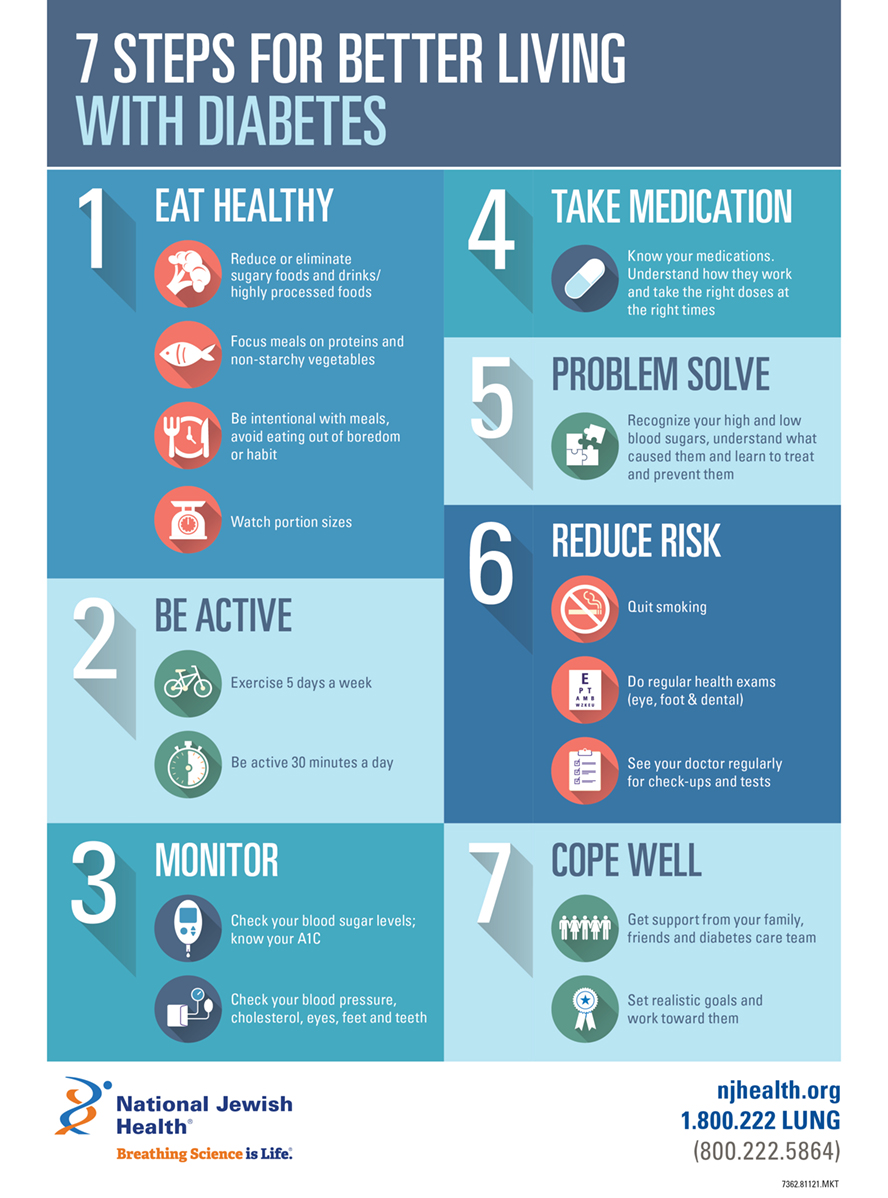
Direct costs represent the most visible portion of the diabetes budget. These include recurring pharmacy bills for insulin, metformin, or GLP-1 receptor agonists, as well as the essential hardware required for glucose monitoring. CGM (Continuous Glucose Monitor) sensors and insulin pump supplies represent a significant capital expenditure. Managing these costs often requires a shift in procurement strategies, such as bulk ordering through mail-order pharmacies or negotiating with suppliers for cash-pay discounts when insurance coverage is insufficient.
Indirect Economic Impacts
The secondary impact of diabetes is often overlooked but can be equally devastating to personal wealth. This includes the opportunity cost of time spent on clinic visits, the potential for reduced work hours due to complications, and the impact of “diabetes burnout” on career progression. Recognizing these as financial variables allows for a more proactive approach to income protection, such as securing comprehensive disability insurance or establishing an emergency fund specifically cushioned for health-related work interruptions.
Leveraging Financial Vehicles for Health Optimization
Modern financial tools offer unique opportunities to mitigate the high costs associated with diabetes. By strategically utilizing tax-advantaged accounts and employer-sponsored benefits, individuals can effectively lower their total cost of care while simultaneously building a safety net.
Maximizing Health Savings Accounts (HSAs)
The Health Savings Account (HSA) is perhaps the most powerful tool for an individual managing a chronic condition. Because an HSA allows for tax-deductible contributions, tax-free growth, and tax-free withdrawals for qualified medical expenses, it acts as a permanent hedge against healthcare inflation. For those with diabetes, treating the HSA as an investment vehicle rather than a simple checking account is crucial. By covering current out-of-pocket costs with liquid cash and allowing the HSA balance to invest in low-cost index funds, patients can grow a substantial “healthcare retirement fund” that will be vital in later years.
Flexible Spending Accounts (FSAs) and Benefit Optimization
While FSAs operate on a “use it or lose it” basis, they remain useful for those with predictable annual costs for testing strips and medication co-pays. Aligning FSA contributions with expected annual medical expenditure ensures that you are utilizing pre-tax dollars to cover inevitable health costs, effectively granting yourself a discount equivalent to your marginal tax rate. Furthermore, scrutinizing employer-offered “wellness programs” can yield direct financial dividends, as many corporations offer premium discounts or cash incentives for meeting specific health markers.

Strategic Budgeting and Economic Resilience
Financial volatility is a primary driver of non-adherence to diabetes treatment plans. When patients face a choice between utility bills and insulin, the quality of care almost always suffers. Building an economic architecture that prioritizes health as a fixed expense is essential for long-term consistency.
Zero-Based Budgeting for Healthcare
In a zero-based budget, every dollar is assigned a job. For someone managing diabetes, this means treating the monthly medication cost as a priority line item, ranked alongside rent and groceries. By allocating funds to a “medical sinking fund” each month, you smooth out the volatility of quarterly doctor visits or annual deductible resets. This prevents the “surprise” nature of healthcare billing, transforming it into a manageable, recurring overhead expense.
Negotiating and Managing Medical Debt
If medical costs become insurmountable, proactive management is superior to passive avoidance. Negotiating payment plans with hospital billing departments, inquiring about pharmaceutical manufacturer assistance programs, and utilizing patient advocacy services are all legitimate financial strategies. Many pharmaceutical companies offer co-pay cards that can reduce the cost of brand-name medications to near zero; however, these are often underutilized. Treating these manufacturer programs as essential financial assets is a key component of a successful personal finance strategy.
Future-Proofing: Insurance and Long-Term Asset Protection
The final pillar of financial health in the context of diabetes involves protecting one’s future against the unpredictability of both health and policy changes. Insurance serves as the primary barrier between a diagnosis and financial insolvency.
Evaluating Insurance Coverage Beyond Premiums
Too often, individuals choose health insurance based solely on the monthly premium. For those with diabetes, the “lowest premium” plan is frequently the most expensive choice when factoring in high deductibles and restricted drug formularies. It is imperative to conduct a total cost analysis—adding the annual premium to the estimated annual out-of-pocket maximum—before selecting a plan. Evaluating the coverage of specific pumps, sensors, and medications is more important than the convenience of a specific insurance carrier.
Disability and Life Insurance Considerations
Securing adequate long-term disability insurance is a critical step for individuals with chronic conditions. While some may fear that a diabetes diagnosis creates a hurdle for underwriting, it is better to engage with specialized brokers who understand how to navigate medical disclosures. A robust disability policy protects the most valuable asset you possess: your ability to earn an income. By locking in these protections early, you insulate your financial future from the variability of chronic disease progression.

The Role of Passive Income and Diversification
Economic resilience is ultimately bolstered by diversification. Relying solely on a primary paycheck to cover rising healthcare costs is a vulnerable position. Exploring side hustles or income-generating assets provides a buffer that can be directed specifically toward health expenditures. When your financial health is diversified, your physical health management becomes less tethered to the volatility of your primary employment, granting you the autonomy to make medical decisions based on health outcomes rather than financial desperation.
By integrating rigorous financial discipline with a deep understanding of available medical-economic tools, those managing diabetes can shift the narrative from one of burden to one of managed stability. Financial health is not merely an adjunct to physical health; it is the infrastructure upon which successful long-term management is built. Through disciplined planning, the use of tax-advantaged vehicles, and proactive debt management, the economic impact of diabetes can be mitigated, ensuring that resources are focused where they matter most: on living a long, productive, and healthy life.
aViewFromTheCave is a participant in the Amazon Services LLC Associates Program, an affiliate advertising program designed to provide a means for sites to earn advertising fees by advertising and linking to Amazon.com. Amazon, the Amazon logo, AmazonSupply, and the AmazonSupply logo are trademarks of Amazon.com, Inc. or its affiliates. As an Amazon Associate we earn affiliate commissions from qualifying purchases.