
In the digital age, our hands are our primary tools for productivity. Whether you are an entrepreneur managing high-stakes client communications, a software developer iterating on complex code, or a content creator building a personal brand, your fingers are the interface between your mind and your output. When a burn occurs, it is not merely a physical inconvenience; it is a disruption to your workflow, a threat to your professional dexterity, and a significant blow to your daily bottom line. Managing minor burns effectively—and understanding how to protect your most valuable assets—is a critical component of maintaining high-performance output.
The Immediate Response: Mitigating Asset Downtime
When you sustain a burn on your finger, the first sixty seconds are the most critical in determining the recovery timeline. In the context of maintaining your professional flow, the goal is to stabilize the tissue immediately to prevent secondary damage that could keep you away from your keyboard or touchscreen for days.
The Science of Thermal Neutralization
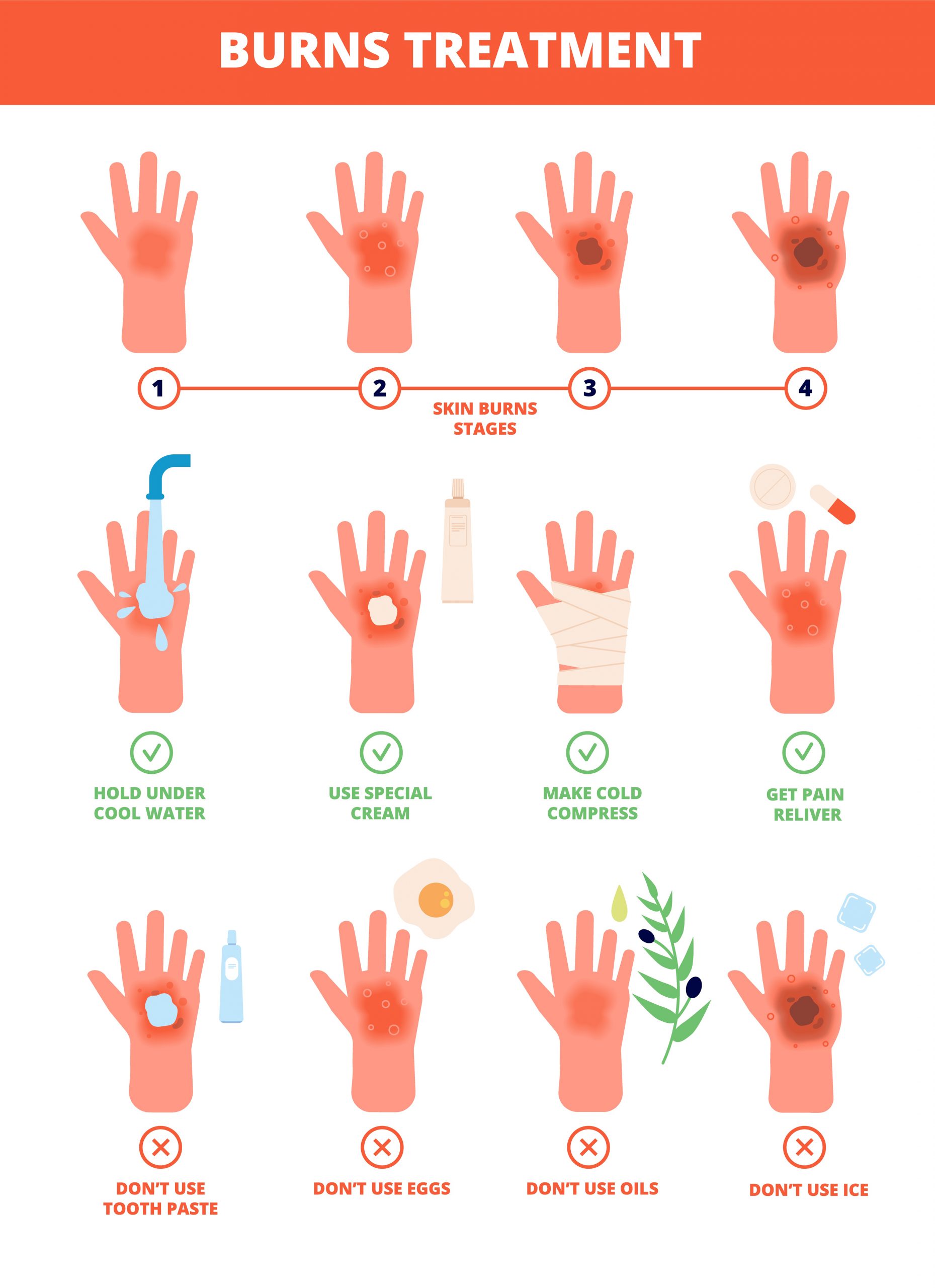
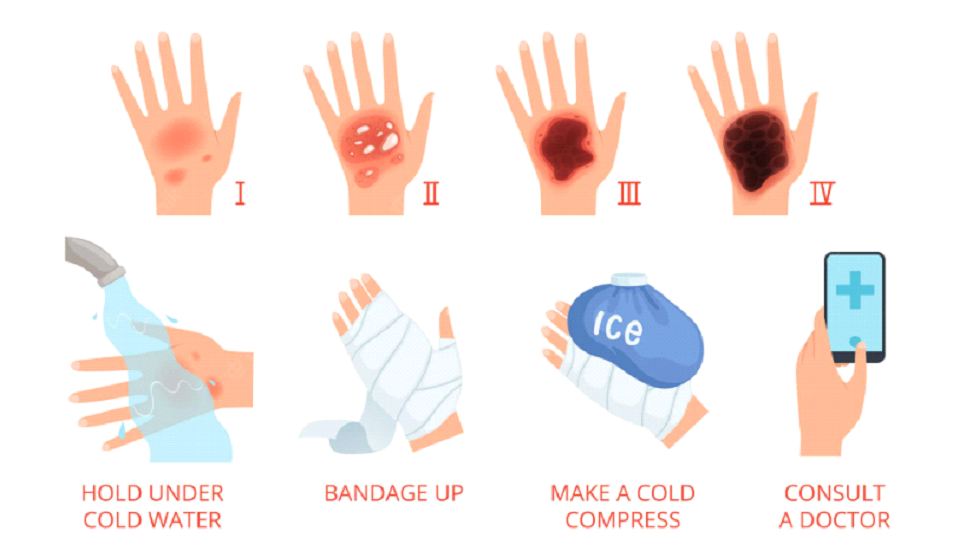
The heat from a burn continues to penetrate deeper into the skin layers long after the initial contact with the heat source. Your primary objective is to “stop the clock” on the thermal damage. Running the affected finger under cool—not ice-cold—running water for at least 10 to 20 minutes is the standard protocol.
Avoid the common pitfall of using ice. Extreme cold can restrict blood flow and cause further trauma to delicate tissue, potentially turning a minor injury into a more complex healing situation. By keeping the water at a comfortable, cool temperature, you stabilize the skin cells and prevent the heat from causing further inflammation, which is essential for minimizing downtime.
Protecting the Interface
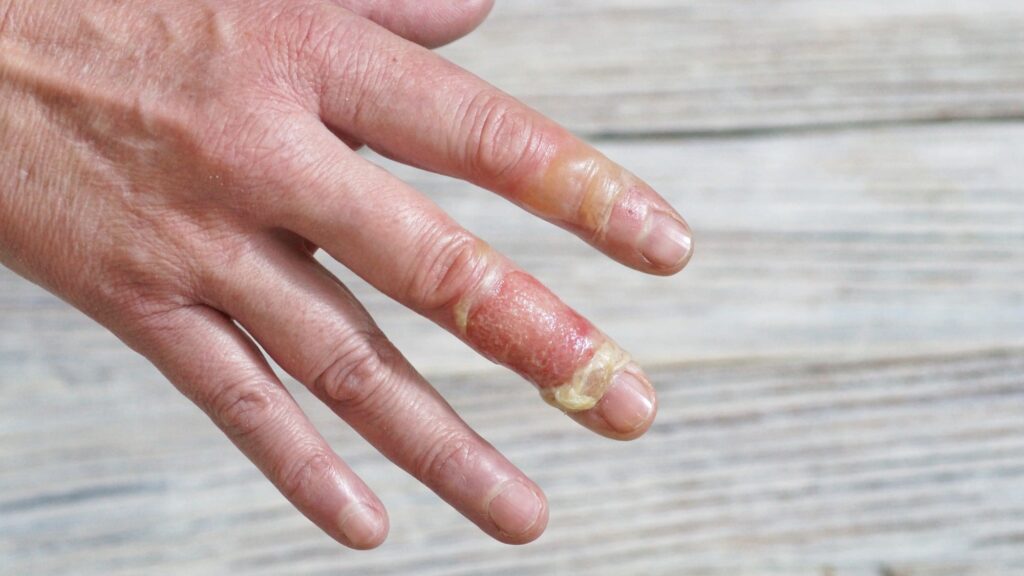
Once the area has been cooled, you must treat the skin as a protected environment. For a minor burn (first-degree), apply a thin layer of an over-the-counter antibiotic ointment or petroleum-based product to keep the skin hydrated and prevent it from sticking to clothing or tools. Protecting the surface of the skin is analogous to maintaining the hardware of your devices; if the outer layer is compromised, the sensitive internal functions are at risk. A simple, sterile, non-stick bandage should be applied to shield the area from friction while you work.
Long-Term Optimization: Healing for High-Performance Productivity
Recovery is not just about the absence of pain; it is about restoring full functionality. If your fingers are your primary tools for earning income, you cannot afford to have them sidelined by improper aftercare. The healing phase is where many professionals make mistakes that lead to scarring or lingering sensitivity.
Sustaining Tissue Elasticity
As the burn heals, the skin will naturally tighten. If the injury is near a joint or on the pad of the finger, this tightness can impede your typing speed and precision. To maintain your digital dexterity, keep the area moisturized with fragrance-free, hypoallergenic creams. Hydration keeps the skin supple, ensuring that as you type, swipe, or operate specialized equipment, the skin does not crack or reopen.
Consider this a form of “preventative maintenance.” Just as you would update software to ensure smooth system operation, you must keep your skin hydrated to ensure fluid movement. If you feel the skin becoming dry or taut, apply a barrier repair cream. This is particularly important for those whose work requires high-frequency mechanical input, such as professional gamers or developers who spend twelve hours a day on a mechanical keyboard.
Monitoring for Functional Interference
While most minor burns heal within a week, you must remain vigilant for signs of infection. If the burn site becomes increasingly red, swollen, or develops a foul odor, it is time to pivot your strategy and seek professional medical guidance. In the professional world, we understand the value of delegating tasks; if a health issue exceeds your personal capacity to resolve, treating it with the same urgency as a critical software bug is the most logical financial and professional decision.
Workplace Ergonomics and Burn Prevention
For the professional who relies on manual output, preventing future burns is the ultimate strategy for maximizing long-term earnings. Your workspace environment—whether an office, a home setup, or a creative studio—should be audited for potential hazards that could compromise your tools.
Identifying Hidden Environmental Risks
Common causes of finger burns in the modern office environment are often overlooked. High-powered desk lamps, malfunctioning power adapters, and the peripheral heat generated by high-performance workstations can reach temperatures sufficient to cause minor burns during long work sessions.
Conduct an audit of your hardware. Are your power bricks positioned in a way that they could make contact with your skin during routine cable management? Are your desk lamps positioned far enough from your primary workspace to prevent accidental contact? Minimizing these environmental risks is a fundamental aspect of digital workspace optimization.
Integrating Protective Habits
Prevention is the highest form of professional self-care. If your workflow involves handling electronics, lighting, or tools that generate heat, integrate protective habits into your routine. Use stands for hot equipment to ensure you are never handling high-temperature components directly. If you frequently move between different physical environments, be aware that unfamiliar hardware setups may pose risks that your own optimized station does not.
Furthermore, consider the “cost of interruption.” If a burn costs you four hours of billable work, the value of that time should be factored into your decision-making regarding workplace safety. Investing in high-quality cable management, temperature-regulated equipment, and ergonomic workspace layouts is not just about comfort; it is a financial investment in your ability to keep working at peak capacity.
The Intersection of Health and Professional Longevity
Your physical health is the foundational layer upon which your financial and professional success is built. When we discuss “what helps burns on fingers,” we are discussing the maintenance of the physical assets that allow us to participate in the digital economy.
Maintaining Output Consistency
Consistency is the primary driver of wealth creation. Every hour you spend compensating for a physical injury is an hour that could have been spent on strategic growth, content production, or business development. By implementing a standardized response to minor injuries, you reduce the duration of the impact and protect your output consistency.
Keep a basic “performance recovery kit” at your workstation. This kit should include high-quality, non-stick bandages, gentle, fragrance-free moisturizers, and antiseptic solutions. By having these tools ready, you eliminate the time-wasting search for supplies in the middle of a workday. This is the definition of professional preparedness.
The ROI of Physical Asset Protection
Treating your hands with the same level of concern that you treat your computer, software, and financial accounts is essential. A burn is a temporary hardware failure. If handled with the right protocol, it is a minor blip in your professional trajectory. If handled poorly, it can become a lingering issue that reduces your accuracy, lowers your morale, and impacts your professional performance over the long term.
As you navigate your career, remember that the most successful professionals are those who minimize the risks to their own physical capabilities. Whether you are typing code, signing contracts, or creating art, your fingers are the bridge between your expertise and your professional rewards. Protect that bridge, prioritize rapid recovery, and maintain the health of your hands as if your career depends on it—because, in the digital economy, it truly does.
aViewFromTheCave is a participant in the Amazon Services LLC Associates Program, an affiliate advertising program designed to provide a means for sites to earn advertising fees by advertising and linking to Amazon.com. Amazon, the Amazon logo, AmazonSupply, and the AmazonSupply logo are trademarks of Amazon.com, Inc. or its affiliates. As an Amazon Associate we earn affiliate commissions from qualifying purchases.