
Diabetic Ketoacidosis (DKA) represents one of the most critical and complex medical emergencies associated with diabetes mellitus. While the term is frequently cited in clinical settings, understanding the underlying physiological cascade—specifically how the body’s metabolic state shifts from homeostasis to a life-threatening crisis—is essential for recognizing the gravity of the condition. At its core, DKA is a metabolic failure caused by a profound lack of insulin, which forces the body to abandon glucose as a primary fuel source, leading to the rapid accumulation of ketone bodies and systemic acidosis.
The Metabolic Breakdown: Why DKA Occurs
The human body relies on insulin to facilitate the transport of glucose into cells, where it is utilized for energy. When insulin is absent or ineffective—most commonly in Type 1 diabetes, though possible in Type 2—the cells effectively begin to starve despite a high concentration of glucose circulating in the bloodstream. This physiological paradox initiates a series of compensatory, yet destructive, metabolic pathways.
The Shift to Lipolysis
In the absence of intracellular glucose, the body assumes it is in a state of starvation. It responds by triggering lipolysis, the rapid breakdown of stored adipose tissue. This process releases free fatty acids into the bloodstream, which are transported to the liver to be converted into energy. However, the liver cannot process these fats into usable fuel through standard aerobic pathways when insulin signaling is absent. Instead, it converts these fatty acids into ketone bodies: acetoacetate, beta-hydroxybutyrate, and acetone.
Hyperglycemia and Osmotic Diuresis
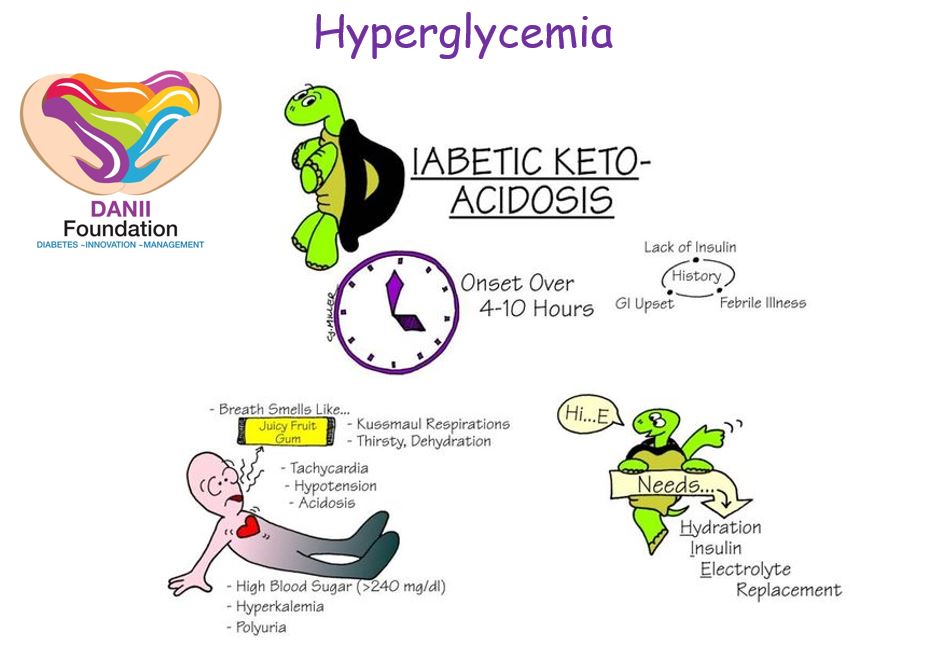
Concurrently, the body attempts to resolve the perceived lack of fuel by further increasing blood sugar levels. Hormones such as glucagon, cortisol, and catecholamines surge, signaling the liver to dump stored glycogen into the blood. Because insulin is missing, this sugar remains trapped in the vasculature. As blood glucose levels climb—often exceeding 250 mg/dL—the kidneys attempt to filter the excess sugar through urine. This process, known as osmotic diuresis, drags vast amounts of water and essential electrolytes (such as potassium, sodium, and magnesium) along with it, leading to severe clinical dehydration and a total-body electrolyte deficit.
The Physiological Cascade of Acidosis
As the liver continues to churn out ketone bodies, the concentration of these acidic substances in the blood rises sharply. Ketones are acidic, and as they accumulate, they overwhelm the body’s natural buffering systems, specifically the bicarbonate buffer system. This leads to a drop in blood pH, creating the state known as metabolic acidosis.
The Respiratory Compensation
The body attempts to counteract this plummeting pH through the respiratory system. Carbon dioxide is an acidic byproduct of metabolism, and the body seeks to expel it rapidly to lower systemic acidity. This manifests as Kussmaul breathing—a hallmark sign of DKA characterized by deep, rapid, and labored respirations. It is the body’s desperate, involuntary effort to “blow off” acid to restore chemical balance.
Cellular Malfunction and Electrolyte Shifts
The drop in pH has catastrophic effects on cellular function. Hydrogen ions begin to displace potassium from within the cells into the extracellular space. Initially, a patient might have a falsely elevated or normal serum potassium level, despite having a massive, life-threatening depletion of total body potassium. As medical intervention begins and insulin is administered, this potassium is forced back into the cells, which can trigger dangerous arrhythmias if not carefully monitored and replaced.

Clinical Manifestations and Progression
The symptoms of DKA are a direct reflection of the metabolic storm occurring within. Recognizing the progression from early warning signs to systemic collapse is the primary defense against mortality.
Early Symptoms and Behavioral Changes
The initial stages of DKA are often characterized by the symptoms of extreme hyperglycemia and dehydration: polyuria (excessive urination), polydipsia (extreme thirst), and generalized fatigue. Patients may experience abdominal pain, which can be severe enough to mimic acute surgical conditions. This abdominal distress is thought to be related to delayed gastric emptying and the systemic effects of acidosis.
The Progression to Coma
If left uncorrected, the systemic acidosis and severe dehydration lead to central nervous system depression. Patients may progress from lethargy to confusion, and eventually, to a state of unresponsiveness. The presence of acetone, a volatile ketone, often produces a “fruity” or “sweet” odor on the patient’s breath—a classic clinical sign that the metabolic breakdown is advanced. The combination of hypovolemia (low blood volume) and severe acidosis leads to cardiovascular collapse, manifesting as hypotension and tachycardia.
Modern Management Strategies and Recovery
The treatment of DKA is a precise, multi-faceted approach that requires aggressive intervention to reverse the underlying metabolic abnormalities. Recovery is not merely about lowering blood sugar; it is about restoring fluid balance and halting the production of ketones.
Fluid Resuscitation
The first priority in the management of DKA is fluid resuscitation. Because the patient is often depleted of several liters of fluid, the primary goal is to restore intravascular volume, stabilize blood pressure, and improve renal perfusion. Isotonic saline is the standard starting point, helping to dilute circulating glucose and flush it through the kidneys once the patient is hemodynamically stable.
Insulin Therapy and Potassium Replacement
Insulin therapy is the definitive treatment for DKA, as it halts the production of ketone bodies and facilitates glucose utilization. However, insulin is administered with extreme caution. Before any insulin is given, the patient’s potassium levels must be confirmed as safe. Administering insulin to a patient with hypokalemia can trigger fatal heart rhythms. Therefore, the “insulin drip” is always paired with electrolyte replacement protocols, ensuring that as the cells take up sugar, they are also replenished with the electrolytes necessary for muscle and nerve function.
Addressing the Root Cause
DKA is almost always precipitated by an underlying trigger, such as an infection (e.g., pneumonia or urinary tract infection), a major health event like a myocardial infarction, or, most commonly, the omission of insulin doses. Part of the management involves identifying and treating the precipitating factor. In cases where insulin was missed due to equipment failure (such as an insulin pump malfunction) or illness, education and adjustment of the patient’s management plan are critical to preventing recurrence.

The Path to Resolution
Resolution of DKA is defined by the normalization of the anion gap—a laboratory calculation used to determine the level of metabolic acidosis—and the clearing of ketones from the blood. Once the pH is stabilized and the patient can tolerate oral intake, the transition from intravenous insulin to subcutaneous therapy begins. This transition marks the end of the acute crisis, but the road to recovery involves careful oversight to ensure that the patient understands the importance of consistent insulin delivery.
DKA remains a potent reminder of the body’s absolute dependence on insulin for homeostatic regulation. By understanding the mechanical failures that lead to this state—the shift to lipolysis, the resulting acid accumulation, and the profound dehydration—medical professionals and patients alike can prioritize the preventative measures necessary to keep metabolic health intact. Through vigilant blood glucose monitoring, proactive illness management, and immediate clinical intervention when symptoms arise, the life-threatening trajectory of DKA can be intercepted, turning a potential tragedy into a manageable medical event.
aViewFromTheCave is a participant in the Amazon Services LLC Associates Program, an affiliate advertising program designed to provide a means for sites to earn advertising fees by advertising and linking to Amazon.com. Amazon, the Amazon logo, AmazonSupply, and the AmazonSupply logo are trademarks of Amazon.com, Inc. or its affiliates. As an Amazon Associate we earn affiliate commissions from qualifying purchases.