
The geopolitical landscape of the Middle East is currently a primary focal point for global financial analysts, investors, and central banks. While headlines often focus on the human and political dimensions of the situation in Israel, the economic ripples are felt in markets ranging from Tel Aviv to New York. Understanding the financial trajectory of the Israeli market today requires a deep dive into currency volatility, defense sector performance, and the long-term impact on foreign direct investment (FDI).
Market Volatility and the Israeli Shekel (ILS)
The most immediate indicator of instability in any national economy is the performance of its currency. In the wake of current events, the Israeli Shekel (ILS) has experienced predictable volatility, prompting the Bank of Israel to deploy robust intervention strategies to maintain stability.

Currency Hedging and Liquidity
For international investors holding assets in Israel, the primary concern remains exchange rate risk. The Bank of Israel’s decision to sell up to $30 billion in foreign currency—the first such intervention in history—was a calculated move to provide liquidity and dampen panic. For those managing portfolios with exposure to the Israeli market, this serves as a case study in why currency hedging is non-negotiable. Institutional investors are currently recalibrating their positions, favoring companies with USD-denominated revenue streams to buffer against local currency fluctuations.
Central Bank Policy and Interest Rates
The monetary policy of the Bank of Israel is currently in a “wait and see” mode. While global trends suggest a potential plateau in interest rates, the domestic pressure to support the economy while controlling inflation creates a complex environment. Investors are watching the central bank’s next steps closely, as any deviation from expected rate paths will directly impact the cost of borrowing for Israeli tech startups and infrastructure projects.
The Resilience of the Defense and Cybersecurity Sectors
While many sectors face significant headwinds, the defense and cybersecurity industries in Israel remain the cornerstone of the economy’s resilience. These sectors have historically been the engine of Israel’s GDP growth, and current events have only accelerated the demand for domestic technological solutions.
The Cybersecurity Surge
Israel has long been known as the “Startup Nation,” with a concentration of cybersecurity firms that rival Silicon Valley. Today, the focus has shifted toward hyper-defensive technologies. For venture capital firms, the current climate has turned a spotlight on companies specializing in critical infrastructure protection, encrypted communication, and threat intelligence. These firms are not merely experiencing a surge in domestic government contracts; they are finding that global demand for their specific expertise has increased as nations worldwide seek to fortify their own digital perimeters.
Defense Exports and Global Partnerships
The defense industry is seeing a consolidation of supply chains. With international partners looking to integrate Israeli-made technology into their own defense apparatus, Israeli defense contractors are seeing an uptick in export value. For the savvy investor, this represents a unique opportunity to evaluate the long-term potential of defense-tech stocks, which are increasingly becoming the “blue chip” investments of the Israeli stock exchange.

Foreign Direct Investment and Tech Sector Outlook
The Israeli technology sector, which accounts for approximately 18% of the country’s GDP, is currently navigating a period of uncertainty regarding foreign capital inflows. The narrative surrounding “what happened today” in terms of economic data is largely focused on whether the venture capital momentum that defined the last decade will endure.
Venture Capital Sentiment
Despite the geopolitical situation, the underlying talent density in Israel remains high. Many venture capital firms maintain that their investments are long-term plays. The strategy has shifted from rapid, hyper-growth scaling to a focus on sustainable unit economics and operational efficiency. For investors in the technology niche, the focus is now on startups that have achieved “product-market fit” and have sufficient runway to weather the current volatility without needing immediate follow-on funding rounds.
The “Safe Haven” Tech Assets
Certain sub-sectors, such as MedTech and AgriTech, continue to attract interest. Because these industries address essential human needs, they are viewed as more defensive in nature compared to consumer-facing applications. Investors are increasingly diversifying away from pure-play software-as-a-service (SaaS) models toward deep-tech hardware and biotech companies that hold proprietary intellectual property. This shift represents a broader trend in the tech industry: a movement toward tangible assets and defensible innovation.
Long-term Financial Planning Amidst Regional Uncertainty
For the individual investor or the corporate entity with exposure to Israeli markets, the prevailing strategy is centered on risk management and asset diversification. The events unfolding today in Israel are a reminder of the importance of geographical diversification within a portfolio.
Stress Testing Portfolios
Financial analysts suggest that now is the time to perform rigorous stress tests on any portfolio with exposure to Middle Eastern assets. This includes evaluating the debt-to-equity ratios of local companies and analyzing the geographical distribution of their customer base. Companies that rely exclusively on the domestic market are currently higher risk than those that have successfully pivoted to international markets like the US or Europe.
The Opportunity in Valuation Gaps
Historical data from previous periods of instability in the region suggests that significant market corrections are often followed by strong recovery phases. For long-term value investors, the current dip in the Tel Aviv Stock Exchange (TASE) may offer entry points into undervalued companies with strong balance sheets. The key, as always, is to separate the geopolitical narrative from the financial reality of the business. If a company’s fundamental business model remains intact, current market volatility may simply be a temporary valuation gap rather than a permanent loss of value.
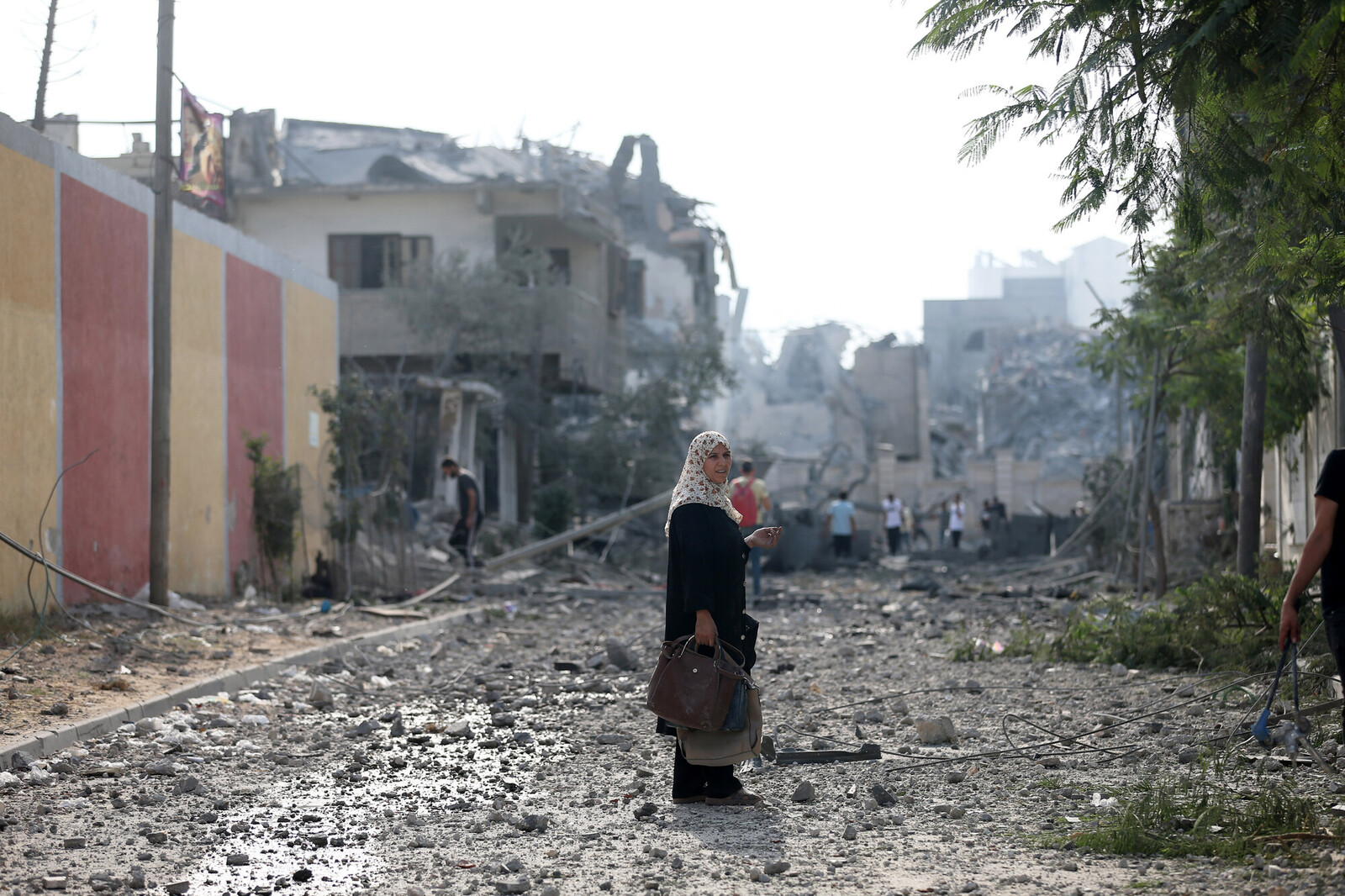
Regulatory and Macroeconomic Indicators
Looking ahead, the recovery of the Israeli economy will be tied closely to the restoration of consumer confidence and the normalization of trade routes. Monitoring the government’s fiscal deficit will be crucial. Expansionary fiscal policies designed to stimulate the economy may lead to higher national debt, which in turn could influence bond yields. Investors are advised to track the credit rating outlook from agencies like Moody’s and S&P, as these will be the ultimate indicators of international confidence in the Israeli financial system.
In summary, while the headlines from Israel focus on immediate events, the financial picture is one of adaptation and resilience. The Israeli economy, characterized by its agility and high-tech orientation, is recalibrating to handle the current stresses. For those in the financial sector, the lesson is clear: volatility is a constant in the global economy, and the best path forward is a disciplined, data-driven approach that prioritizes long-term fundamentals over short-term news cycles. By focusing on sectors with high defensibility and maintaining a balanced view of geopolitical risk, investors can navigate this environment with precision and strategic foresight.
aViewFromTheCave is a participant in the Amazon Services LLC Associates Program, an affiliate advertising program designed to provide a means for sites to earn advertising fees by advertising and linking to Amazon.com. Amazon, the Amazon logo, AmazonSupply, and the AmazonSupply logo are trademarks of Amazon.com, Inc. or its affiliates. As an Amazon Associate we earn affiliate commissions from qualifying purchases.