
In the world of global finance and retail investing, few three-letter acronyms carry as much weight, controversy, and historical significance as AMC. While the literal answer to “what does AMC stand for” is American Multi-Cinema, the name has evolved far beyond its origins as a Kansas City theater chain. Today, AMC Entertainment Holdings, Inc. represents a pivotal case study in market psychology, corporate restructuring, and the shifting power dynamics of Wall Street.
To understand what AMC stands for in a modern financial context, one must look past the movie screens and delve into the company’s balance sheets, its role in the “meme stock” revolution, and its strategic maneuvers to survive an era of unprecedented economic volatility.
The Financial Genesis: From American Multi-Cinema to a Market Titan
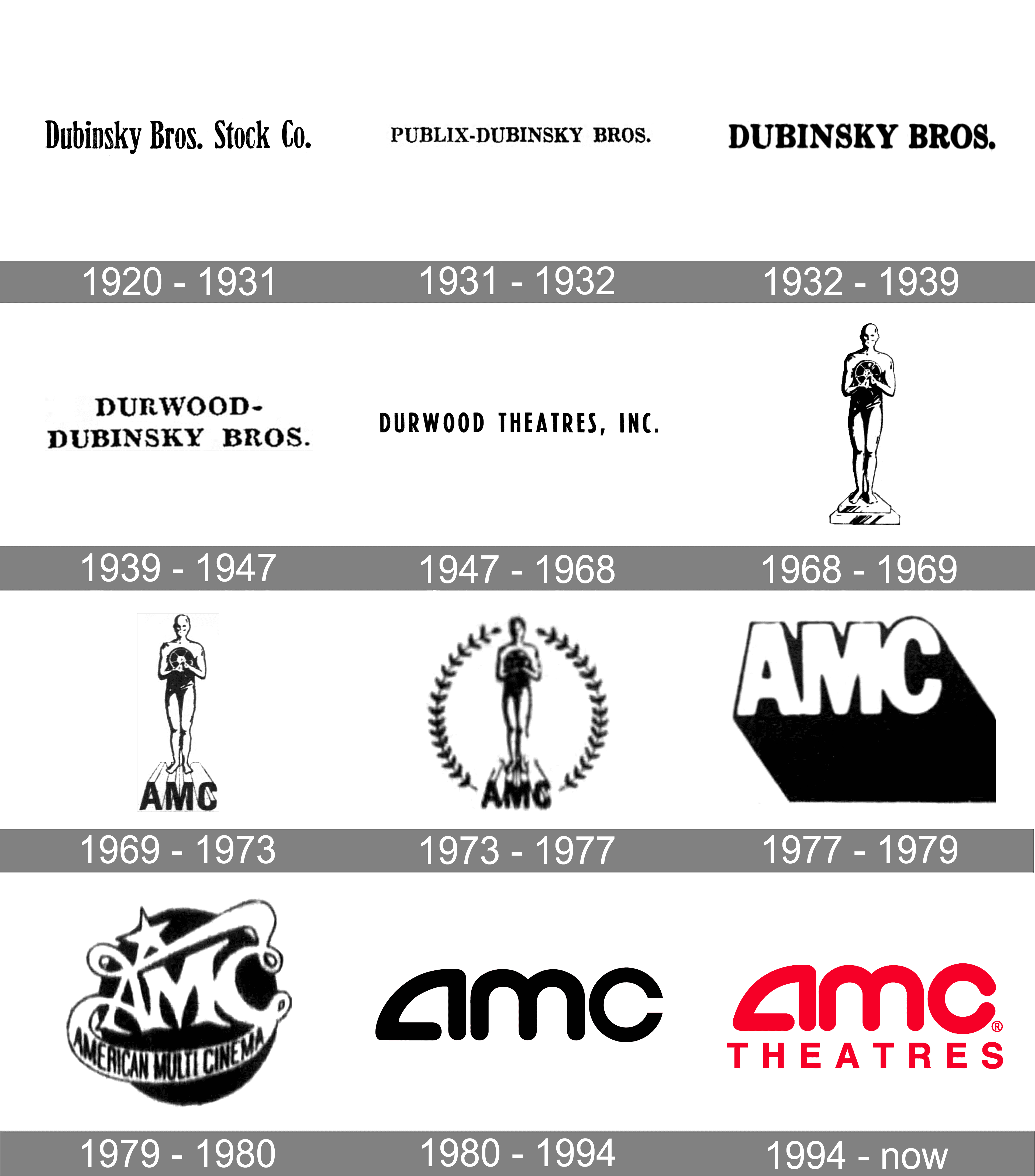
The history of AMC is a narrative of aggressive expansion and financial evolution. Founded in 1920 by the Dubinsky brothers, the company was originally known as Durwood Theatres. It wasn’t until 1968 that the company rebranded to American Multi-Cinema (AMC), reflecting a shift toward the “multiplex” concept—a revolutionary business model that allowed for multiple screens under one roof, maximizing revenue per square foot.
The Evolution of the Business Model
From a financial perspective, AMC’s growth was fueled by massive capital expenditures. Throughout the 1990s and 2000s, the company leveraged debt to acquire competitors like Loews Cineplex Entertainment and Odeon Cinemas. These acquisitions transformed AMC from a domestic player into the largest movie theater chain in the world. By the time it went public on the New York Stock Exchange under the ticker symbol “AMC,” the brand was no longer just a theater chain; it was a global entertainment conglomerate with a complex capital structure.
Corporate Ownership and Institutional Investment
Before it became a retail investor favorite, AMC was a target for large-scale institutional moves. In 2012, the Chinese conglomerate Dalian Wanda Group acquired AMC for $2.6 billion, a move that signaled the globalization of the theatrical exhibition industry. This era of AMC’s history was defined by traditional corporate finance: debt-heavy expansion, institutional oversight, and a focus on premium offerings like IMAX and luxury seating to drive higher margins.
AMC as a Financial Phenomenon: The Rise of the Meme Stock
For many modern investors, AMC stands for the “Great Retail Rebellion” of 2021. The COVID-19 pandemic had pushed the company to the brink of bankruptcy, with theaters closed and revenue dried up. However, what followed was a historic decoupling of stock price from fundamental value, driven by a decentralized movement of retail traders.
Decoding the “Ape” Movement and Retail Sentiment
In early 2021, participants in online forums like Reddit’s r/WallStreetBets identified AMC as a heavily shorted stock. To these retail investors, who dubbed themselves “Apes,” AMC became more than a company; it was a symbol of resistance against institutional short-sellers. The acronym AMC began to stand for a collective financial force capable of triggering a “gamma squeeze.” This sentiment-driven investing model ignored traditional metrics like Price-to-Earnings (P/E) ratios, focusing instead on liquidity, short interest, and community solidarity.
The Role of Short Squeezes and Market Volatility
The financial mechanics of the AMC surge were a masterclass in market technicals. As retail buyers flooded the market, the stock price skyrocketed from roughly $2 per share to an intra-day high of $72 (pre-split adjusted). This forced institutional short-sellers to buy back shares to cover their positions, further driving the price upward. For the financial world, AMC became the primary example of how social media could influence market capitalization, forcing hedge funds to rethink their risk management strategies regarding short positions.
Strategic Financial Maneuvering and Debt Management
While the stock market volatility captured headlines, the real story for long-term financial analysts was how AMC’s management team, led by CEO Adam Aron, utilized this “meme” status to stabilize the company’s precarious financial position.
Equity Dilution and Capital Raising
In a move that divided many investors, AMC took advantage of its elevated stock price to issue millions of new shares. In the world of finance, equity dilution is often seen as a negative for existing shareholders. However, for AMC, it was a lifeline. By selling shares at inflated prices, the company raised billions of dollars in cash. This “war chest” allowed the company to stave off bankruptcy, pay down high-interest debt, and fund much-needed theater renovations.
Restructuring the Balance Sheet for Longevity
Beyond simply raising cash, AMC engaged in complex financial engineering. This included the creation of “APE” units (AMC Preferred Equity), a controversial move designed to bypass share-count limits and raise further capital. While these maneuvers were criticized for their complexity, they successfully shifted the company’s maturity profile. By pushing back debt deadlines and converting debt to equity, AMC transitioned from a company in “imminent default” to one with the “liquidity to compete,” a critical distinction for any distressed asset.
The Future of AMC: Investing in a Post-Pandemic Economy
Today, AMC stands as a bellwether for the broader recovery of the “out-of-home” entertainment sector. The question for investors has shifted from “will it survive?” to “how will it grow?”
Diversification and Alternative Revenue Streams
Recognizing that the traditional box office is subject to the whims of Hollywood production schedules, AMC has begun diversifying its income. This includes:
- Retail Popcorn: Entering the multi-billion dollar snack food market by selling AMC-branded popcorn in grocery stores.
- Alternative Content: Distributing concert films, most notably the record-breaking Taylor Swift: The Eras Tour and Beyoncé’s Renaissance World Tour. These deals were financially significant because AMC acted as the distributor, bypassing traditional studios and taking a larger cut of the gross revenue.
- Precious Metals: In a move that baffled traditional analysts, AMC purchased a significant stake in Hycroft Mining, a gold and silver mining company. This move was framed as an investment in a distressed asset using the same “retail-backed” playbook that saved AMC.
Analyzing Market Fundamentals vs. Speculative Value
For the modern investor, AMC remains a polarizing asset. On one hand, the company still carries a significant debt load and faces competition from streaming services. On the other hand, it possesses an incredibly loyal retail shareholder base and a management team that has proven adept at navigating financial crises.
What AMC “stands for” in a financial portfolio today is a high-beta play on consumer discretionary spending. It is a stock that often moves independently of the S&P 500, driven as much by box office “tentpole” releases as by the prevailing sentiment in retail trading circles.

Conclusion: The Multi-Faceted Identity of AMC
So, what does AMC stand for?
Literally, it remains American Multi-Cinema. But in the context of 21st-century finance, AMC stands for the democratization of the stock market. It stands for a corporate turnaround fueled by unconventional means. It stands for the resilience of the cinematic experience in an age of digital saturation.
For the personal financier, it serves as a reminder that the value of a brand is not just found in its assets, but in its ability to capture the public imagination and leverage that attention into capital. Whether one views AMC as a speculative bubble or a brilliant financial recovery story, its impact on the mechanics of the stock market is undeniable. AMC has redefined what it means to be a public company, proving that in the modern era, a brand’s greatest asset might just be the community that stands behind its ticker symbol.
aViewFromTheCave is a participant in the Amazon Services LLC Associates Program, an affiliate advertising program designed to provide a means for sites to earn advertising fees by advertising and linking to Amazon.com. Amazon, the Amazon logo, AmazonSupply, and the AmazonSupply logo are trademarks of Amazon.com, Inc. or its affiliates. As an Amazon Associate we earn affiliate commissions from qualifying purchases.