
Bitcoin mining is the backbone of the decentralized financial revolution, serving as the technical process by which new bitcoins are entered into circulation and the network is secured. At its core, mining is a high-stakes computational race that requires a deep understanding of hardware architecture, network protocols, and thermal dynamics. Unlike the early days of the industry when a standard home computer could participate, modern mining has evolved into a sophisticated technological endeavor dominated by purpose-built machines and optimized software stacks.
To understand how to bitcoin mine effectively in the current landscape, one must view the process through a strictly technical lens, focusing on the synergy between specialized hardware, specialized operating systems, and the underlying Proof-of-Work (PoW) algorithm.

Understanding the Infrastructure: Hardware and the Evolution of ASICs
The journey into bitcoin mining begins with the hardware. The evolution of mining technology has moved through several distinct phases: from Central Processing Units (CPUs) to Graphics Processing Units (GPUs), then to Field Programmable Gate Arrays (FPGAs), and finally to the current gold standard: Application-Specific Integrated Circuits (ASICs).
The Dominance of SHA-256 ASICs
Bitcoin utilizes the SHA-256 (Secure Hash Algorithm 256-bit) hashing function. ASICs are chips designed solely to perform this specific calculation at incredible speeds with minimal energy consumption. When selecting hardware, technical specifications are paramount. A miner is no longer a general-purpose computer; it is a dedicated hashing machine. Modern units, such as those produced by Bitmain (Antminer series) or MicroBT (Whatsminer series), contain hundreds of individual ASIC chips working in parallel. These machines are rated by their “Hash Rate”—the number of hashes they can perform per second—usually measured in Terahashes (TH/s).
Key Metrics: Hash Rate and Power Efficiency
In the technical evaluation of mining gear, hash rate is only one side of the coin. The more critical metric for a technical operator is efficiency, measured in Joules per Terahash (J/TH). As the Bitcoin network difficulty adjusts every 2,016 blocks, hardware that cannot perform hashes efficiently becomes obsolete. Technical optimization involves finding the “sweet spot” where the hardware provides the highest possible hash output for the lowest possible electrical draw. This often involves under-volting the chips or using custom firmware to fine-tune the clock speeds of the hashing boards.
Configuring the Software Layer: Nodes, Pools, and Mining Clients
Once the hardware is secured, the next technical hurdle is the software stack. This layer acts as the bridge between the physical hashing power of the ASIC and the global Bitcoin blockchain.
Choosing the Right Mining OS and Firmware
Most ASIC miners come with factory-installed firmware, but advanced technical users often opt for third-party Mining Operating Systems (OS) like BraiinsOS+ or HiveOS. These operating systems provide a much higher degree of control over the hardware. Through these interfaces, a miner can monitor the health of individual chips, adjust fan speeds based on real-time temperature sensors, and implement “Autotuning.” Autotuning is a technical process where the software evaluates the unique silicon quality of each chip in the miner and adjusts the frequency and voltage to maximize performance. This level of granular control is essential for maintaining hardware longevity and network stability.
Connectivity: Stratum Protocol and Pool Integration
A miner does not work in isolation. To receive work from the network and submit “shares” (valid proofs of work), the hardware uses the Stratum protocol. This is a specialized communication protocol designed to reduce the bandwidth required for mining operations.
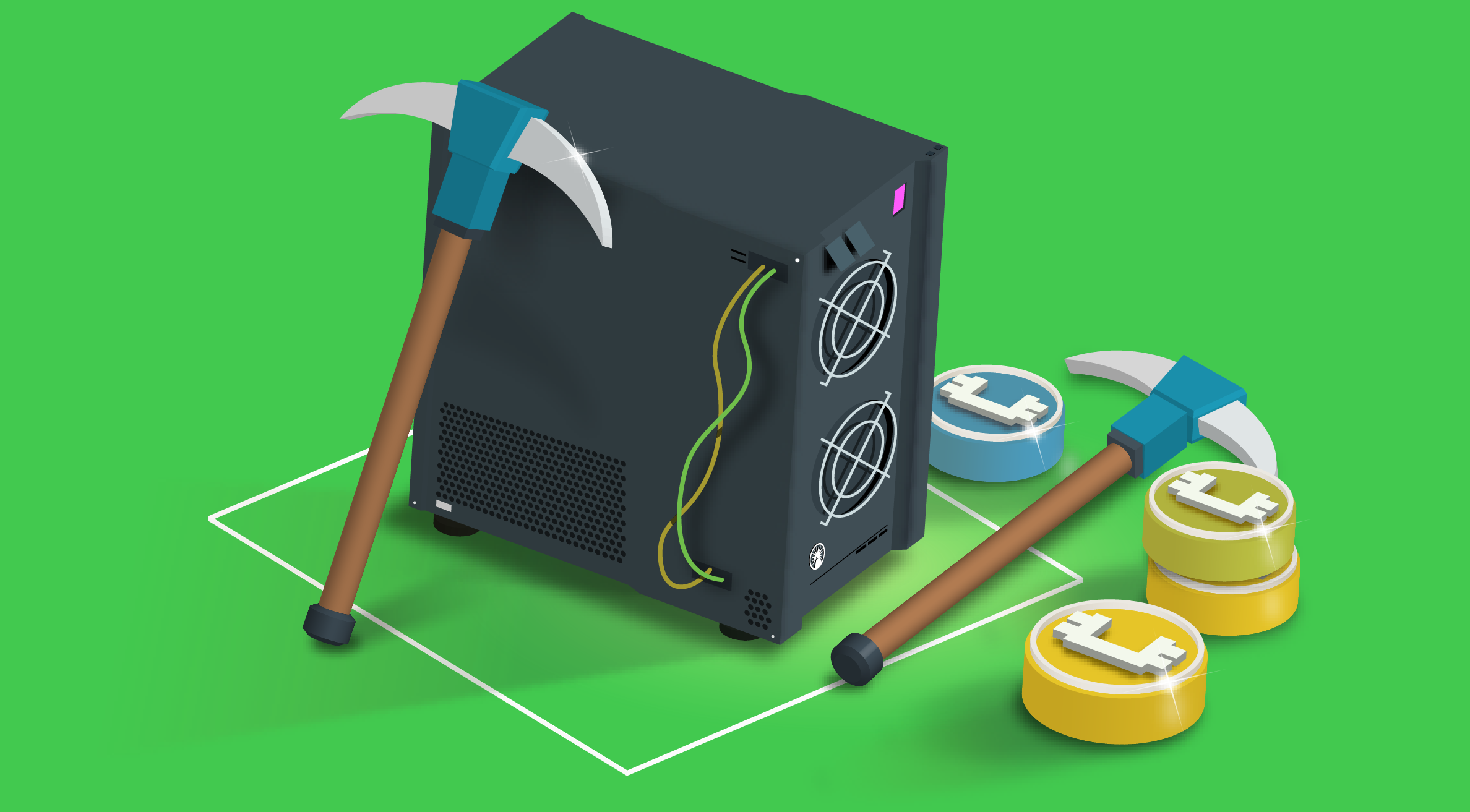
When configuring the software, the operator must point the miner to a mining pool. A mining pool is a server that coordinates the work of thousands of individual machines. Technically, the pool acts as a proxy, aggregating the hash power of many participants to increase the frequency of finding a block. The configuration requires setting up a “Worker ID” and connecting to a specific URL and port via the Stratum protocol. This setup ensures that the work performed by the hardware is correctly attributed and recorded on the pool’s ledger.
Optimizing the Mining Environment: Cooling and Power Management
Bitcoin mining is an energy-intensive process that converts electricity into heat and hashes. Managing the physical environment where the machines reside is a significant technical challenge that requires expertise in electrical engineering and thermodynamics.
Thermal Management and Heat Dissipation Techniques
Each ASIC miner generates a significant amount of heat—often enough to warm a small house. In a professional setup, managing this heat is critical to prevent “thermal throttling,” where the hardware slows down to protect itself from damage.
There are two primary methods for cooling:
- Air Cooling: This is the traditional method using high-RPM (revolutions per minute) fans to pull cold air across the heat sinks of the hash boards. It requires a sophisticated “Hot/Cold Aisle” containment system to ensure that the hot exhaust air is vented out and does not recirculate back into the intake.
- Immersion Cooling: A more advanced technical approach where the entire ASIC is submerged in a non-conductive, dielectric fluid. This fluid is circulated through a heat exchanger. Immersion cooling is significantly more efficient at removing heat than air, allowing for higher overclocking of the chips and extending the lifespan of the hardware by protecting it from dust and vibration.
Electrical Infrastructure and Firmware Tuning
A single high-end ASIC can draw upwards of 3,200 to 4,000 watts. Standard residential outlets (typically 110V or 120V in North America) are often insufficient for continuous load at this level. A technical mining setup requires 240V circuits and heavy-duty Power Distribution Units (PDUs) to handle the amperage. Furthermore, the power supply units (PSUs) on the miners must be high-efficiency (Gold or Platinum rated) to minimize power loss during the AC-to-DC conversion process. Technical operators use PDU monitoring software to track power consumption in real-time, ensuring the electrical load stays within the safe operating limits of the circuit breakers.
Network Security and Protocol Integrity in Mining
The final pillar of learning how to bitcoin mine is understanding the role of the miner in the broader network security and the technicalities of the Bitcoin protocol.
Securing the Mining Rig and Network
Because mining rigs are Internet-connected devices, they are susceptible to technical vulnerabilities. A robust setup involves placing the miners on a separate Virtual Local Area Network (VLAN) to isolate them from other devices. This prevents potential malware from spreading from a local computer to the mining hardware. Additionally, operators must disable insecure protocols like Telnet and ensure that the web interface of the miner is protected by strong authentication.
The Role of Solo Mining vs. Pool Mining in Decentralization
From a protocol perspective, a miner’s job is to collect a set of pending transactions (the memory pool or “mempool”), verify their digital signatures, and include them in a new block. The technical difficulty of this process is adjusted by the network every two weeks to ensure that a new block is found, on average, every ten minutes.
While pool mining is the standard for most operators to ensure a steady stream of data, some advanced users engage in “Solo Mining” by running their own Bitcoin Core node. This requires a much higher technical overhead, as the user must manage the entire blockchain database (over 500GB) and handle the block construction themselves. By running a full node, a miner contributes to the decentralization of the network, as they are not relying on a third-party pool to decide which transactions to include in a block.

Conclusion: The Technical Rigor of Modern Mining
Bitcoin mining is no longer a hobbyist’s pastime but a rigorous technical discipline. It requires a fusion of high-performance computing, advanced thermal management, and a deep understanding of cryptographic protocols. By mastering the hardware architecture of ASICs, the nuances of mining firmware, and the demands of high-voltage electrical infrastructure, an operator can successfully contribute to the security of the world’s most robust decentralized network. As the protocol continues to evolve—with developments like Stratum V2 aiming to give miners more control over block construction—the technical landscape of bitcoin mining will only become more sophisticated, demanding constant learning and adaptation from those who choose to power the blockchain.
aViewFromTheCave is a participant in the Amazon Services LLC Associates Program, an affiliate advertising program designed to provide a means for sites to earn advertising fees by advertising and linking to Amazon.com. Amazon, the Amazon logo, AmazonSupply, and the AmazonSupply logo are trademarks of Amazon.com, Inc. or its affiliates. As an Amazon Associate we earn affiliate commissions from qualifying purchases.