
To understand when Bitcoin was launched is to understand one of the most pivotal shifts in the history of modern finance. Bitcoin did not simply emerge as a piece of software; it arrived as a direct response to a global systemic failure within the traditional banking sector. In the wake of the 2008 financial crisis, an anonymous entity known as Satoshi Nakamoto introduced a decentralized alternative to fiat currency, forever changing the landscape of personal finance, investing, and global economics.
The Genesis of Decentralized Finance: 2008–2009
The chronological “launch” of Bitcoin is not a single date but a series of milestones that occurred between late 2008 and early 2009. This period marked the transition from theoretical cryptography to a functional financial system that operated without the need for a central intermediary.
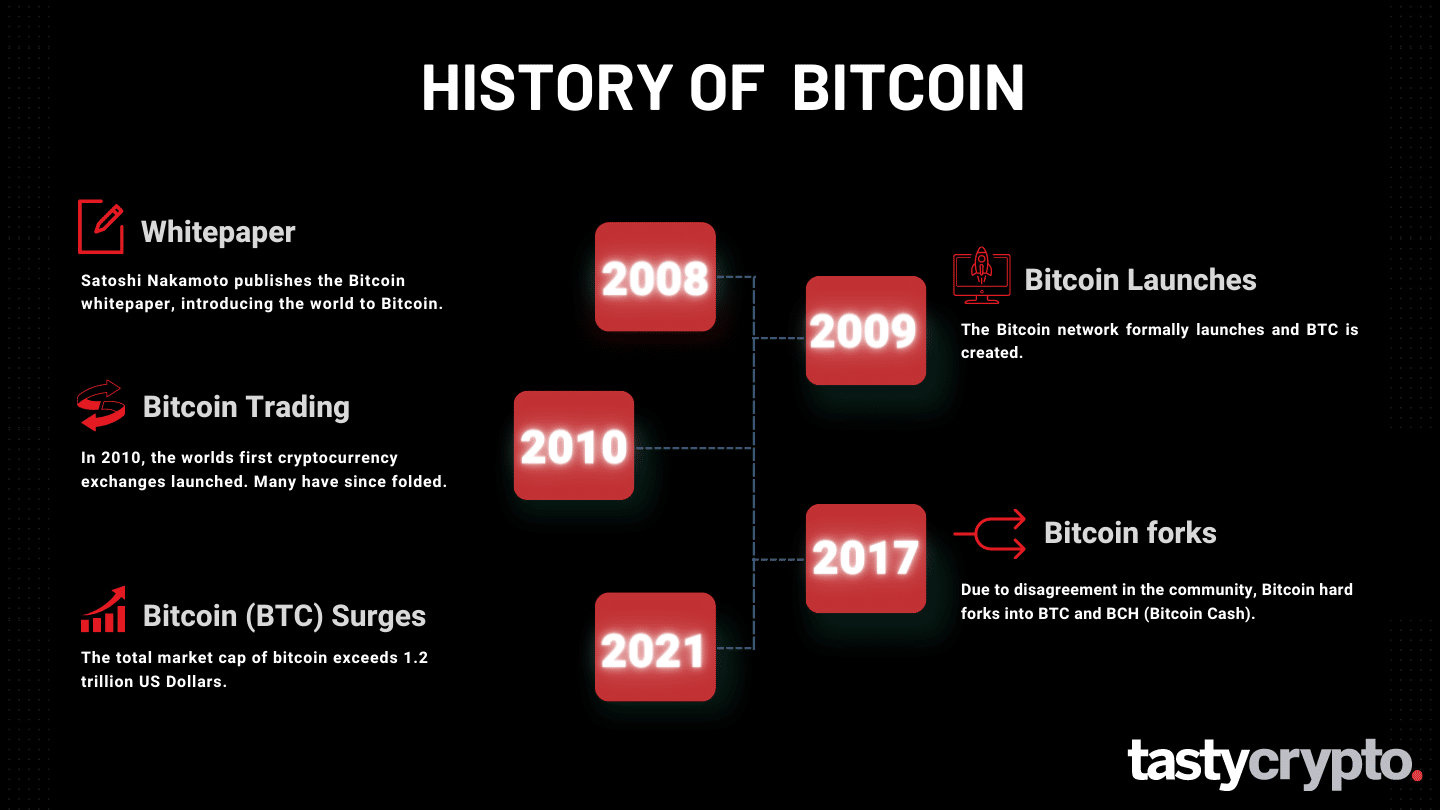
The Whitepaper: A Blueprint for a New Monetary Order
On October 31, 2008, a link to a paper titled Bitcoin: A Peer-to-Peer Electronic Cash System was posted to a cryptography mailing list. This document served as the foundational manifesto for what would become the world’s first cryptocurrency. From a financial perspective, the whitepaper was revolutionary. It proposed a solution to the “double-spending” problem—a hurdle that had prevented digital currencies from being viable in the past—without relying on a trusted third party like a bank or a government. For investors, this was the moment the conceptual framework for a trustless financial asset was born.
The 2008 Financial Crisis as a Catalyst
The timing of Bitcoin’s launch was not coincidental. In late 2008, the world was reeling from the collapse of major investment banks and a global recession that exposed the vulnerabilities of centralized financial institutions. Bitcoin was presented as the “antidote” to this instability. By removing the “middleman,” Nakamoto designed a system where individuals had total sovereignty over their wealth. This context is essential for any financial analysis of Bitcoin; it wasn’t just a tech project, but a protest against the quantitative easing and fractional reserve banking that many felt had failed the public.
The “Launch” Milestones: From Code to First Transaction
While the whitepaper set the stage, the actual launch of the Bitcoin network occurred in the first week of 2009. This was when the theoretical became the operational, and the first units of “digital gold” were minted.
January 3, 2009: The Genesis Block and the Times Headline
The Bitcoin network officially went live on January 3, 2009, with the mining of the “Genesis Block” (Block 0). This block is famous in the finance world for containing a specific message embedded in its coinbase parameter: “The Times 03/Jan/2009 Chancellor on brink of second bailout for banks.”
This wasn’t just a timestamp; it was a permanent record of Bitcoin’s purpose. By referencing a headline about bank bailouts, Nakamoto highlighted Bitcoin’s role as a hard-money alternative to inflationary fiat currencies. From this moment on, the Bitcoin ledger began recording transactions, marking the official birth of the decentralized economy.
The Hal Finney Connection: The First Transfer of Value
The launch reached a critical milestone on January 12, 2009, when the first Bitcoin transaction took place. Satoshi Nakamoto sent 10 BTC to Hal Finney, a renowned developer and cryptographic pioneer. This event proved that the network functioned as intended—value could be transferred across the globe instantly, securely, and without a bank’s permission. For the first time in history, a digital asset had moved from one private party to another, establishing the primary utility of Bitcoin as a medium of exchange.
Bitcoin’s Monetary Policy and Early Market Valuation

In the early days following its launch, Bitcoin had no market price. It was a tool used by enthusiasts and “cypherpunks.” However, the underlying economic principles built into its code would soon drive its value from zero to thousands of dollars.
The Fixed Supply: 21 Million and the Concept of Scarcity
Central to Bitcoin’s financial appeal is its programmed scarcity. Unlike fiat currencies, which can be printed at the discretion of central banks, Bitcoin’s supply is capped at 21 million units. This “hard cap” was established at launch and is enforced by the network’s protocol. This scarcity mimics the properties of precious metals, leading many financial analysts to label Bitcoin as “Digital Gold.” The predictable issuance schedule—controlled by a process called “halving”—ensures that Bitcoin is a deflationary asset, making it a highly attractive prospect for long-term wealth preservation.
The First Exchange Rates and the Infamous Pizza Day
Bitcoin did not have a dollar value until late 2009. One of the first recorded exchange rates was established by the “New Liberty Standard,” which set the price at 1,309 BTC to $1 USD. It wasn’t until May 22, 2010, that Bitcoin was used for a real-world commercial purchase. A programmer named Laszlo Hanyecz paid 10,000 BTC for two pizzas. At the time, those coins were worth about $41. Today, that transaction is celebrated as “Bitcoin Pizza Day,” representing the humble beginnings of what has become a multi-trillion-dollar asset class. This event was a turning point, proving that Bitcoin could be used as a currency for everyday goods.
From Niche Experiment to Institutional Asset Class
In the decade following its launch, Bitcoin transitioned from an obscure internet experiment into a cornerstone of modern investment portfolios. This evolution has been marked by the development of professional-grade financial infrastructure.
The Growth of Infrastructure: Exchanges and Wallets
The launch of the first Bitcoin exchanges, such as Mt. Gox (despite its eventual failure), allowed the public to buy and sell the asset with ease. This provided the liquidity necessary for Bitcoin to be treated as a serious investment. Over time, the emergence of regulated platforms like Coinbase and Kraken, alongside institutional-grade custody services from firms like Fidelity and BlackRock, has bridged the gap between the “wild west” of early crypto and the regulated world of Wall Street. This infrastructure has allowed retail investors and hedge funds alike to gain exposure to Bitcoin’s price action.
Bitcoin as a Hedge Against Inflation and Central Bank Policy
In recent years, the narrative surrounding Bitcoin has shifted from “electronic cash” to a “store of value.” Following the massive fiscal stimulus packages of 2020, institutional investors began viewing Bitcoin as a hedge against the devaluation of the US dollar. Publicly traded companies like MicroStrategy and Tesla made headlines by adding Bitcoin to their corporate balance sheets. This move signaled a massive vote of confidence in the monetary policy Nakamoto launched in 2009, positioning Bitcoin as a vital tool for treasury management and capital preservation in an era of high inflation.
The Legacy of Bitcoin’s Launch on Modern Finance
The launch of Bitcoin didn’t just create one new asset; it birthed an entire industry. The “Money” niche has been permanently altered by the introduction of blockchain technology and decentralized finance (DeFi).
The Rise of Altcoins and the DeFi Ecosystem
Bitcoin’s successful launch proved that decentralized ledgers worked. This paved the way for thousands of other cryptocurrencies and the development of “Smart Contracts” via platforms like Ethereum. Today, the financial world is exploring decentralized lending, borrowing, and insurance—all of which operate on the principles first established by the Bitcoin network in 2009. The “DeFi” movement seeks to replicate traditional financial services in a transparent, permissionless environment, expanding on Nakamoto’s original vision.

Looking Ahead: The Future of Bitcoin in Global Portfolios
As we look back on when Bitcoin was launched, it is clear that we are still in the early stages of its adoption. With the approval of Bitcoin Spot ETFs in the United States, the asset has officially entered the mainstream. It is now being integrated into 401(k) plans, retirement accounts, and sovereign wealth funds. Bitcoin’s journey from a niche cryptographic project to a global reserve asset is a testament to the power of its original design. For the modern investor, understanding the history of Bitcoin’s launch is not just a lesson in tech—it is a fundamental requirement for navigating the future of money.
In conclusion, the launch of Bitcoin was a multifaceted event that began with a whitepaper in 2008 and became a reality with the Genesis Block in 2009. Its impact on the world of money is profound, offering a decentralized, scarce, and transparent alternative to traditional finance. As the world continues to digitize, the “digital gold” launched by an anonymous creator continues to redefine what it means to hold, transfer, and grow wealth.
aViewFromTheCave is a participant in the Amazon Services LLC Associates Program, an affiliate advertising program designed to provide a means for sites to earn advertising fees by advertising and linking to Amazon.com. Amazon, the Amazon logo, AmazonSupply, and the AmazonSupply logo are trademarks of Amazon.com, Inc. or its affiliates. As an Amazon Associate we earn affiliate commissions from qualifying purchases.