
The question “how much are the bitcoins” is one of the most frequently searched queries in the financial world today. However, for the modern investor, the answer extends far beyond a single numerical value displayed on a digital ticker. Bitcoin represents a fundamental shift in how we perceive value, scarcity, and the transfer of wealth. To truly understand what Bitcoin is “worth,” one must delve into the mechanics of its market, the macroeconomic factors that drive its volatility, and the strategic approaches to including it in a diversified financial portfolio.

The Mechanics of Bitcoin’s Market Price
To understand the price of Bitcoin, one must first understand that it does not function like a traditional currency issued by a central bank. Its price is determined by a decentralized global market that operates 24 hours a day, 365 days a year.
Supply and Demand Dynamics
At its core, Bitcoin’s price is a pure reflection of supply and demand. Unlike fiat currencies (like the US Dollar or Euro), which central banks can print in unlimited quantities, Bitcoin has a hard cap of 21 million coins. This programmed scarcity is a primary driver of its value. When demand from institutional and retail investors increases, and the supply remains fixed (and increasingly illiquid as long-term holders “HODL”), the price naturally moves upward. Conversely, when sentiment turns negative or liquidity is needed in other asset classes, selling pressure drives the price down.
The Role of Exchanges and Liquidity
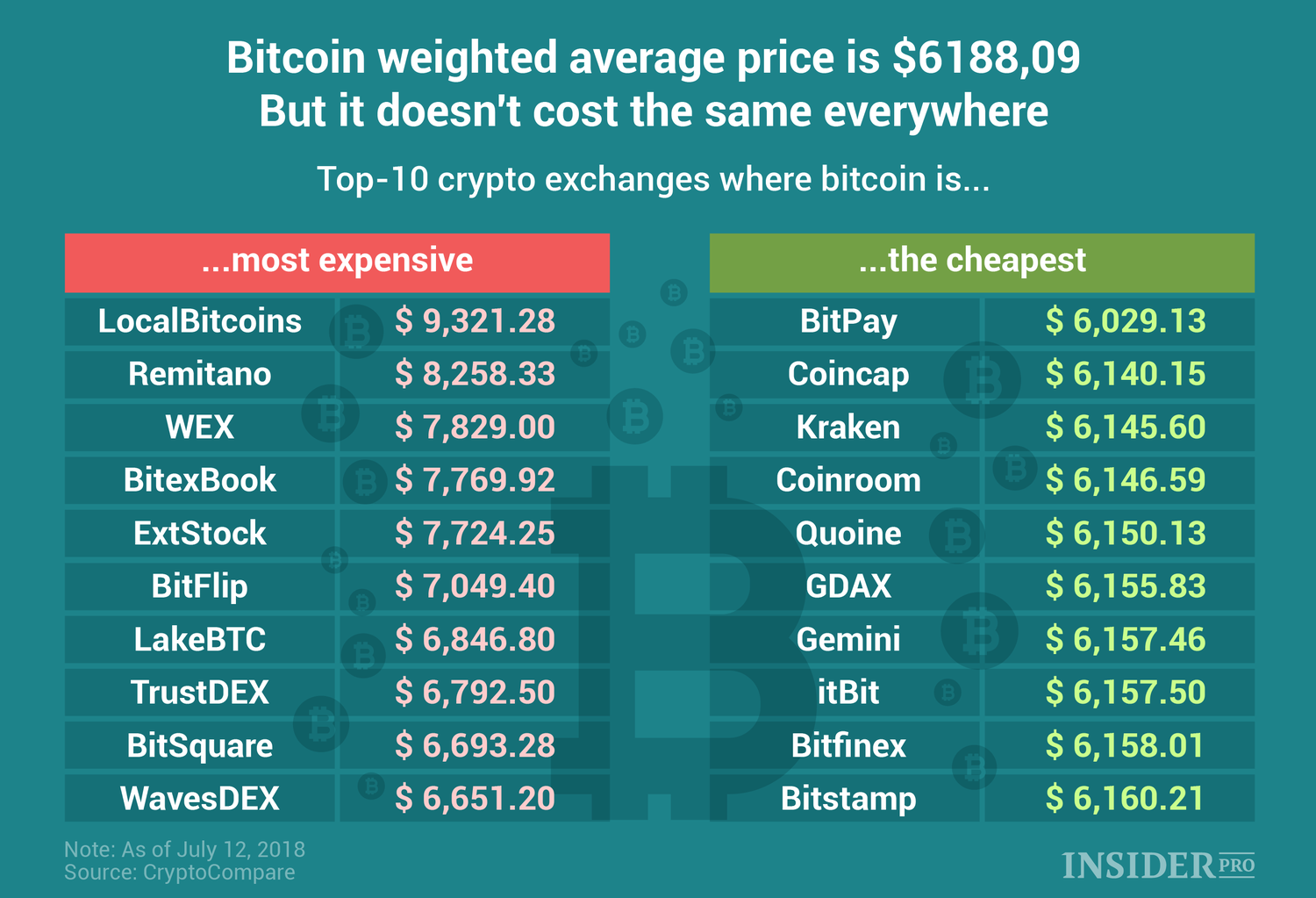
Bitcoin does not have one “official” price. Instead, the price you see on news sites is an aggregate of the prices across various global exchanges such as Coinbase, Binance, and Kraken. Because these exchanges have different levels of liquidity—the ease with which an asset can be bought or sold without affecting its price—small discrepancies can exist between platforms. Arbitrageurs typically close these gaps quickly, but the decentralized nature of these exchanges is why Bitcoin’s price can feel more volatile than traditional stock market assets.
Market Capitalization vs. Individual Unit Price
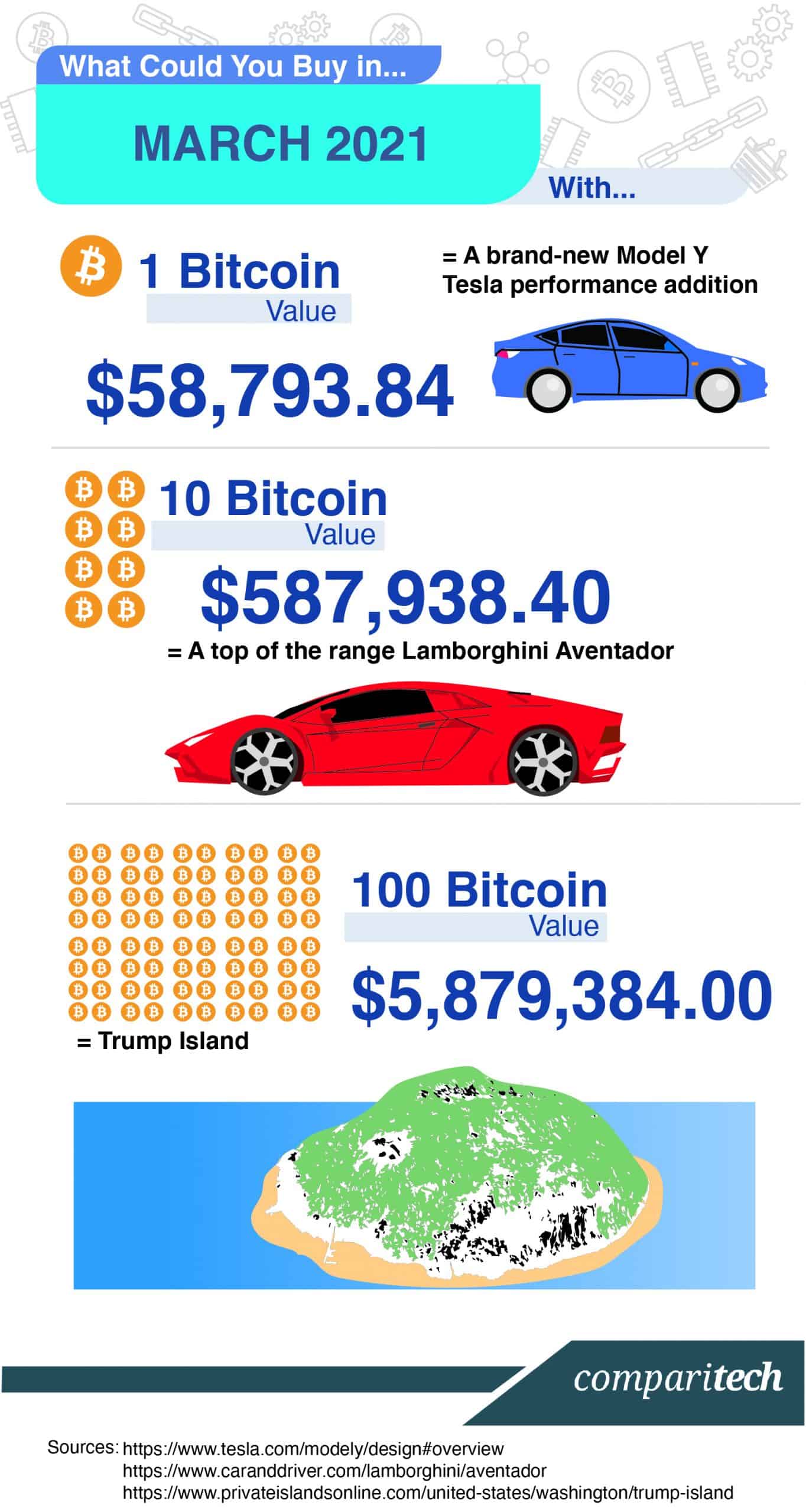
A common misconception for newcomers is the belief that they must purchase a “whole” Bitcoin. As of the current market, a single Bitcoin can cost tens of thousands of dollars, which may seem prohibitive. However, Bitcoin is divisible down to eight decimal places. The smallest unit is called a “Satoshi” (0.00000001 BTC). From a financial planning perspective, focusing on the total “Market Cap”—the total value of all Bitcoins in circulation—is often a more accurate way to compare its scale to other assets like gold or the S&P 500, rather than focusing solely on the price of one unit.
Factors That Influence How Much Bitcoin Costs
The valuation of Bitcoin is influenced by a complex web of internal and external factors. Understanding these can help investors anticipate price movements and manage their risk accordingly.
Macroeconomic Trends and Inflation
In the realm of personal finance, Bitcoin is increasingly viewed as a “macro” asset. When central banks engage in quantitative easing or lower interest rates, the resulting increase in the money supply can lead to the devaluation of fiat currency. Investors often flock to Bitcoin during these periods as a hedge against inflation. For example, during periods of high consumer price index (CPI) readings, Bitcoin often sees increased interest as a “hard money” alternative, similar to how gold has functioned for centuries.
Regulatory Developments and Global Adoption
The legal status of Bitcoin in major economies significantly impacts its price. Positive regulatory news, such as the approval of Spot Bitcoin ETFs (Exchange-Traded Funds) in the United States, provides a massive influx of capital by making it easier for traditional retirement accounts and institutional funds to gain exposure. On the other hand, talk of restrictive legislation or “bans” in major markets can lead to temporary price corrections. As Bitcoin moves from the fringes of finance to the mainstream, its price becomes increasingly sensitive to the words of regulators and treasury officials.
The Bitcoin Halving Cycles
One of the most unique financial aspects of Bitcoin is the “Halving.” Approximately every four years, the reward given to Bitcoin miners is cut in half. This effectively reduces the rate at which new Bitcoins enter the market. Historically, these halving events have preceded major “bull runs.” By tightening the supply side of the equation while demand continues to grow, the halving creates a cyclical “supply shock” that has historically been a primary catalyst for significant price appreciation.
How to Value Bitcoin as a Financial Asset
Because Bitcoin does not produce cash flow, dividends, or earnings, it cannot be valued using traditional metrics like the Price-to-Earnings (P/E) ratio. Instead, financial analysts use alternative models to determine if it is overvalued or undervalued.
Bitcoin as “Digital Gold” (Store of Value)
The most prominent framework for Bitcoin’s value is the “Store of Value” thesis. If Bitcoin is to act as a digital version of gold, analysts often compare its market cap to the total market cap of physical gold (roughly $14 trillion). If Bitcoin were to capture even 10% or 20% of gold’s market share, its individual unit price would need to rise significantly. This “comparative valuation” is a staple for long-term investors who view Bitcoin as a generational hedge against the traditional banking system.
On-Chain Metrics and Technical Analysis
Sophisticated investors use “on-chain” data—information recorded on the blockchain—to determine market health. Metrics such as “Exchange Reserve” (how much BTC is sitting on exchanges versus in private wallets) or the “MVRV Z-Score” (which measures the ratio of market cap to realized cap) help identify when the market is at a “fever pitch” or when it is in a “deep value” zone. Unlike traditional stocks where company books are private until quarterly reports, Bitcoin’s “ledger” is public, allowing for a level of transparency never before seen in finance.
Comparing Bitcoin to Traditional Equities
While Bitcoin is often compared to commodities, its growth profile often mirrors that of an early-stage tech company. Many investors treat Bitcoin as “digital equity” in a new financial network. By applying Metcalfe’s Law—which states that the value of a network is proportional to the square of the number of its users—investors can project Bitcoin’s value based on the rate of wallet creation and active addresses. As more people use the network, the value of the “token” required to use that network increases.
Strategies for Investing in Bitcoin
Knowing “how much” Bitcoin costs is only half the battle; knowing how to buy it responsibly is what determines long-term financial success. In the world of personal finance, risk management is paramount.
Dollar-Cost Averaging (DCA)
Due to Bitcoin’s high volatility, “timing the market” is notoriously difficult and often results in significant losses for retail investors. The most recommended strategy for building a position is Dollar-Cost Averaging. This involves investing a fixed amount of money at regular intervals (e.g., $100 every month), regardless of the price. This strategy lowers the average cost of the investment over time and removes the emotional stress of trying to buy at the “perfect” bottom.
Long-Term Holding (HODLing)
In the crypto-finance community, “HODL” (a misspelling of “hold”) has become a philosophy. Given Bitcoin’s history of massive drawdowns followed by even larger recoveries, the most successful investors have historically been those who simply held their positions through multi-year cycles. This requires a high degree of “conviction”—a belief in the fundamental value of the asset—that allows the investor to ignore short-term price fluctuations in favor of long-term wealth accumulation.
Risk Management and Portfolio Allocation
Most financial advisors who are “crypto-friendly” suggest a small allocation to Bitcoin—typically between 1% and 5% of a total portfolio. Because of its high growth potential, even a small amount can significantly boost a portfolio’s overall returns (the “Sharpe Ratio”), while its volatility ensures that a larger allocation could lead to devastating losses if the timing is poor. Treating Bitcoin as a “speculative sleeve” within a broader, diversified portfolio of stocks, bonds, and real estate is the most professional approach to its inclusion.
The Future Outlook of Bitcoin’s Worth
As we look toward the future, the valuation of Bitcoin is expected to be driven by deeper integration into the global financial plumbing.
Institutional Integration and ETFs
The arrival of institutional-grade products means that Bitcoin is no longer just for “tech enthusiasts.” Pension funds, insurance companies, and sovereign wealth funds are now beginning to allocate capital to the asset class. This institutional “wall of money” provides a price floor that didn’t exist in the early years of the asset. As Bitcoin becomes a standard part of the “60/40” portfolio model, its price is likely to stabilize, though it will remain more volatile than traditional blue-chip stocks.
Technological Scalability and the Lightning Network
While the price of Bitcoin is often the focus, its utility as a medium of exchange is a growing factor in its value. Technologies like the Lightning Network allow for near-instant, near-free global transactions using Bitcoin. As the network becomes more usable for daily commerce—particularly in developing nations with unstable local currencies—the “utility value” of Bitcoin will begin to complement its “speculative value,” creating a more robust and multifaceted valuation model.
In conclusion, “how much are the bitcoins” is a question with a moving answer. It is a price determined by the collective psychology of millions, the scarcity of its code, and the shifting landscape of global finance. For the savvy investor, Bitcoin is not just a digital coin, but a revolutionary financial tool that requires a disciplined, informed, and long-term perspective. By understanding the mechanics of its price and the factors that drive its value, one can navigate this volatile market with confidence and strategic clarity.
aViewFromTheCave is a participant in the Amazon Services LLC Associates Program, an affiliate advertising program designed to provide a means for sites to earn advertising fees by advertising and linking to Amazon.com. Amazon, the Amazon logo, AmazonSupply, and the AmazonSupply logo are trademarks of Amazon.com, Inc. or its affiliates. As an Amazon Associate we earn affiliate commissions from qualifying purchases.