
While the casual traveler asks what to do in Pigeon Forge, the strategic marketer asks how a small mountain town in East Tennessee transformed itself into a multi-billion-dollar brand ecosystem. Pigeon Forge is no longer just a geographical location; it is a masterclass in destination branding, corporate identity, and the power of personal brand integration. To understand the success of this region, one must look past the neon signs and roller coasters to the sophisticated brand strategies that drive its economy.
By analyzing Pigeon Forge through the lens of brand strategy, we can uncover how the town manages its identity as the “Gateway to the Smokies” while maintaining a distinct, high-energy persona that competes with global giants like Orlando or Branson.
The Dolly Parton Effect: A Masterclass in Personal Brand Integration
The cornerstone of the Pigeon Forge brand is undoubtedly the presence of Dolly Parton. Her influence provides a blueprint for how a personal brand can revitalize a regional economy through authentic alignment and strategic partnership.
Authenticity as a Brand Anchor
In an era where “authenticity” is a marketing buzzword, the Pigeon Forge brand, anchored by Dollywood, serves as a primary example of it in practice. Dolly Parton’s brand identity—built on a narrative of rags-to-riches, Appalachian pride, and unwavering kindness—is woven into the fabric of the town. This isn’t merely celebrity endorsement; it is brand immersion.
When consumers visit Pigeon Forge, they are not just buying a ticket to a theme park; they are participating in a story. The brand strategy here relies on “Emotional Branding,” where the values of the figurehead (Dolly) transfer to the destination. This creates a level of brand loyalty that traditional marketing cannot buy. The town’s identity is anchored by a figure who represents both the past (heritage) and the future (economic prosperity), making the brand resilient across generations.
Leveraging Celebrity Equity for Regional Growth
The strategic partnership between the Parton brand and Herschend Family Entertainment represents a sophisticated corporate identity merger. By aligning Parton’s “Down Home” persona with professionalized guest service standards, Pigeon Forge established a unique value proposition.
This brand equity extends beyond the gates of Dollywood. It creates a “halo effect” for surrounding businesses. Small boutiques, dinner theaters, and local hotels adopt the visual language and hospitality standards set by the Parton brand. From a strategic standpoint, this is a “Co-Branding” ecosystem where the central powerhouse brand dictates the quality and tone for the entire regional marketplace.
Destination Branding: Crafting the “Gateway to the Smokies” Identity
A successful destination brand must balance two seemingly contradictory elements: the preservation of its natural allure and the commercialization required for growth. Pigeon Forge has navigated this by positioning itself as the “Action-Packed Side of the Smokies.”
The Psychology of Themed Environments
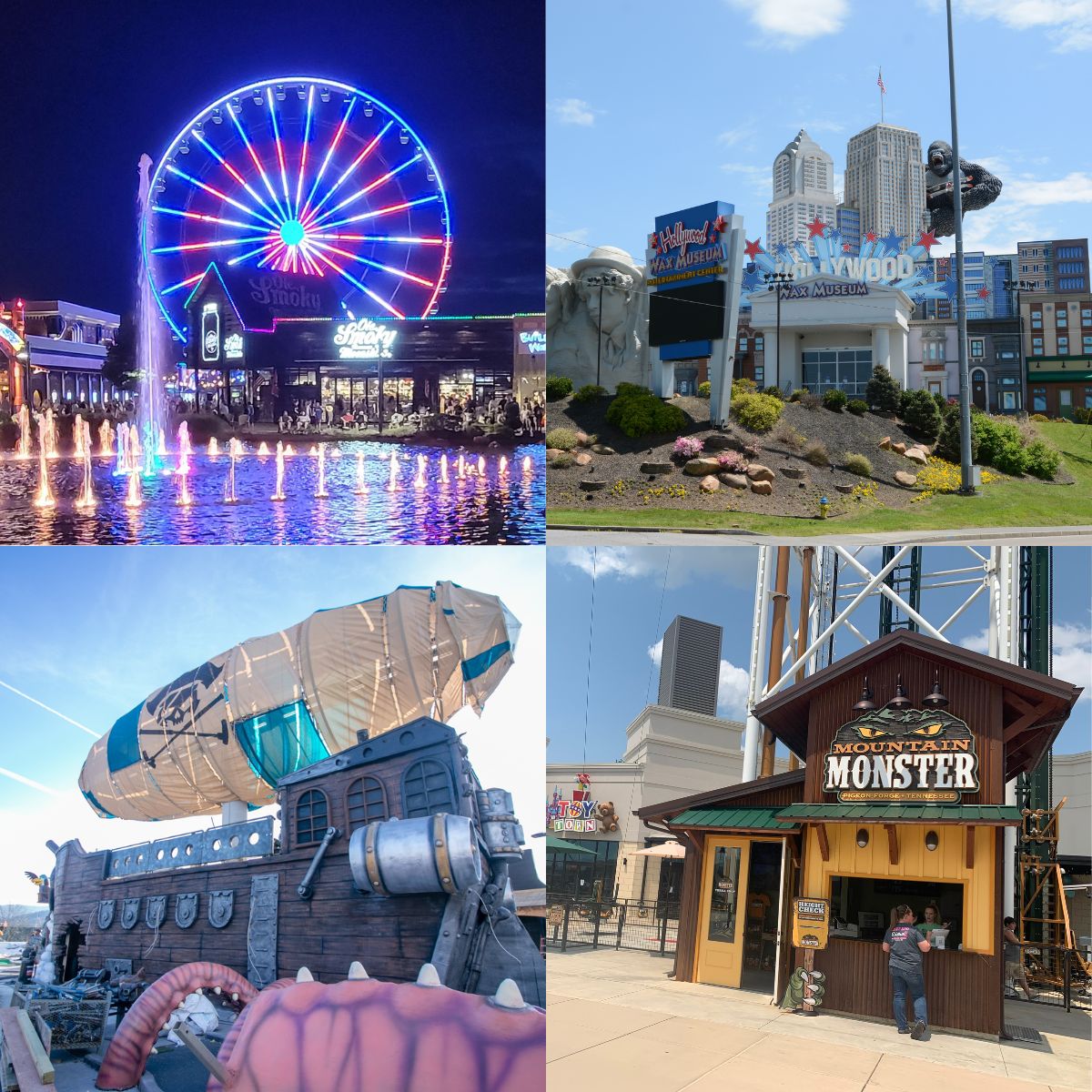
Pigeon Forge utilizes “Atmospherics” as a core brand strategy. The physical layout of the Parkway—the town’s main thoroughfare—is designed to be a sensory-rich environment that signals “entertainment” at every turn. From the Titanic Museum Attraction’s scale model to the Alpine-themed retail centers, the branding is architectural.
In brand design, consistency is key. Pigeon Forge maintains a visual identity that blends rustic mountain aesthetics with high-energy Americana. This hybrid identity allows the town to appeal to “Adventurers” (who want the mountains) and “Escapists” (who want the shows and attractions). By branding the town as a curated experience of the wilderness, they have created a “Safe Adventure” niche that appeals heavily to the suburban family demographic.
Balancing Tradition with Modern Consumer Expectations
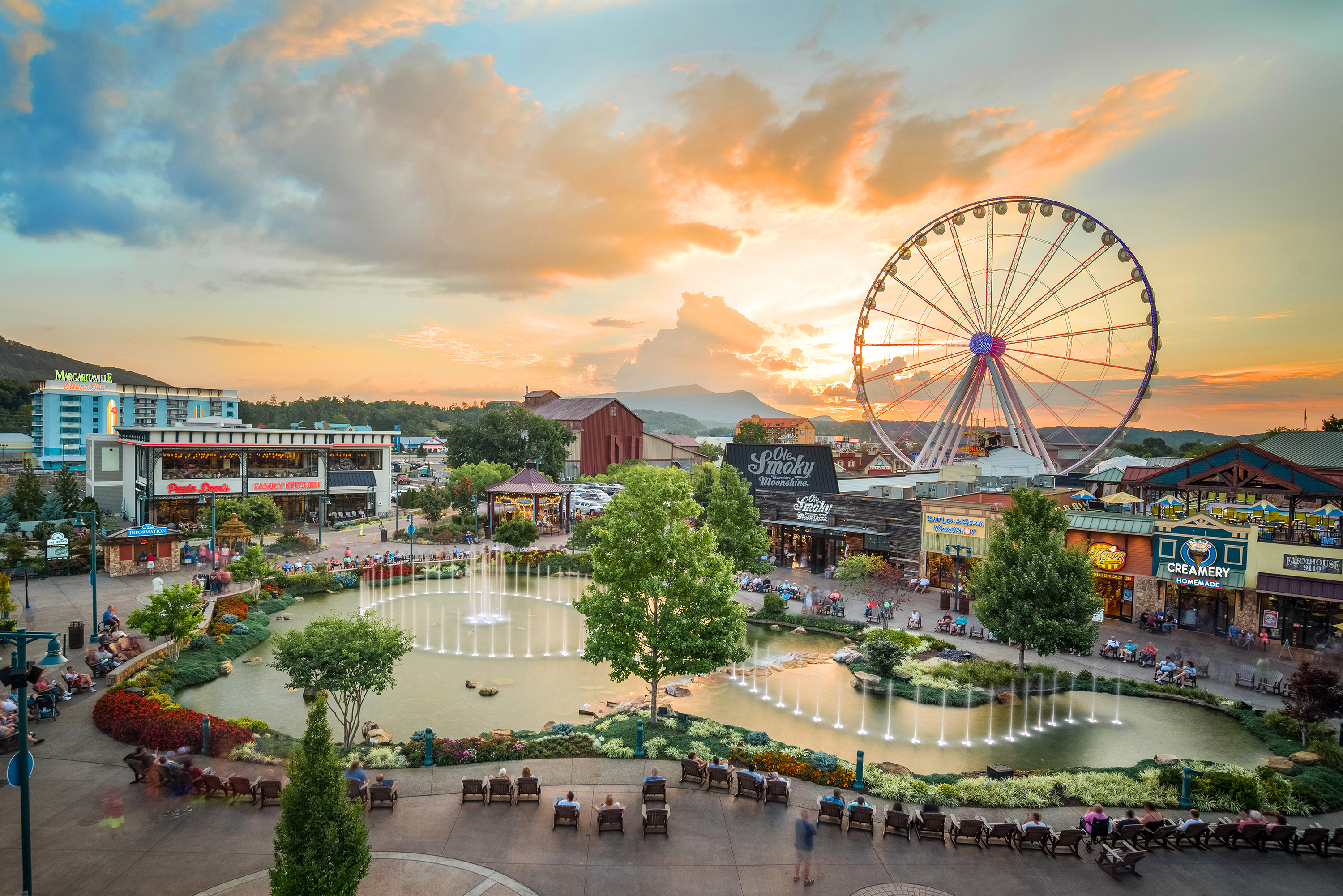
One of the greatest challenges in brand strategy is “Brand Evolution”—how to stay relevant without losing the core identity. Pigeon Forge has successfully pivoted from a sleepy stop-over to a modern luxury destination. This is evident in the development of “The Island,” a lifestyle center that reflects modern trends in experiential retail and walkability.
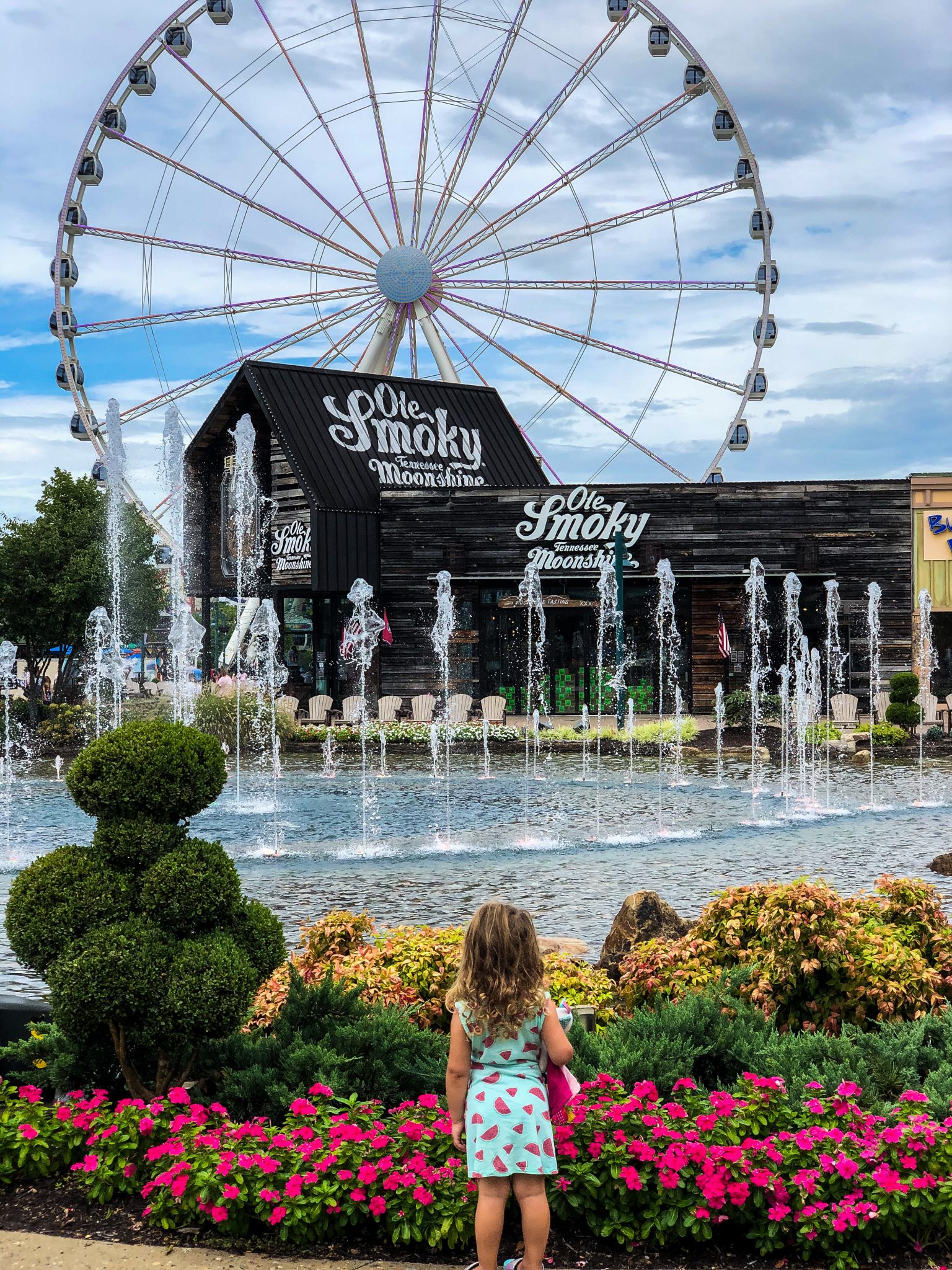
The brand has moved away from purely “kitsch” and toward “premium leisure.” This shift in corporate identity is visible in the newer hotel developments and the integration of high-end dining. By modernizing the touchpoints of the visitor experience, Pigeon Forge prevents “Brand Fatigue,” ensuring that repeat visitors (a crucial metric for any brand) find something new while still feeling the comfort of the familiar brand promise.
Strategic Marketing: How Pigeon Forge Captures the Multi-Generational Demographic
The genius of the Pigeon Forge brand lies in its ability to be “All Things to All People” within the family unit. This requires a sophisticated segmentation and messaging strategy that bridges the gap between different age groups.
Omnichannel Storytelling in Tourism
Pigeon Forge’s marketing strategy is a textbook example of “Omnichannel Storytelling.” Their campaigns don’t just sell a hotel room; they sell a “Family Legacy.” Through high-production video content, interactive social media presence, and targeted digital advertising, the brand maintains a constant presence in the consumer’s mind throughout the “Dreaming” and “Planning” phases of the travel funnel.
The narrative focuses on “reconnecting,” which is a powerful psychological trigger in brand marketing. By positioning the town as the setting for family milestones, the brand moves from a discretionary expense to a non-negotiable family tradition. This emotional positioning is supported by data-driven marketing that targets specific geographic “feeder markets,” ensuring high ROI on advertising spend.
Data-Driven Experiences and Loyalty Programs
Modern brand strategy relies heavily on data. Pigeon Forge and its primary stakeholders utilize sophisticated CRM (Customer Relationship Management) systems to track visitor behavior. This allows for personalized marketing—sending a “Welcome Back” offer for a car show to an automotive enthusiast or a “Christmas in the Smokies” preview to a family that visited the previous winter.
Furthermore, the brand leverages “Seasonal Marketing” to maintain year-round relevance. By creating distinct brand “moments”—such as the Winterfest lights or the Flower & Food Festival—the town ensures it is not just a summer destination. This is a strategic move to stabilize the brand’s economic performance across all four quarters, a necessity for a town whose brand identity is tied so closely to the physical environment.
Brand Resilience: Maintaining Relevance in a Competitive Market
No brand survives for decades without a plan for resilience. Pigeon Forge has faced economic downturns, natural disasters, and shifts in consumer taste, yet its brand remains stronger than ever.
Crisis Management and Community Brand Unity
A critical component of the Pigeon Forge brand is its unity. Unlike many tourist hubs where individual businesses compete aggressively, there is a collective “Brand Community” in Pigeon Forge. This was most evident during the recovery efforts following the 2016 wildfires.
The brand’s response was not just one of rebuilding infrastructure, but of reinforcing the brand promise of “Mountain Tough” and “Smoky Mountain Strong.” This type of crisis communication is essential for brand longevity. It showed consumers that the brand was not just a collection of stores, but a community with a soul. This reinforced consumer trust and led to a record-breaking surge in tourism in the following years.
Future-Proofing the Pigeon Forge Brand
As we look toward the future, the Pigeon Forge brand is focusing on “Sustainable Growth” and “Technological Integration.” From smart-parking solutions to mobile-first guest experiences at major attractions, the brand is evolving to meet the digital expectations of Gen Z and Millennial parents.
The strategy is clear: maintain the nostalgic heart of the Appalachian brand while layering on the convenience of the modern world. By focusing on the “Total Guest Journey”—from the first Google search to the final drive out of town—Pigeon Forge ensures that its brand identity remains synonymous with the American family vacation.
In conclusion, “what to do in Pigeon Forge” is a question answered by a multi-layered brand strategy. It is a town that has successfully commercialized nostalgia, leveraged personal brand equity, and maintained a consistent corporate identity. For brand strategists and marketers, Pigeon Forge is not just a destination; it is a living case study in how to build, maintain, and evolve a world-class brand ecosystem.
aViewFromTheCave is a participant in the Amazon Services LLC Associates Program, an affiliate advertising program designed to provide a means for sites to earn advertising fees by advertising and linking to Amazon.com. Amazon, the Amazon logo, AmazonSupply, and the AmazonSupply logo are trademarks of Amazon.com, Inc. or its affiliates. As an Amazon Associate we earn affiliate commissions from qualifying purchases.