
Filing taxes is often viewed as a daunting annual hurdle, a complex maze of forms, deadlines, and legal jargon. However, when approached through the lens of strategic personal finance, tax filing transforms from a chore into a critical component of wealth management. Understanding how to file taxes effectively is not just about compliance; it is about optimizing your financial health, leveraging available deductions, and ensuring that you are not overpaying the government. Whether you are a salaried employee, a freelance professional, or a business owner, mastering the nuances of the tax system is essential for long-term fiscal success.
Understanding Your Tax Filing Status and Documentation
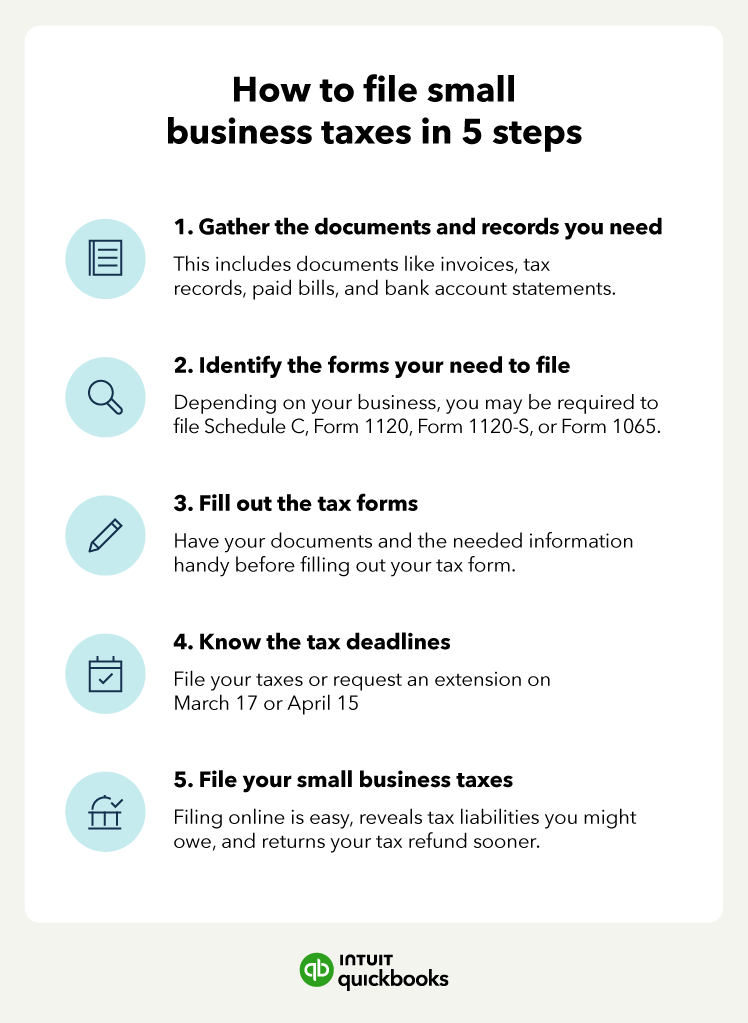
The foundation of a successful tax return lies in the preparation phase. Before you even open a software program or meet with an accountant, you must understand your standing within the tax ecosystem. Your filing status determines your standard deduction, your tax brackets, and your eligibility for certain credits.
Determining Your Filing Status
The IRS recognizes five basic filing statuses: Single, Married Filing Jointly, Married Filing Separately, Head of Household, and Qualifying Widow(er). Choosing the right one is paramount. For instance, the “Head of Household” status offers more favorable tax rates and a higher standard deduction than “Single,” but it requires you to meet specific criteria regarding dependents and household maintenance costs. Conversely, married couples must decide if filing jointly provides a better financial outcome than filing separately—a decision that often hinges on student loan repayments or disparate income levels.
Essential Documents Checklist
Organization is the enemy of tax-season stress. To file accurately, you must aggregate various information returns. These typically include:
- W-2s: For traditional employment income.
- 1099-NEC/K: For independent contractors and gig economy participants.
- 1099-INT and 1099-DIV: For interest and dividend income from investments.
- 1098-T: For tuition payments and educational expenses.
- 1098: For mortgage interest paid.
- Records of digital asset transactions: As the IRS increases its focus on cryptocurrency, keeping a ledger of buys, sells, and trades is no longer optional.
Organizing Your Financial Records Throughout the Year
The most successful taxpayers do not start their preparation in April; they maintain a “tax-ready” mindset year-round. This involves utilizing financial tools to track expenses, particularly if you are self-employed. Categorizing business expenses—such as home office costs, travel, and equipment—at the moment of purchase prevents the “shoebox of receipts” phenomenon and ensures that no legitimate deduction is missed.
Choosing the Right Filing Method for Your Financial Profile
Once your documentation is in order, the next step is deciding how the information will be transmitted to the revenue service. The method you choose should reflect the complexity of your financial life and your comfort level with financial software.
Manual Filing vs. Tax Software
While manual filing via paper forms is still technically possible, it is increasingly rare due to the high margin for error and slower processing times. Modern tax software has revolutionized the process for the average taxpayer. These platforms use interview-style interfaces to guide users through the process, performing calculations automatically and flagging potential errors. For individuals with straightforward W-2 income and standard deductions, these tools offer a cost-effective and highly efficient solution.
Hiring a Professional: CPA or Enrolled Agent?
For high-net-worth individuals, business owners, or those with complex investment portfolios, the DIY software approach may fall short. Certified Public Accountants (CPAs) and Enrolled Agents (EAs) provide more than just data entry; they offer strategic tax planning. A professional can help navigate “passive loss” rules, depreciation of assets, and complex international tax obligations. While the upfront cost of a professional is higher, the potential for tax savings and the peace of mind regarding audit protection often yield a positive return on investment.
IRS Free File and Low-Income Assistance
It is a common misconception that filing taxes always requires a financial layout. The IRS Free File program provides free brand-name tax software to taxpayers whose adjusted gross income (AGI) falls below a specific threshold. Additionally, the Volunteer Income Tax Assistance (VITA) program offers free tax help to people who generally make $64,000 or less, persons with disabilities, and limited English-speaking taxpayers. Leveraging these resources is a smart financial move for those looking to minimize the costs of compliance.
Maximizing Your Return: Deductions, Credits, and Strategies

The primary goal of filing taxes—beyond legal compliance—is to minimize your tax liability. This is achieved through a combination of deductions and credits, which serve different purposes in your financial strategy.
Standard Deduction vs. Itemized Deductions
The standard deduction is a flat dollar amount that reduces the income on which you’re taxed. However, if your eligible expenses—such as mortgage interest, state and local taxes (SALT), and charitable contributions—exceed the standard deduction amount, “itemizing” becomes the more profitable route. Following the Tax Cuts and Jobs Act, the standard deduction was significantly increased, leading many taxpayers who previously itemized to switch. It is vital to run both scenarios to ensure you are selecting the option that leaves more money in your pocket.
High-Value Tax Credits You Shouldn’t Overlook
While deductions reduce the amount of income subject to tax, credits provide a dollar-for-dollar reduction of the tax bill itself, making them incredibly valuable.
- Child Tax Credit (CTC): A significant boon for families.
- Earned Income Tax Credit (EITC): Designed for low-to-moderate-income working individuals and couples, particularly those with children.
- Education Credits: The American Opportunity Tax Credit (AOTC) and the Lifetime Learning Credit (LLC) can offset the costs of higher education.
Understanding the eligibility requirements for these credits can result in a refund that exceeds the total amount of tax paid throughout the year.
Tax-Advantaged Accounts and Late-Year Contributions
One of the few ways to lower your previous year’s tax bill after the year has ended is through contributions to specific tax-advantaged accounts. For many, contributions to a traditional IRA or a Health Savings Account (HSA) made up until the April filing deadline can be deducted from the prior year’s taxable income. This strategy not only reduces your immediate tax liability but also bolsters your long-term retirement and healthcare savings.
The Digital Frontier: Leveraging Financial Tools for Modern Filing
In the current financial landscape, technology and money are inextricably linked. The “how” of filing taxes is now defined by digital integration, which enhances accuracy and provides real-time insights into your financial standing.
Cloud-Based Accounting and Real-Time Tracking
For freelancers and small business owners, the “Money” aspect of tax filing starts with cloud accounting software. These tools sync directly with bank accounts and credit cards, automatically categorizing transactions. When tax season arrives, generating a Profit and Loss (P&L) statement takes seconds rather than days. This real-time visibility allows for “tax forecasting,” where you can estimate your tax bill in October or November and make strategic financial moves—like deferring income or accelerating expenses—to optimize your final numbers.
Security Protocols for Your Financial Data
As tax filing moves almost entirely online, digital security has become a cornerstone of personal finance. Identity theft and tax refund fraud are significant risks. Efficient filing now requires the use of multi-factor authentication (MFA) on all financial accounts and the use of the IRS Identity Protection PIN (IP PIN) program. Protecting your Social Security number and financial data is as important as finding the right deductions; a stolen refund is a total loss of your hard-earned capital.
Post-Filing Best Practices and Future Planning
The tax process does not end when you click “submit.” Proactive financial management requires a post-game analysis of your return to prepare for the future.
Tracking Your Refund and Handling Discrepancies
After filing, the IRS “Where’s My Refund?” tool provides a transparent look at the status of your return. If you receive a notice of a discrepancy or an audit, it is important not to panic. Most IRS notices are “correspondence audits” regarding simple math errors or missing forms. Addressing these promptly—and having your organized records ready—prevents interest and penalties from accumulating.
Adjusting Withholdings for the Coming Year
The ultimate goal of efficient tax filing is often to get as close to a $0 refund as possible. While a large refund feels like a windfall, it is essentially an interest-free loan you have given to the government. If you received a massive refund, you might consider adjusting your Form W-4 with your employer to increase your take-home pay each month. Conversely, if you owed a significant amount, increasing your withholdings can prevent an underpayment penalty next year. By fine-tuning your withholdings, you gain more control over your monthly cash flow, allowing you to invest or save that money throughout the year rather than waiting for a lump sum in April.
In conclusion, filing taxes is a foundational skill in the realm of personal finance. By understanding the documentation required, choosing the most appropriate filing method, aggressively pursuing deductions and credits, and utilizing modern financial tools, you turn a complex legal requirement into a strategic advantage. Efficient tax management is one of the most effective ways to preserve your wealth and ensure that your financial future is built on a solid, compliant, and optimized foundation.
aViewFromTheCave is a participant in the Amazon Services LLC Associates Program, an affiliate advertising program designed to provide a means for sites to earn advertising fees by advertising and linking to Amazon.com. Amazon, the Amazon logo, AmazonSupply, and the AmazonSupply logo are trademarks of Amazon.com, Inc. or its affiliates. As an Amazon Associate we earn affiliate commissions from qualifying purchases.