
In the rapidly evolving landscape of global e-commerce, the transition from traditional customer service models to tech-driven, app-centric support systems has become a hallmark of industry leaders. Temu, a dominant force in the cross-border digital marketplace, exemplifies this shift. For many users, the primary question—”How do I contact Temu about orders?”—is often followed by a search for a traditional phone number. However, in the realm of high-scale software and AI-driven logistics, the answer lies within a sophisticated digital infrastructure designed to streamline communication through automation and integrated app features.

Understanding how to interact with Temu’s support system requires an appreciation of modern software ecosystems. This guide explores the technical avenues for resolving order issues, the security protocols involved in digital communication, and how AI tools are reshaping the user experience in the e-commerce sector.
The App-First Architecture: Moving Beyond Traditional Call Centers
The cornerstone of Temu’s operational efficiency is its “app-first” philosophy. Unlike legacy retail giants that rely heavily on distributed call centers, modern e-commerce platforms leverage centralized digital hubs. This approach reduces latency and ensures that every interaction is tied directly to the user’s data profile, order history, and tracking information.
The Integrated Message Center
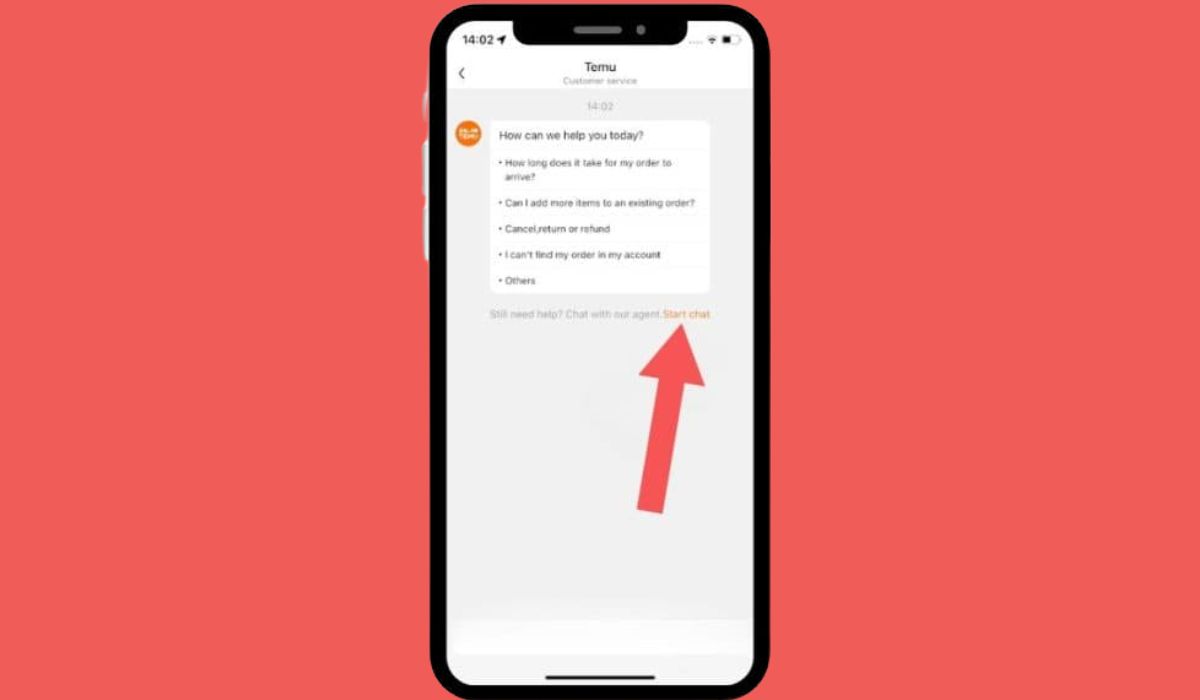
The primary technical conduit for contacting Temu is the “Message Center” located within the app and the desktop web portal. From a software perspective, this is not a simple chat box but a sophisticated ticketing system integrated with the platform’s database. When a user initiates a query, the system automatically pulls relevant metadata—tracking numbers, SKU details, and payment timestamps—allowing for a context-aware interaction that a standard phone call cannot provide.
The Role of AI-Driven Chatbots
At the frontline of Temu’s support tech is an AI chatbot powered by Natural Language Processing (NLP). This tool is designed to categorize user intent instantly. Whether the issue is a “missing package,” a “refund request,” or a “technical glitch,” the AI parses the text to provide immediate, automated solutions. For most routine inquiries, the AI can trigger backend processes—such as initiating a refund or updating a shipping status—without human intervention, demonstrating the power of automated workflow integration.
Digital Security and Fraud Prevention: Verifying Official Contact Channels
As users look for “phone numbers” online, they often encounter a significant digital security risk: phishing and fraudulent support sites. In the tech world, the “Search Engine Results Page” (SERP) can sometimes be manipulated by bad actors who list fake customer service numbers to harvest personal data or financial information.
Identifying Official Communication Protocols
From a digital security standpoint, the safest way to contact Temu is through the encrypted environment of the official app or website (temu.com). These channels use Secure Sockets Layer (SSL) encryption to protect the data transmitted between the user’s device and the server. By keeping communication within the app, users ensure that their sensitive account details remain behind the platform’s firewall, rather than being exposed over an unverified cellular connection.
Protecting Your Digital Identity
When interacting with any support system, maintaining digital hygiene is paramount. Users should be aware that Temu’s official support will never ask for passwords or full credit card numbers via chat or phone. The platform’s internal security architecture allows support agents (or AI bots) to verify identities through “OAuth” or “Two-Factor Authentication” (2FA) prompts within the app interface, which is a much more secure technical standard than verbal verification over a phone line.
Technical Troubleshooting: Resolving Order Issues Through Digital Automation
When an order issue arises, the resolution process is essentially a sequence of data exchanges. Understanding the technical steps required can significantly speed up the resolution time, as it aligns the user’s actions with the platform’s automated logic.
Documentation and Multimedia Integration
One of the technical advantages of app-based support over a phone call is the ability to upload multimedia evidence. If an item arrives damaged or is the incorrect model, the Temu interface allows users to upload high-resolution photos and videos directly into the support ticket. This data is then processed by image recognition software or reviewed by a human agent to validate the claim. This visual data layer is a critical component of modern e-commerce “Quality Assurance” (QA) workflows.
Tracking Resolution Progress in Real-Time
Once a support request is submitted, it enters a state-machine logic within Temu’s backend. Users can monitor the status of their “ticket”—from Submitted to Under Review to Resolved. This transparency is powered by real-time API (Application Programming Interface) updates between the customer support module and the logistics module. Instead of waiting on hold, users receive push notifications or emails triggered by status changes in the database, a hallmark of an efficient digital notification system.
The Infrastructure of Global Support: Why Digital Outpaces Voice
The preference for digital contact methods over a phone number is a strategic technical choice necessitated by the scale of global e-commerce. Managing millions of concurrent users across multiple time zones and languages requires an infrastructure that is both scalable and adaptable.
Multi-Language Translation Engines
Temu operates in dozens of countries, making language barriers a significant technical challenge. By funneling contact through a text-based digital interface, the platform can utilize real-time translation engines. A user in Italy can type in Italian, and the system can translate that query for a support specialist or process it through a localized AI model. This level of linguistic flexibility is technically difficult and prohibitively expensive to achieve in a traditional voice-based call center environment.
Data Aggregation for Systemic Improvement
Every digital interaction provides Temu with valuable telemetry. If a high volume of users in a specific region reports the same “Order Pending” status, the system’s analytics dashboard flags it as a potential systemic bug or logistics bottleneck. This data-driven feedback loop allows the tech team to deploy patches or updates to the supply chain software, preventing future issues. Phone calls, by contrast, are “dark data”—difficult to quantify and analyze at scale without expensive transcription and sentiment analysis tools.
Optimizing the User Experience: Best Practices for Digital Contact
To get the most out of Temu’s tech-centric support, users should adopt a “digital-first” mindset. While the absence of a prominent phone number might feel counterintuitive to those used to legacy retail, the digital alternatives are designed for speed and precision.
Leveraging the “Self-Service” Portal
Before escalating to a human agent, the “Your Orders” section of the app provides a suite of self-service tools. These tools are essentially direct UI shortcuts to the database. Users can click “Track” to see real-time GPS data from carriers or “Return/Refund” to trigger the automated return logic. Utilizing these features is often faster than any form of direct contact because they bypass the queue entirely.
Escalation Logic: When to Request a Human
If the AI chatbot cannot resolve a complex technical issue, the system is programmed with “escalation logic.” Users can typically prompt the system for a “human agent” or “live chat” during specific hours. At this stage, the chat history is handed off to a specialist, ensuring that the human agent has the full technical context of the problem. This “Hybrid Support” model—combining AI efficiency with human empathy—is the current gold standard in the tech industry for managing high-volume consumer apps.
In conclusion, while the search for a Temu phone number is common, the most effective way to manage and resolve order issues is to engage with the platform’s purpose-built digital tools. By navigating the app’s interface, understanding the security protocols, and utilizing the AI-driven support systems, users can take full advantage of the sophisticated technology that powers one of the world’s largest digital marketplaces. The shift toward these integrated systems represents the future of customer-brand interaction, where data, speed, and security are prioritized over traditional voice communication.
aViewFromTheCave is a participant in the Amazon Services LLC Associates Program, an affiliate advertising program designed to provide a means for sites to earn advertising fees by advertising and linking to Amazon.com. Amazon, the Amazon logo, AmazonSupply, and the AmazonSupply logo are trademarks of Amazon.com, Inc. or its affiliates. As an Amazon Associate we earn affiliate commissions from qualifying purchases.